(904) 686-8020 Contact
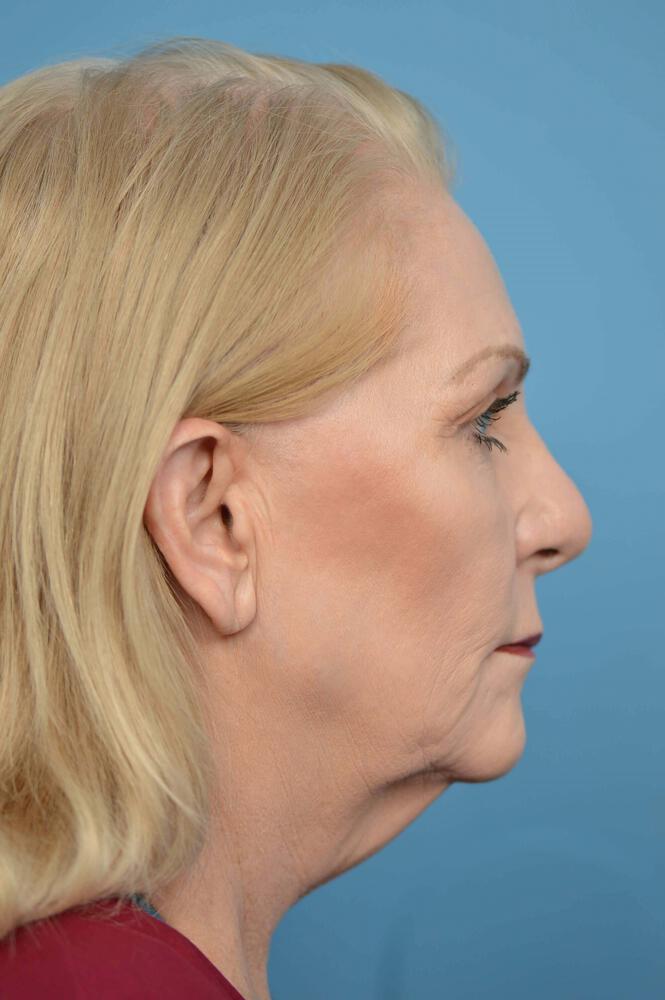
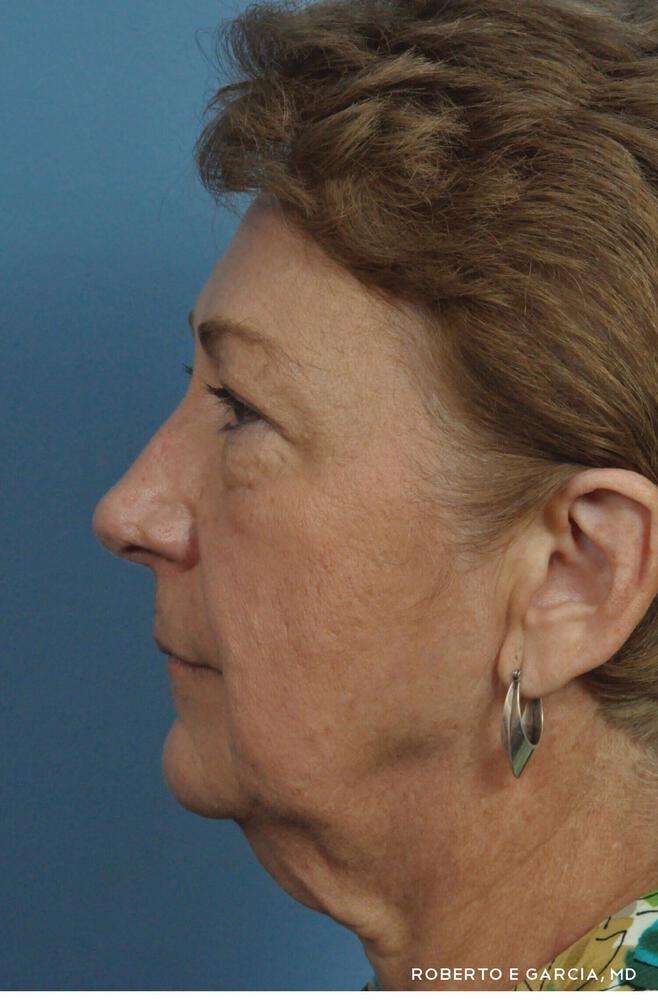
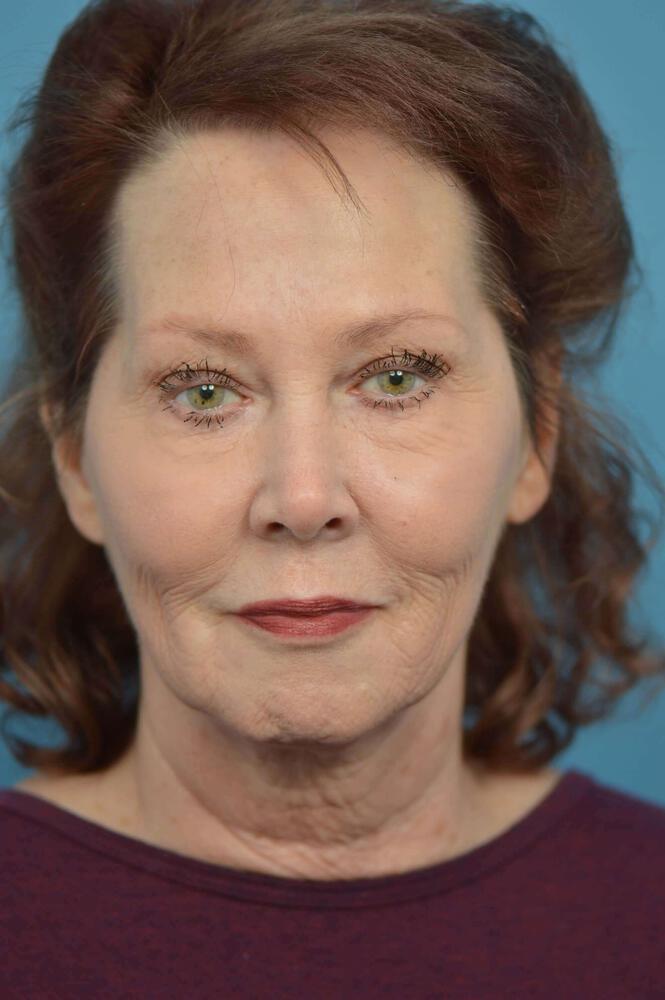
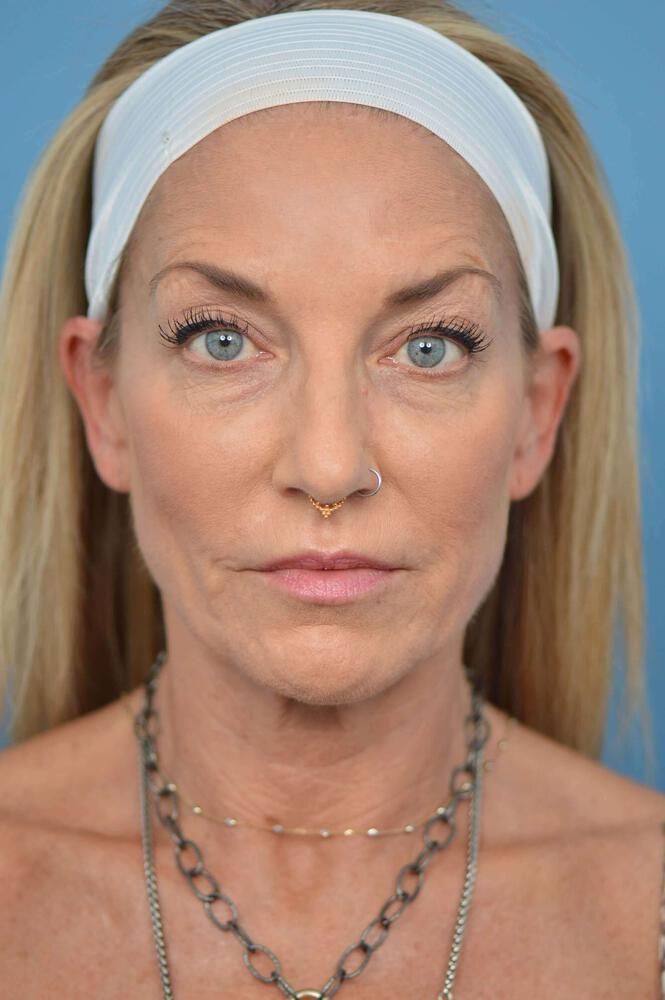
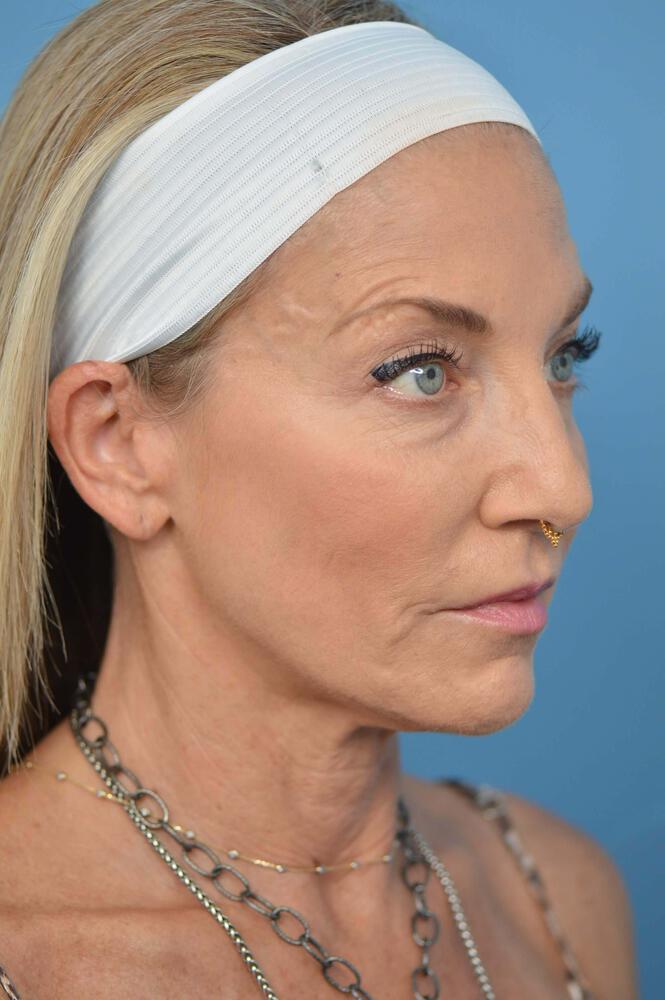
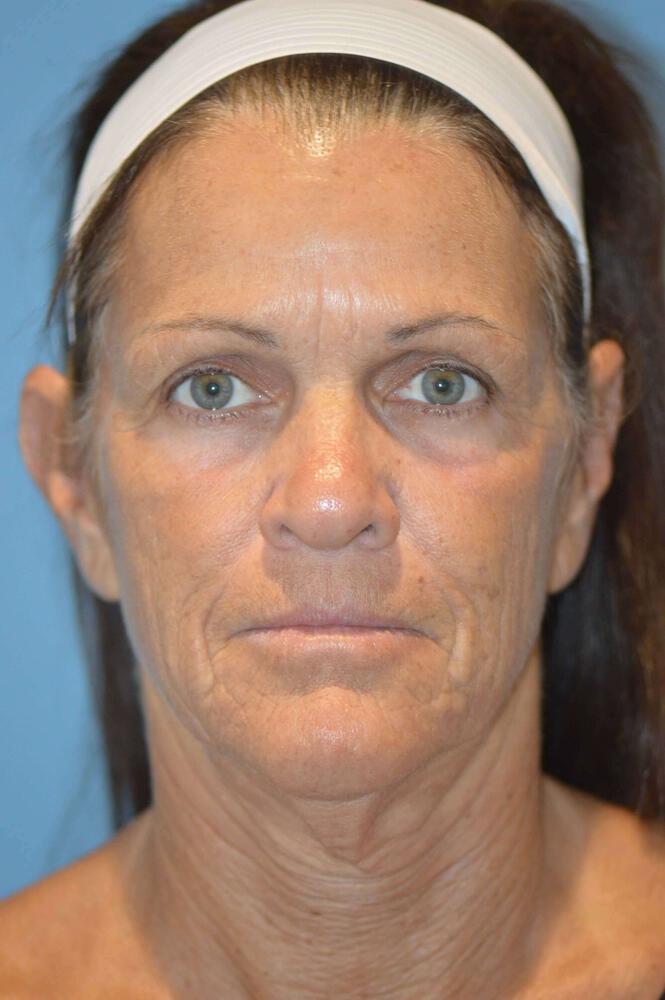
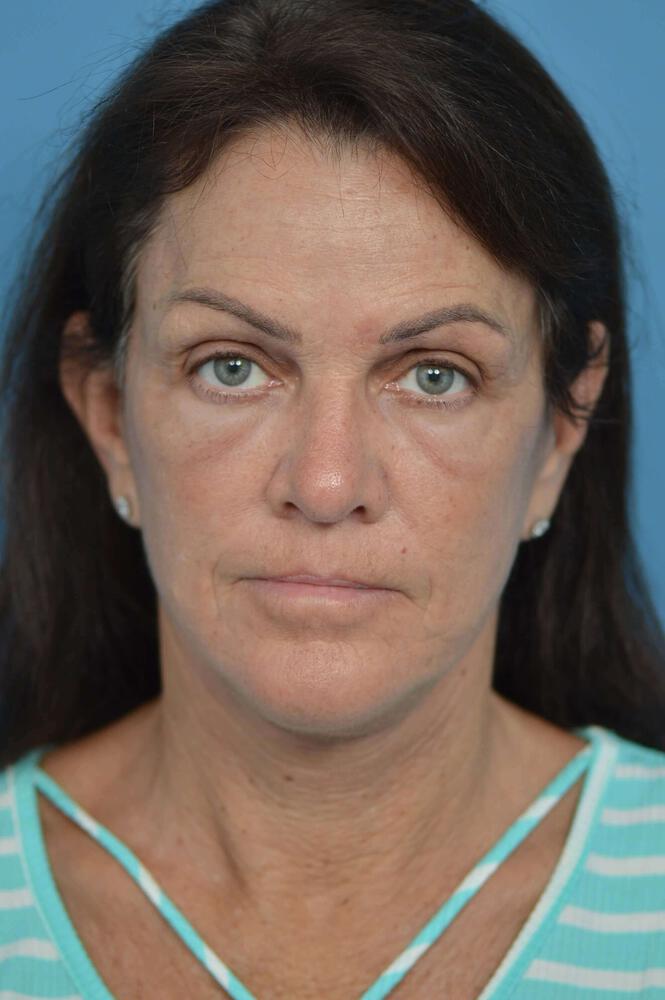
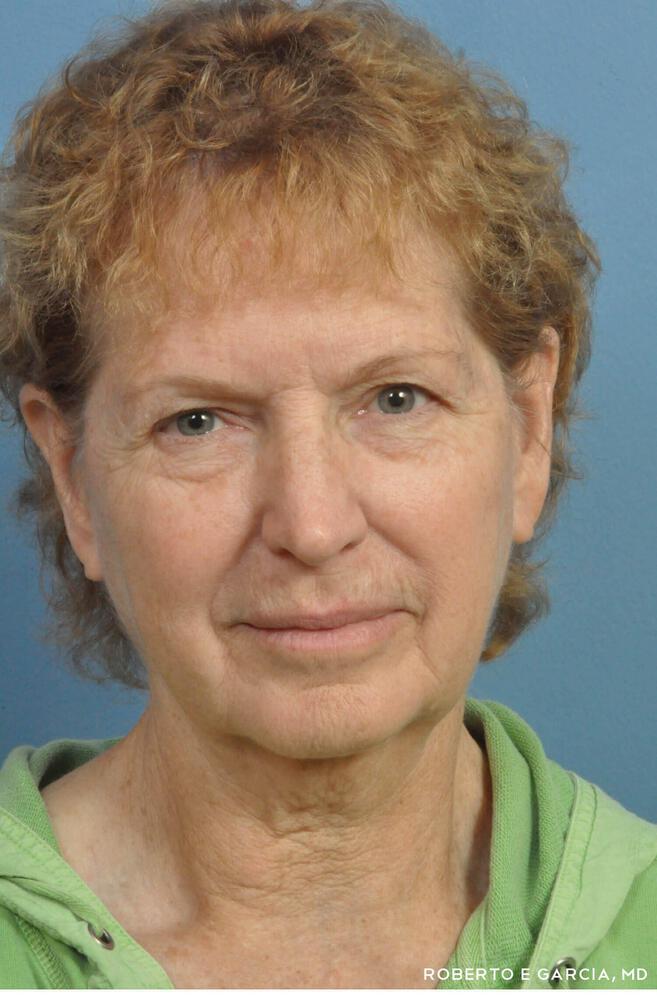
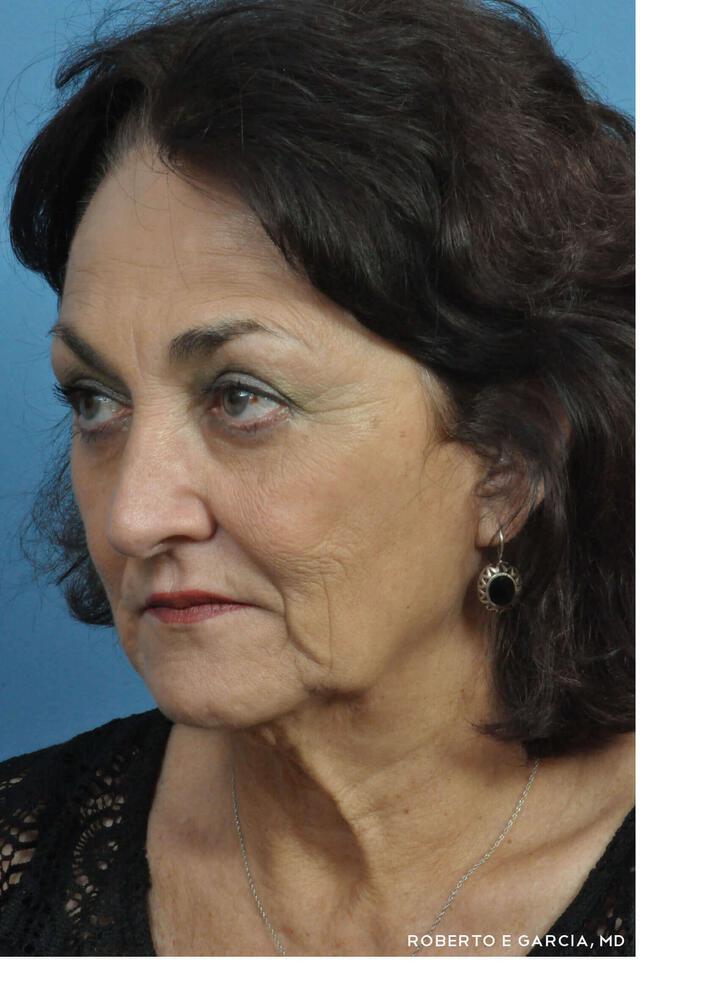
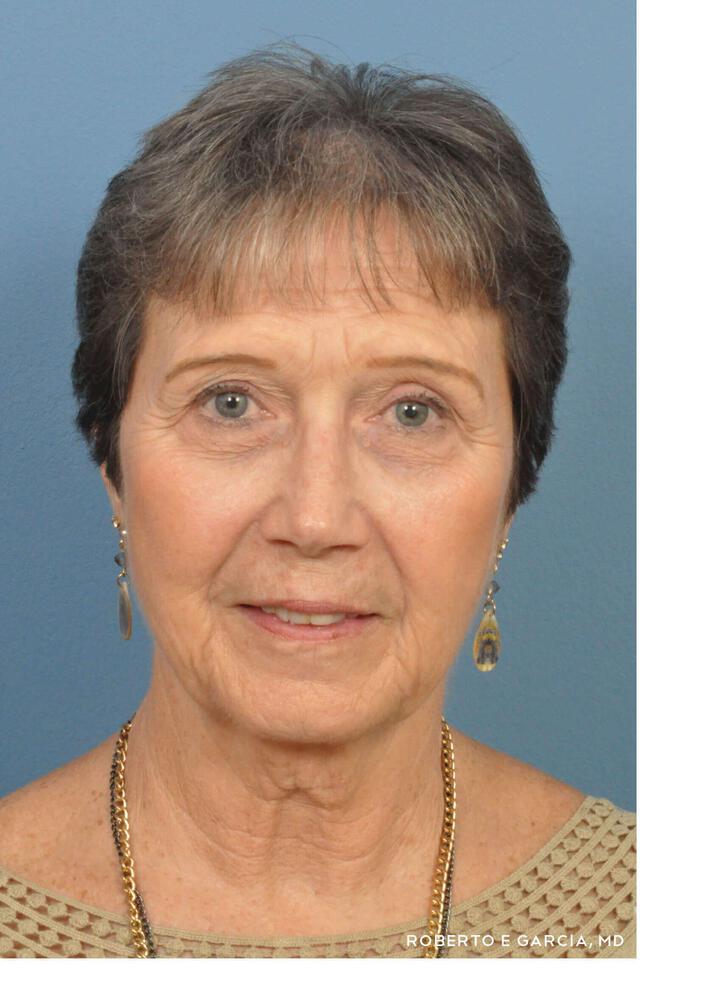
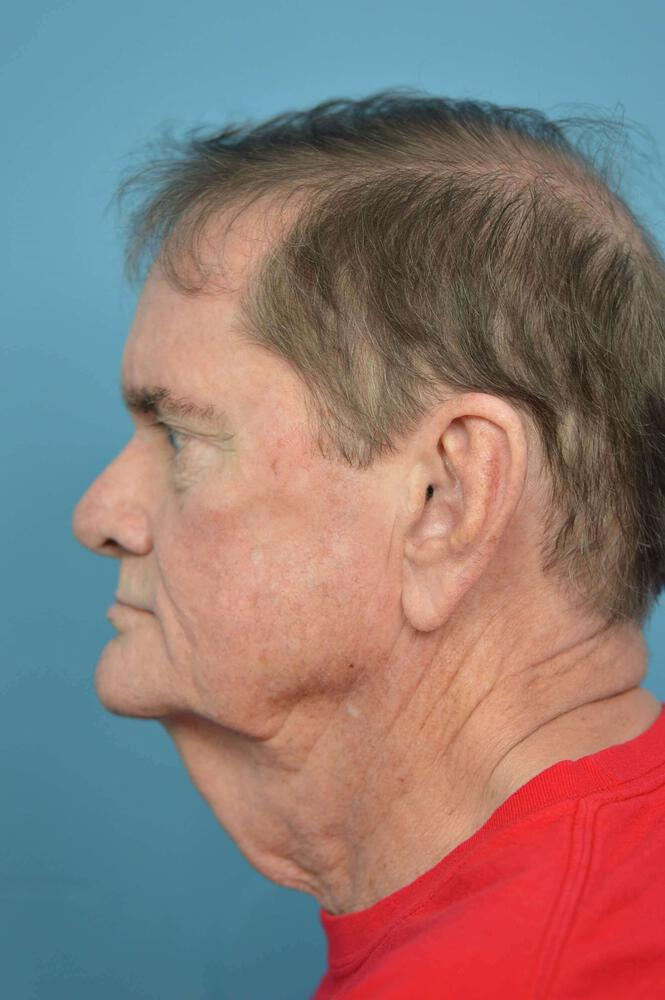
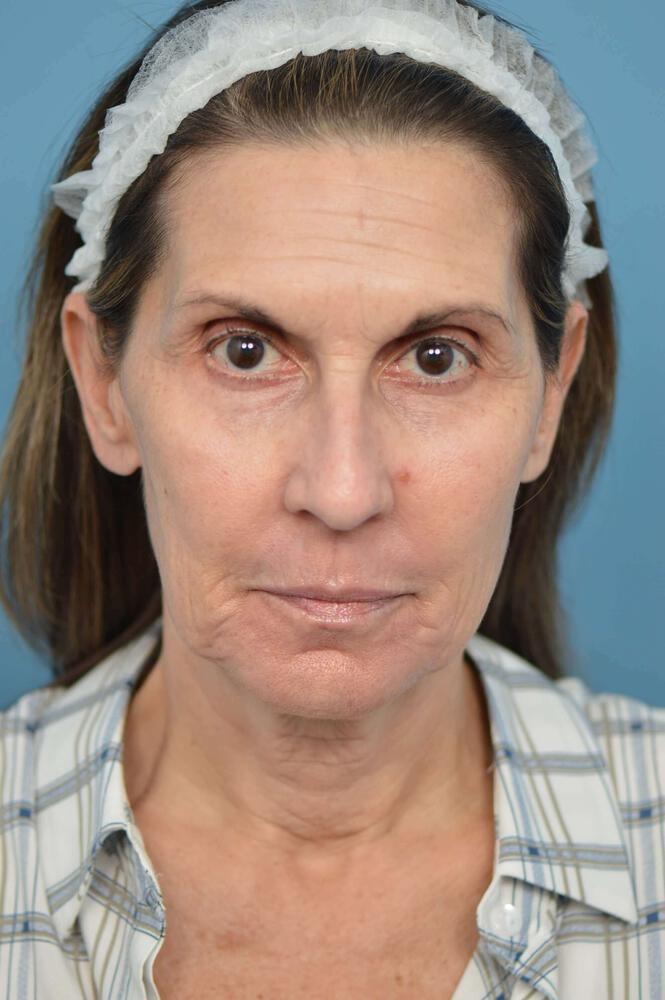
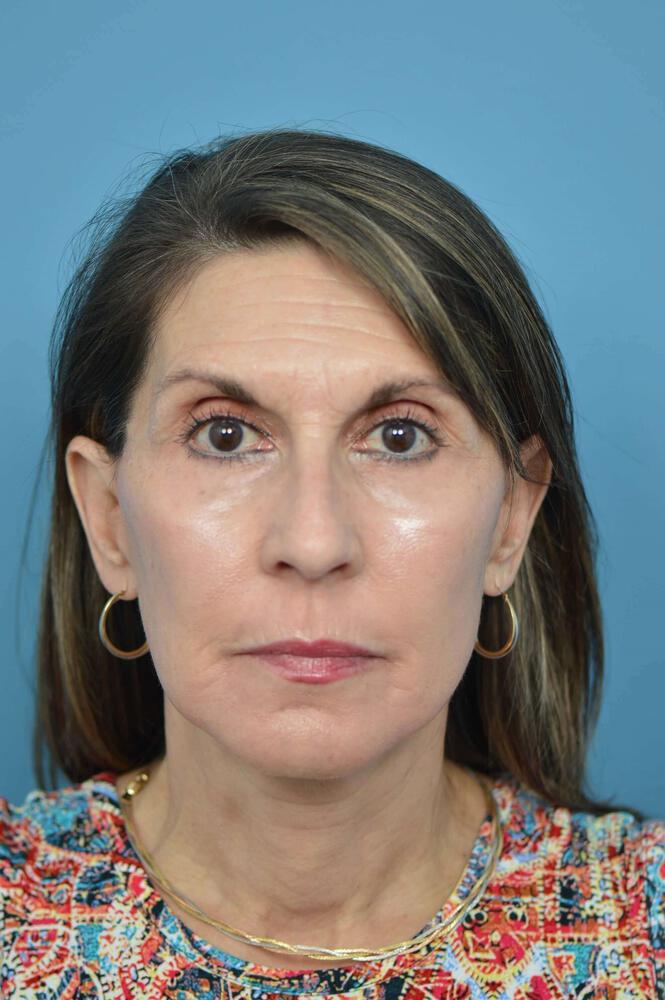
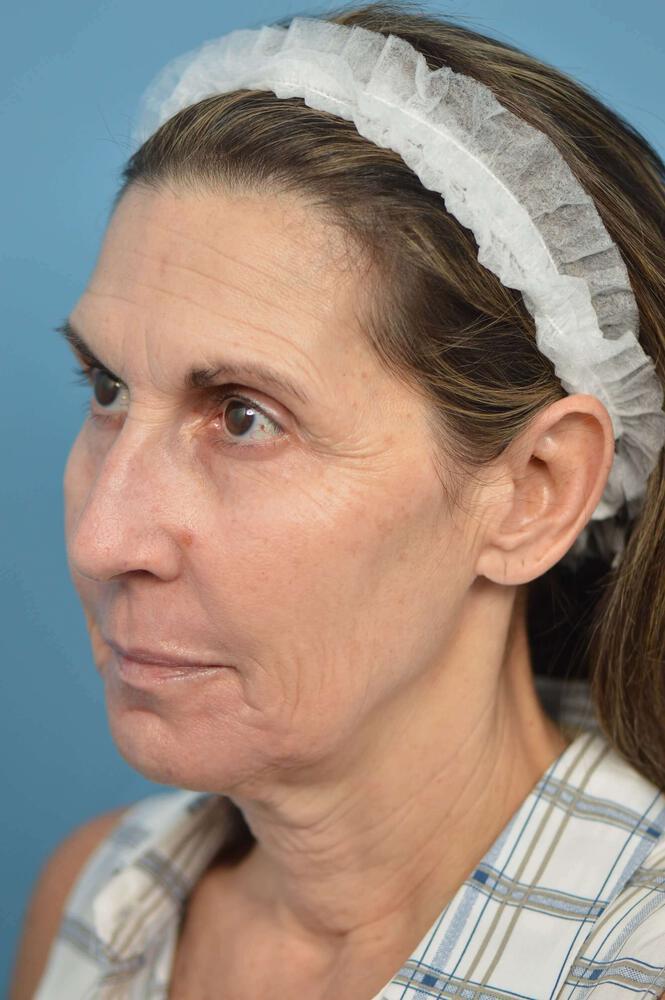
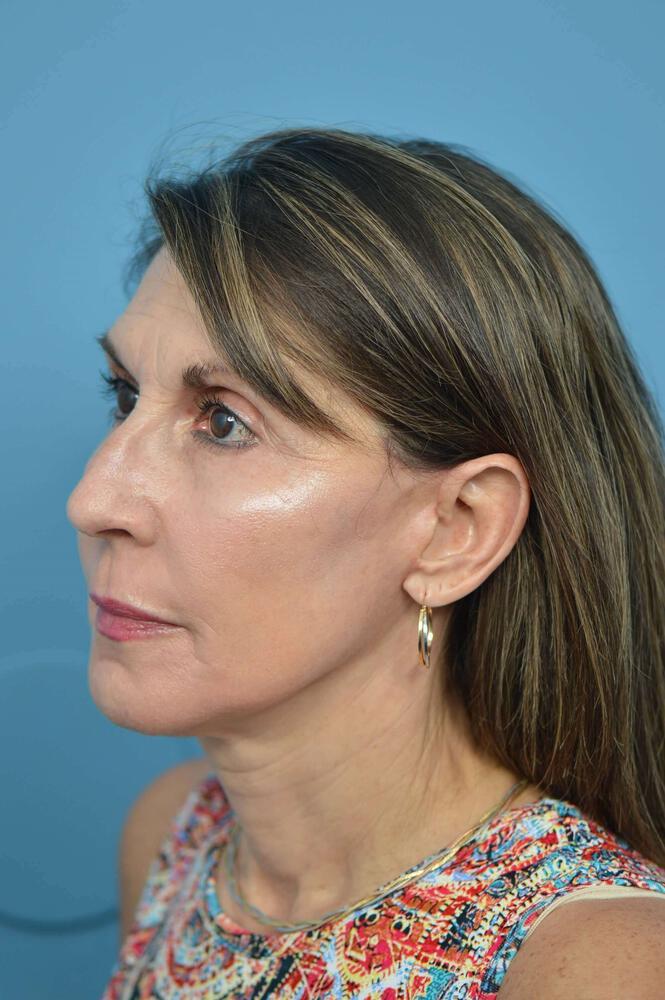
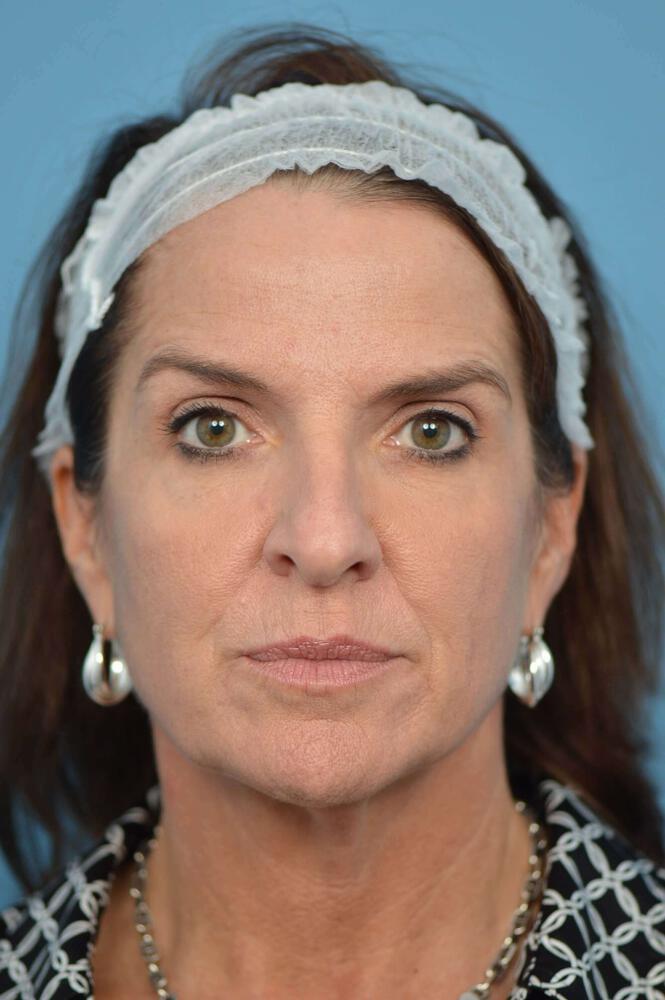
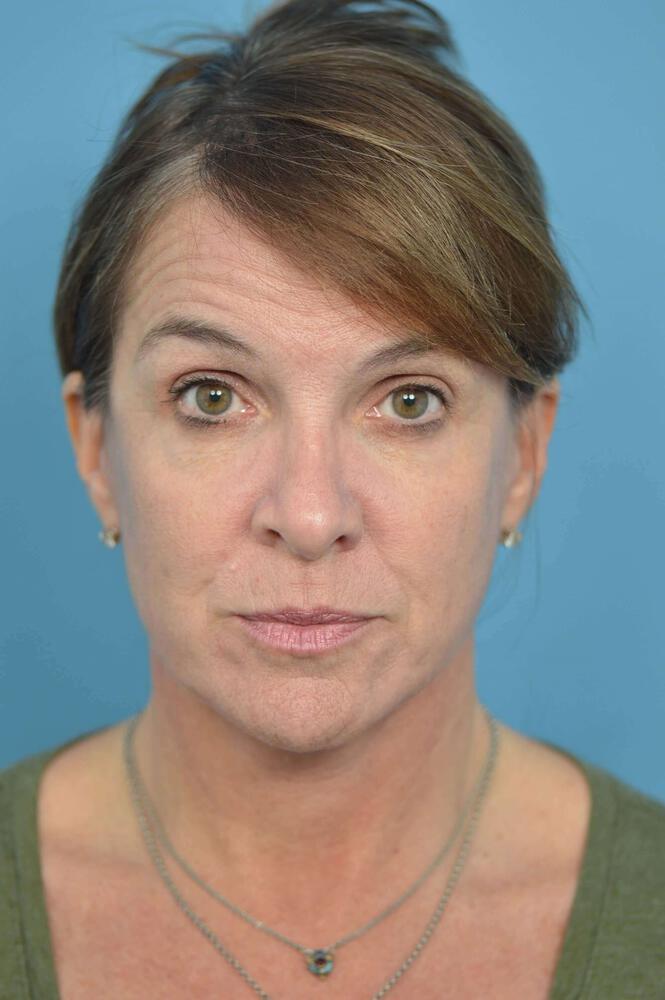
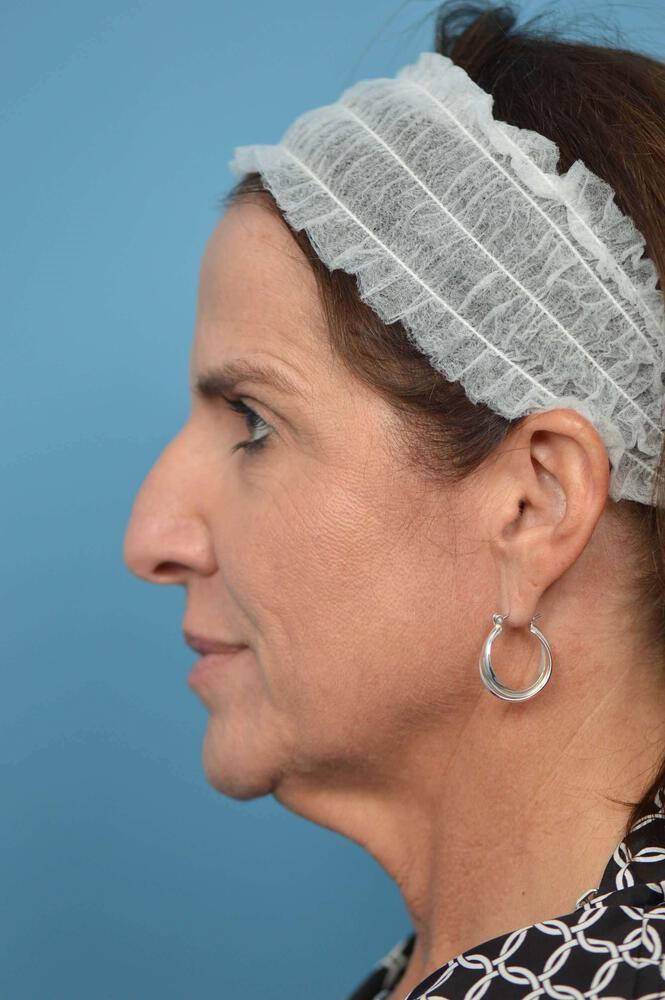
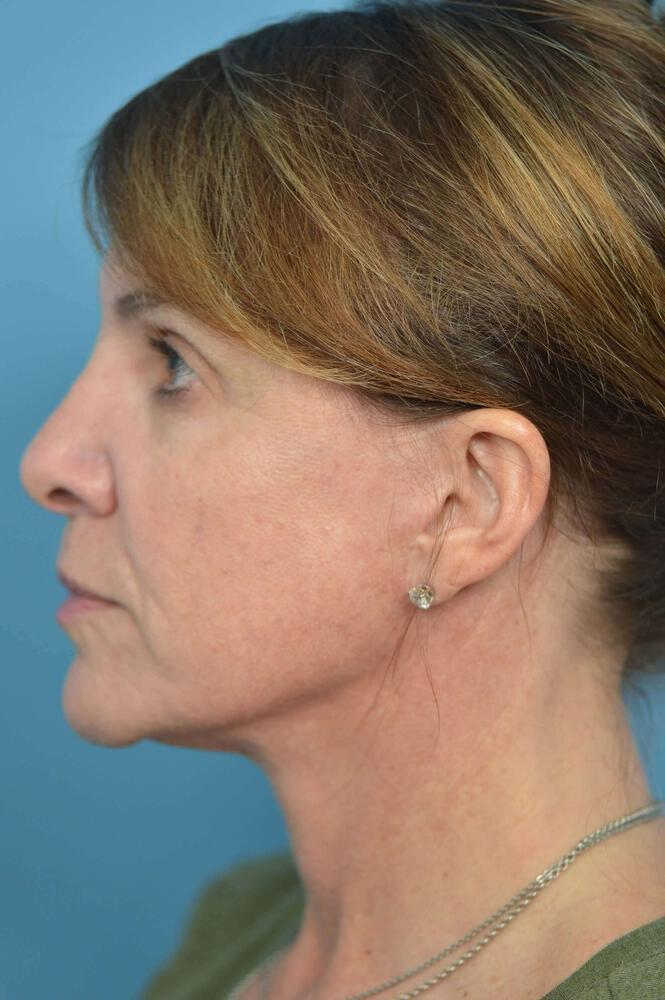
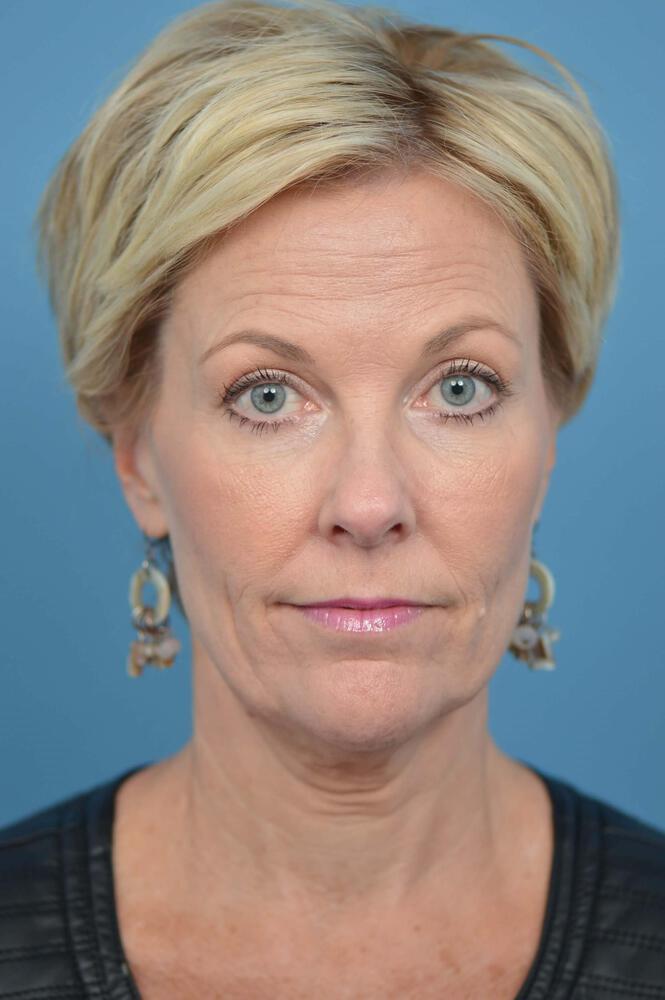
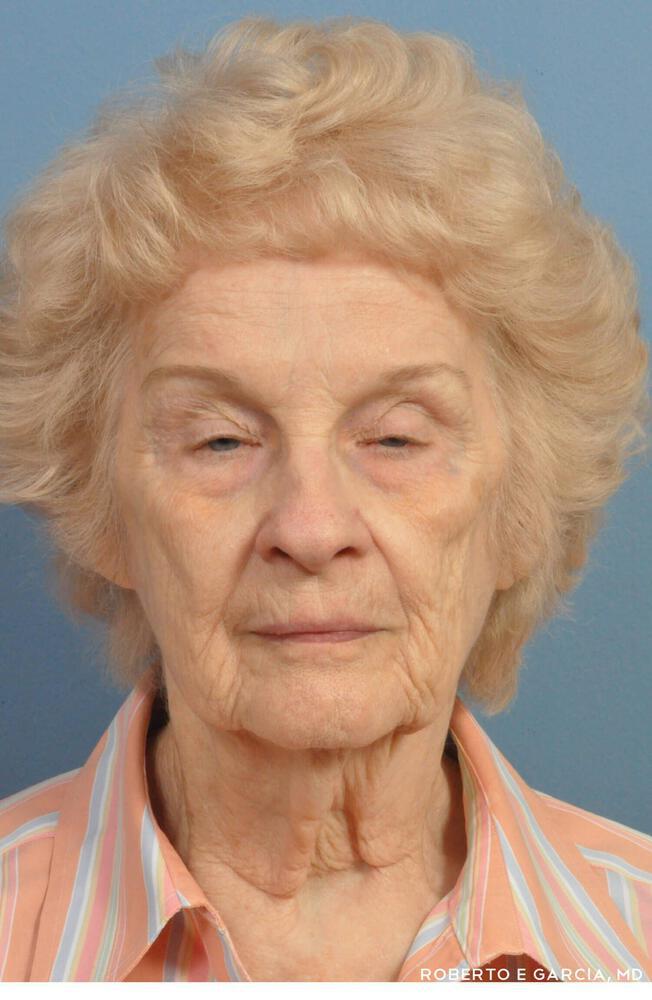
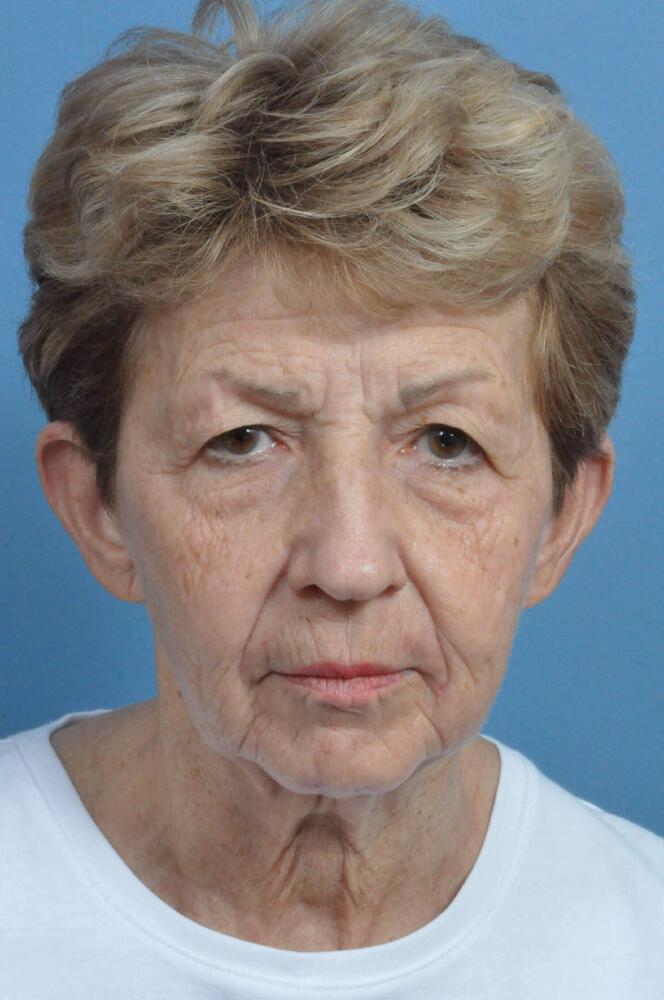
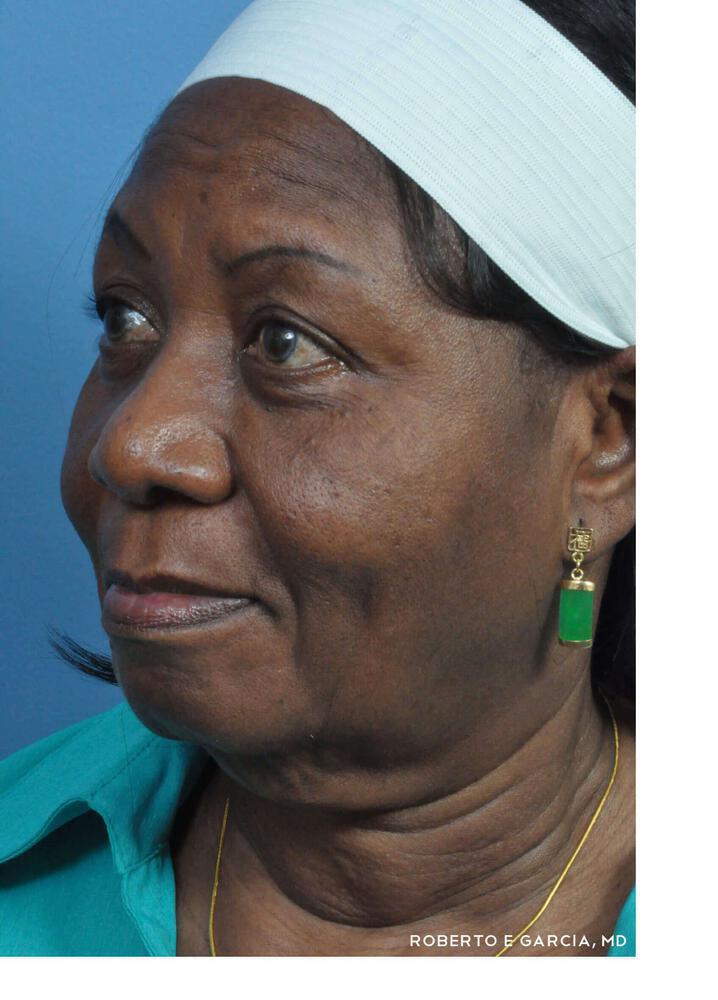
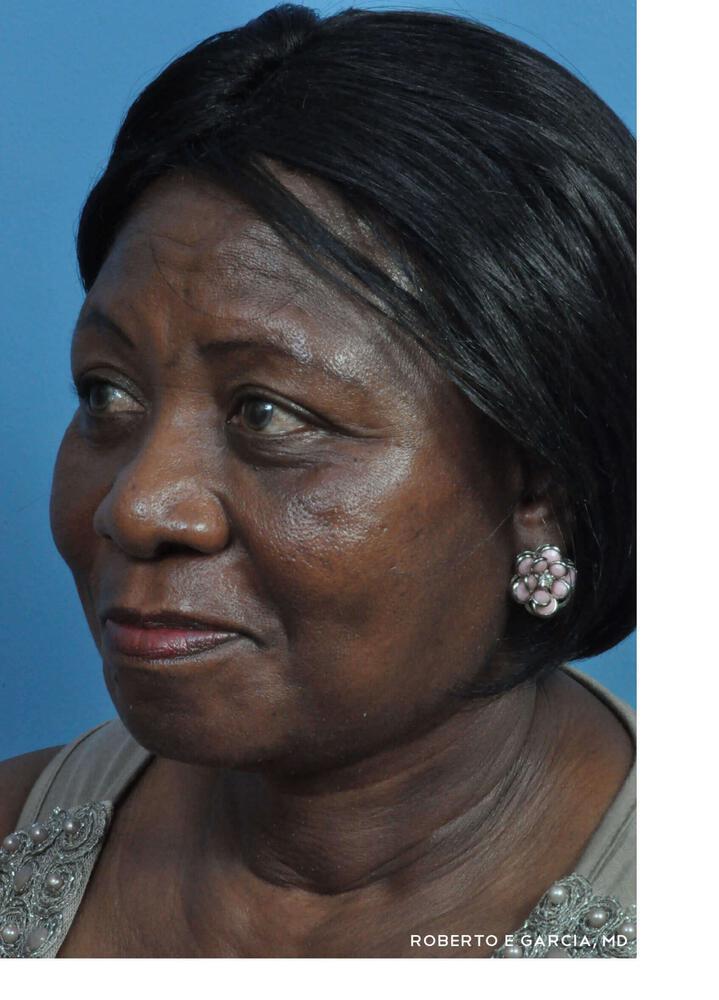
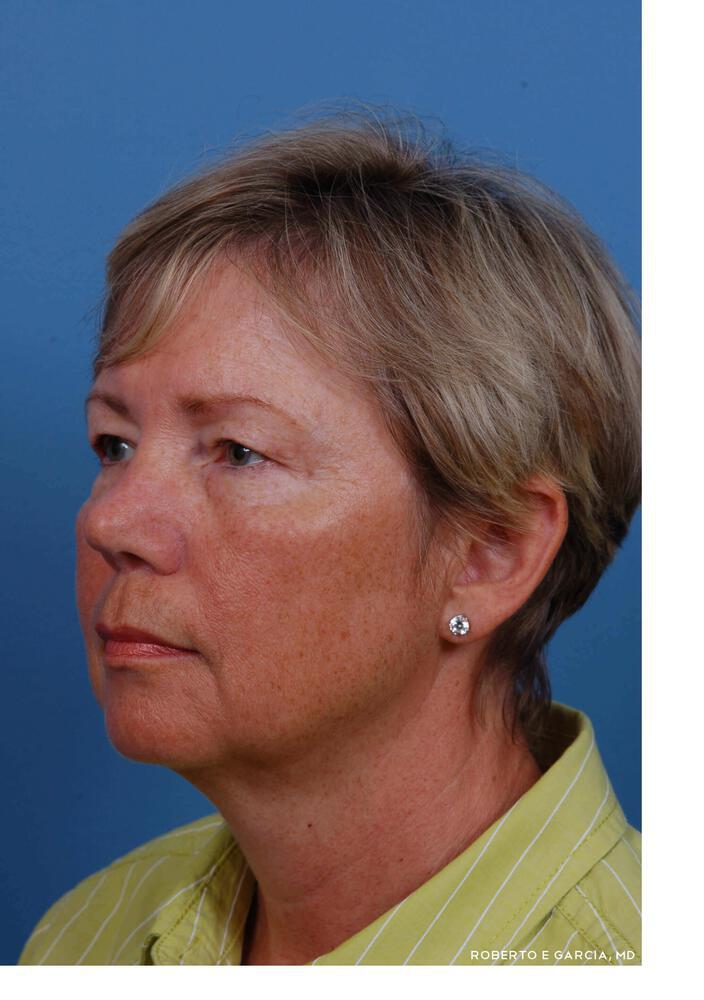
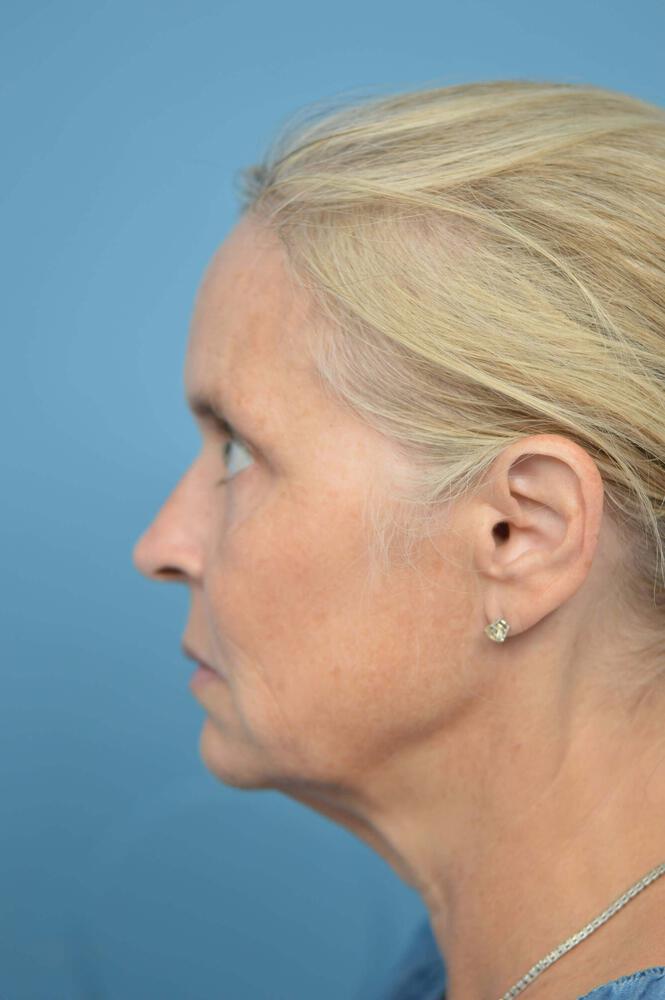
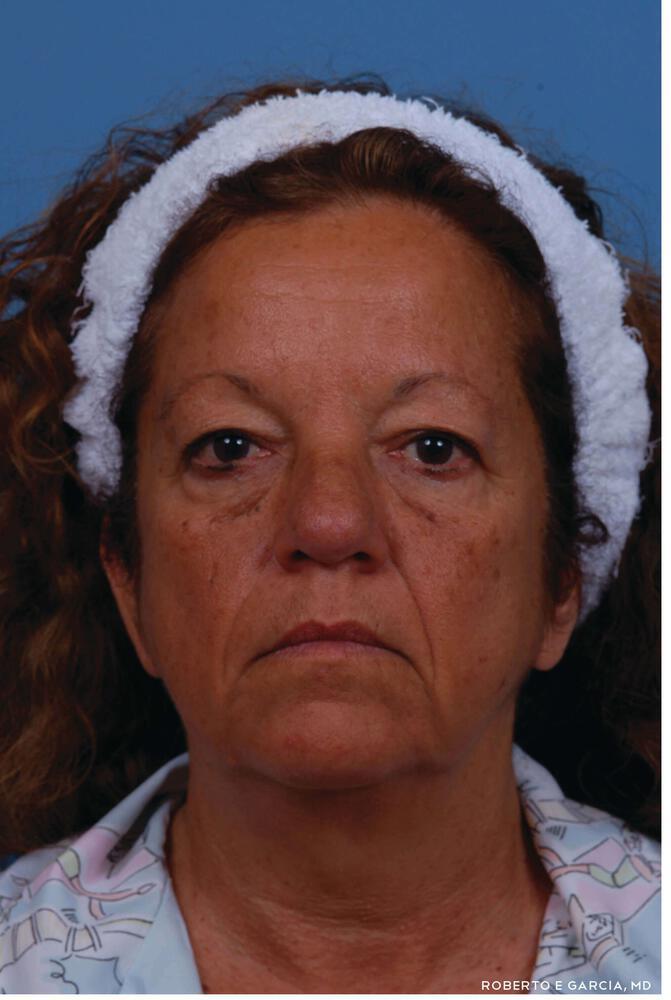
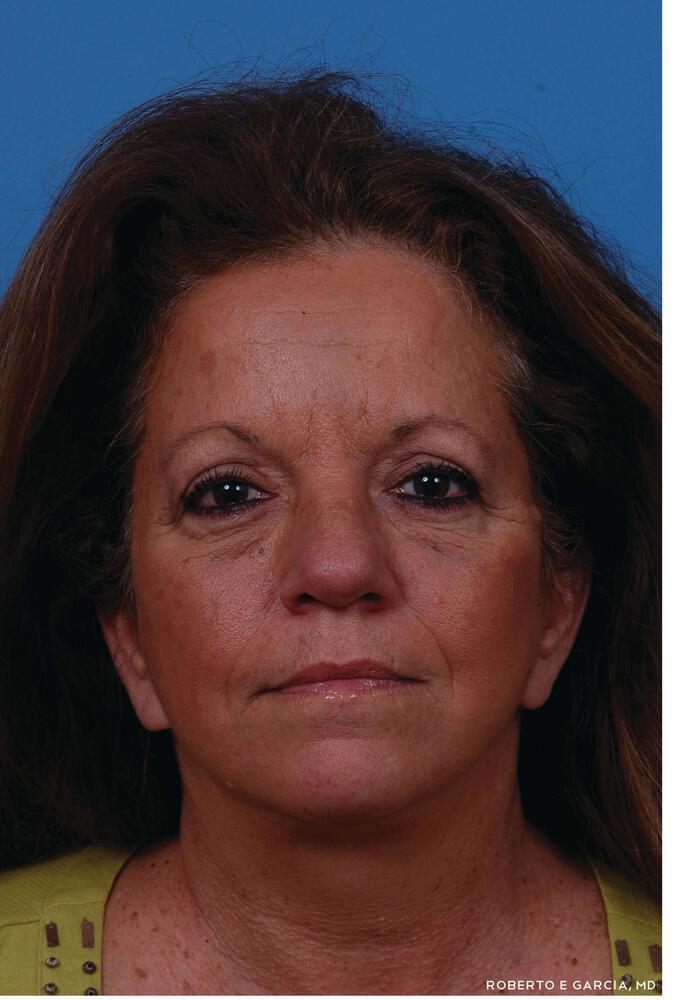
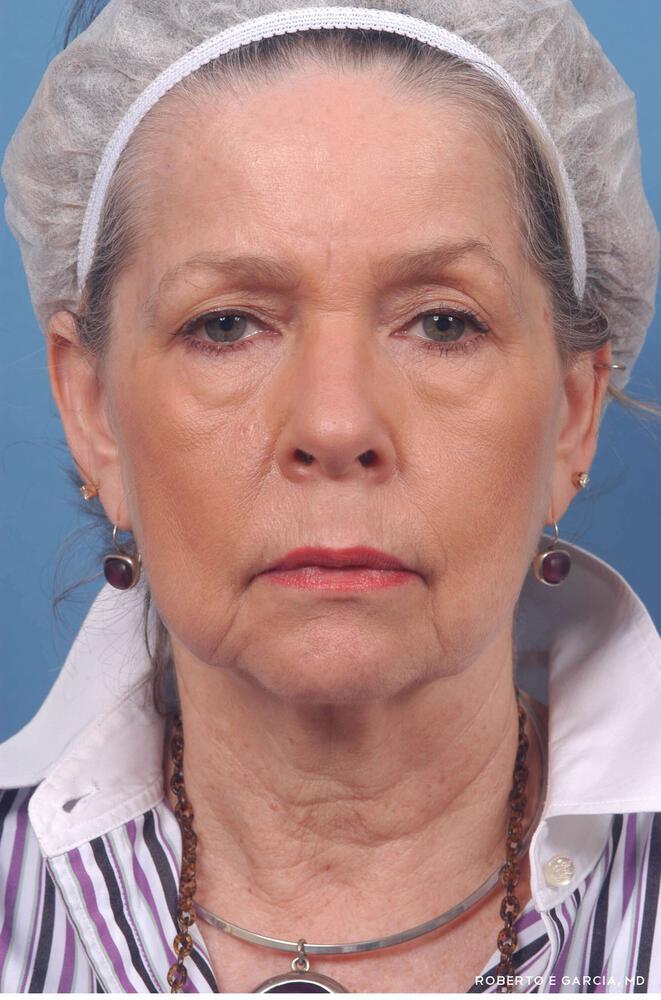
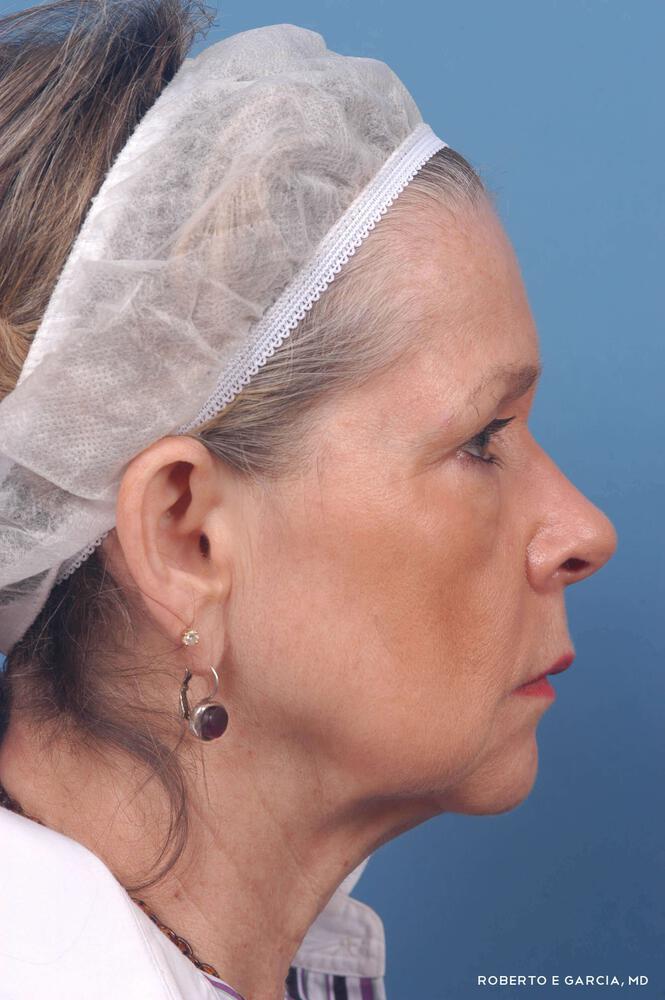
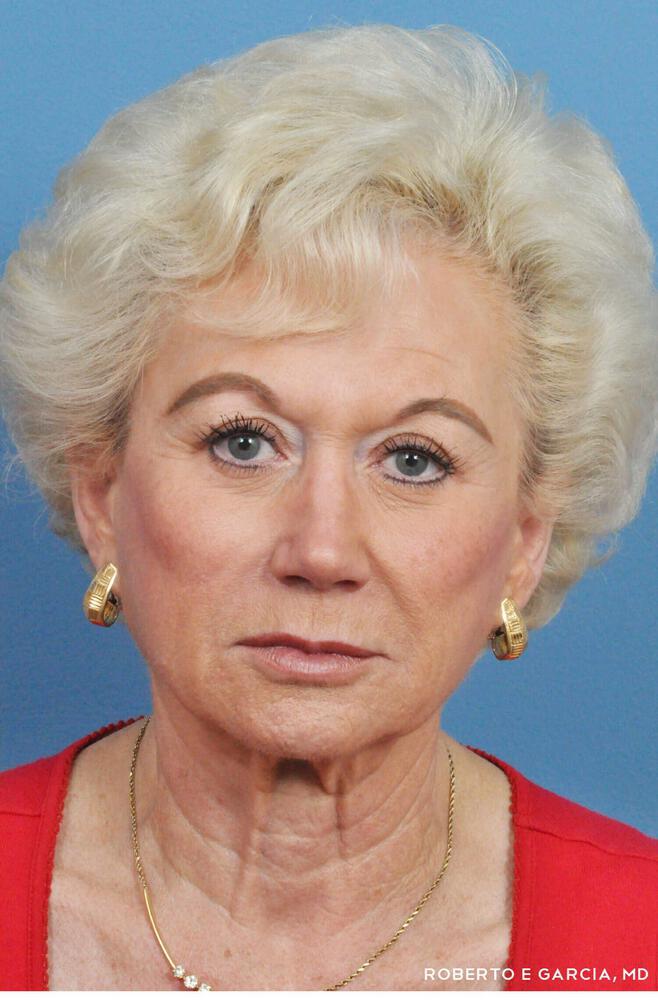
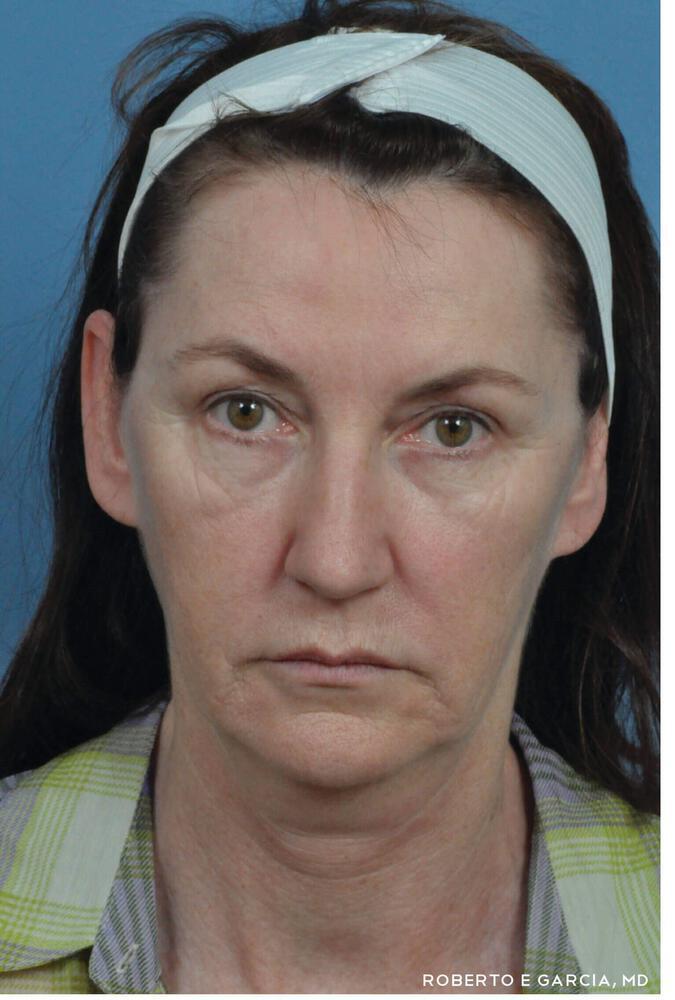
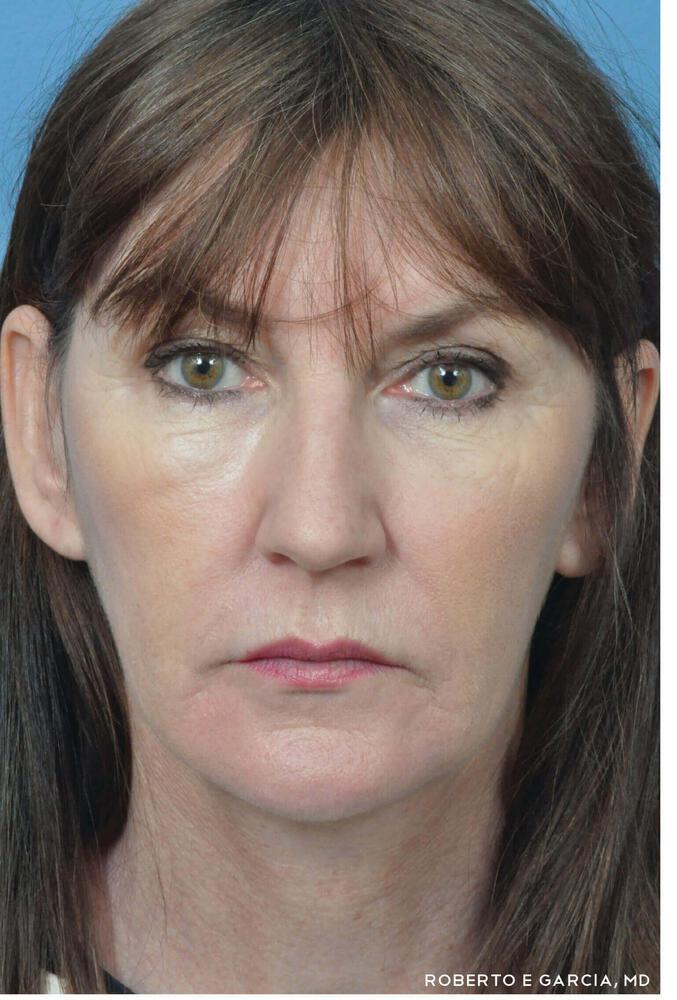
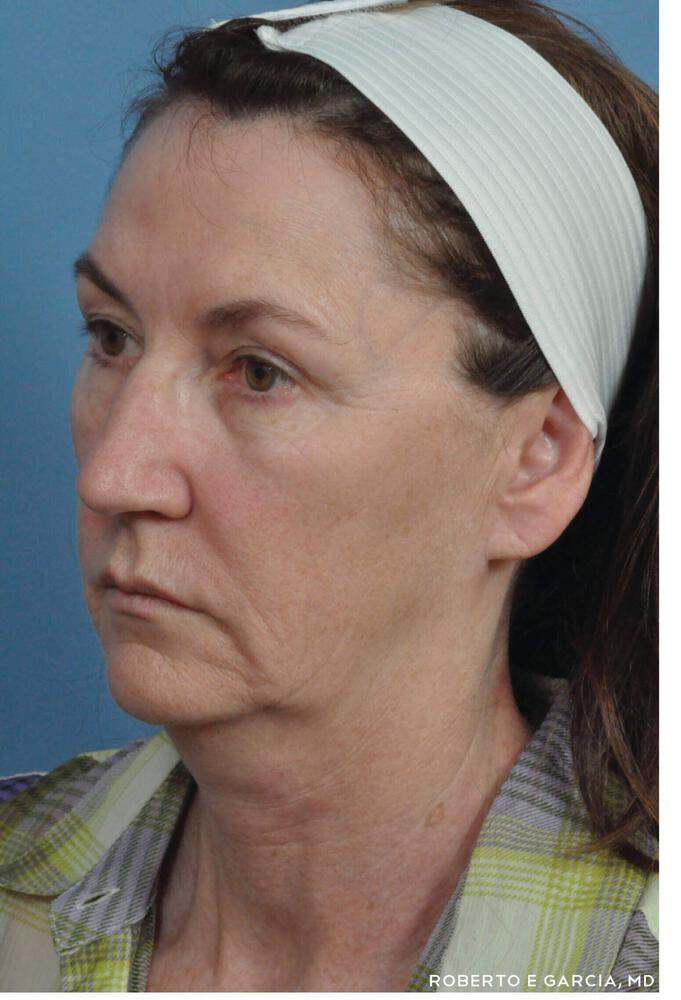
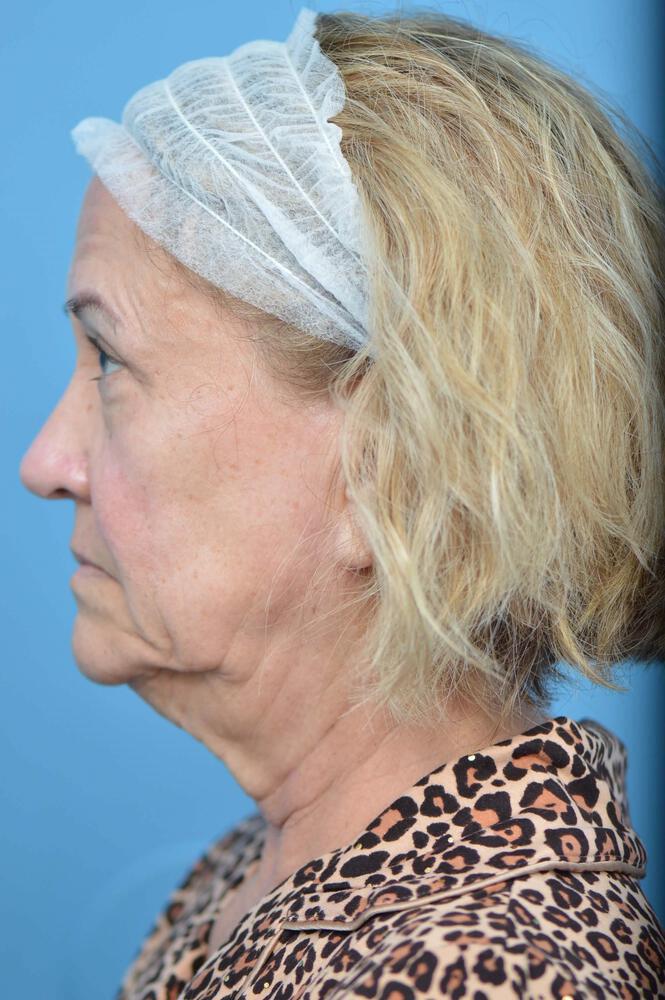
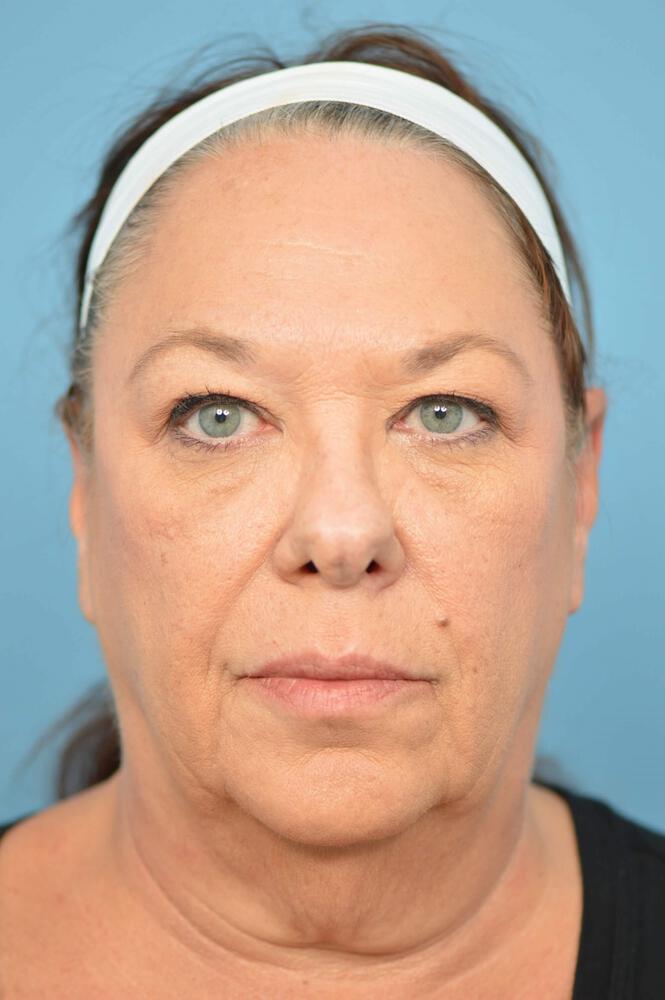
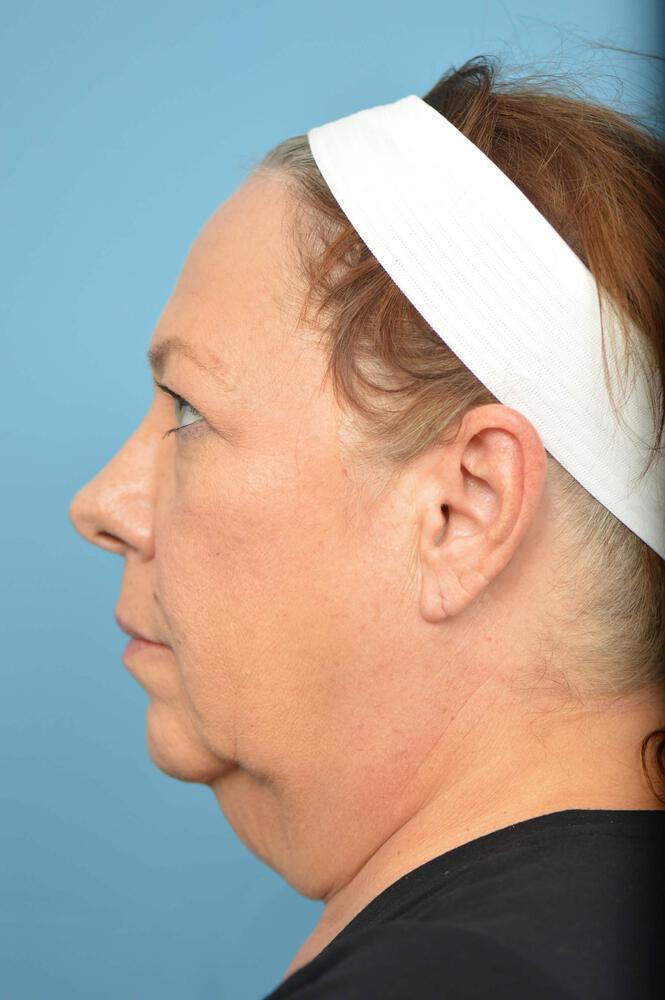
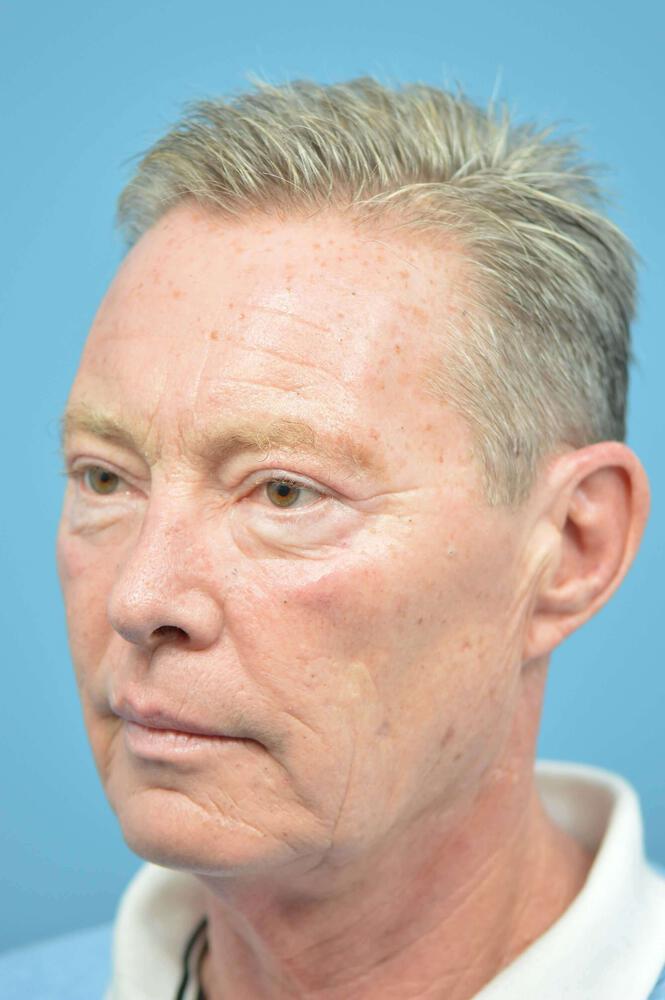
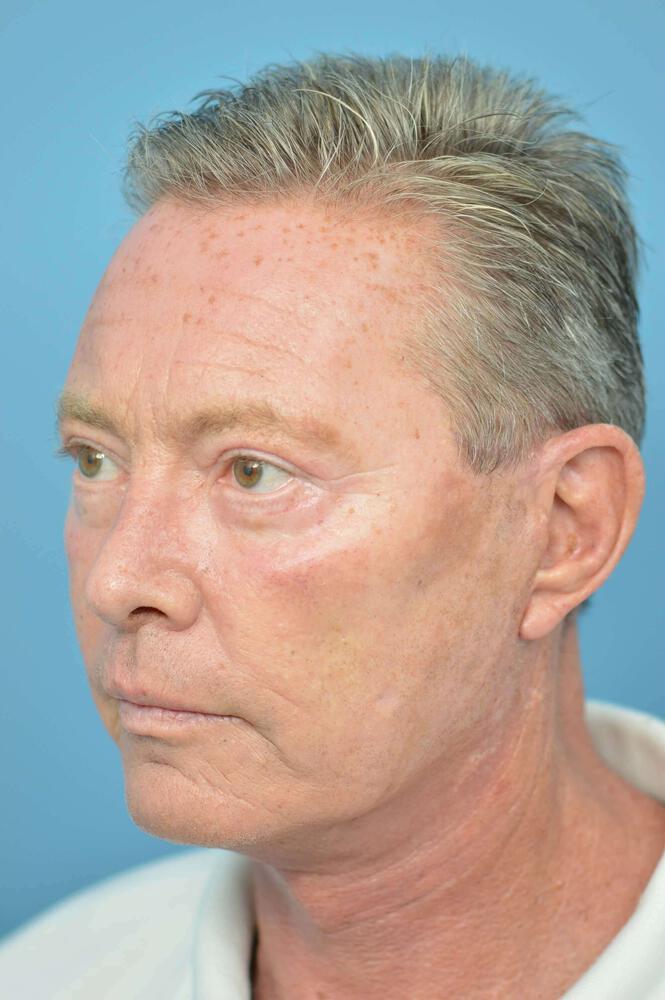
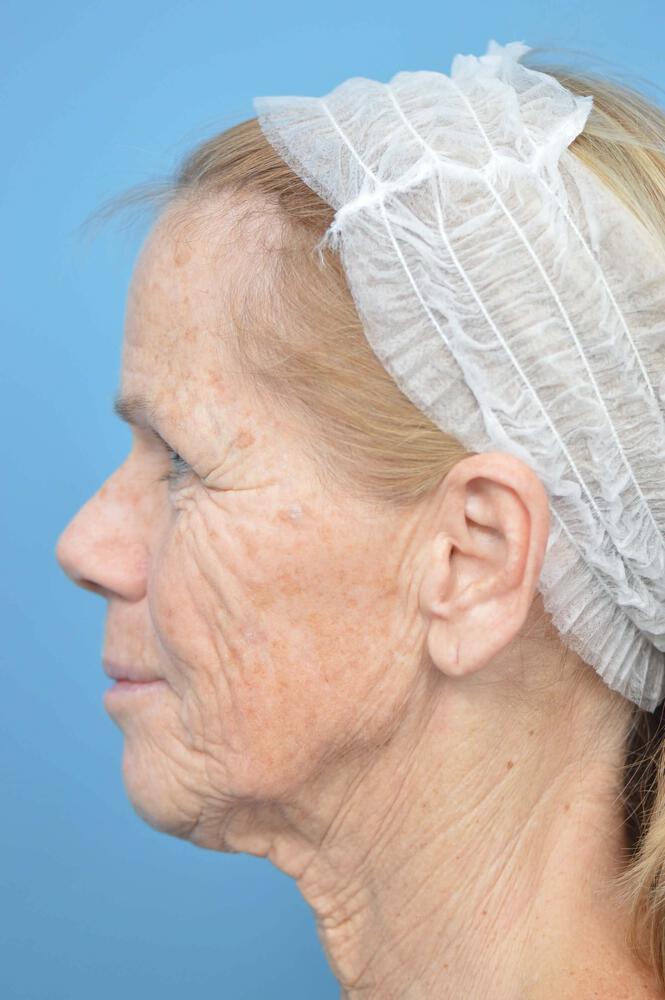
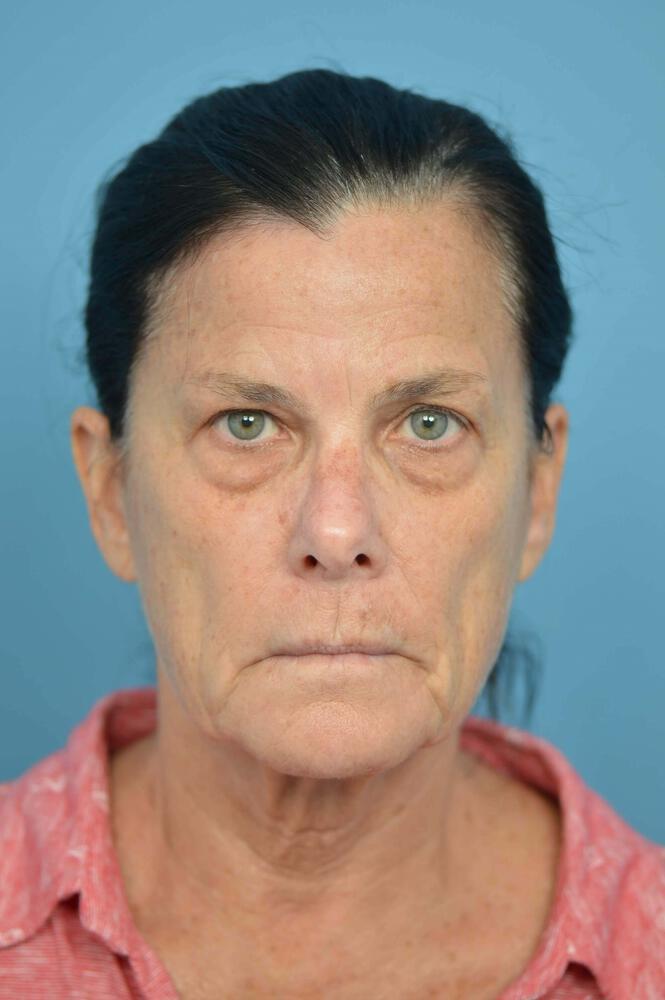
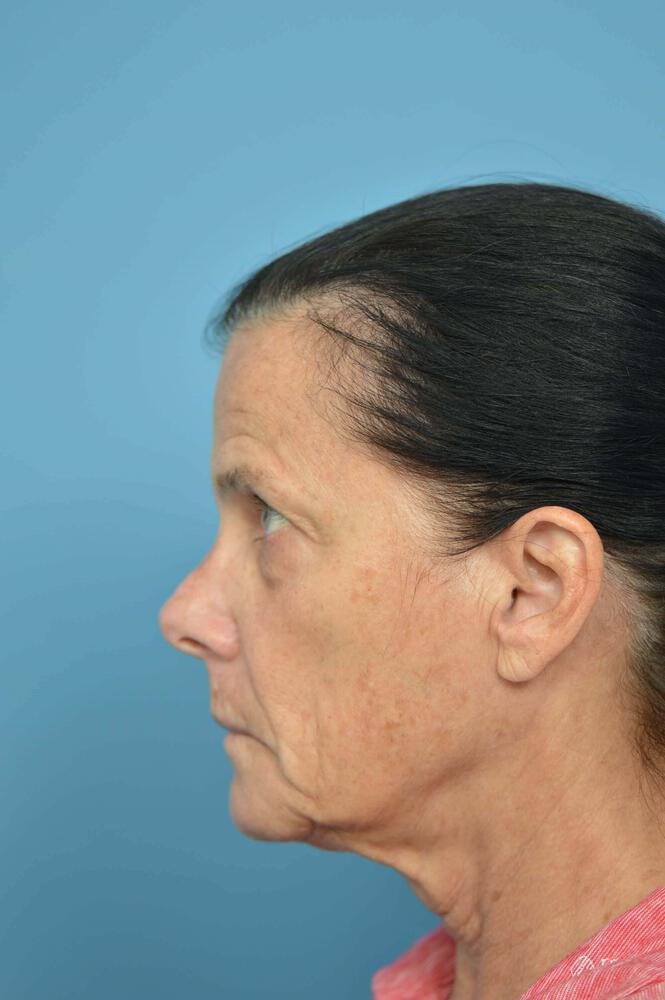
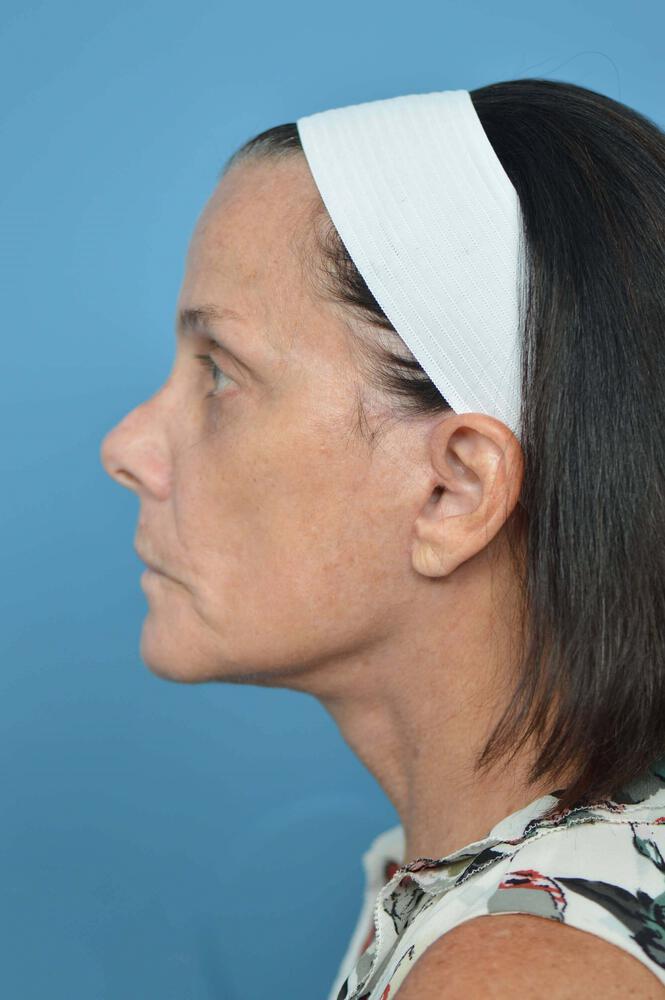
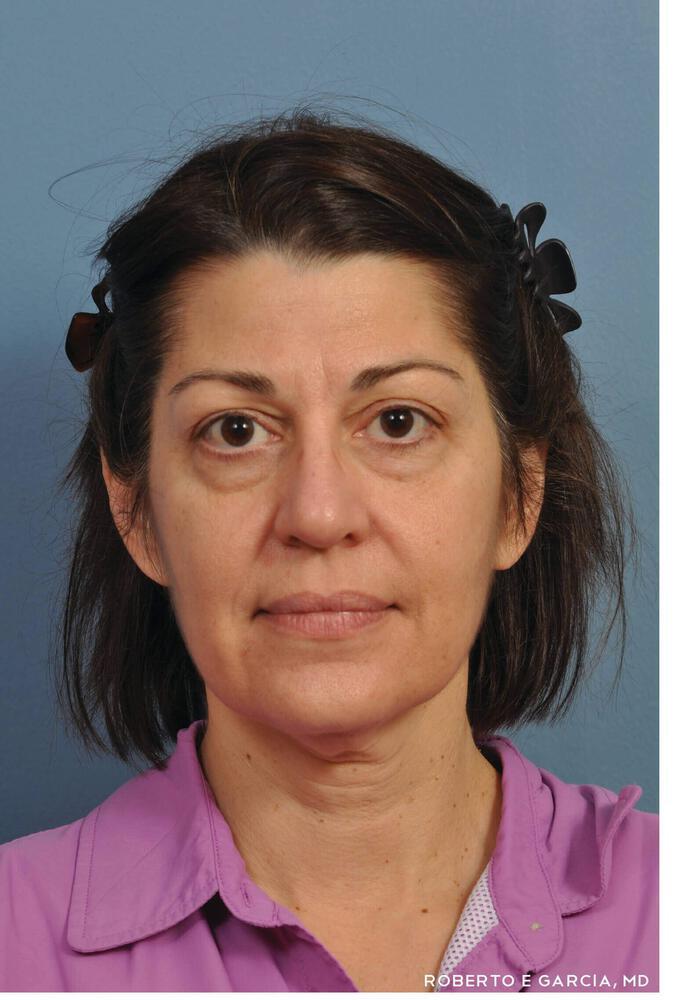
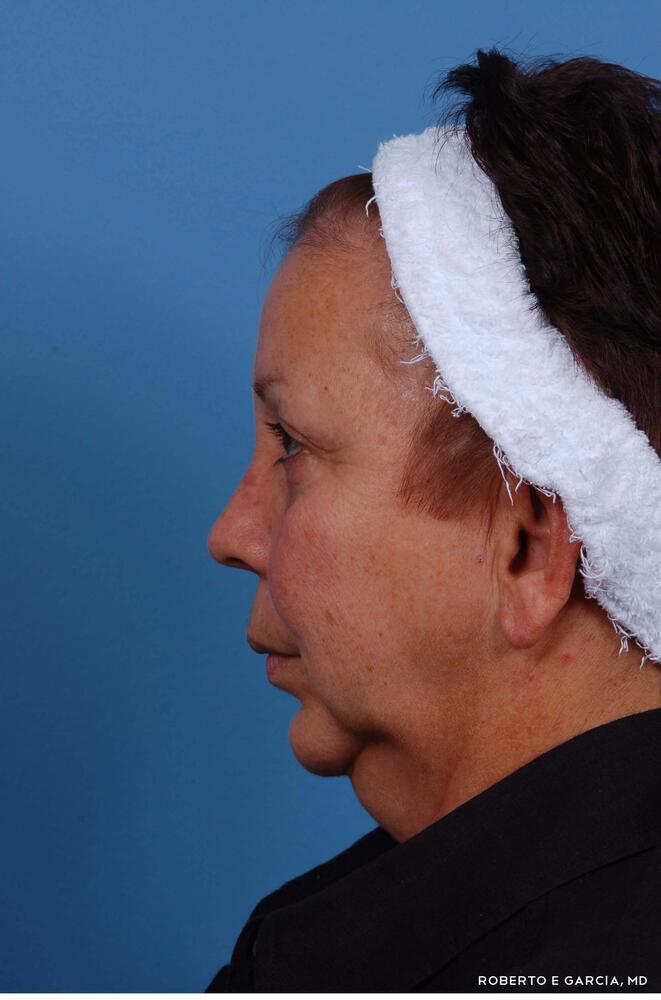
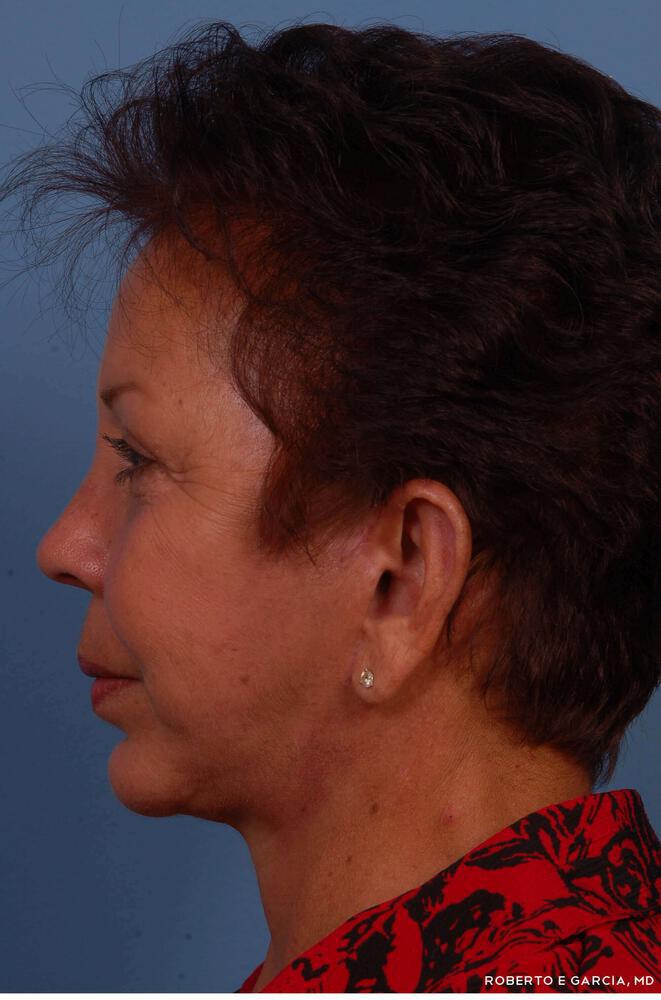
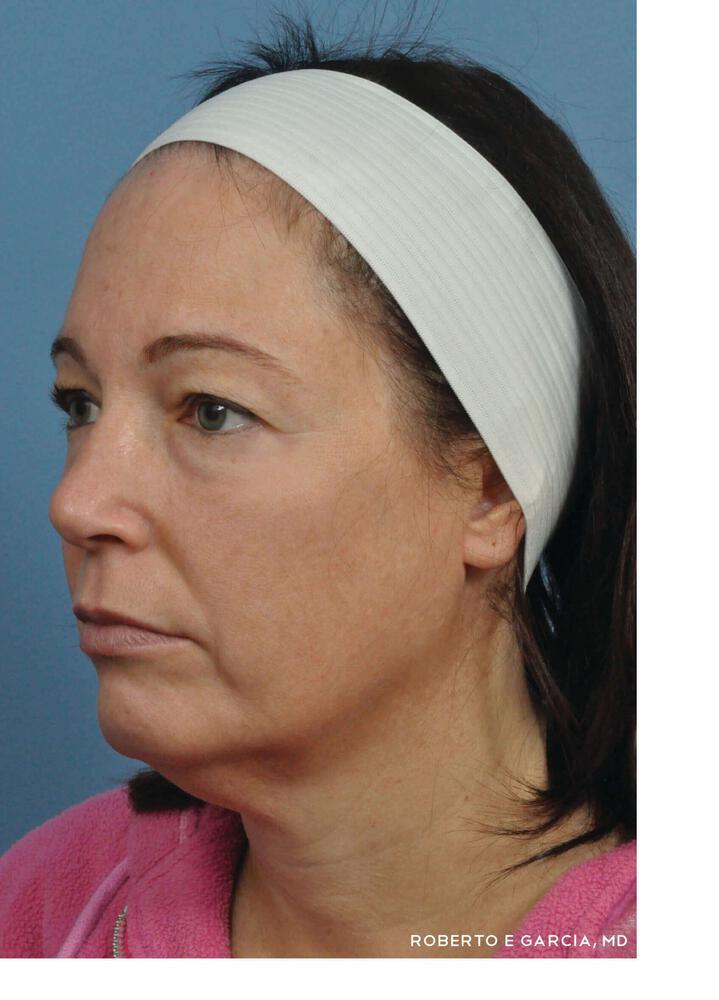
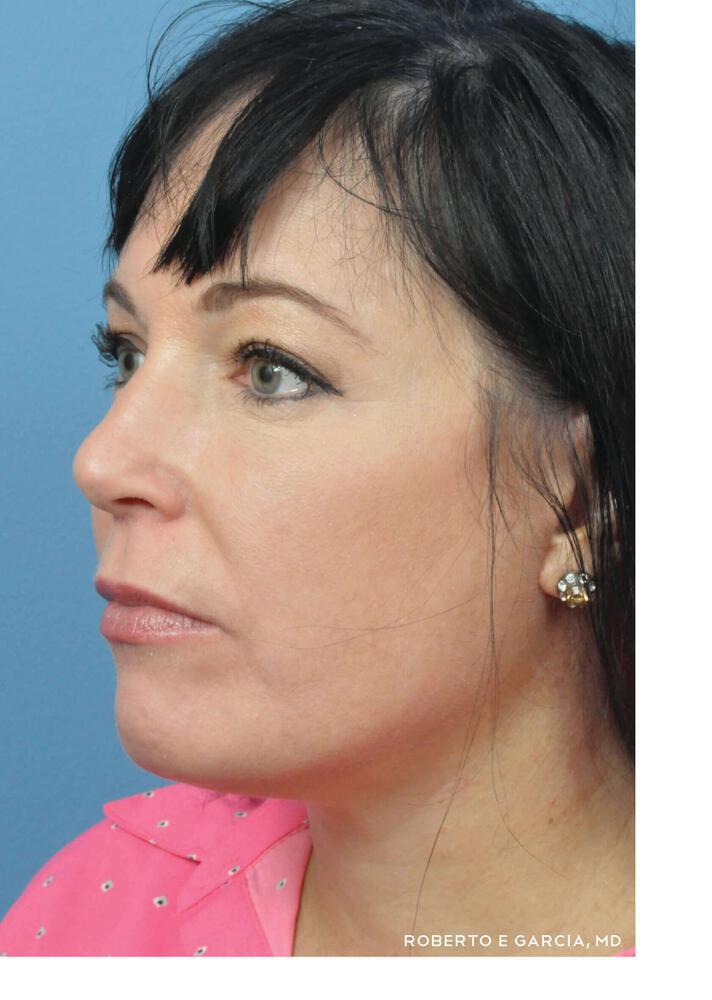
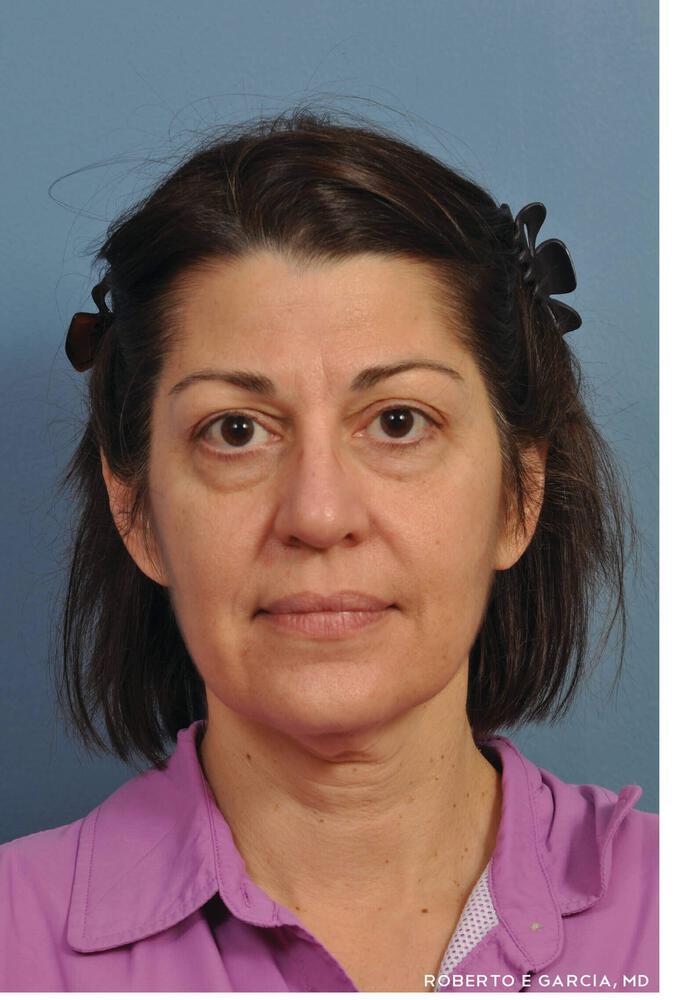
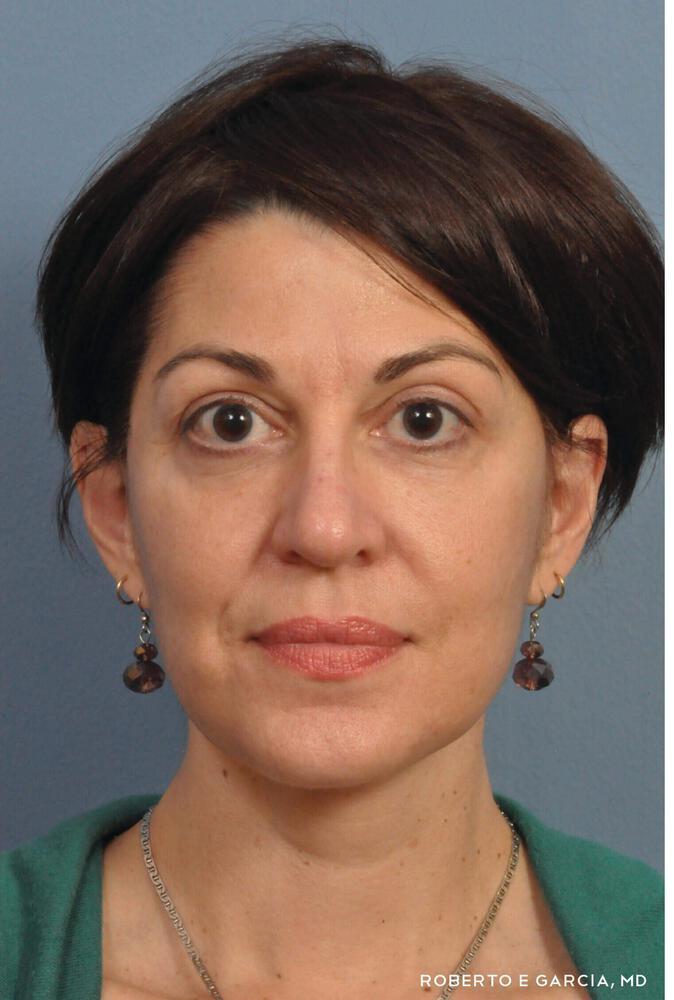
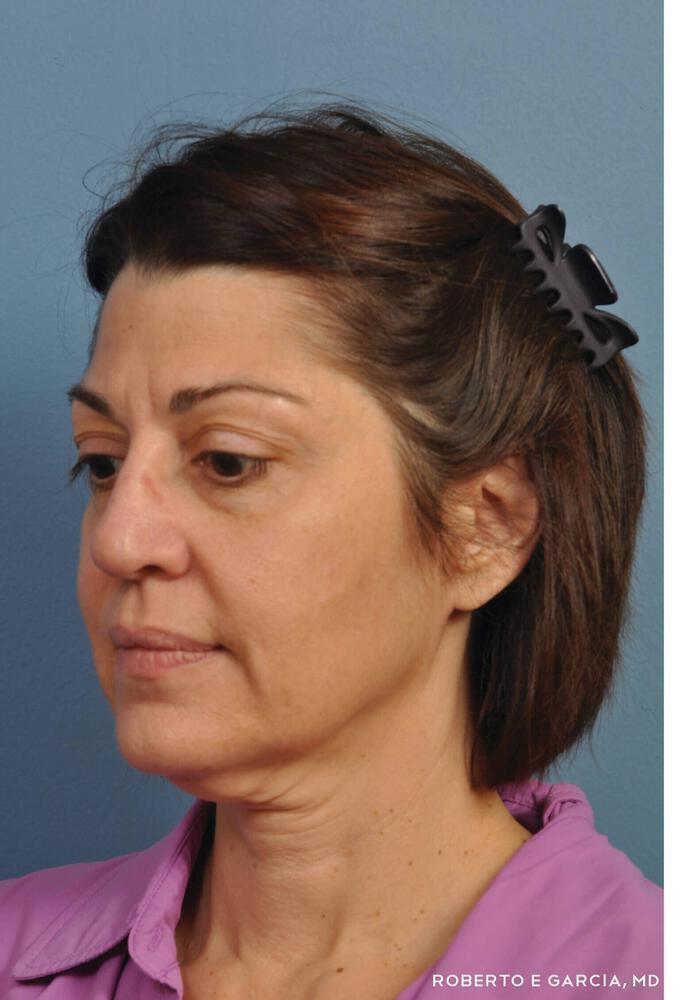
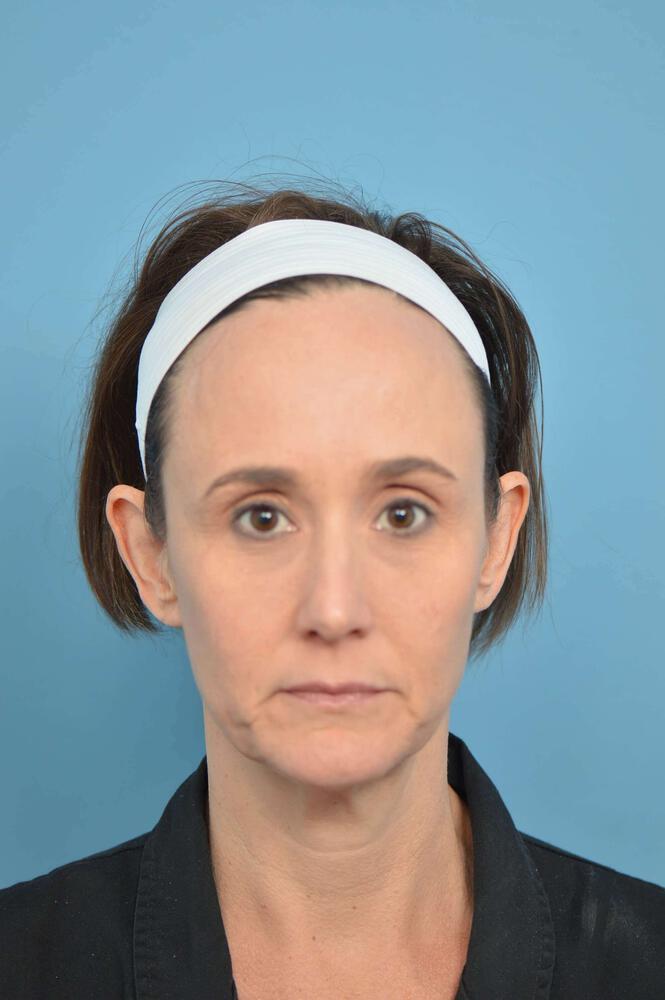
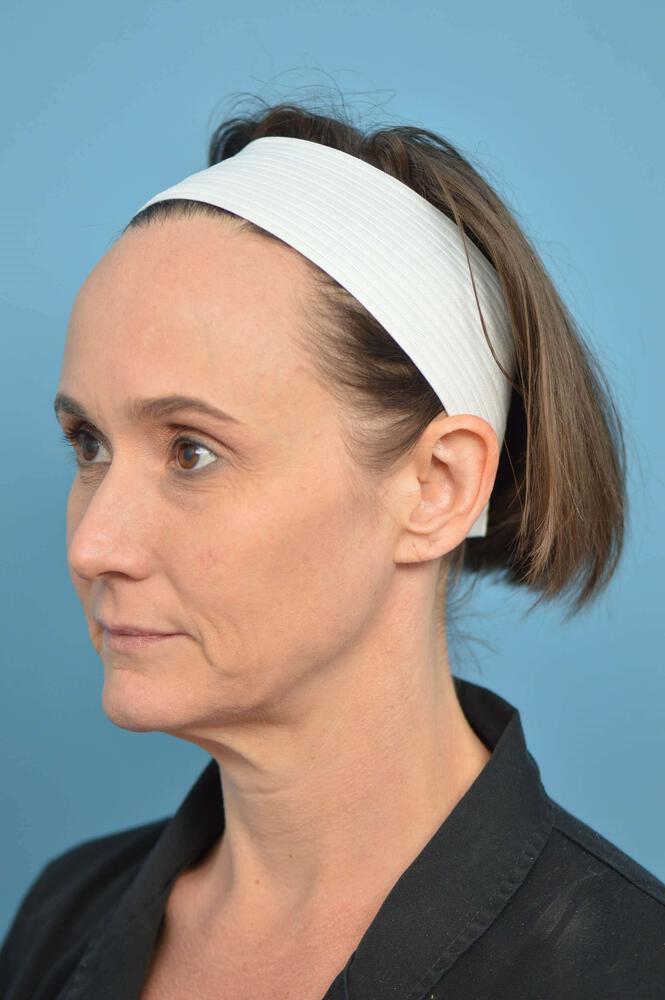
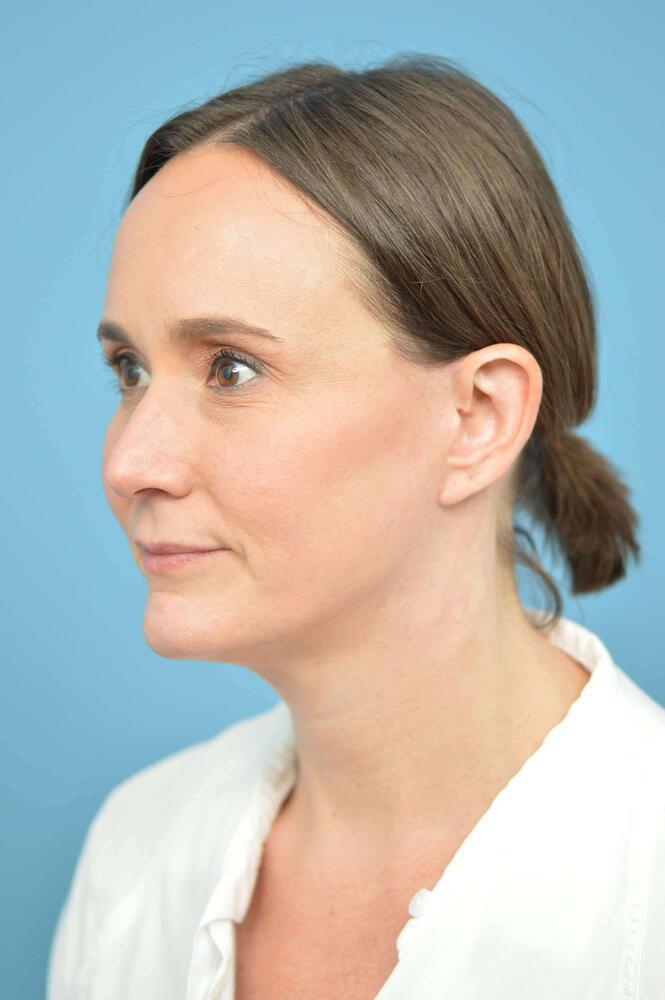
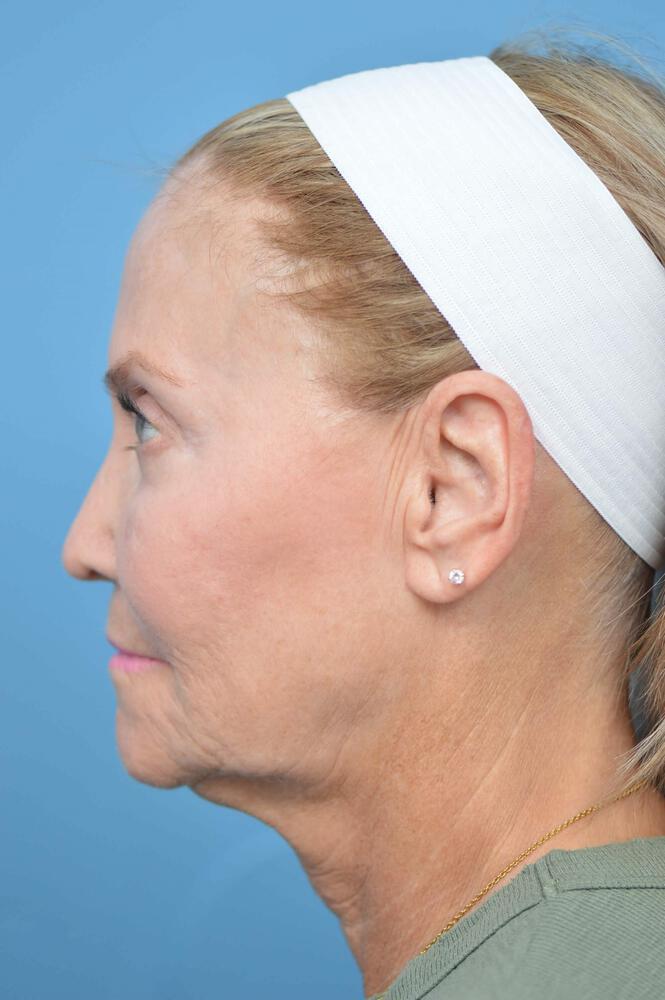
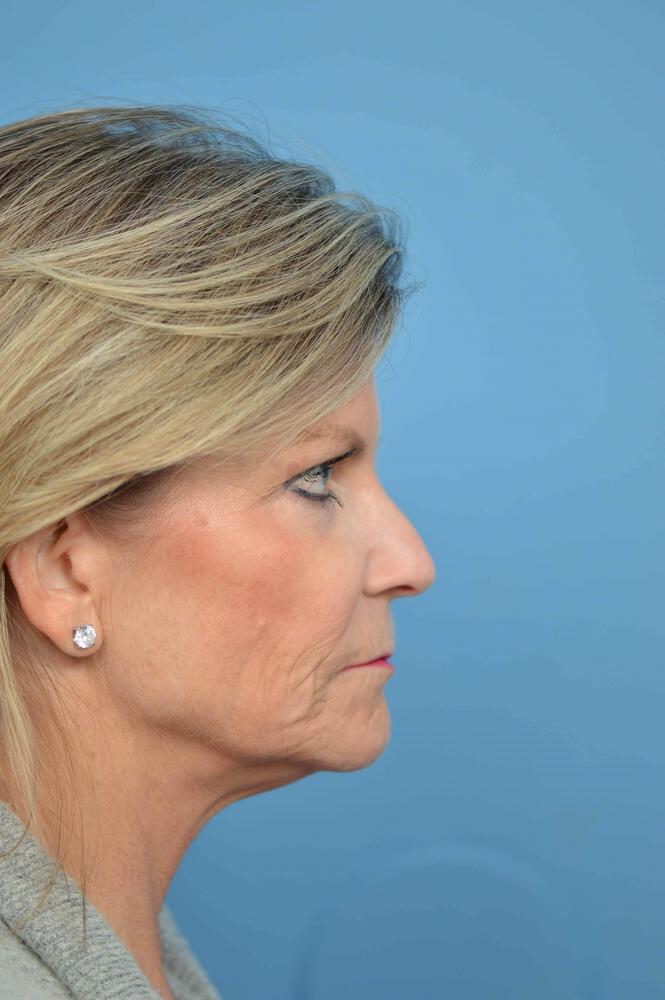
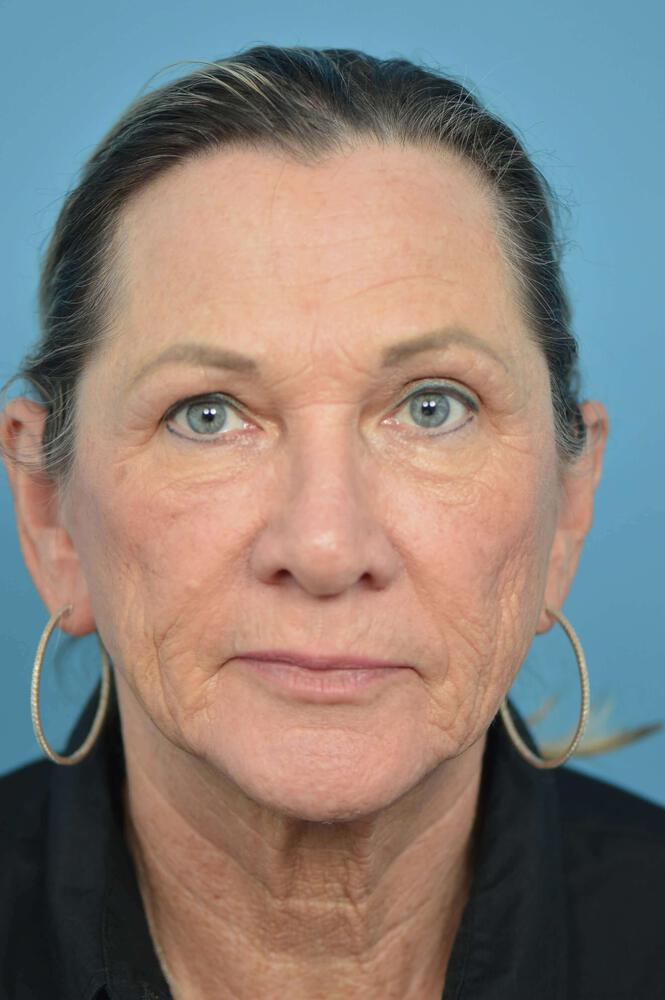
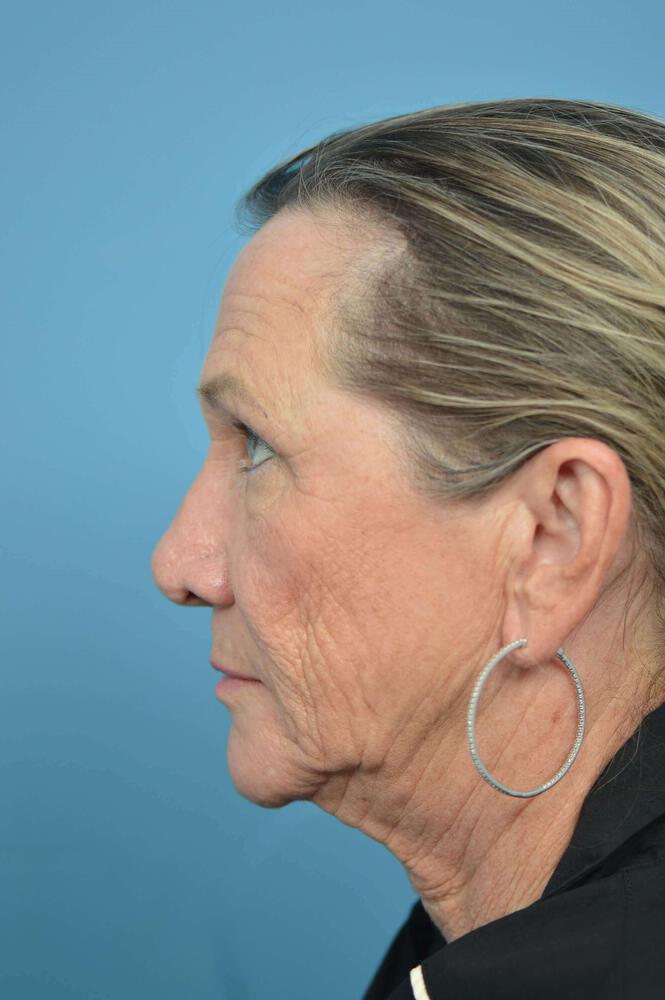
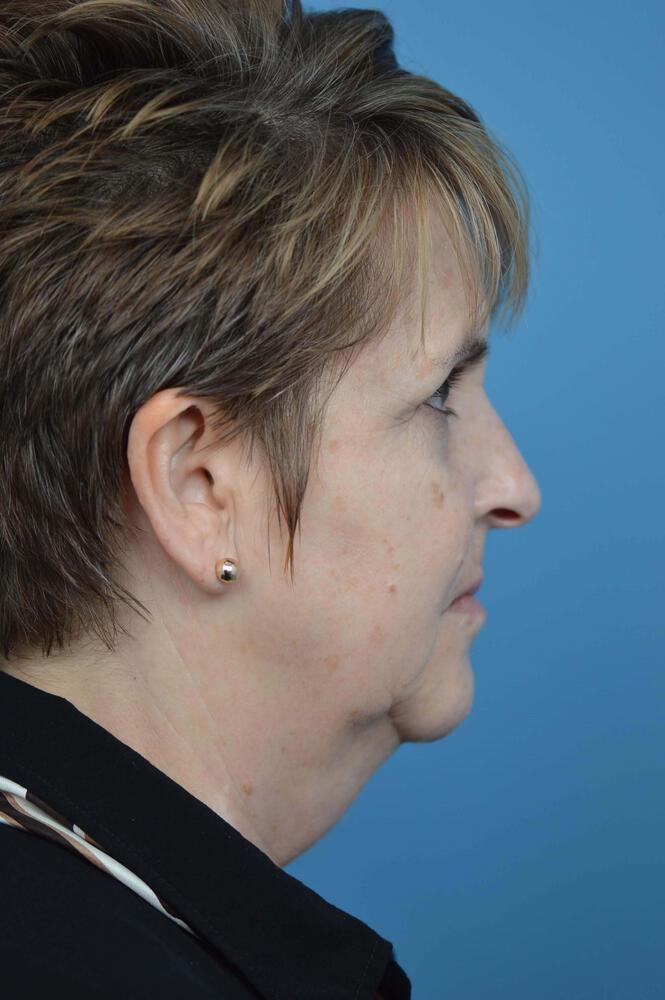
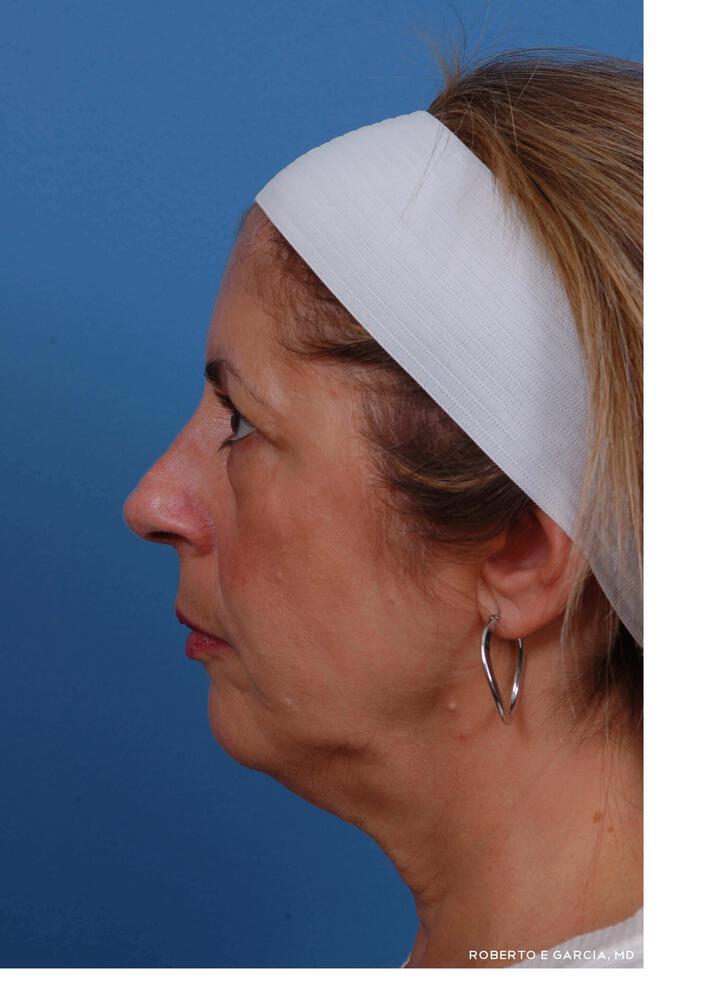
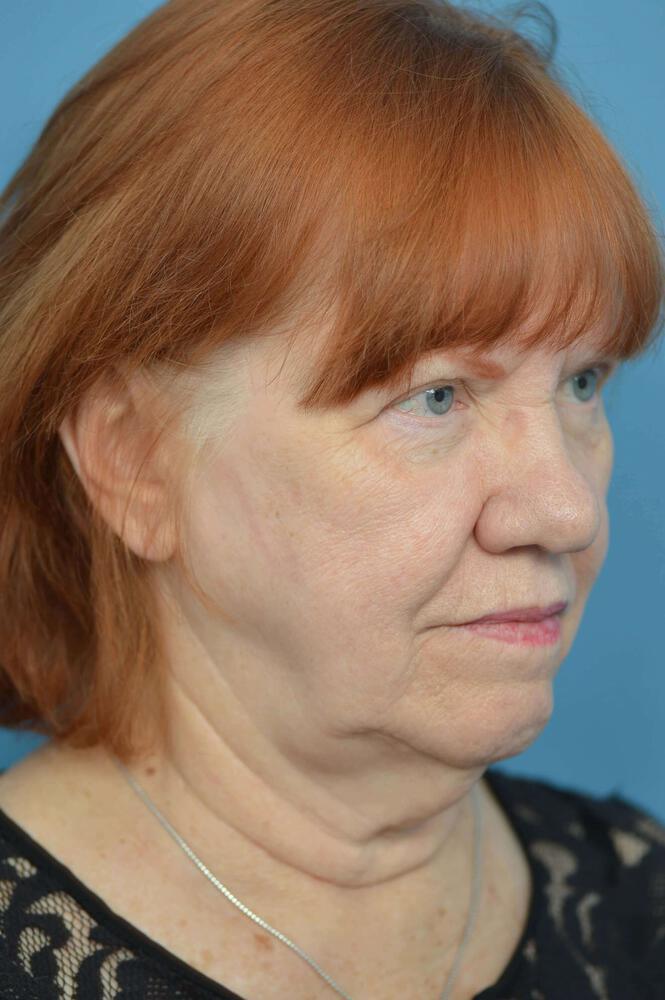
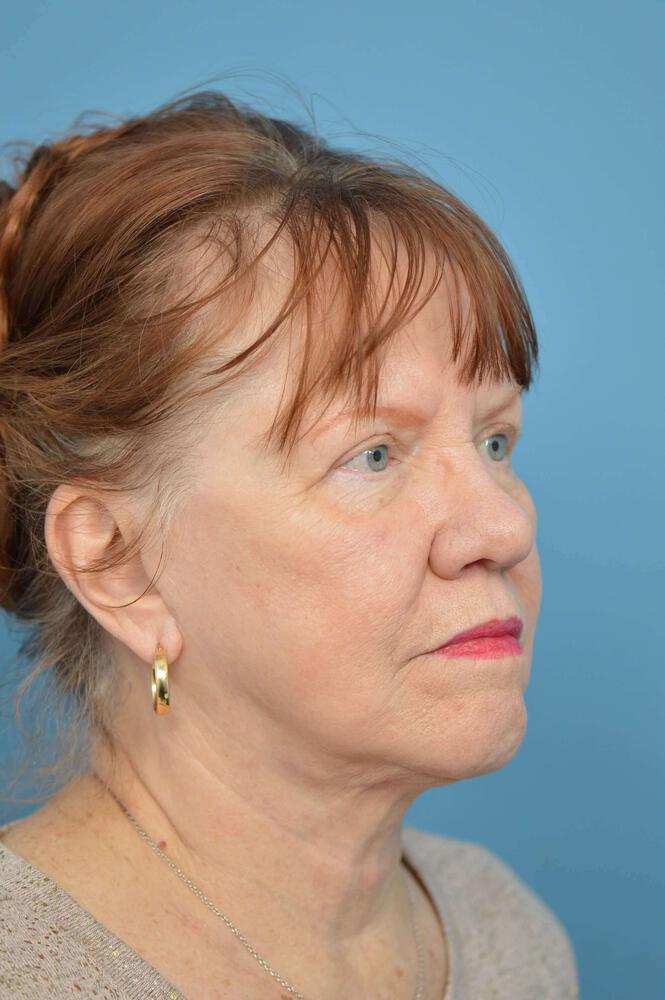
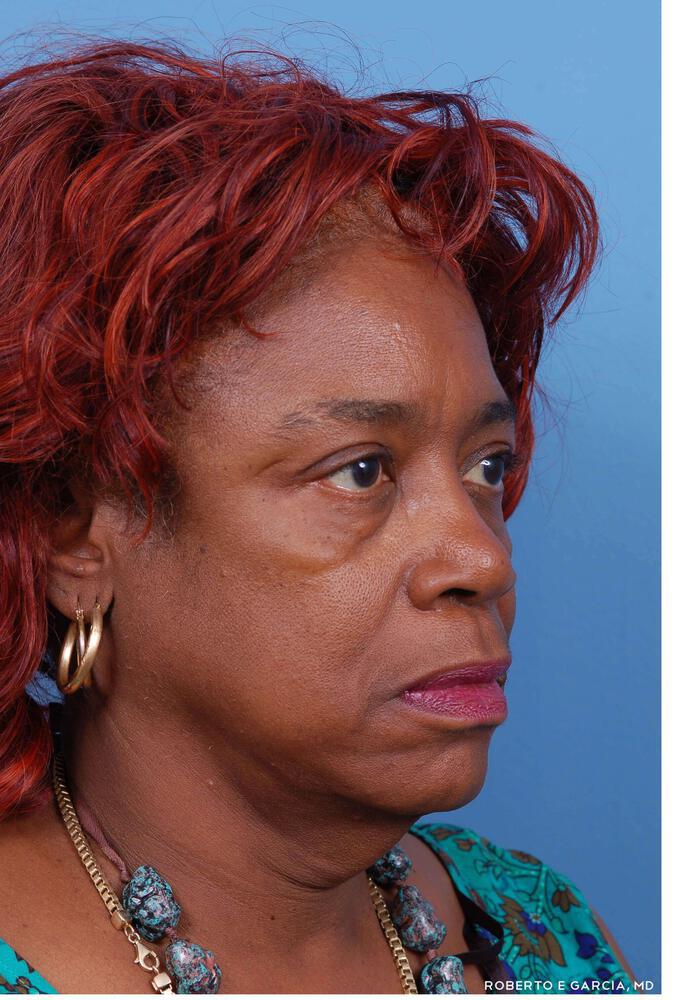
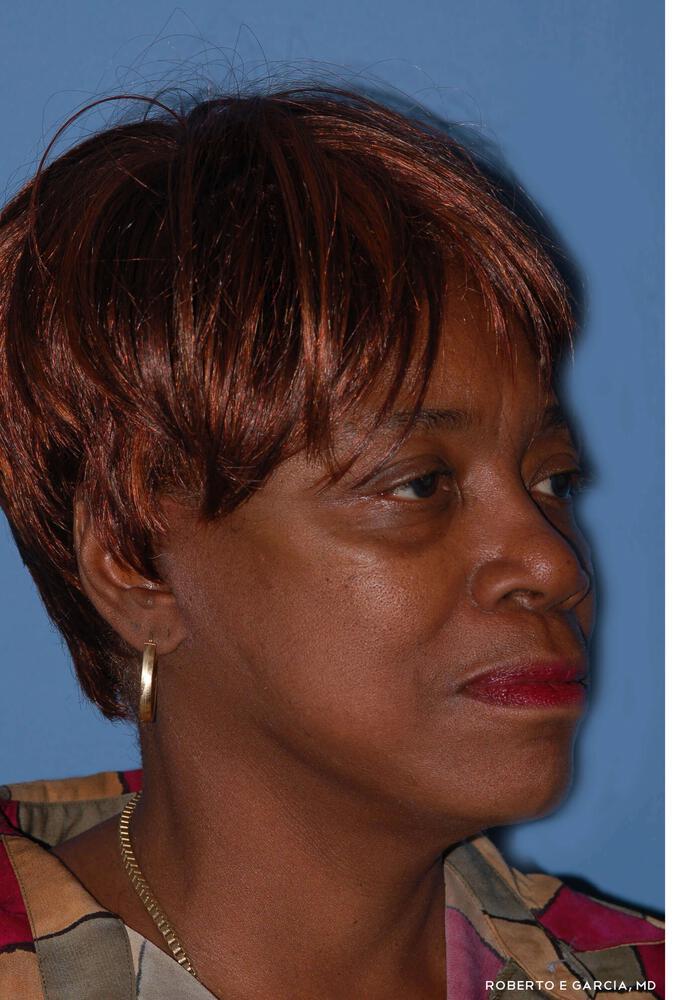
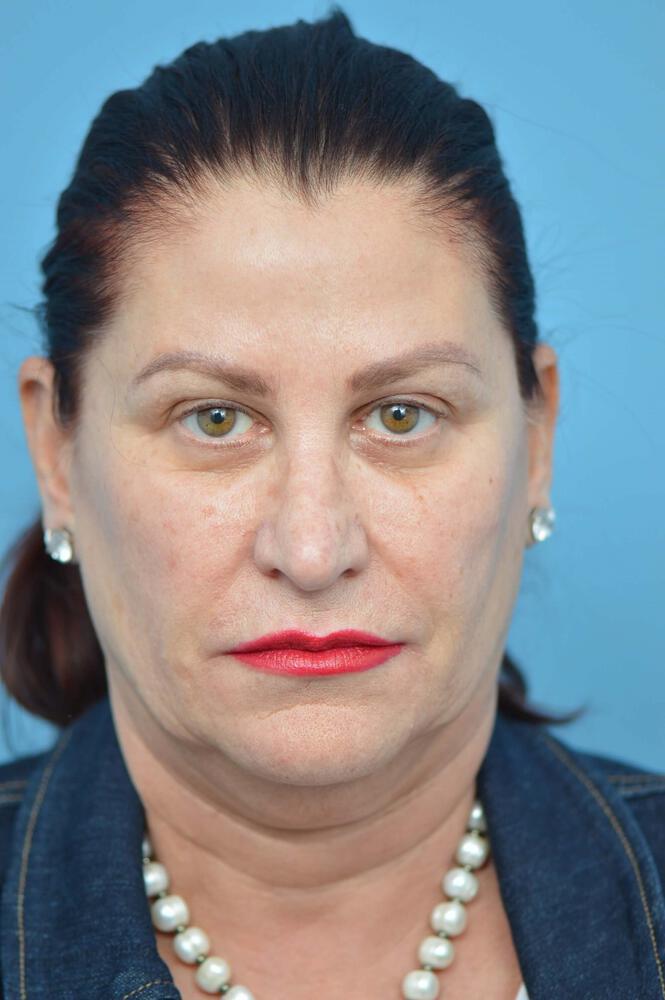
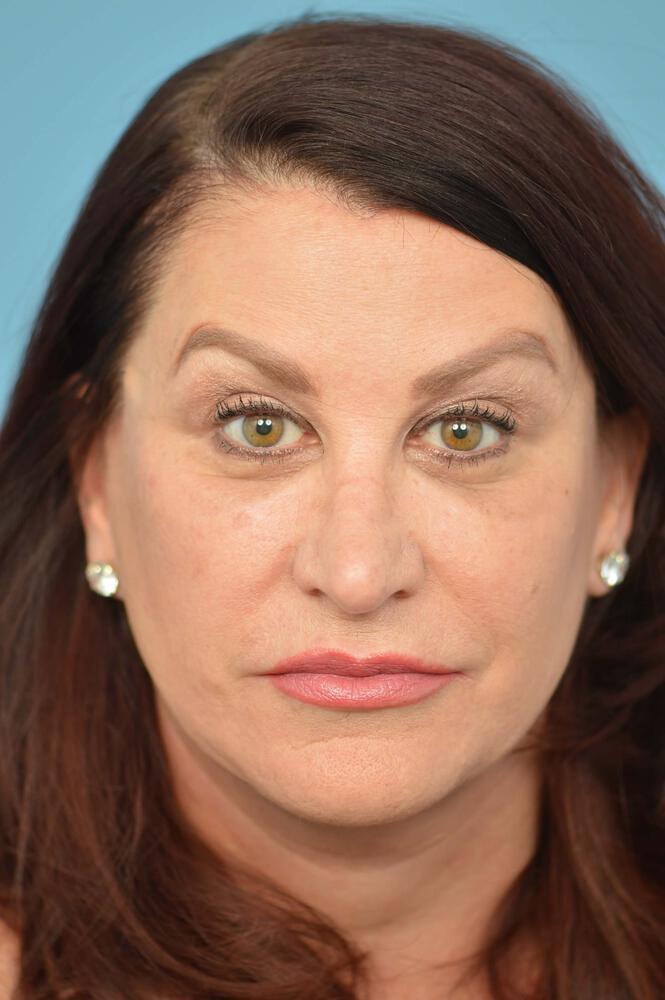
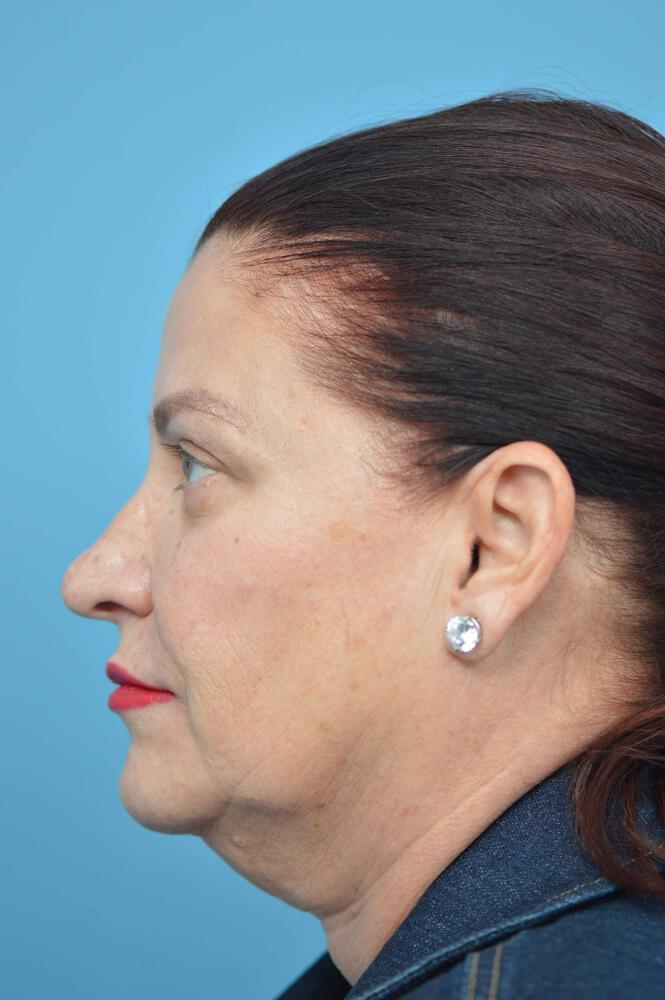
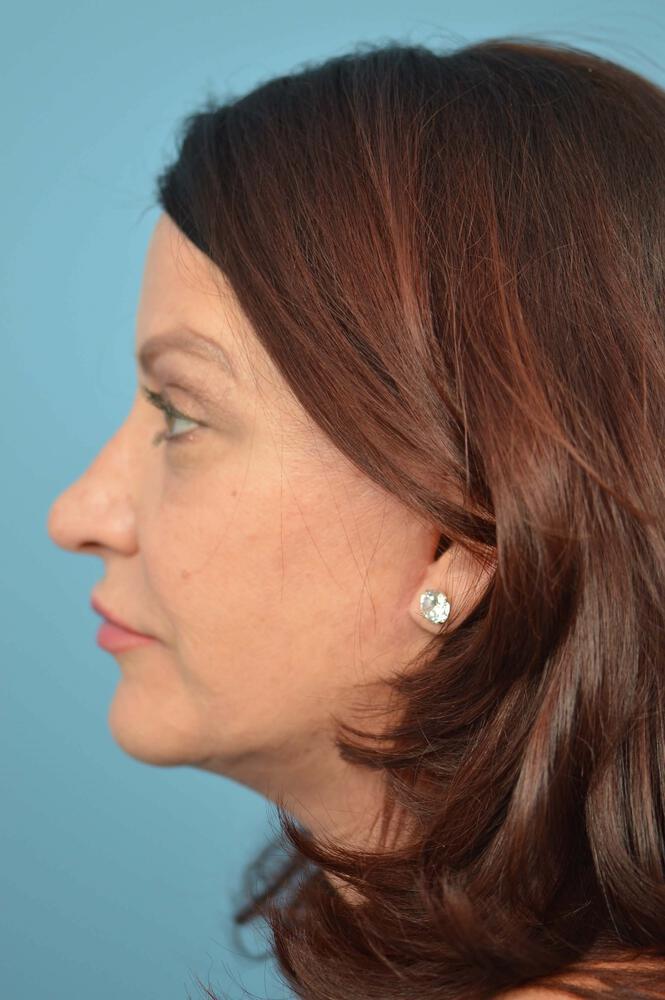
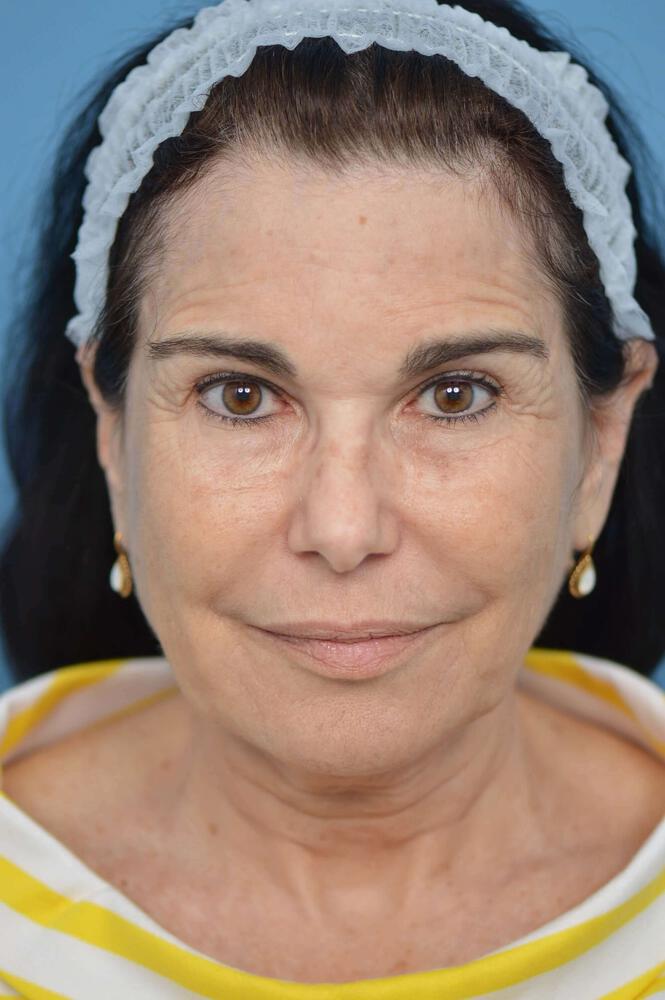
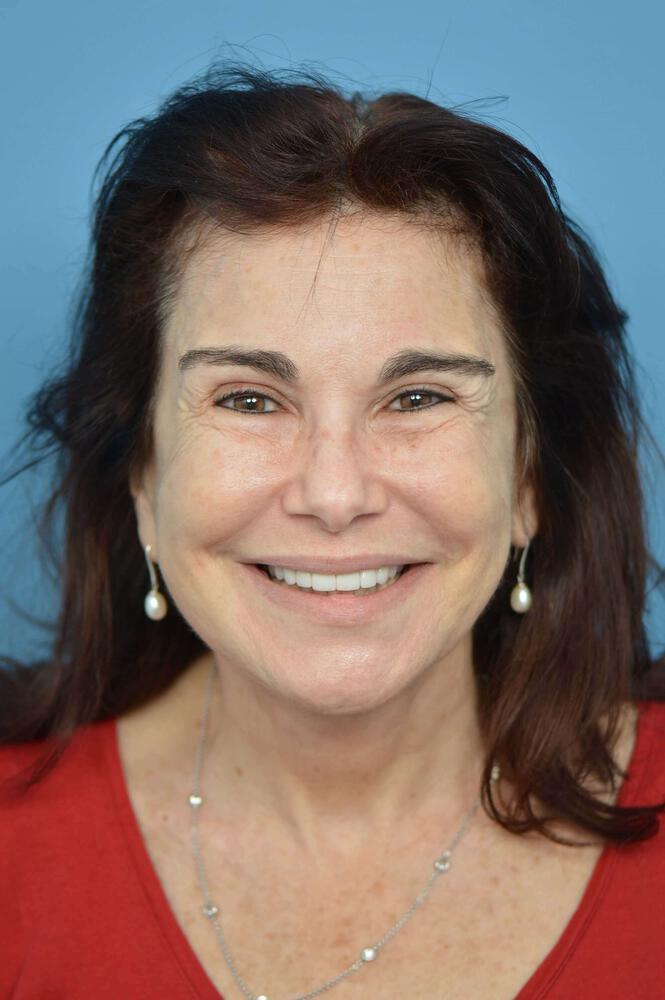
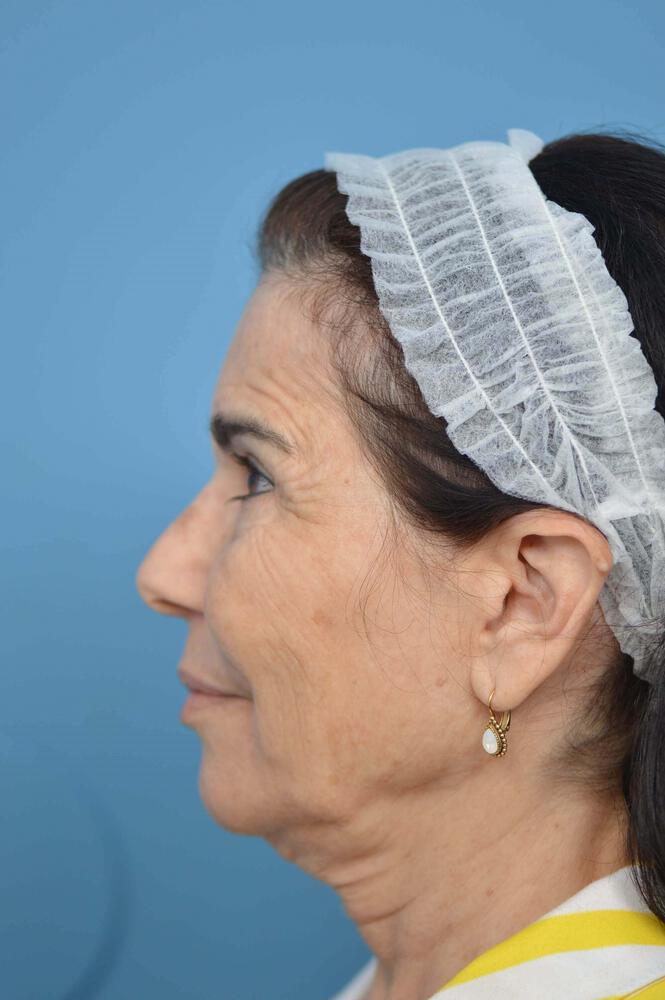
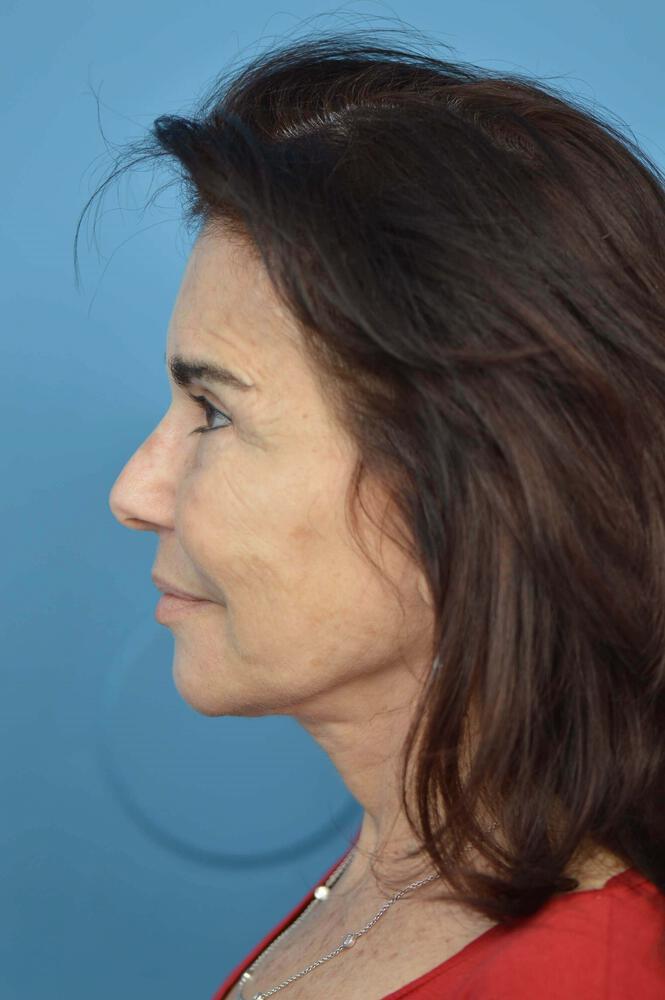
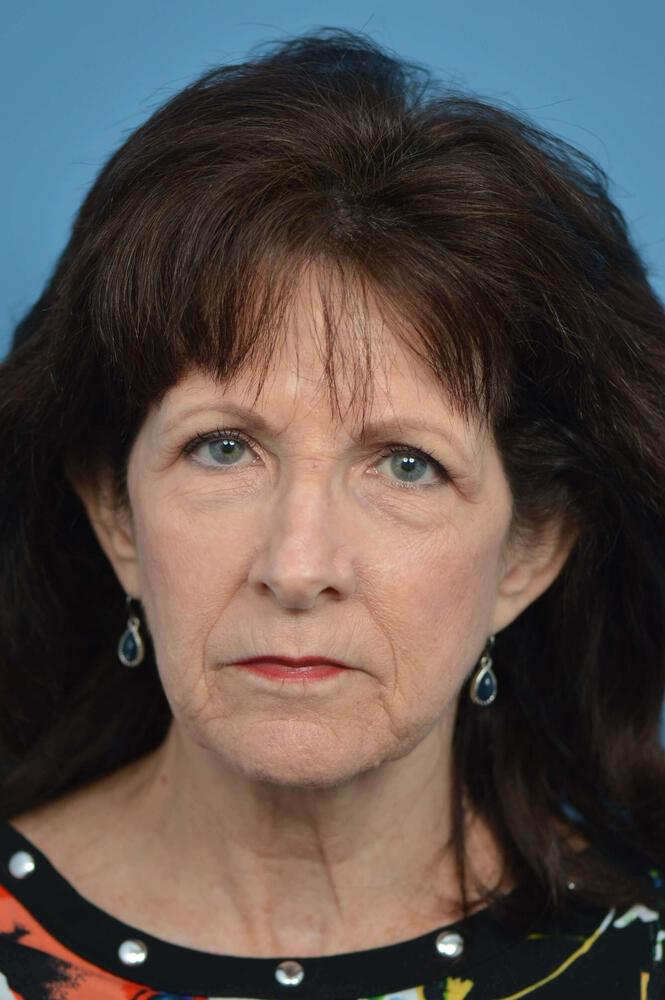
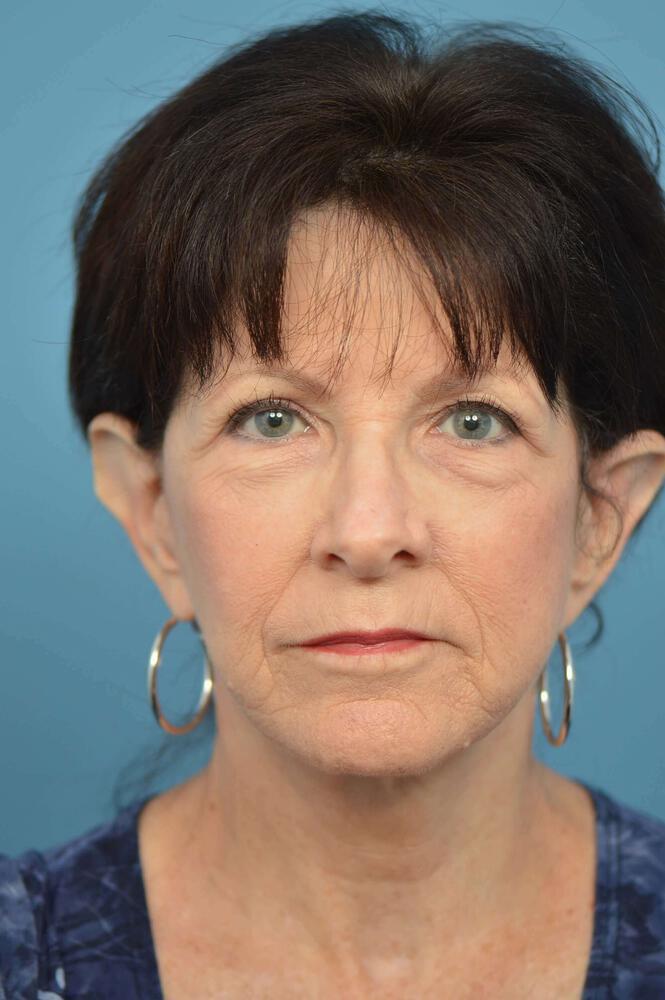
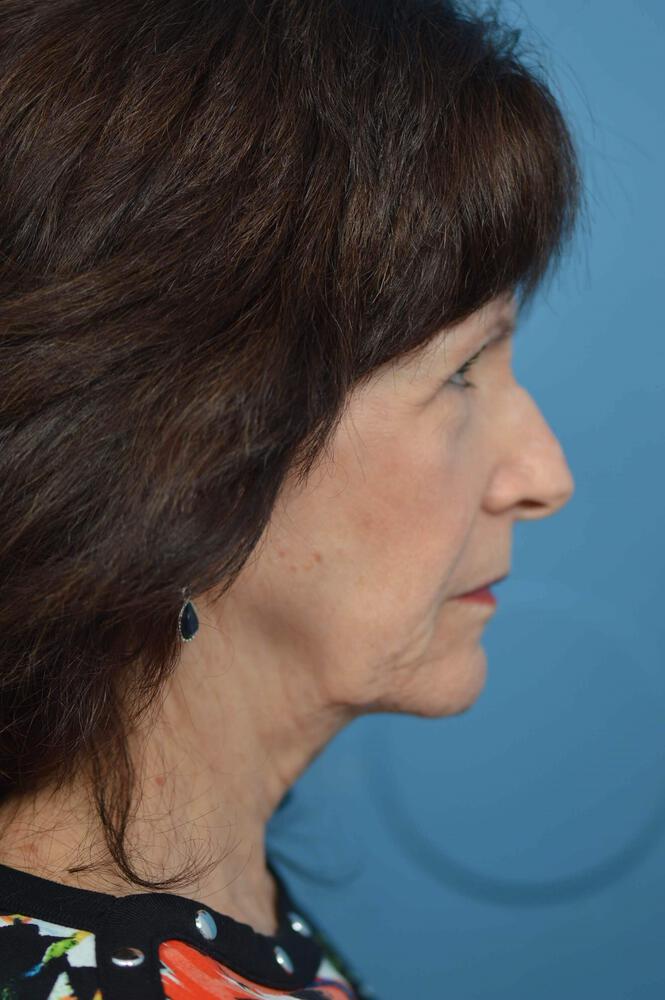
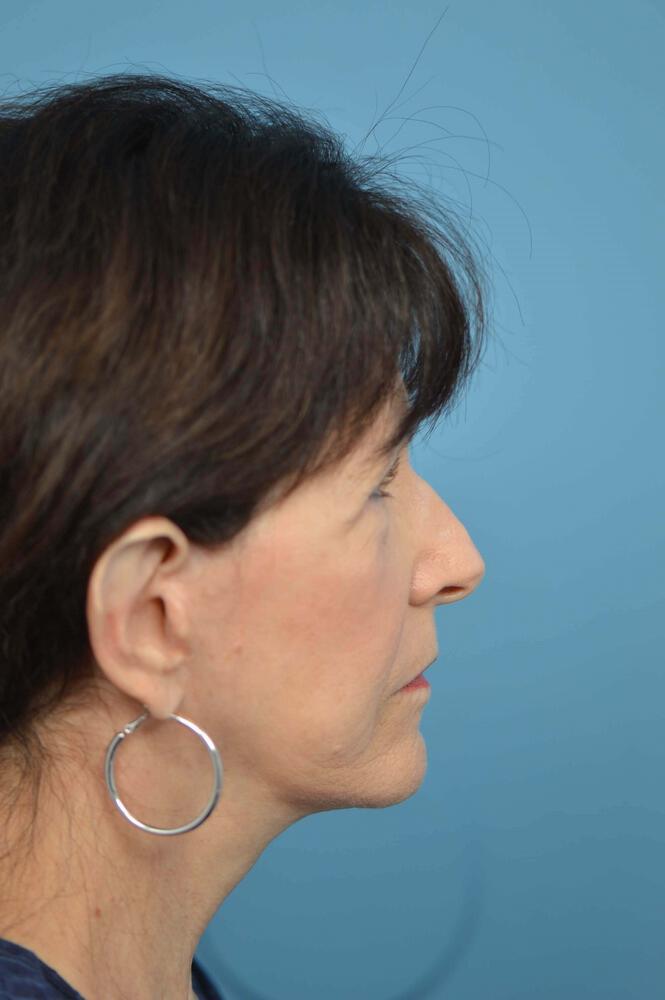
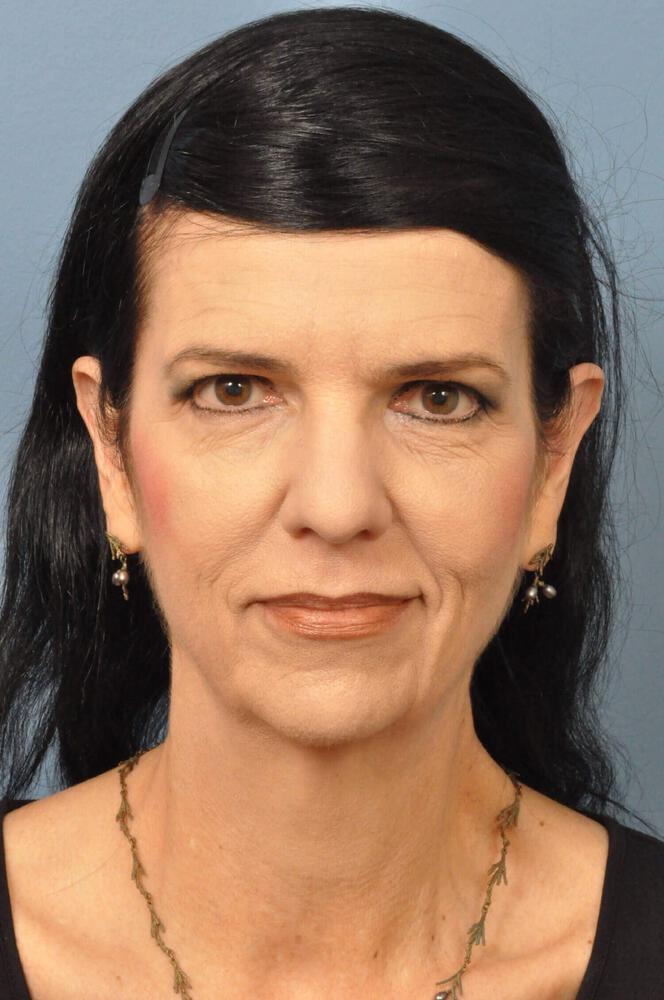
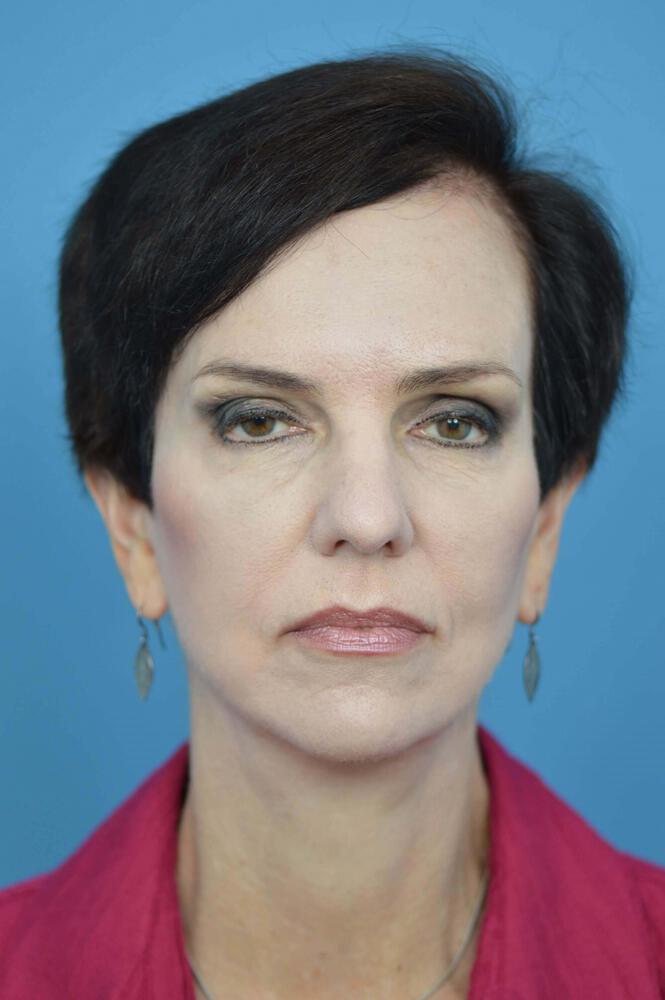
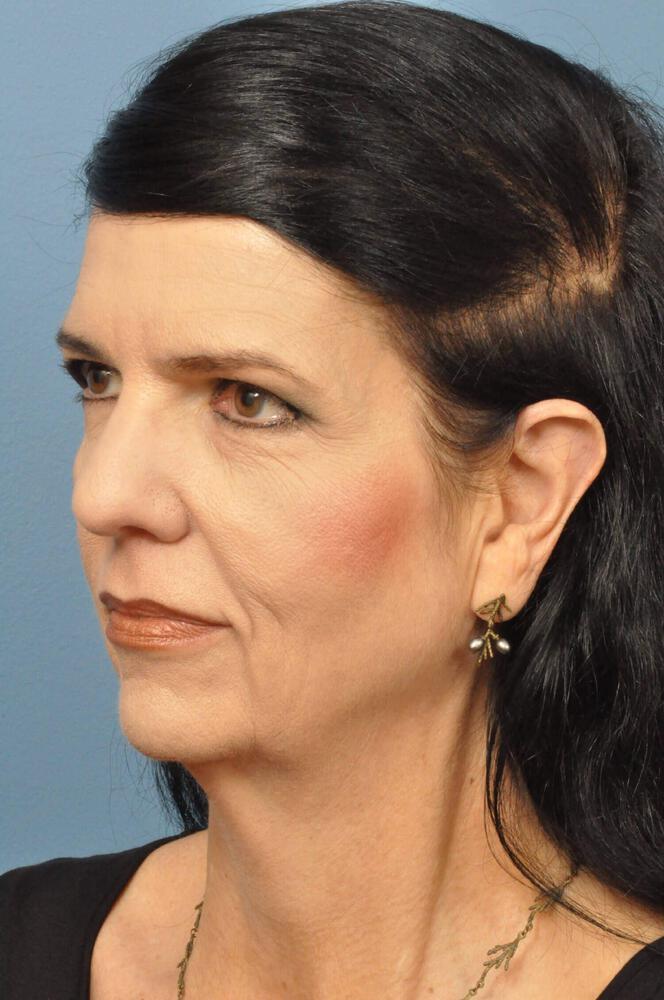
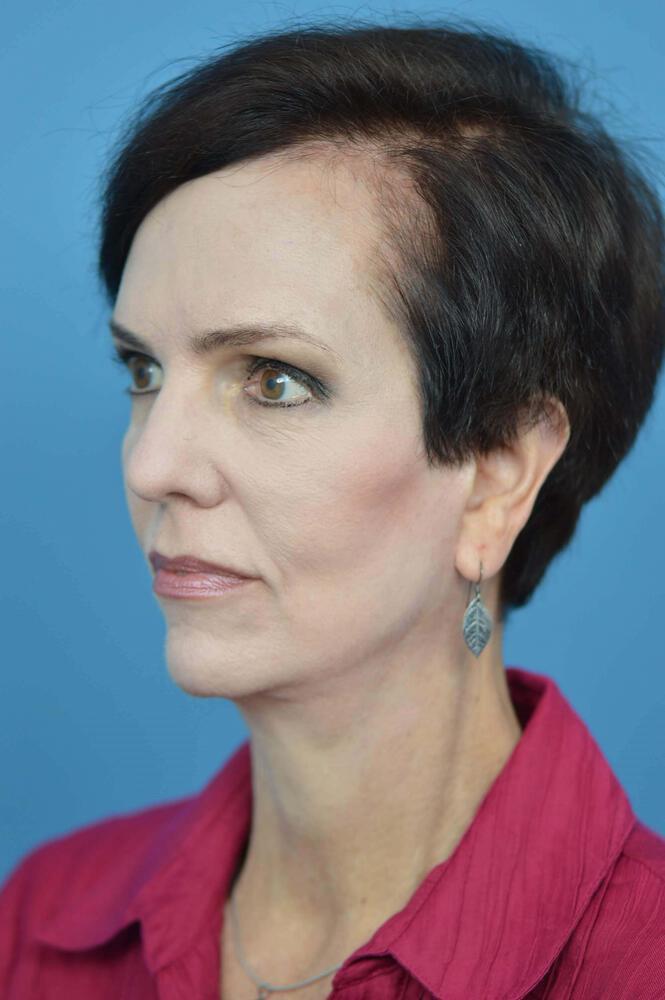
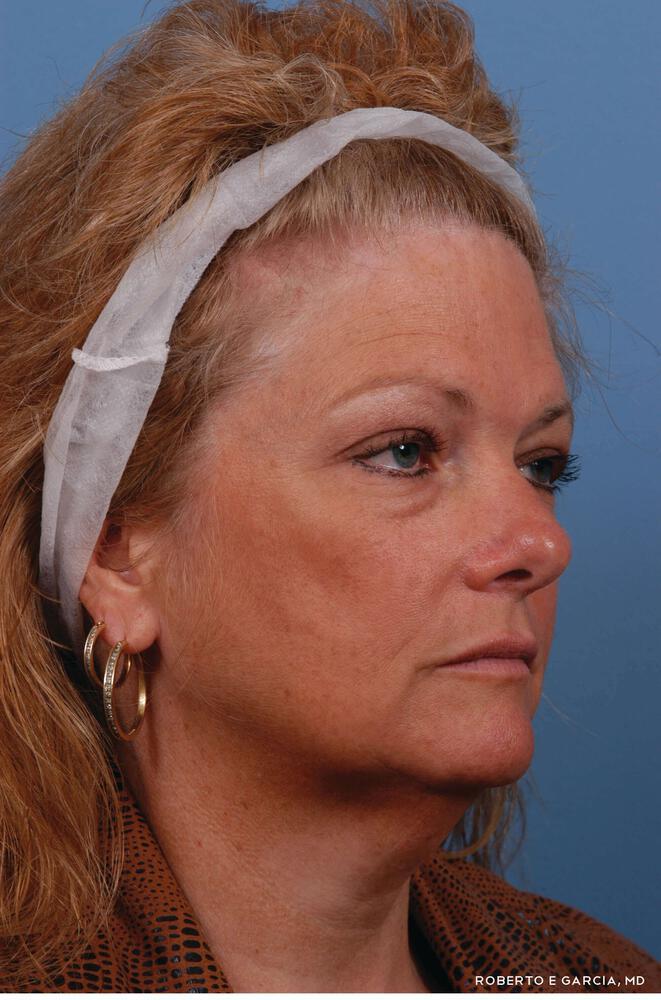
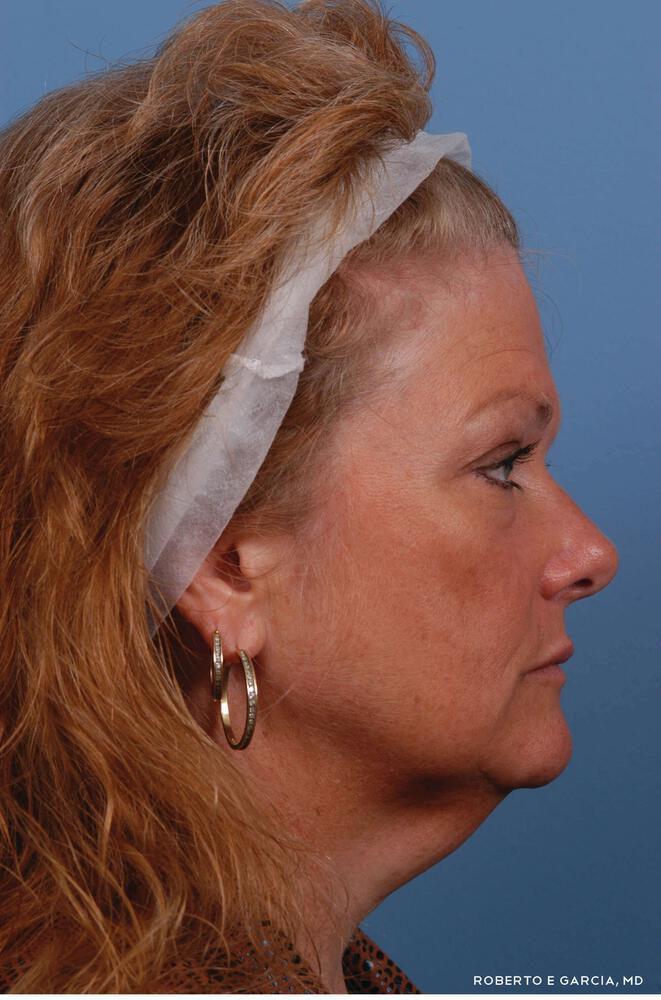
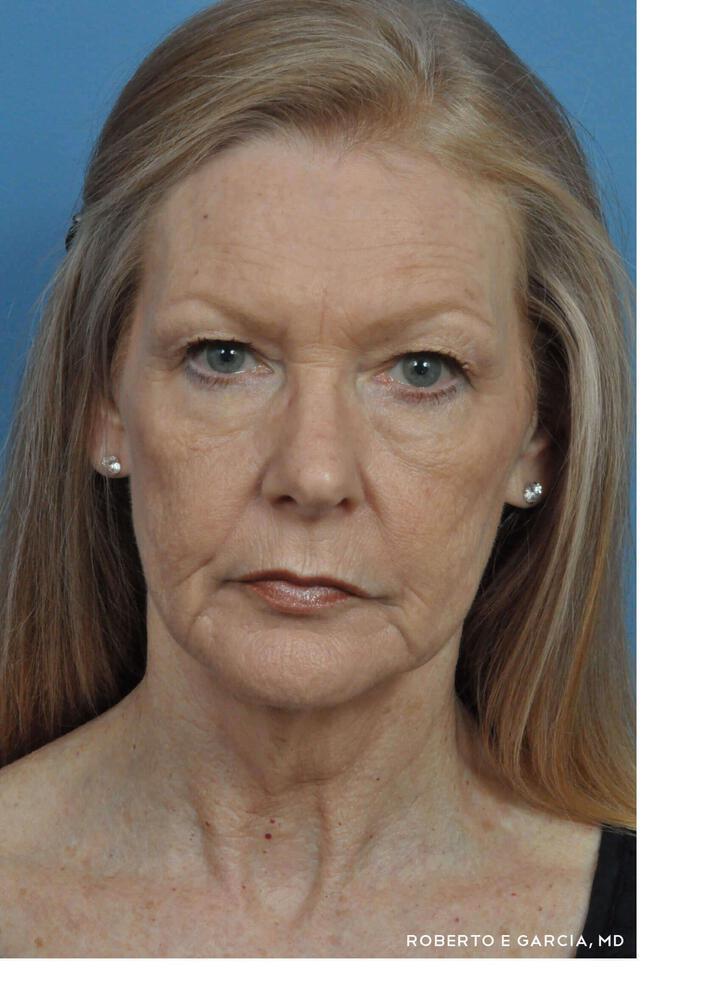
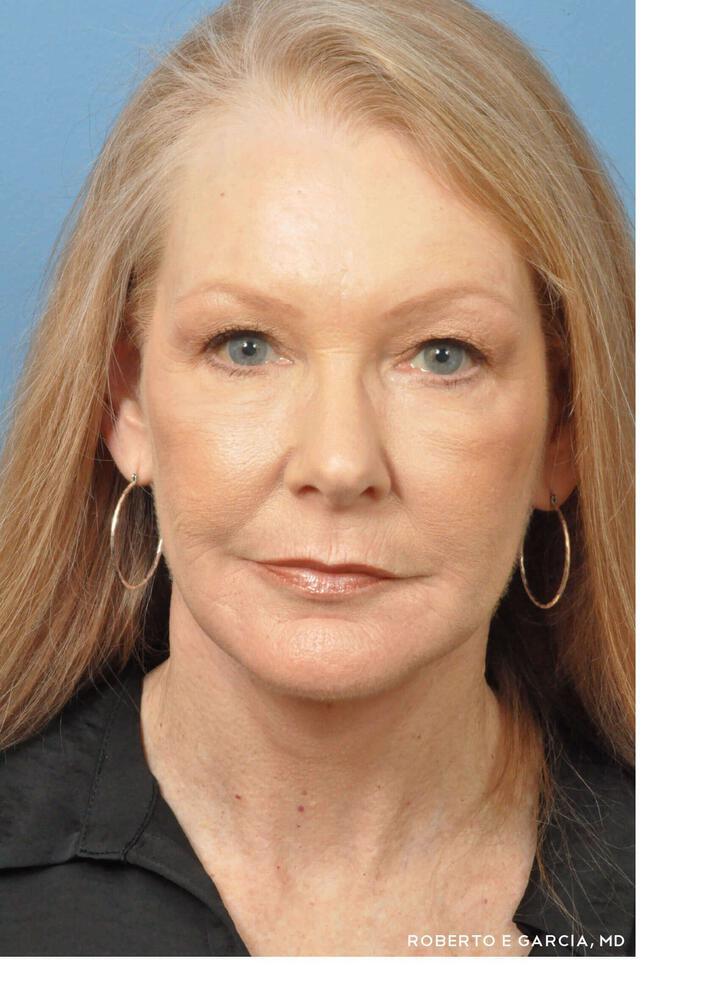
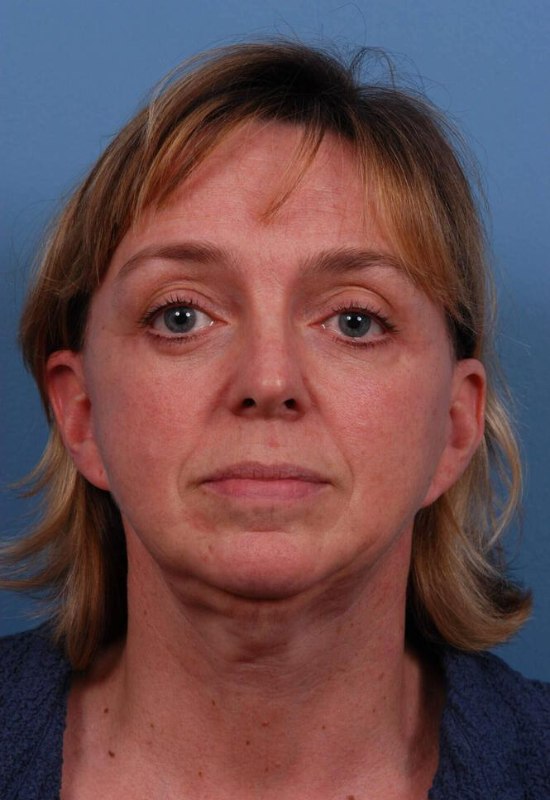
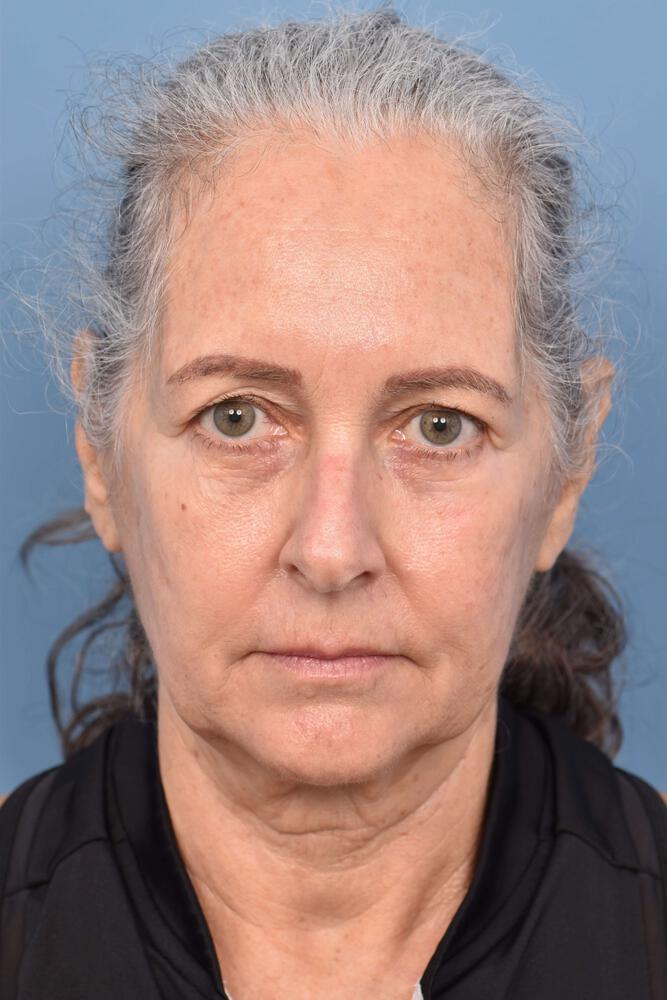
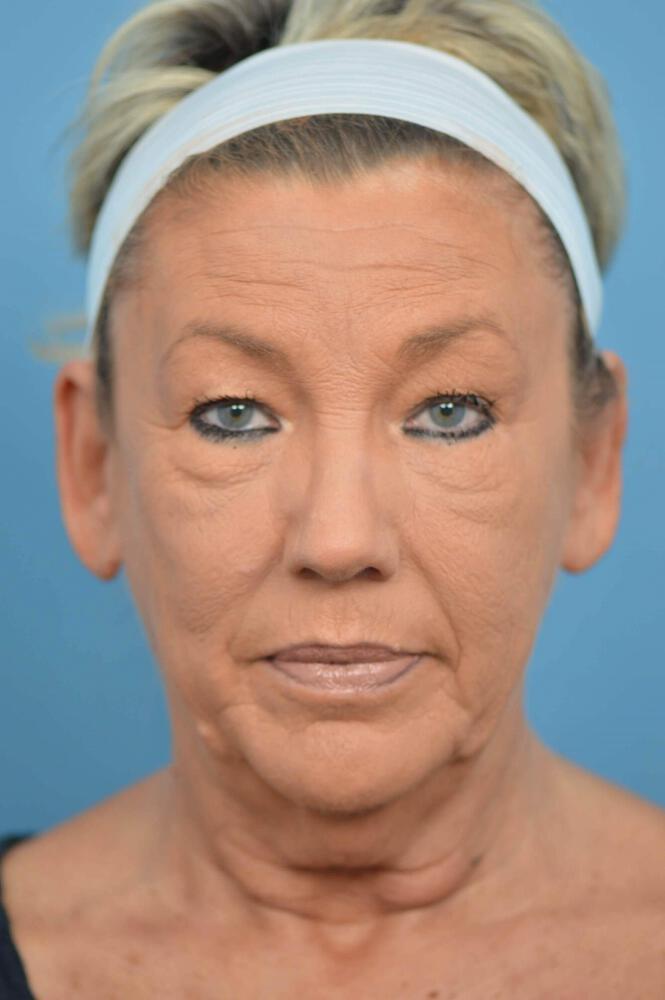
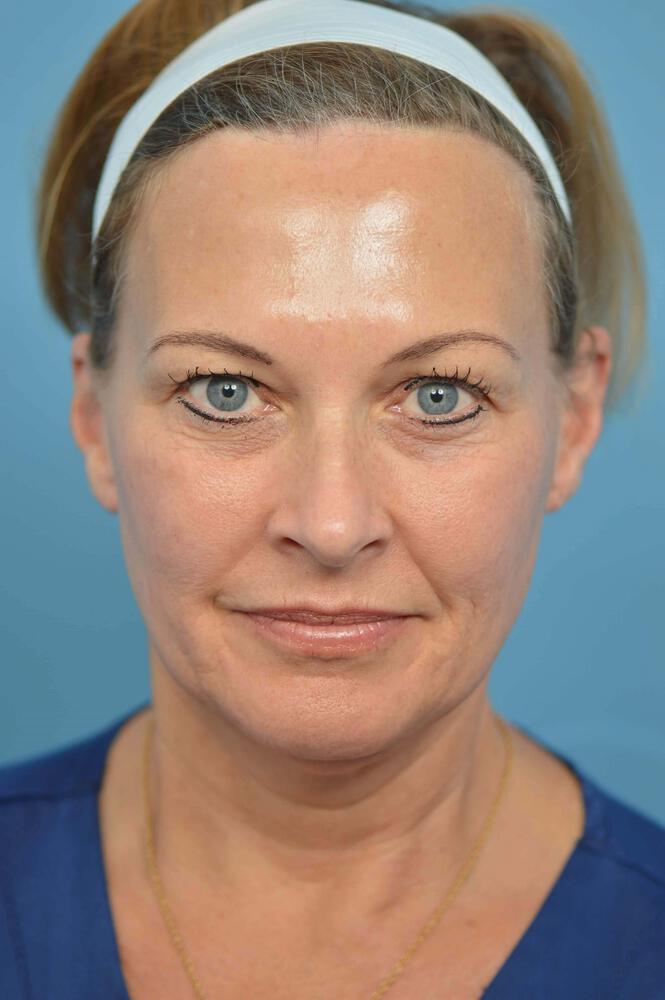
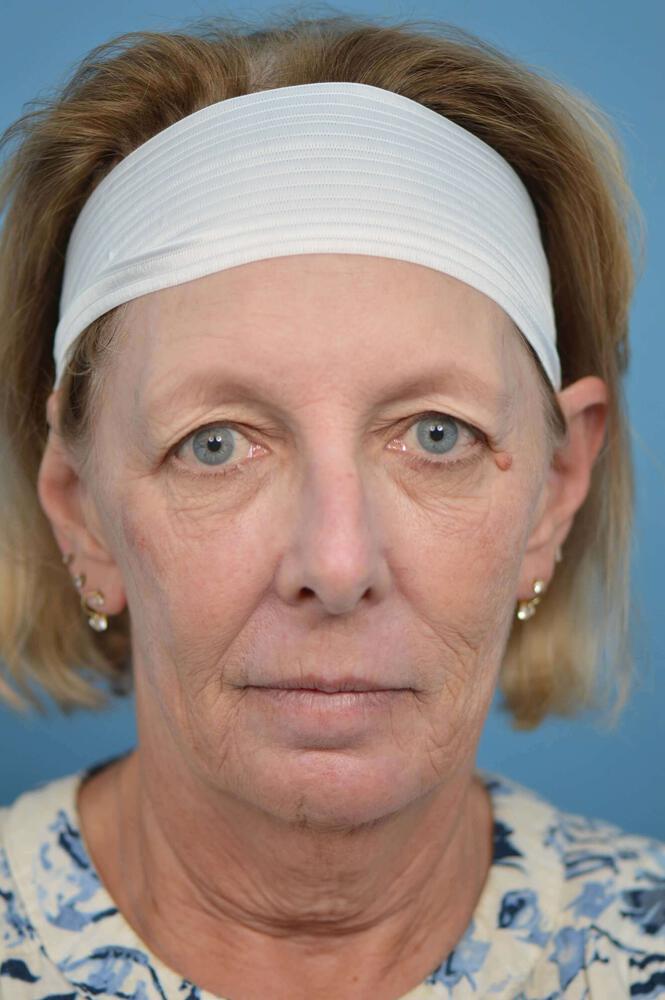
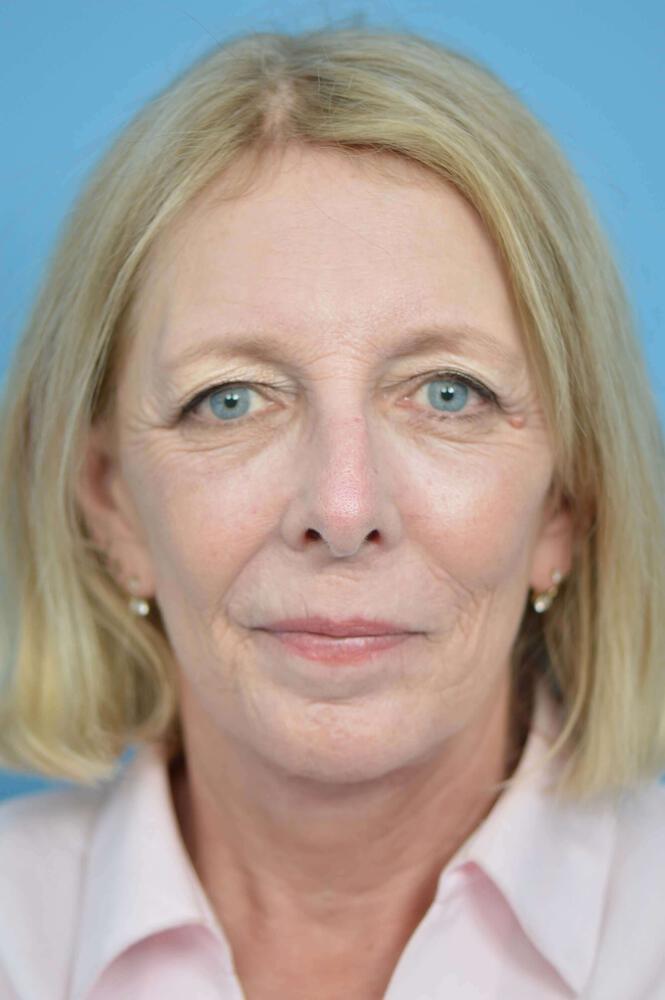
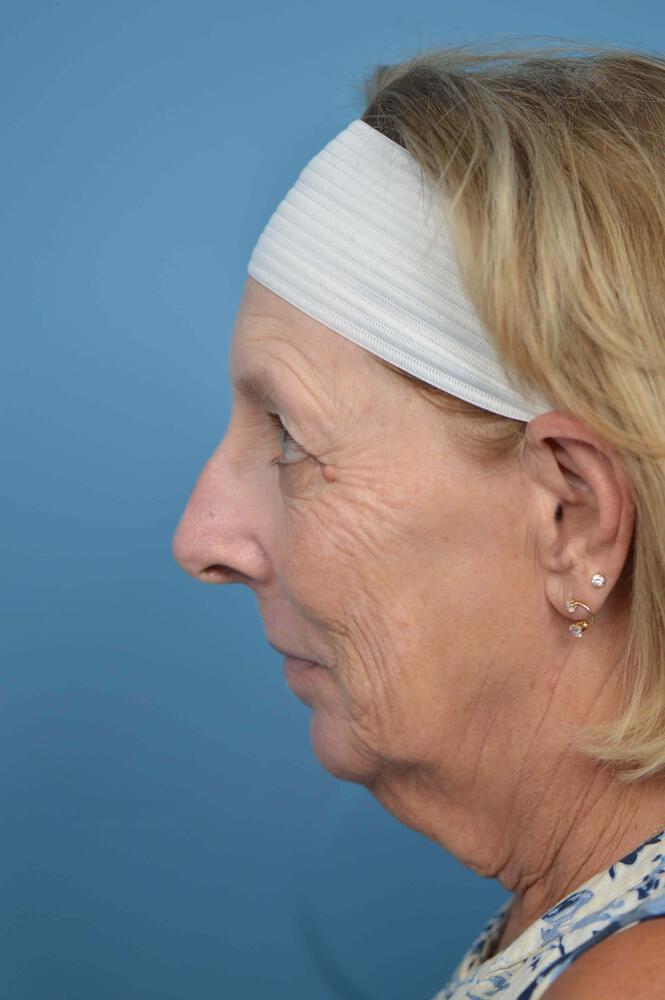
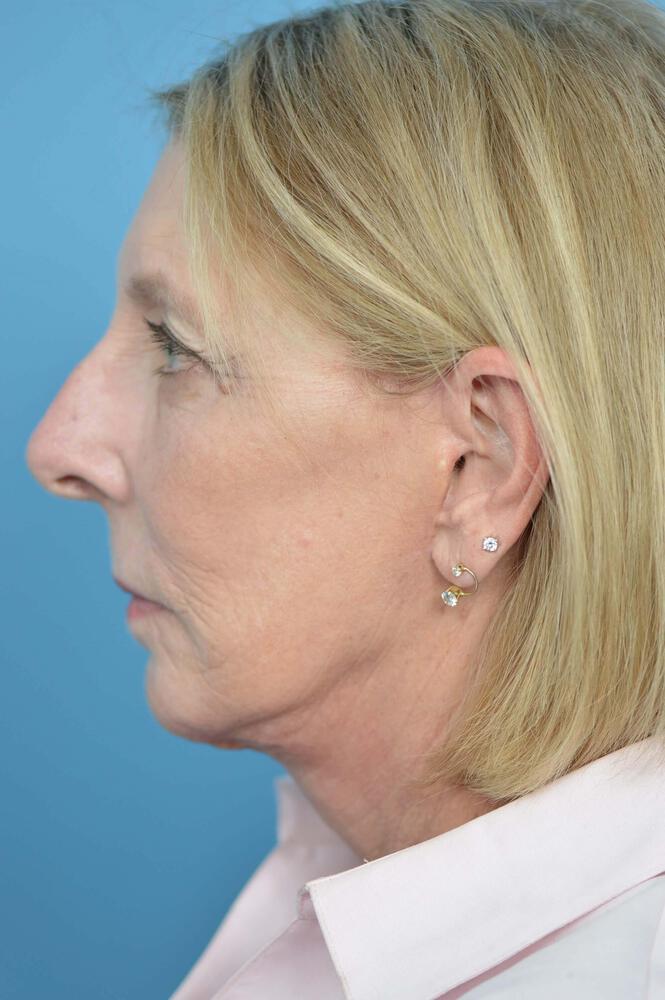
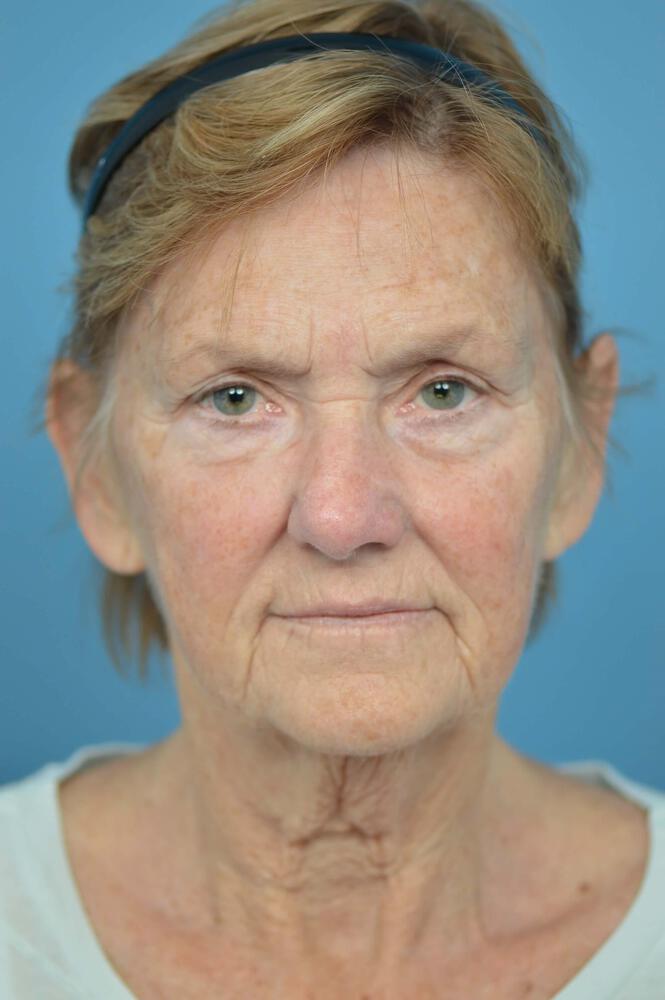
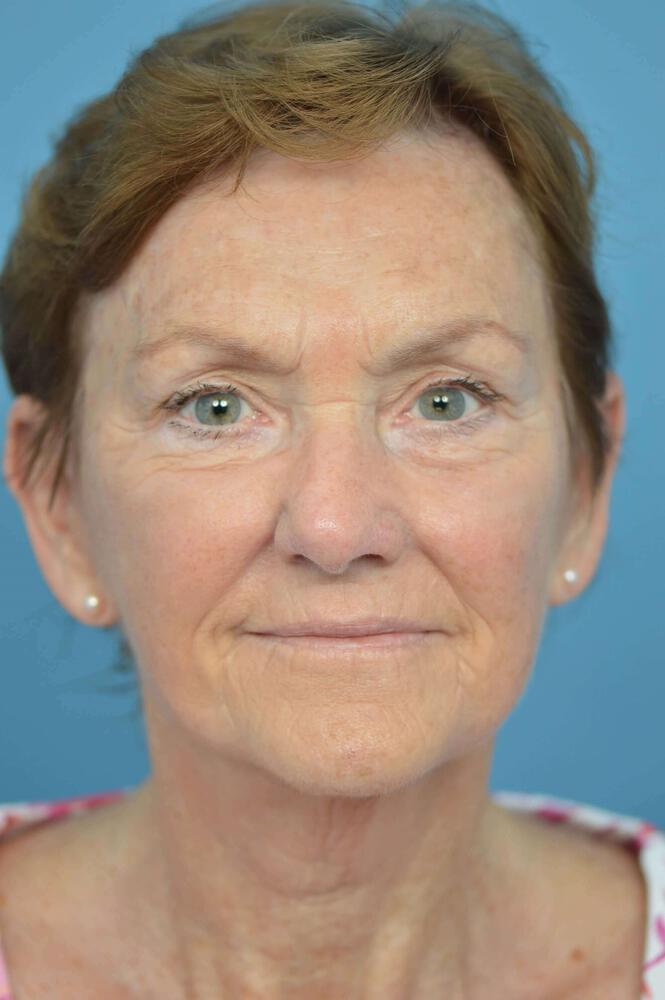
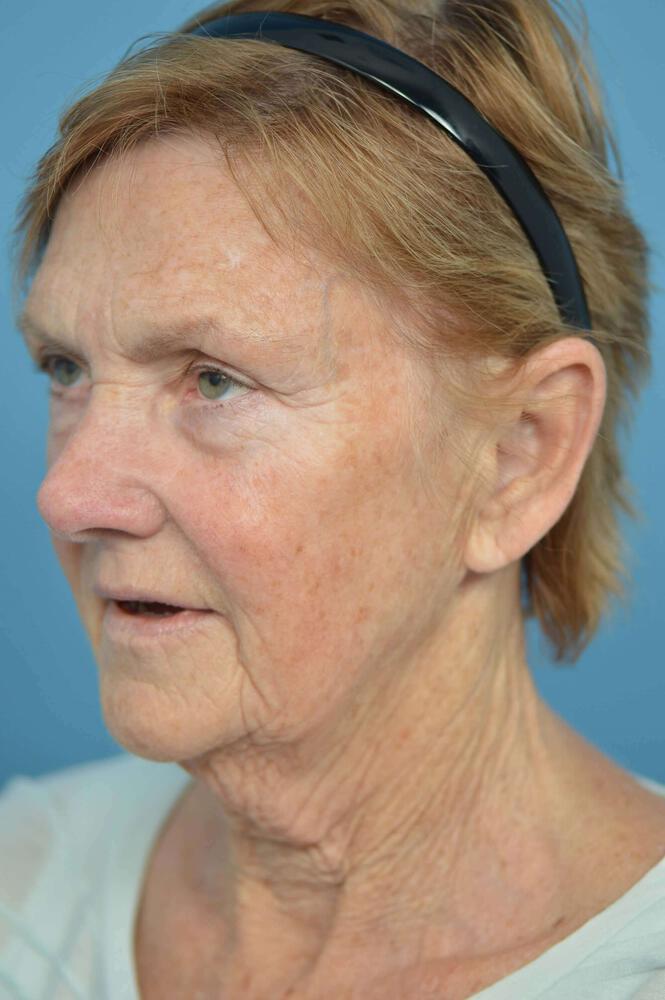
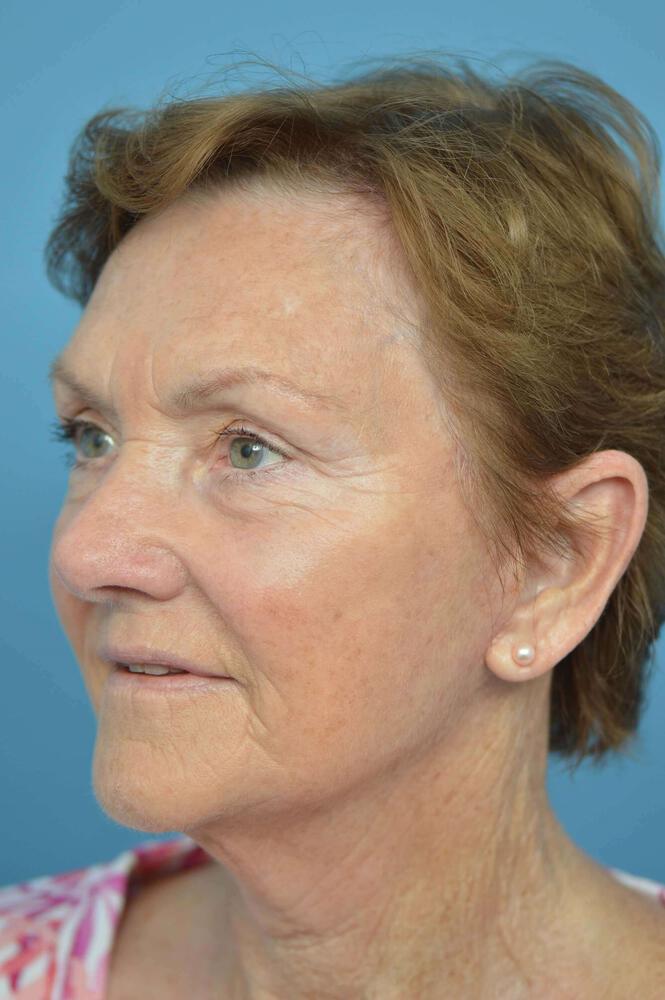
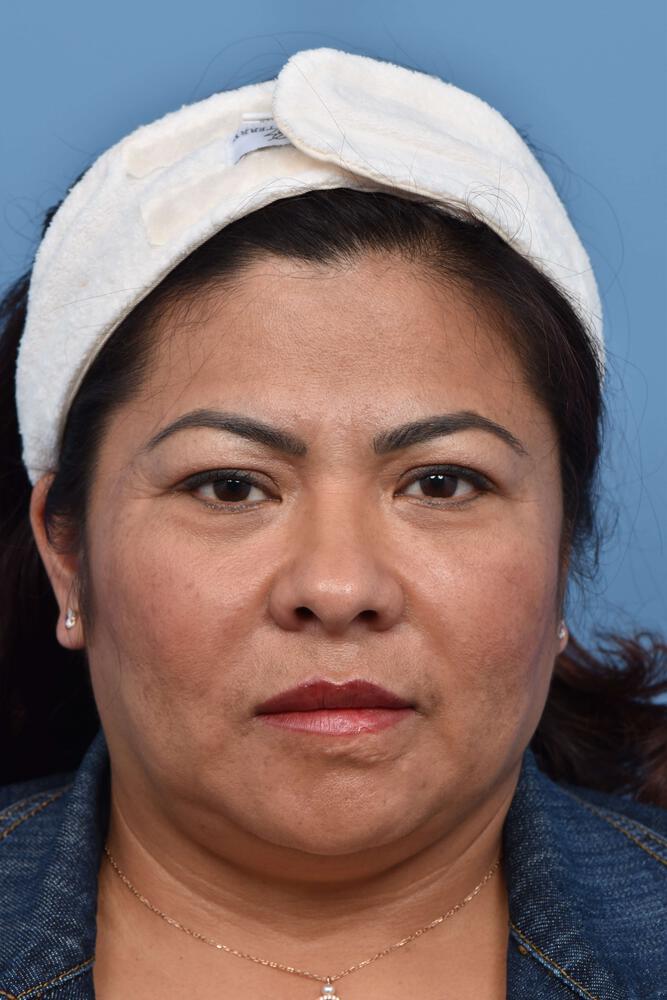
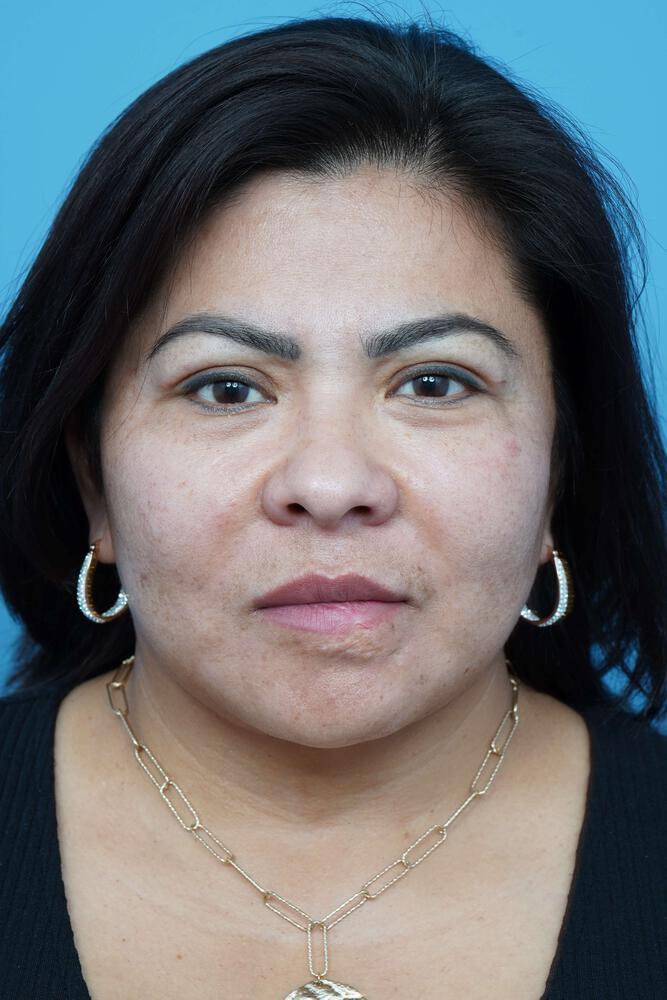
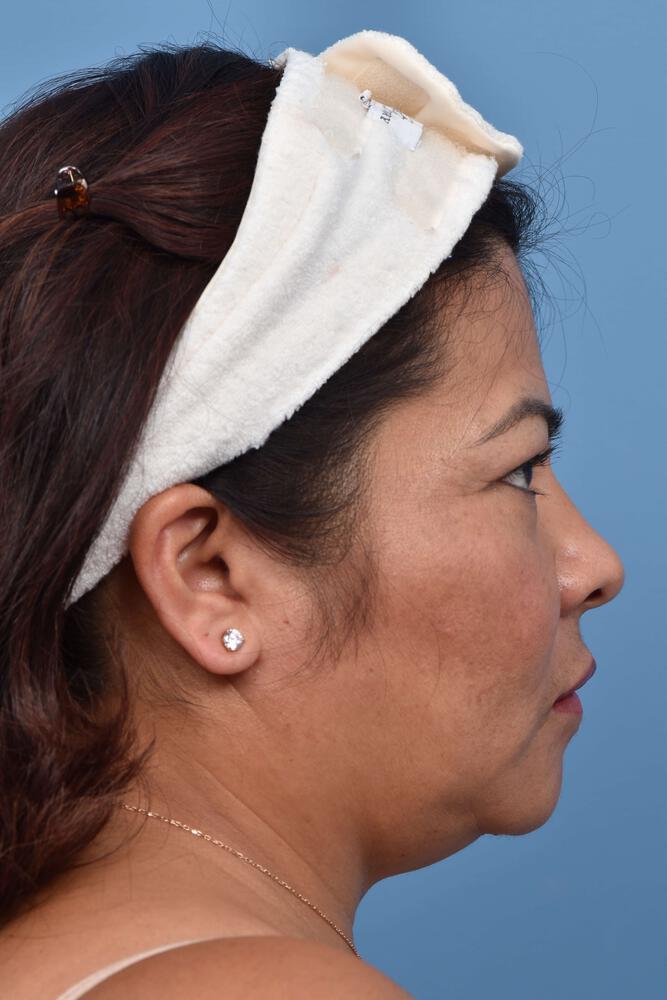
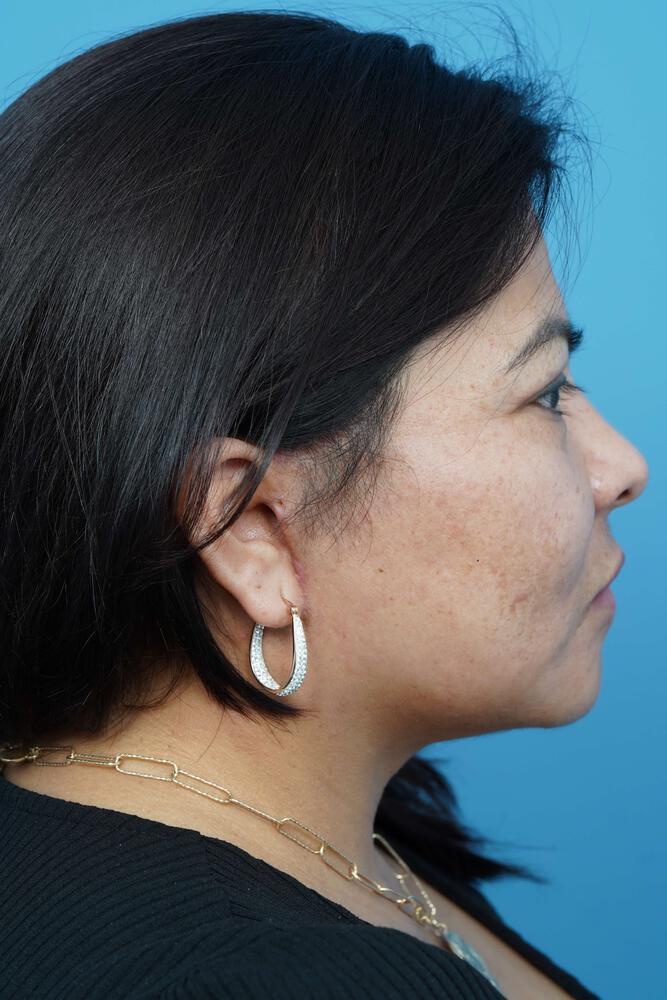
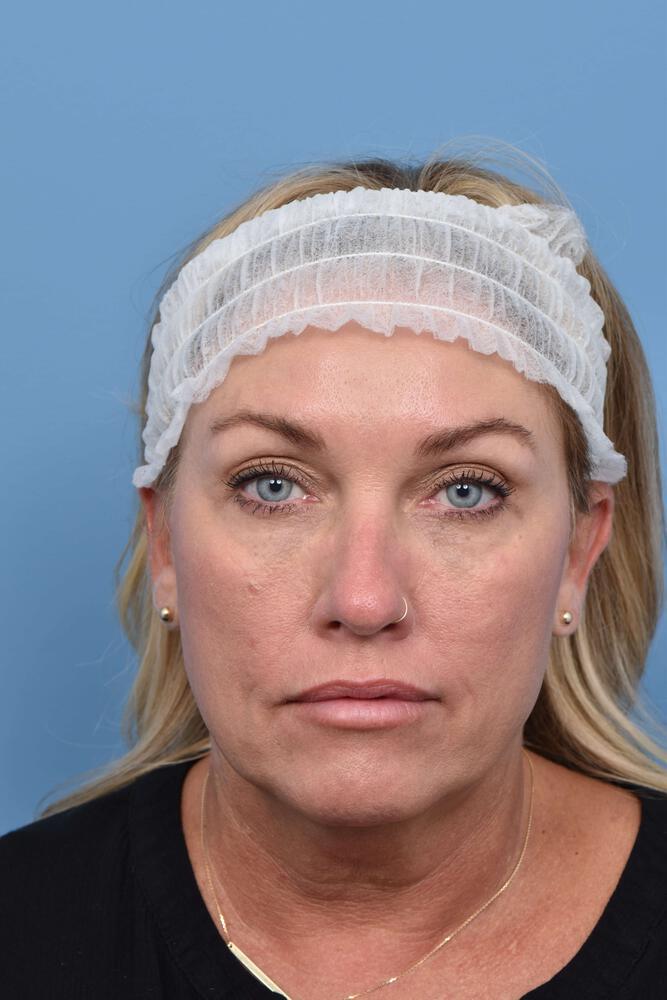
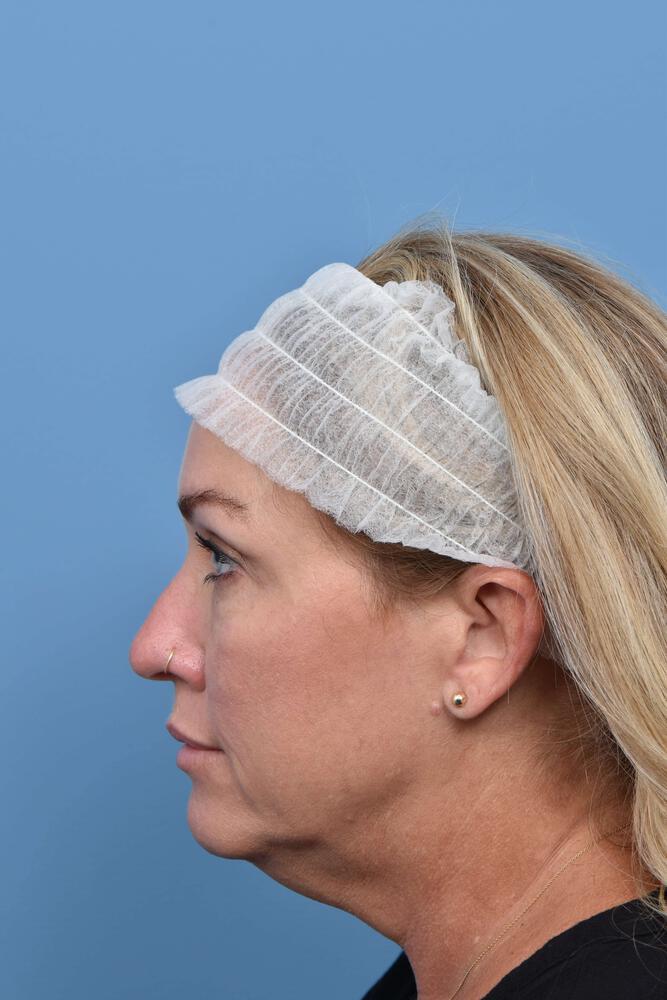
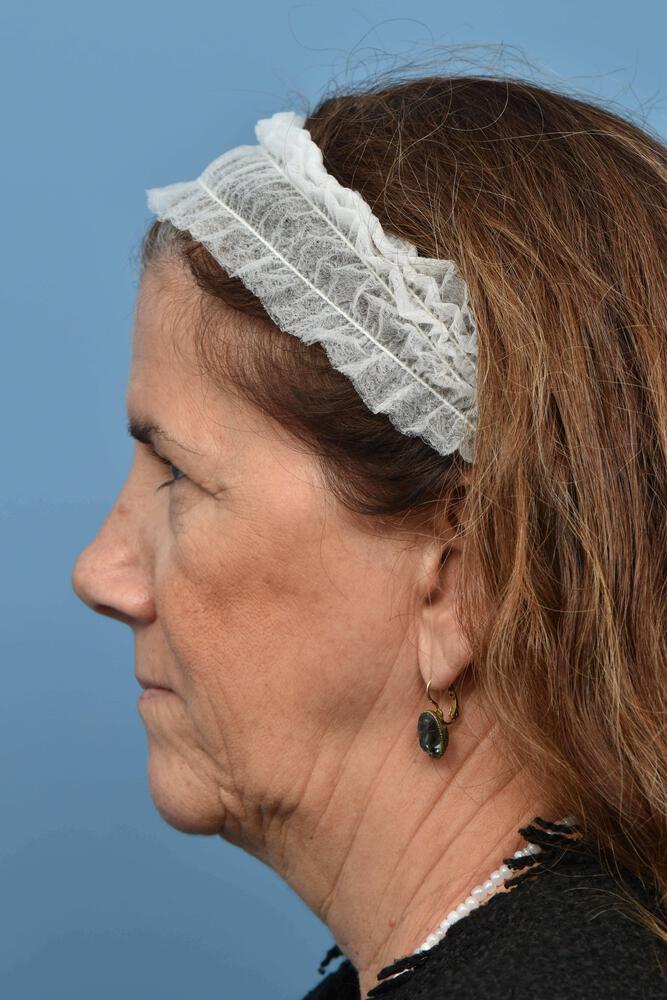
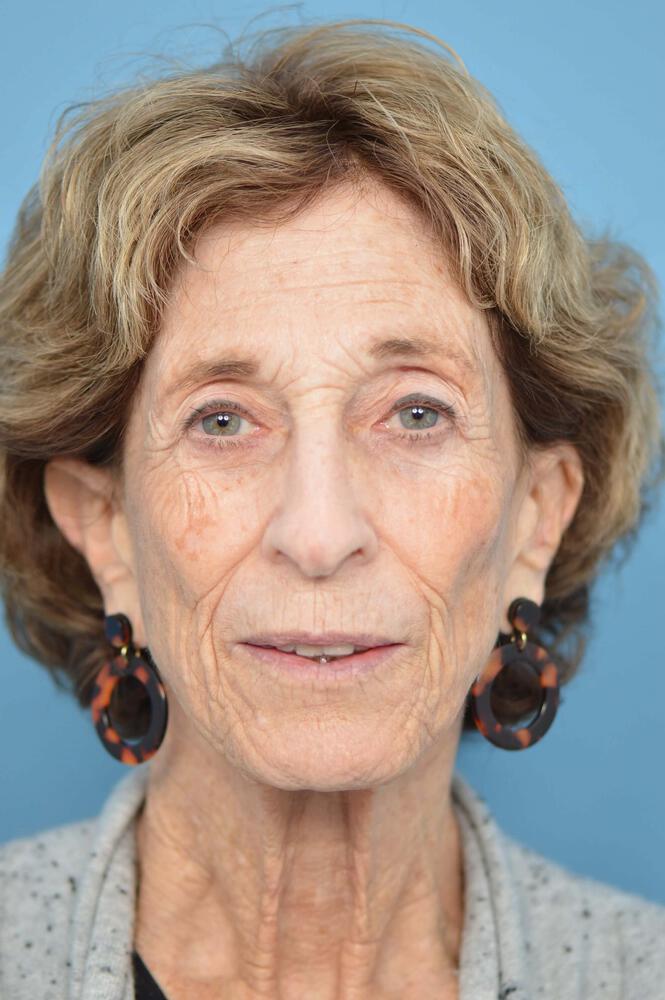
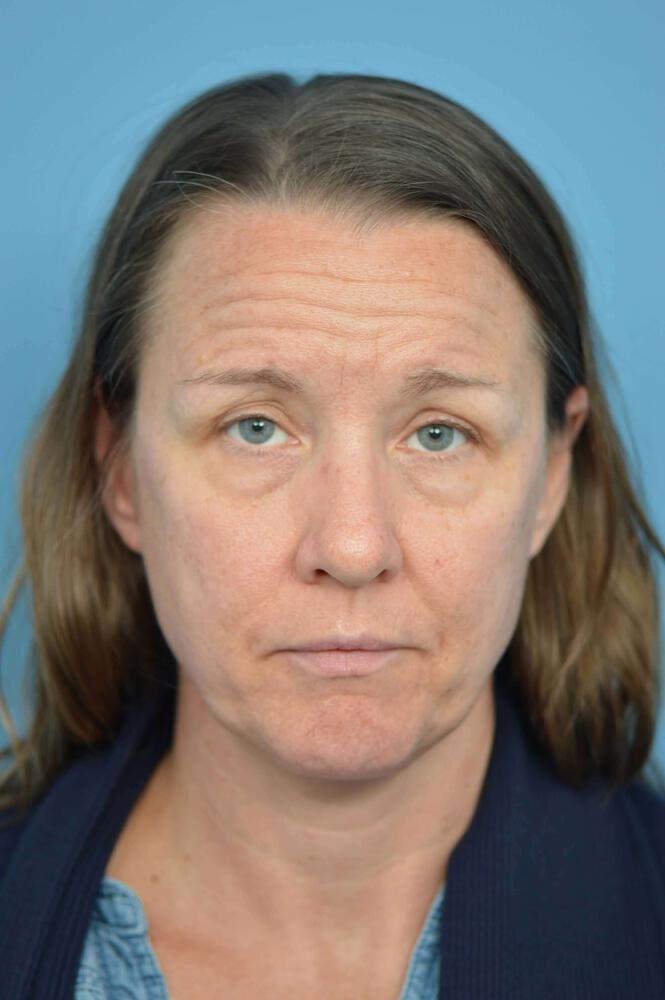
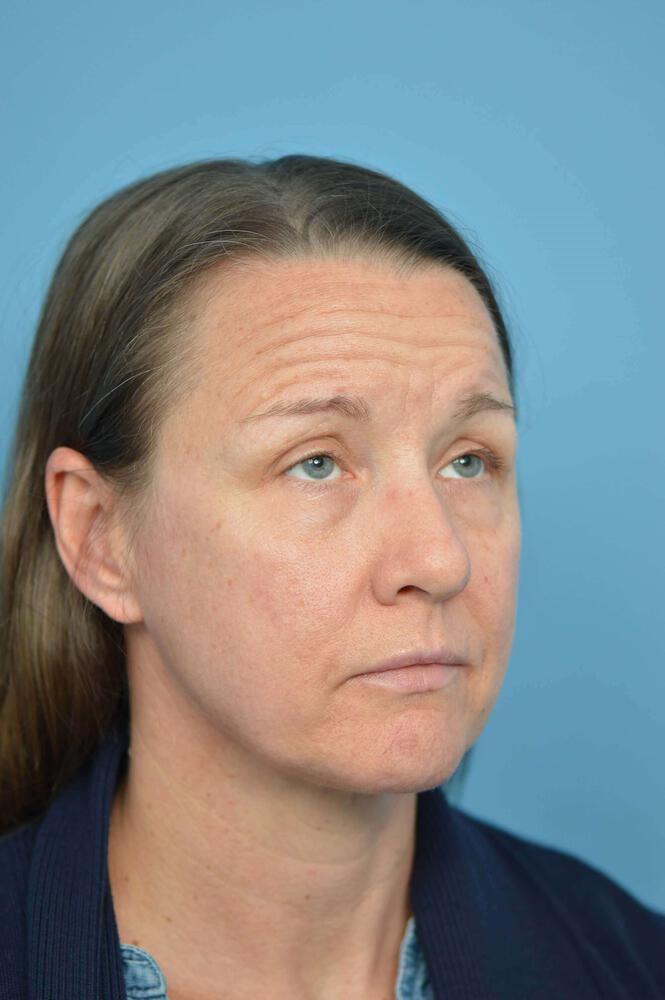
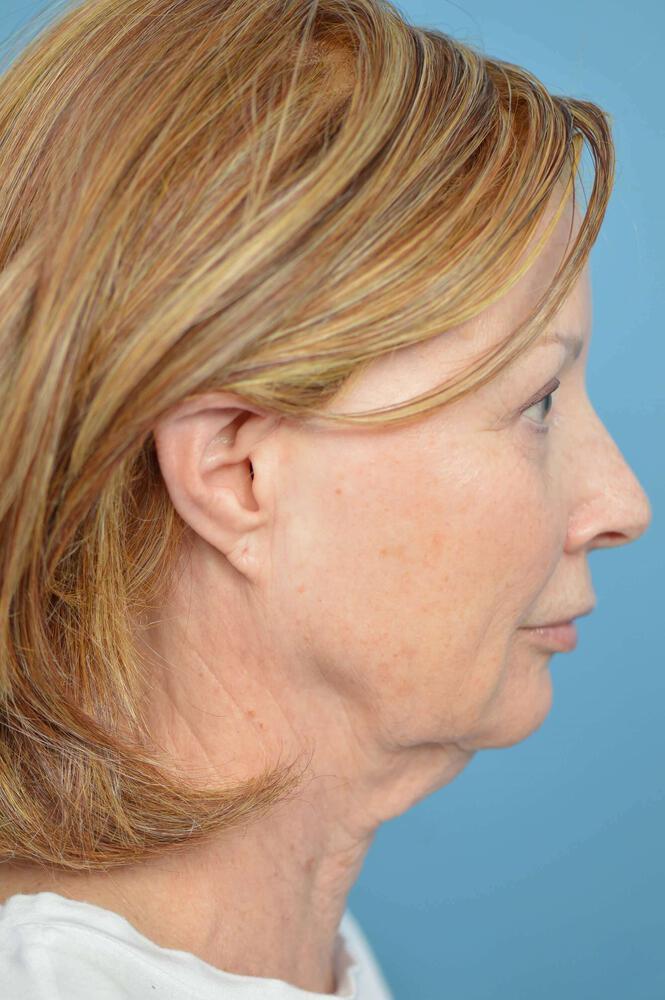
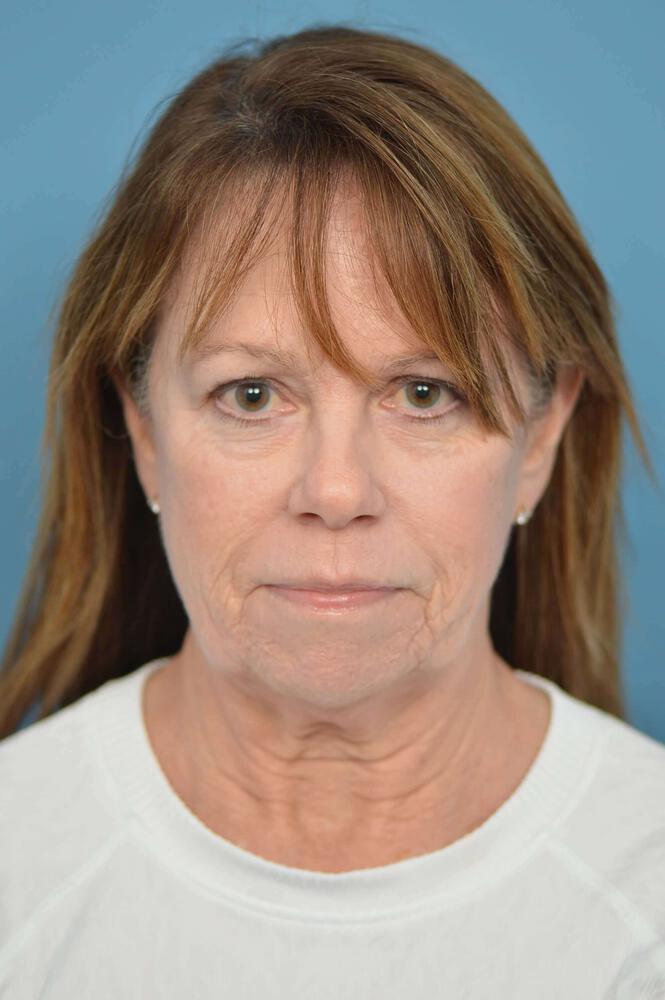
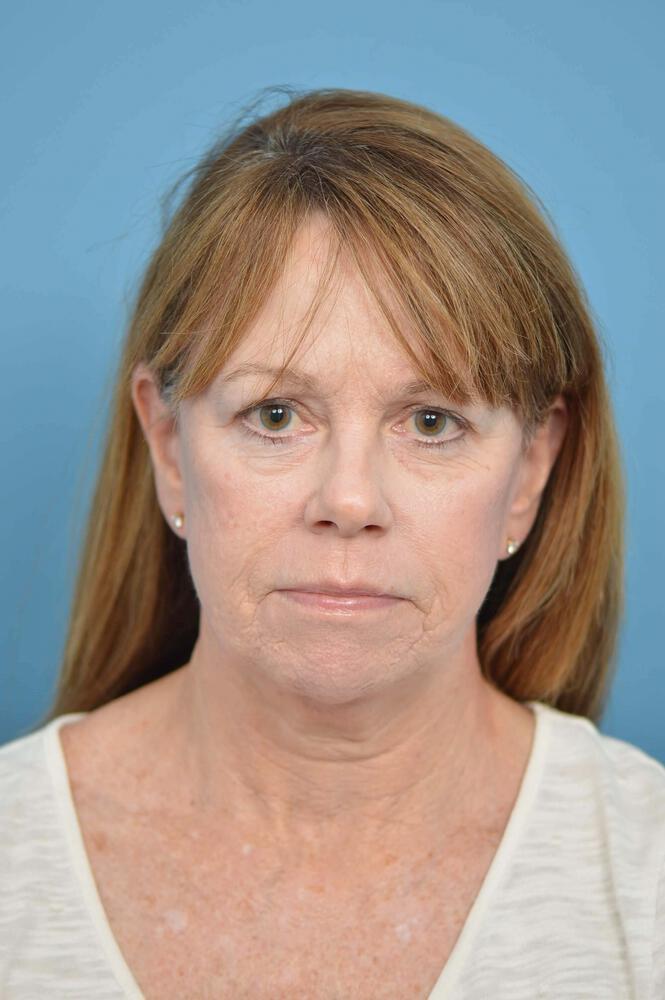
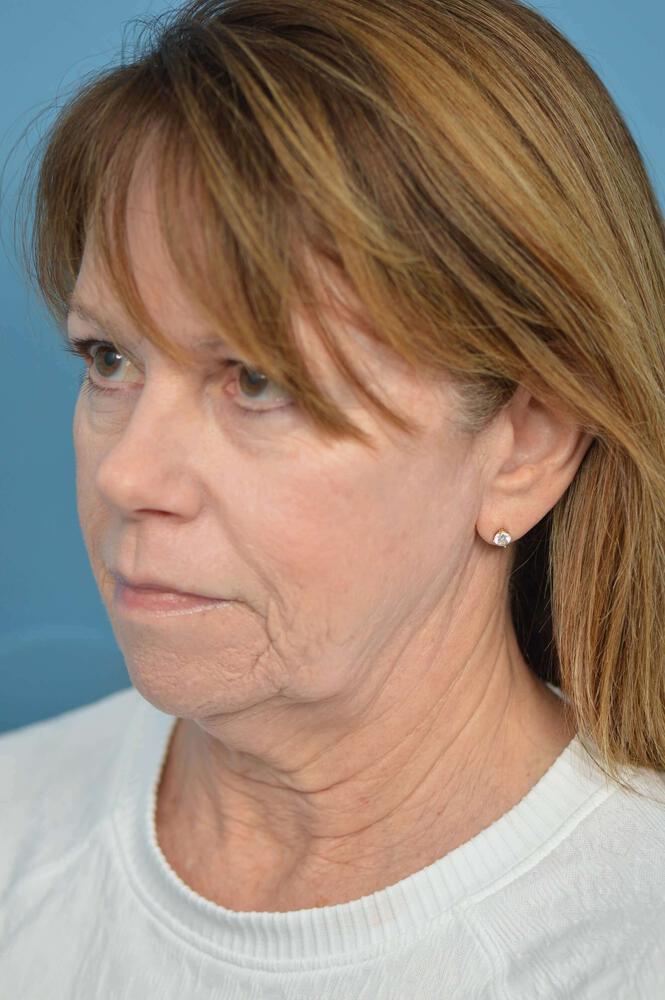
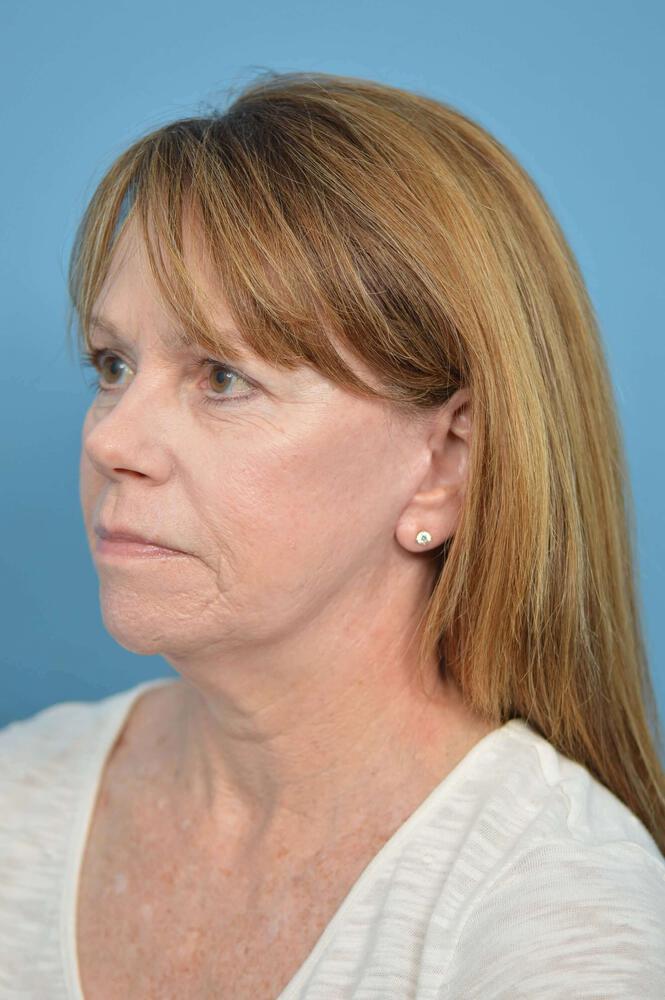
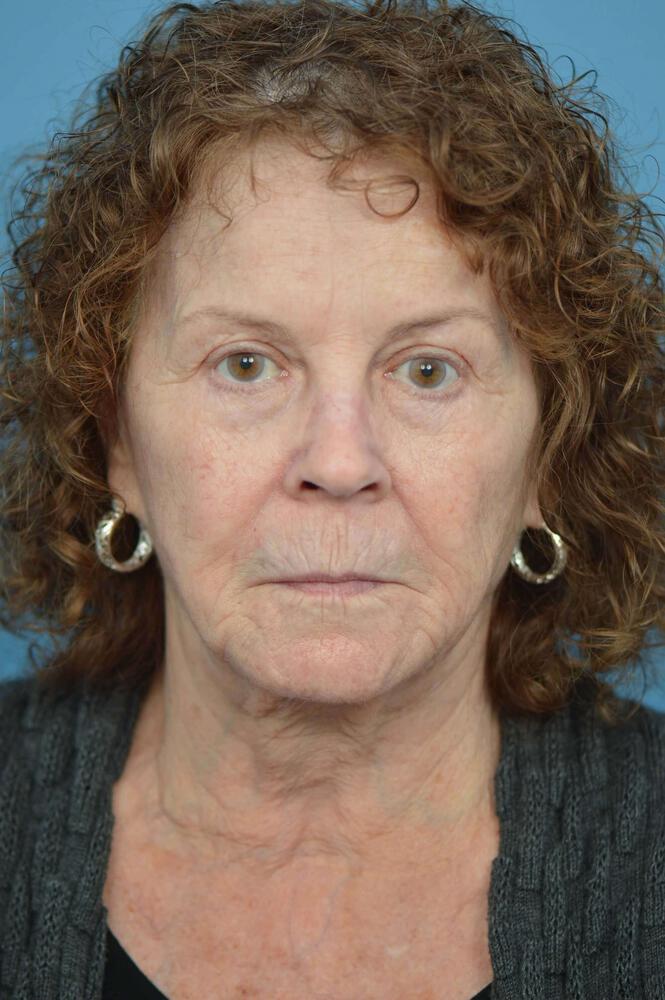
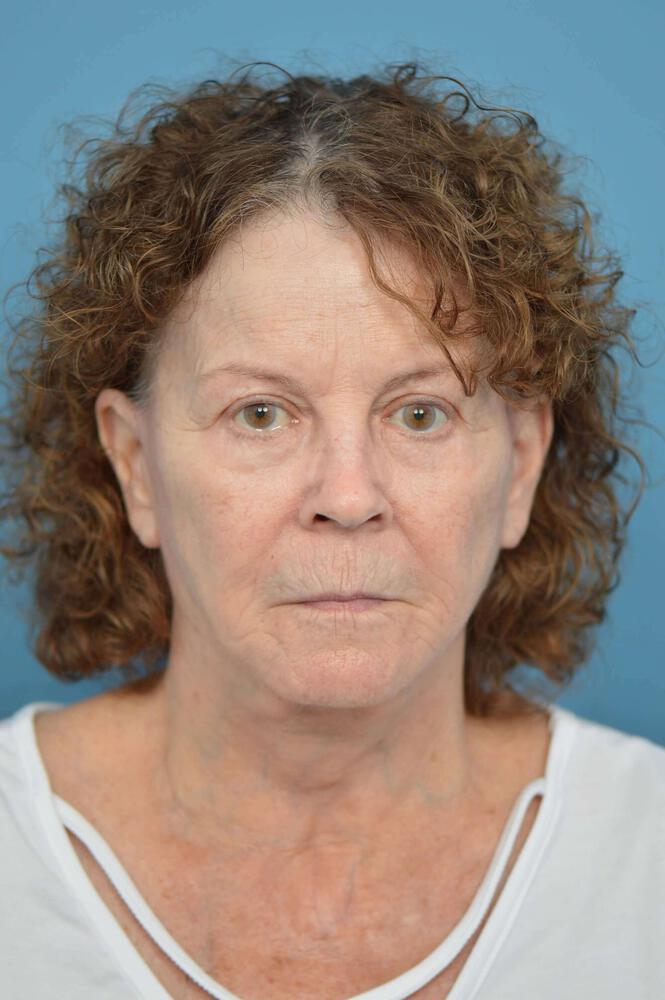
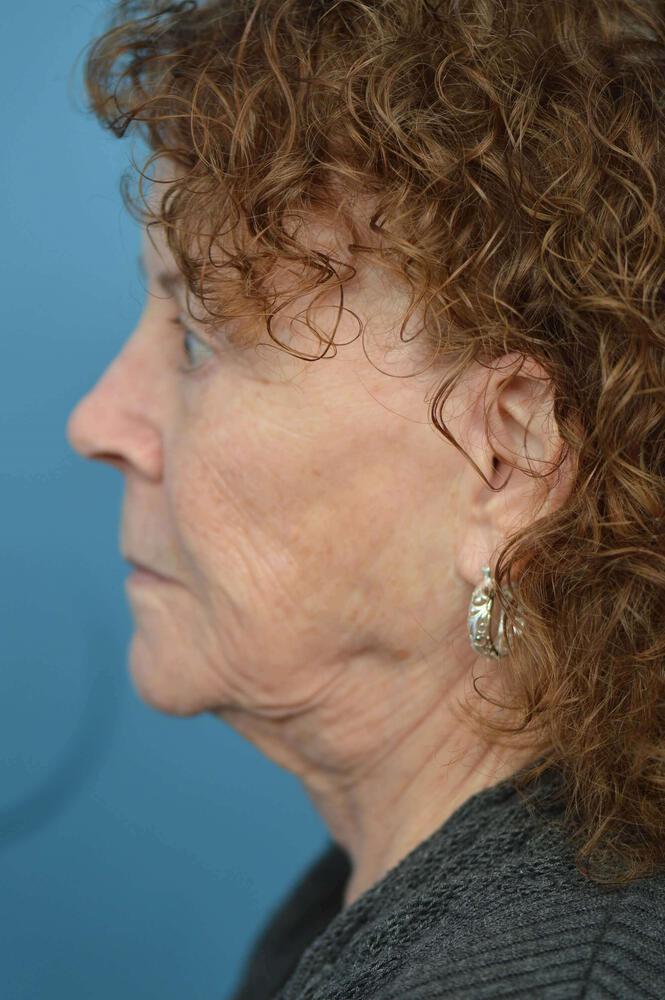
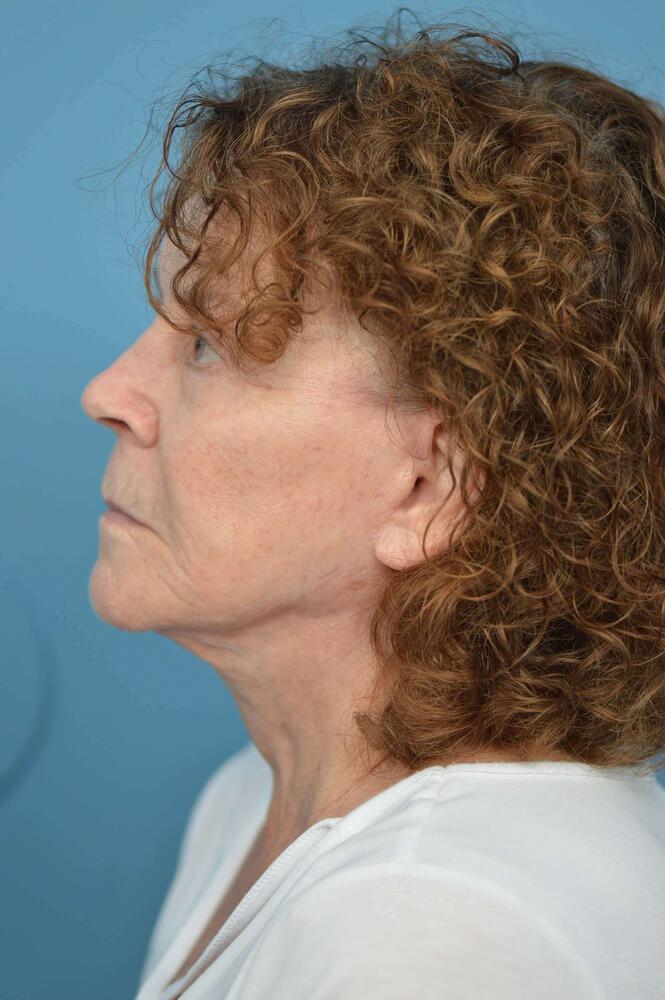
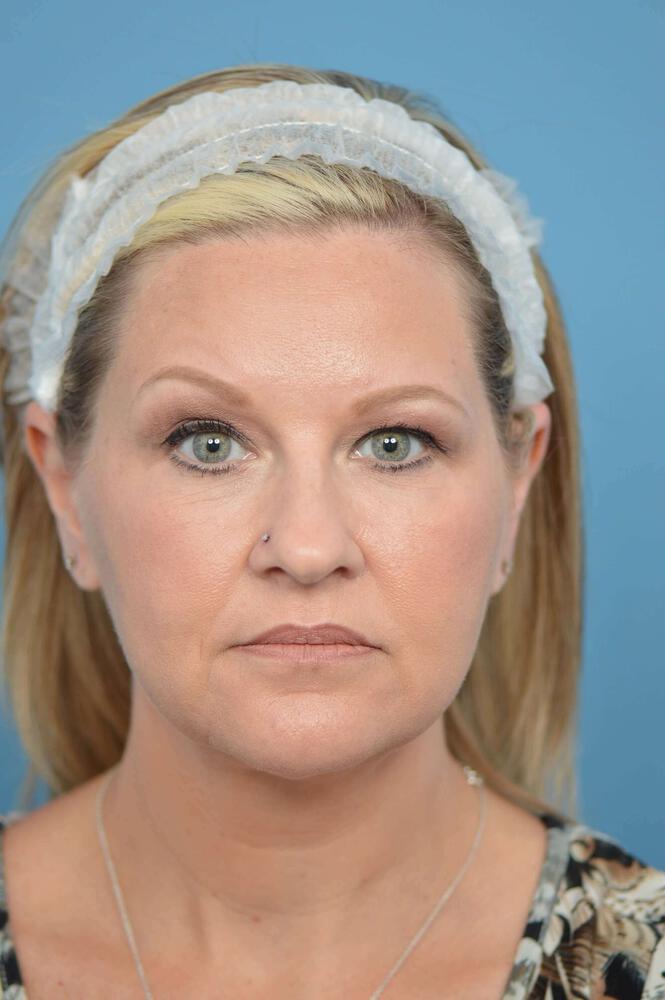
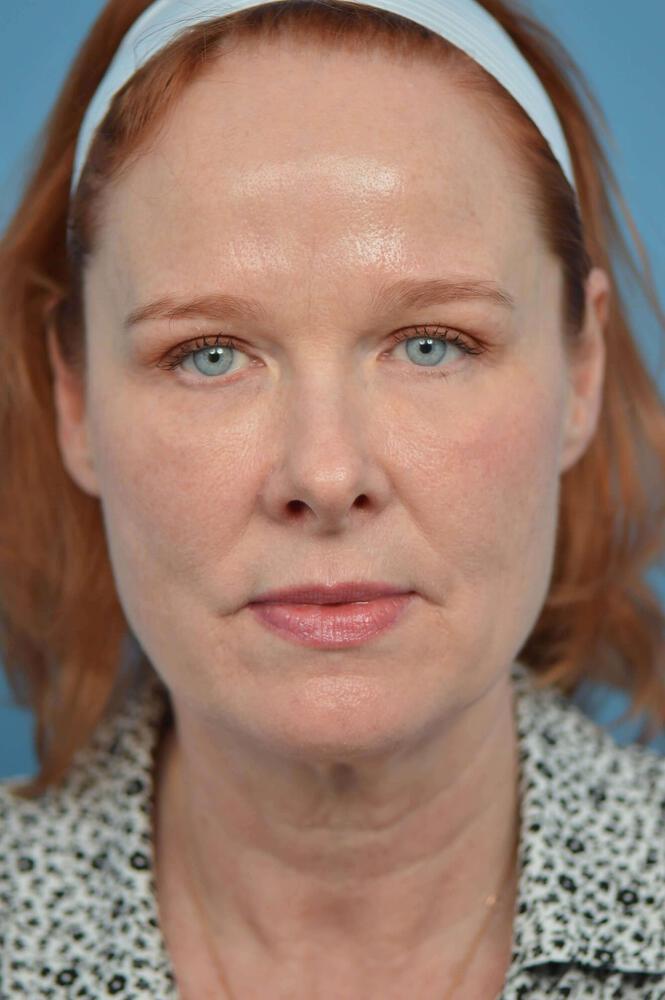
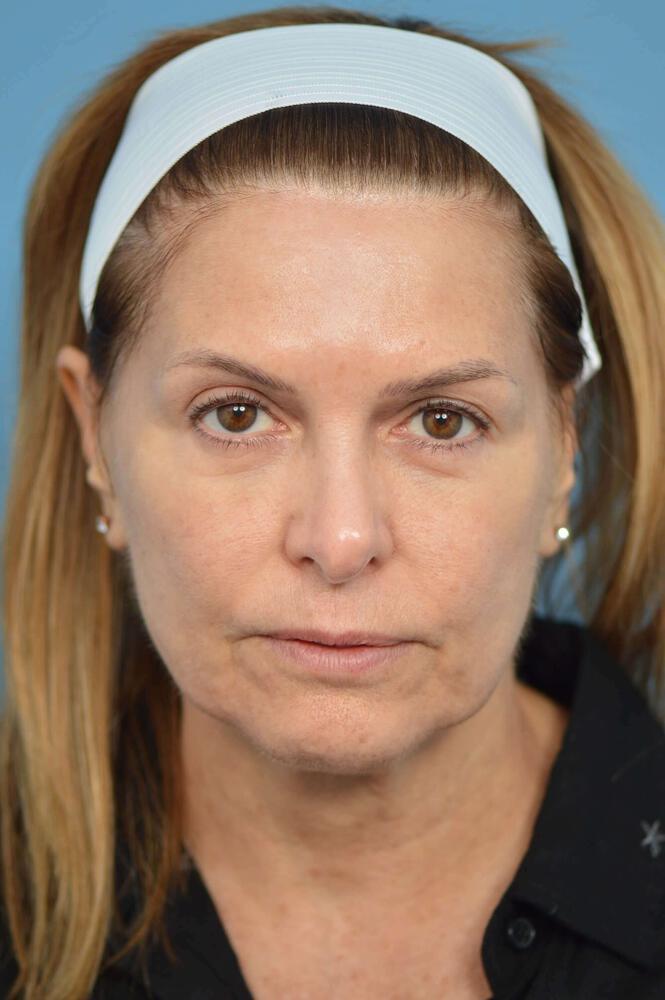
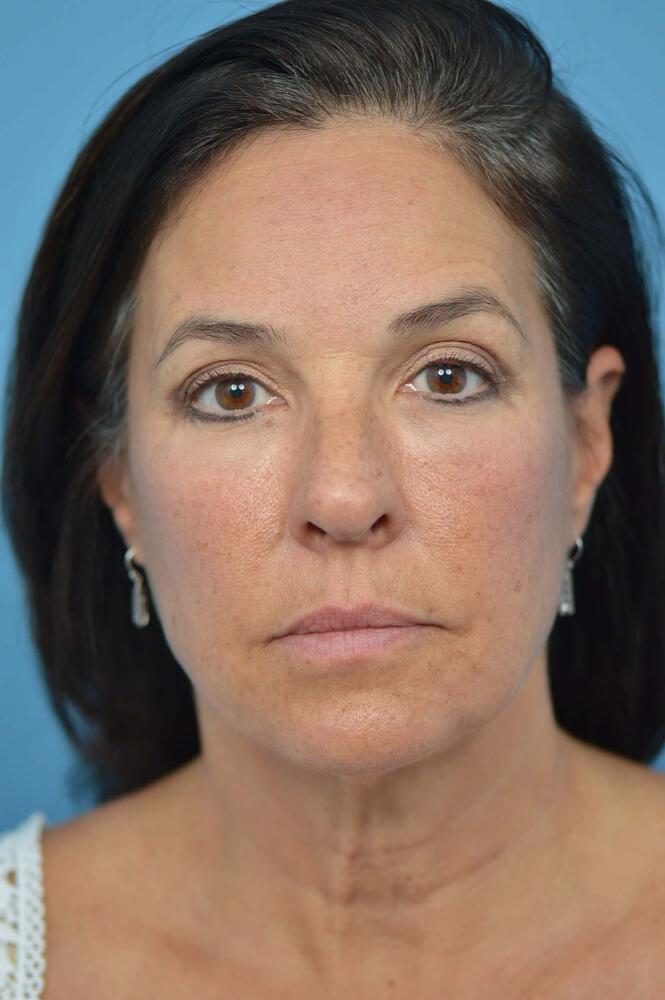
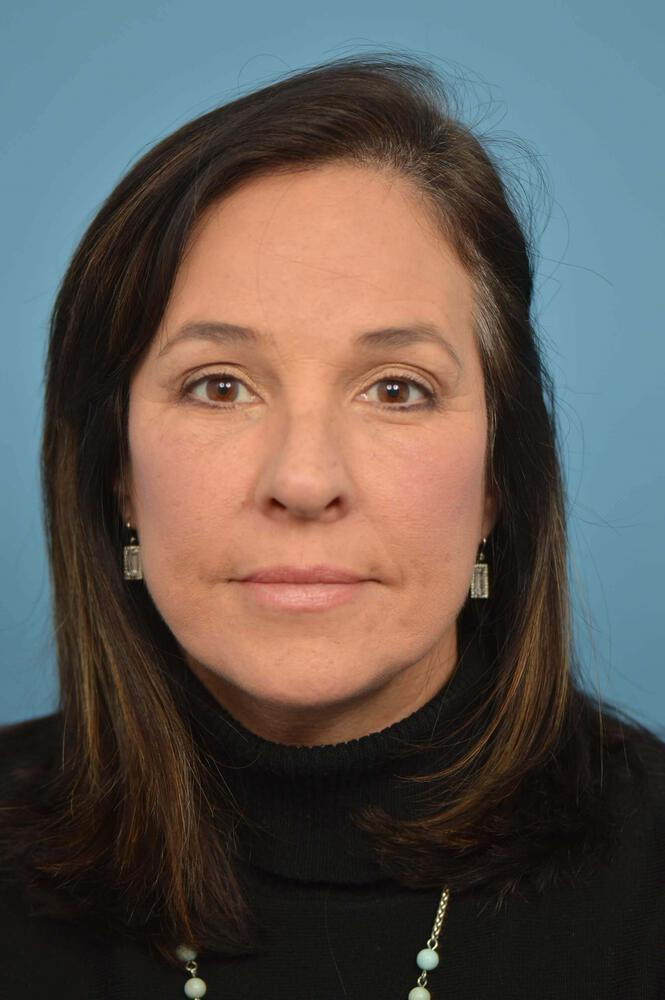
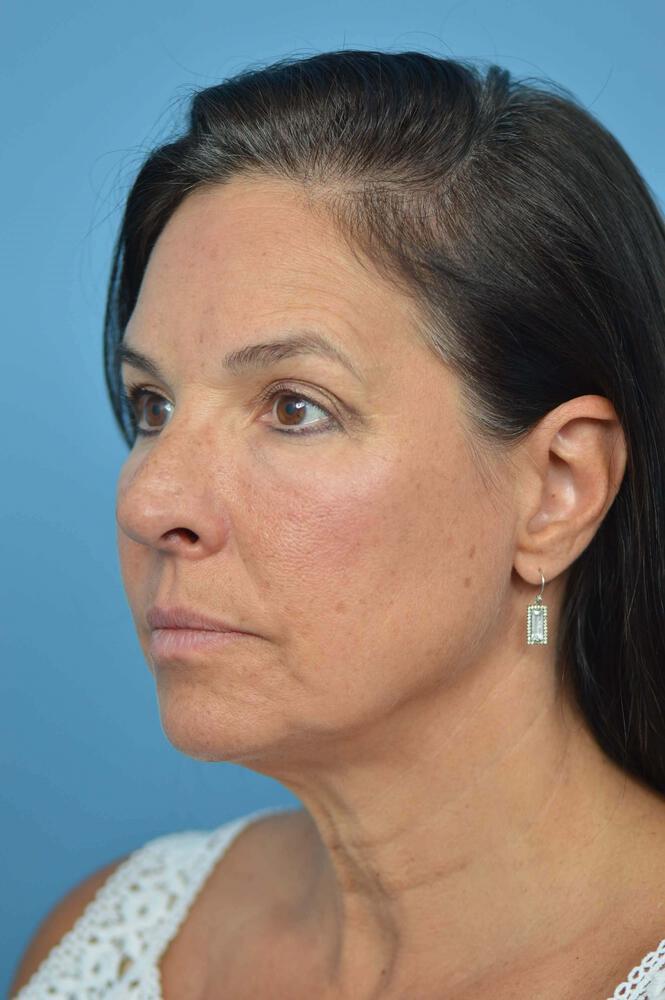
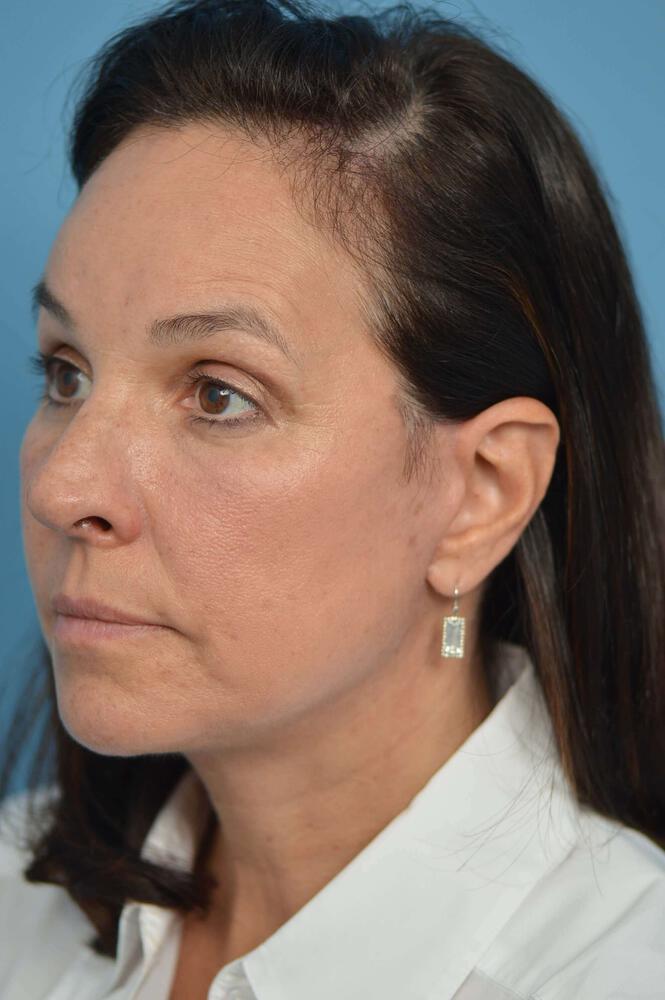
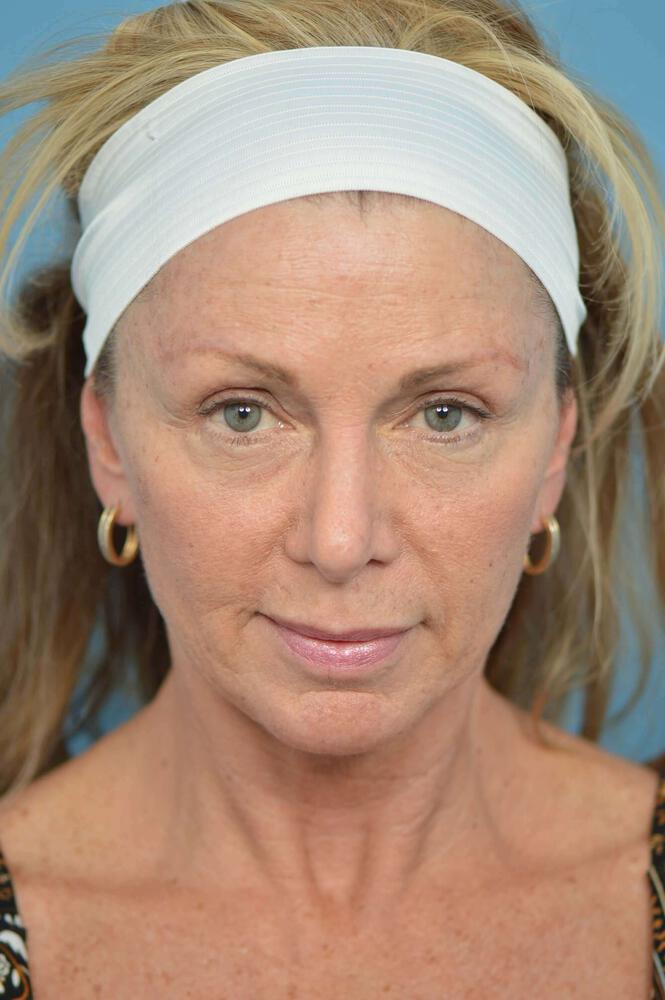
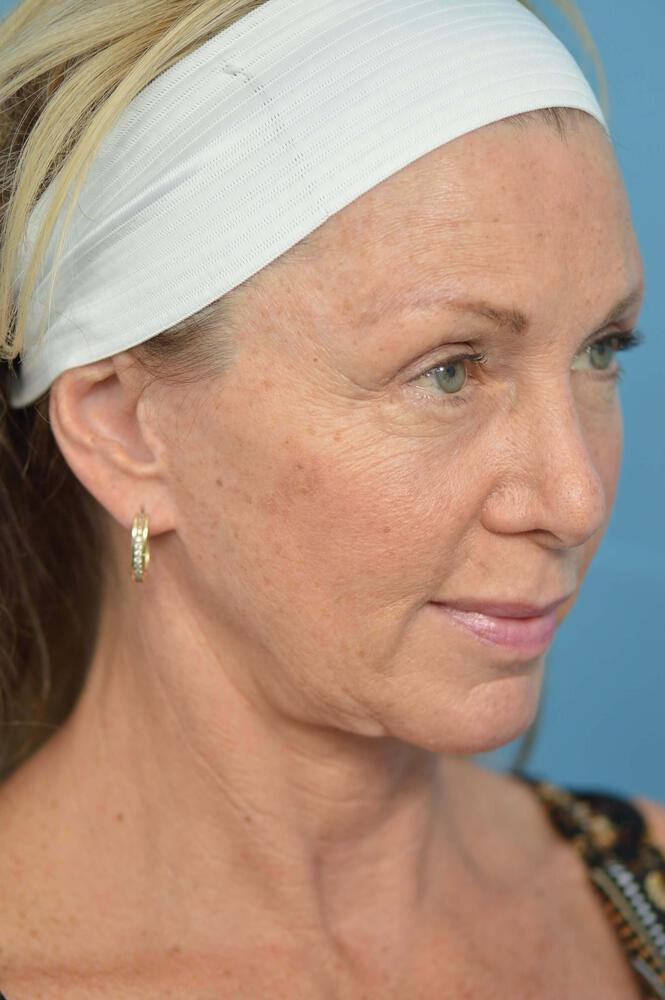
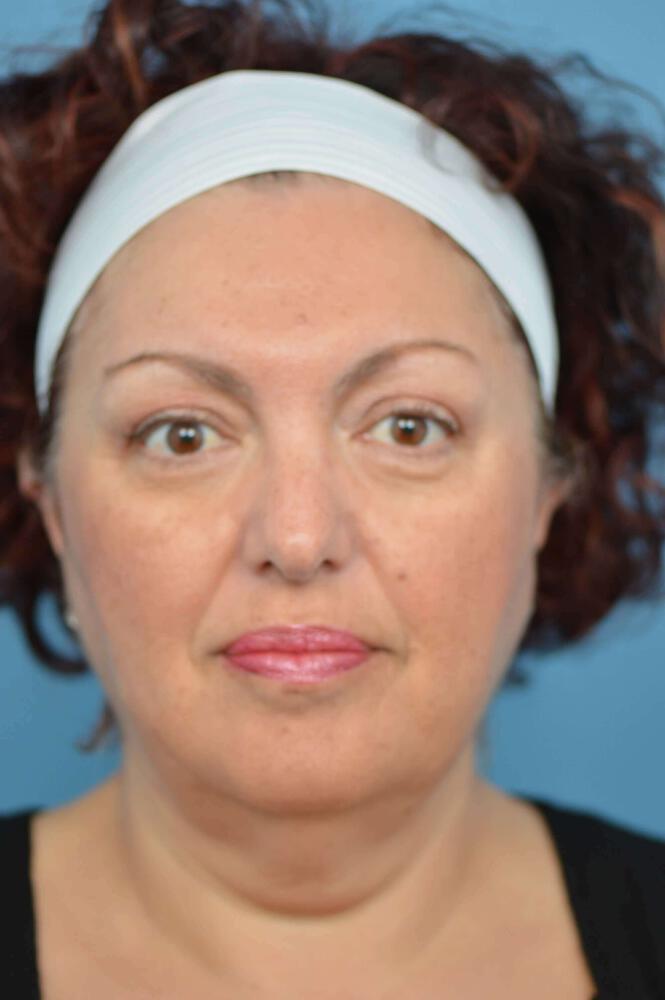
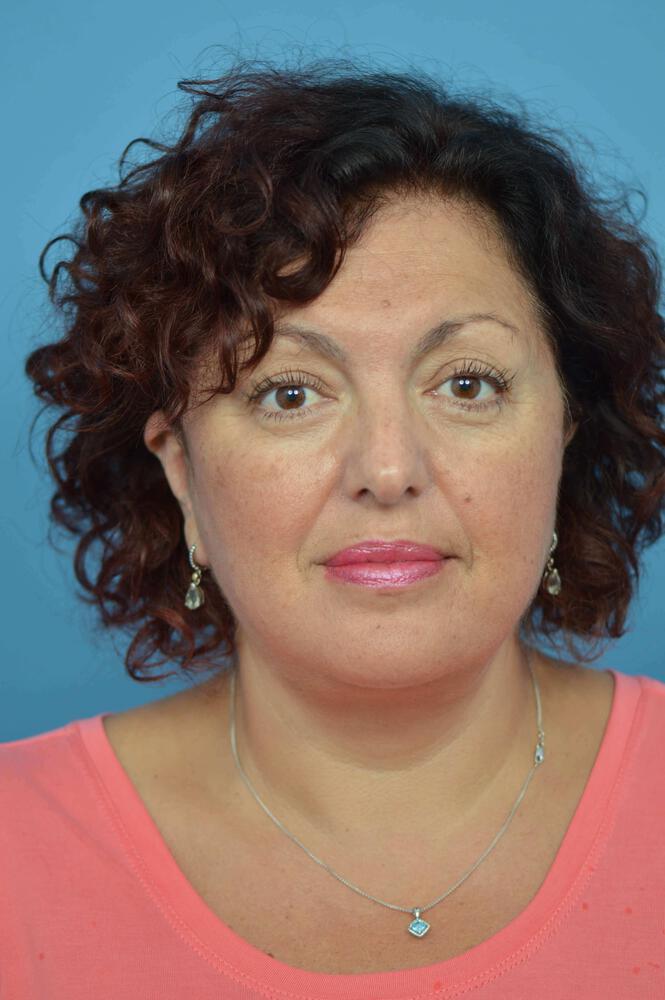
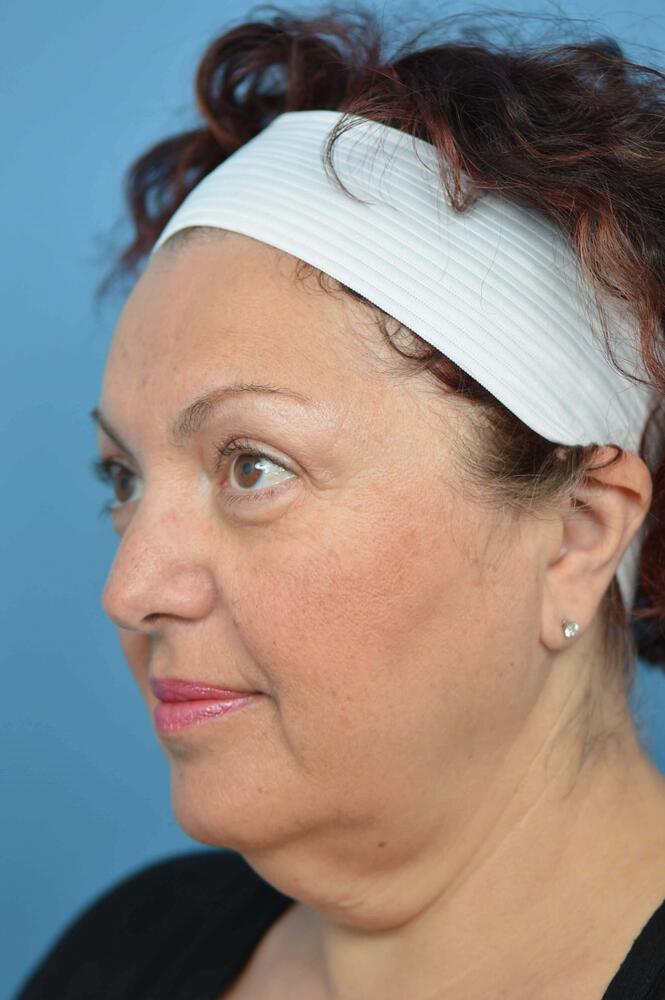
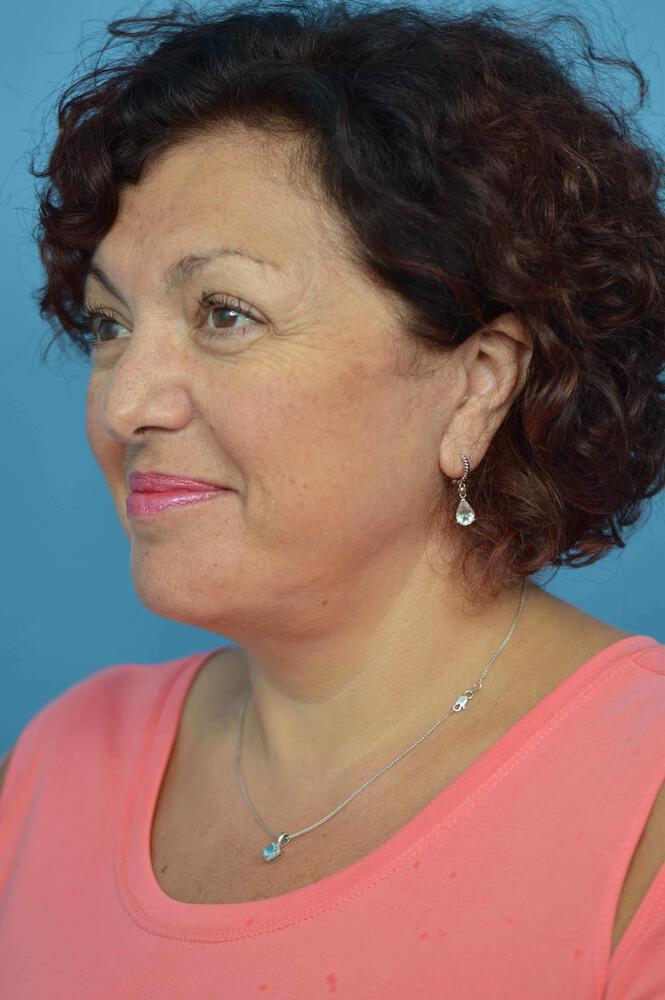
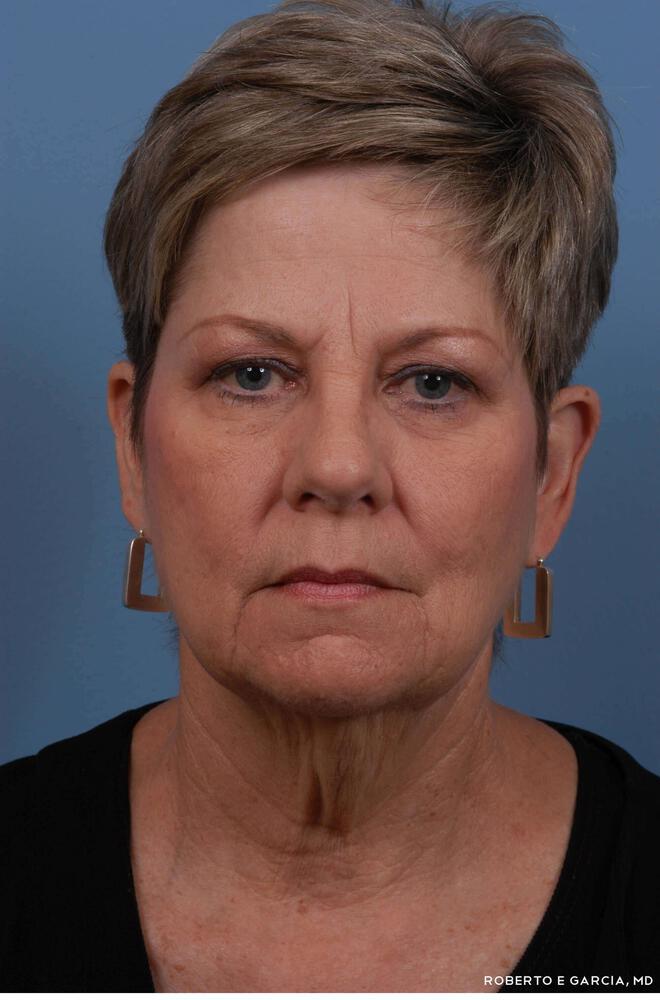
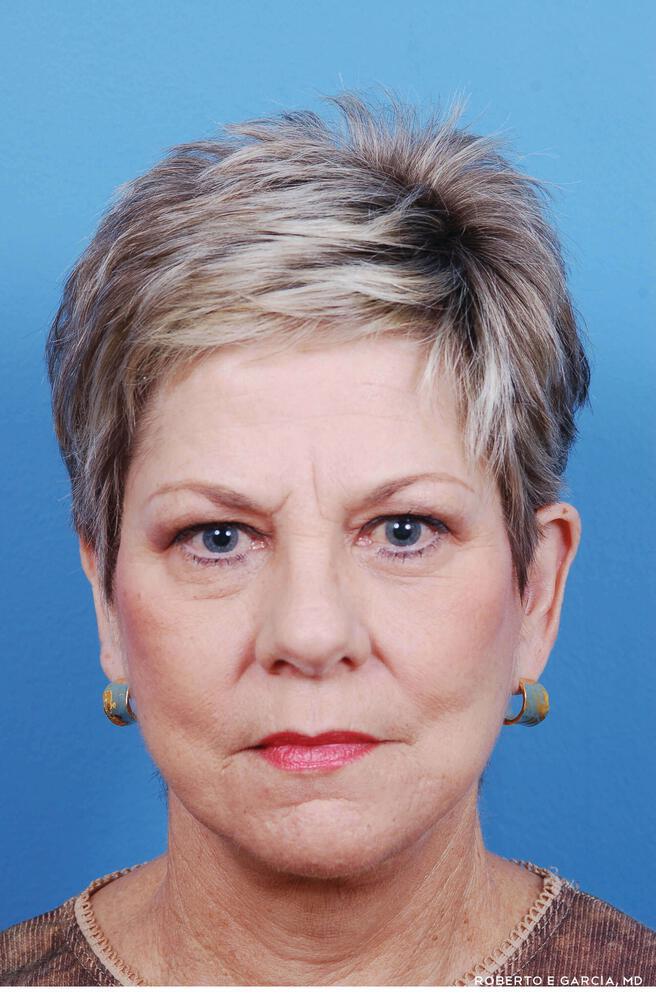
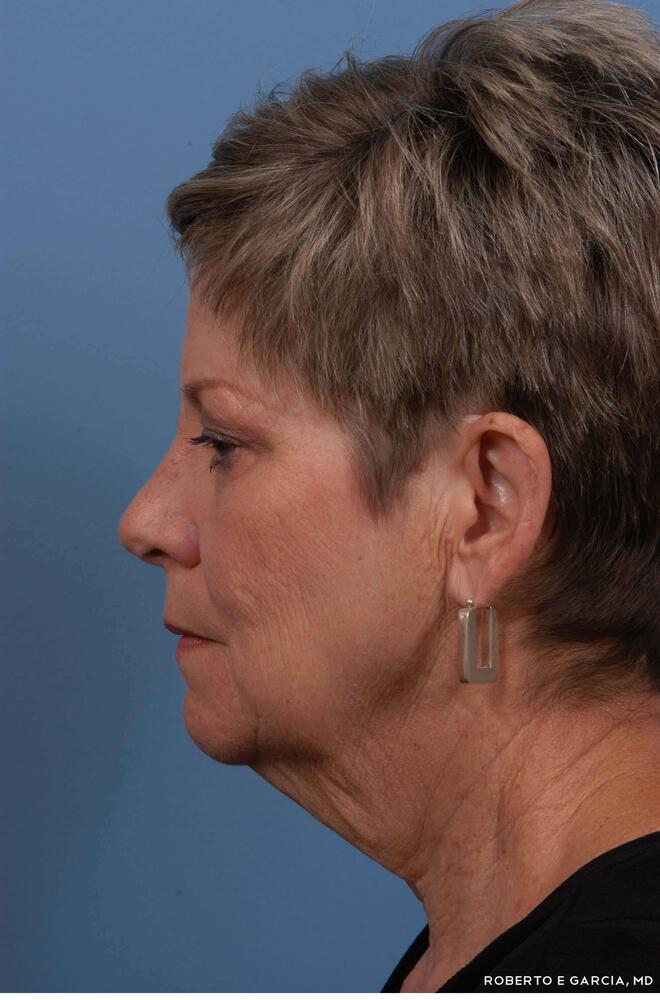
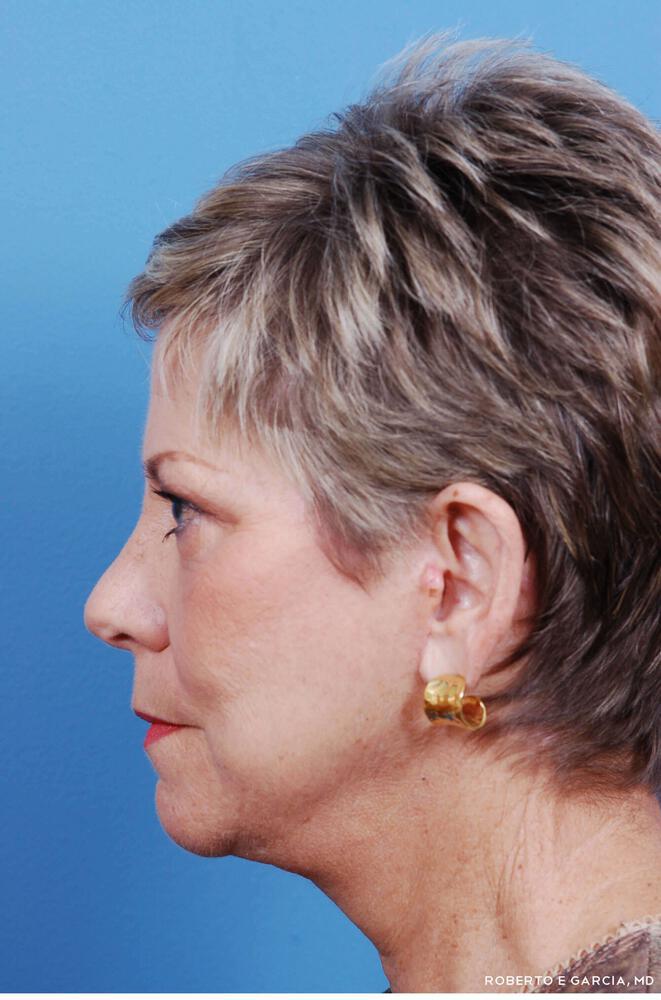
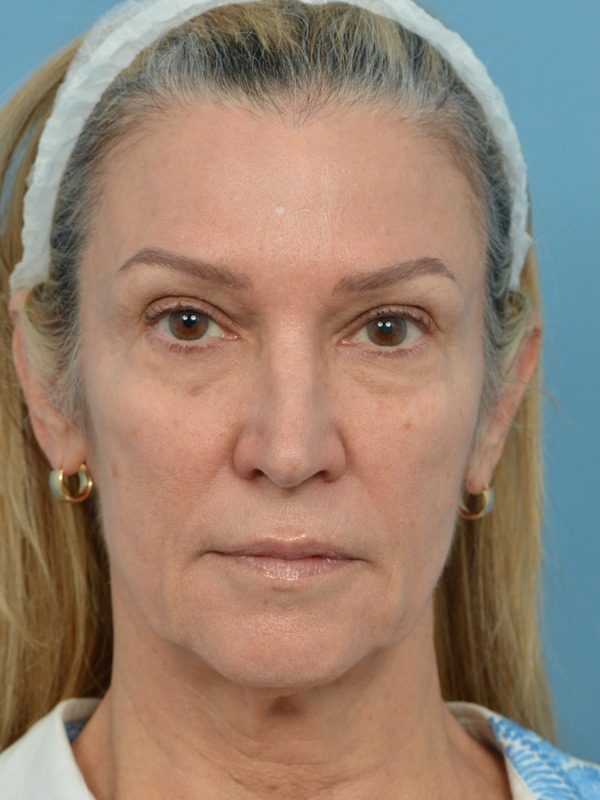
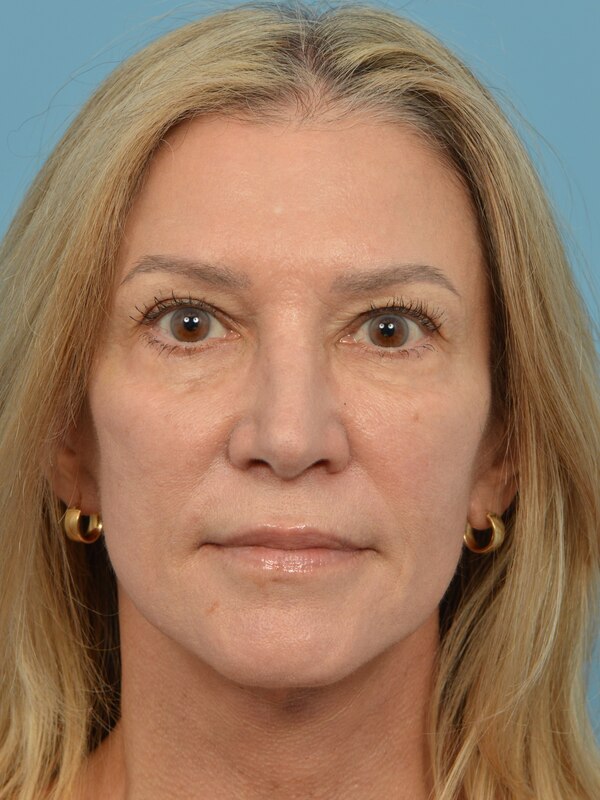
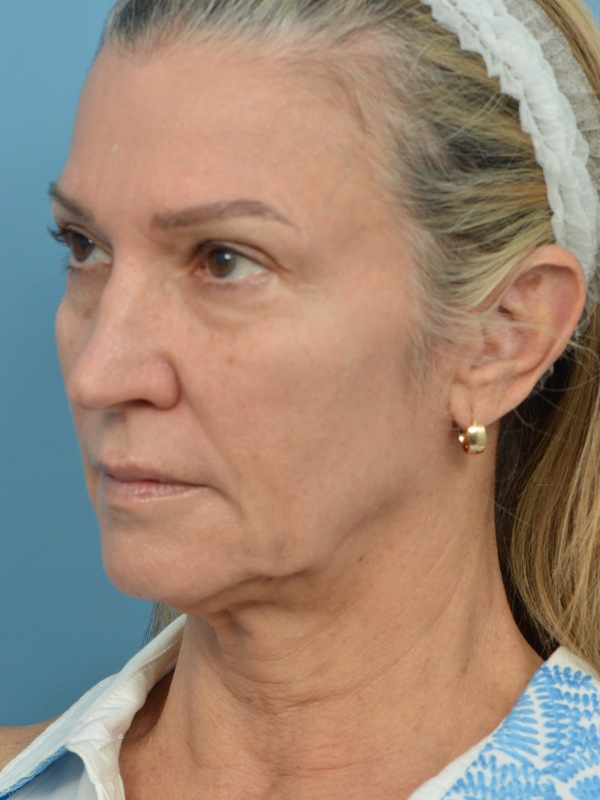
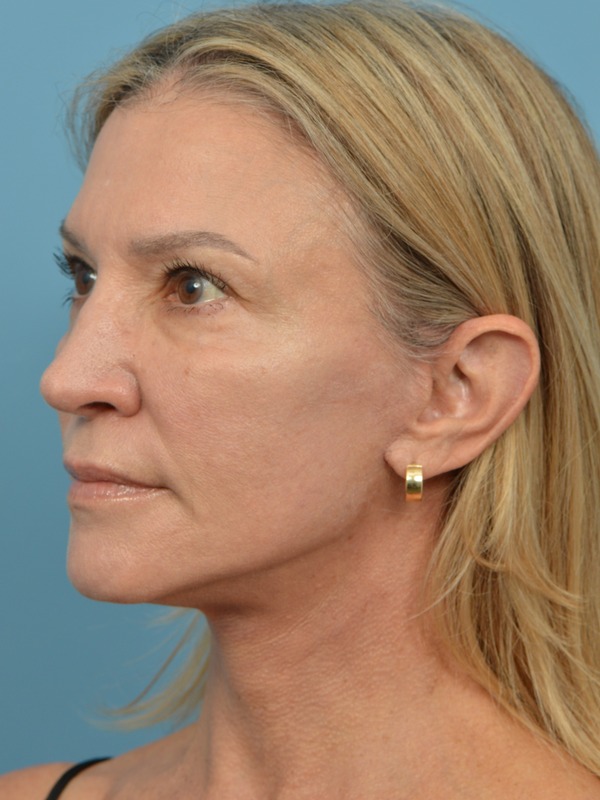
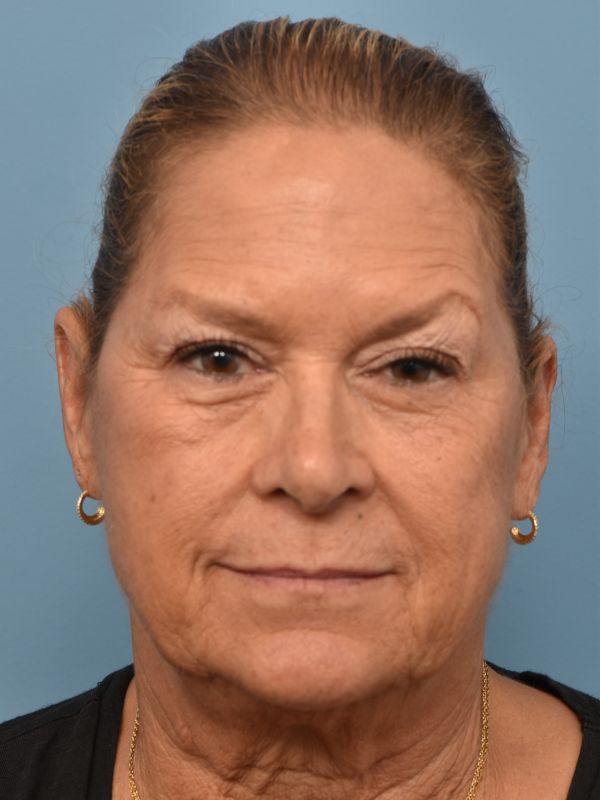
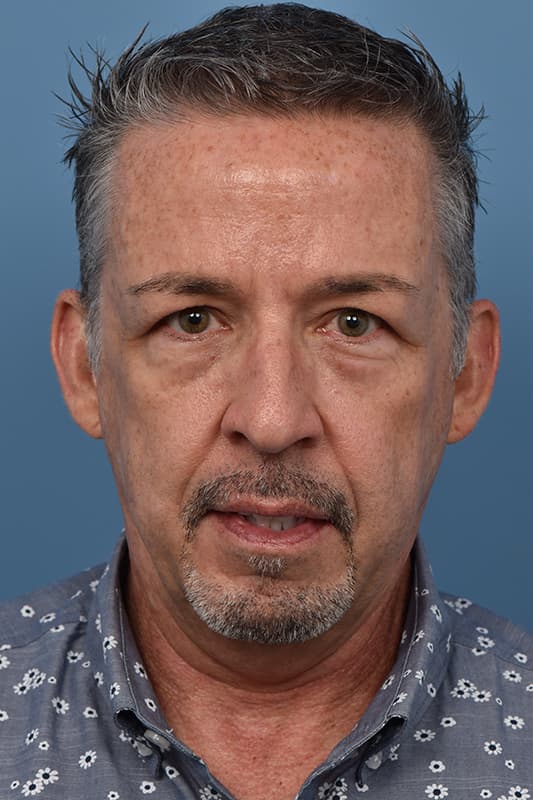
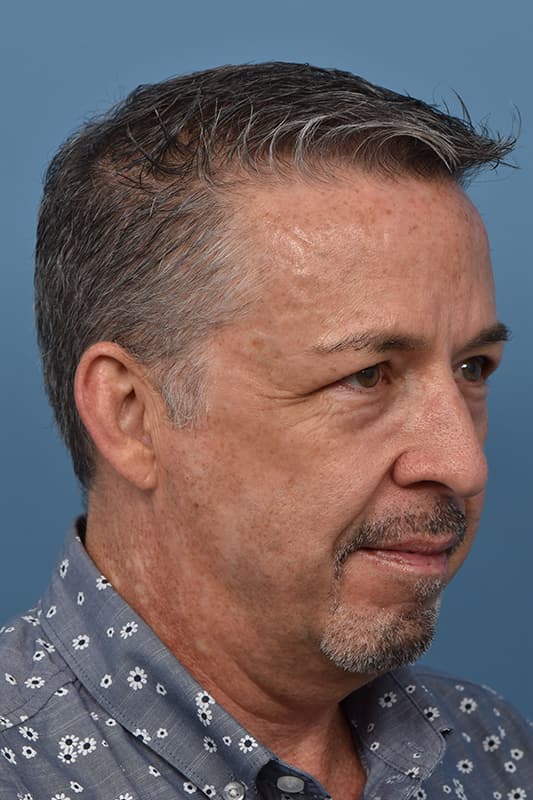
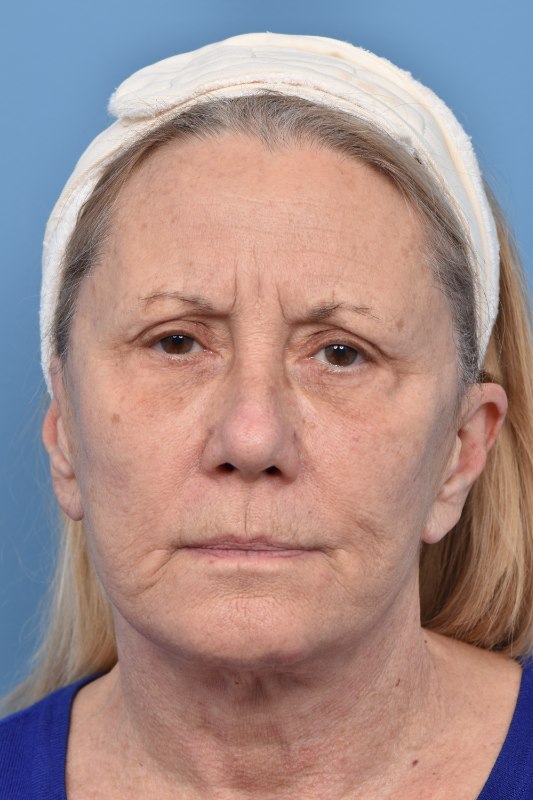
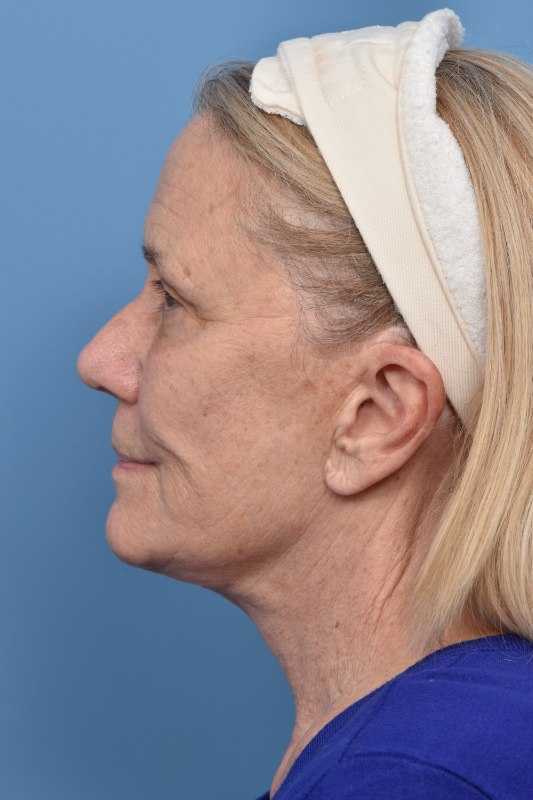
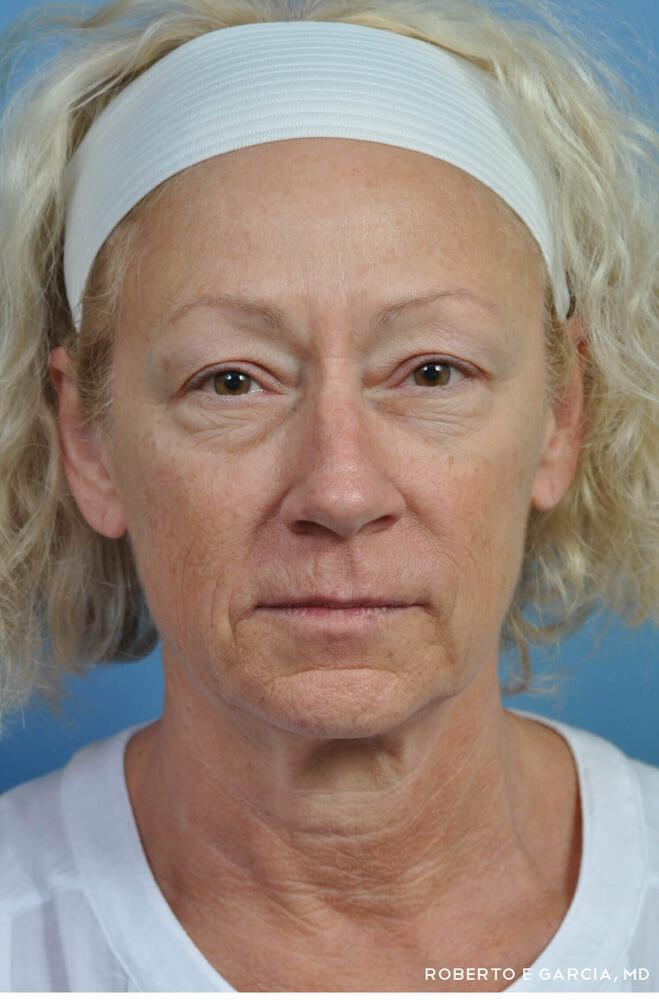
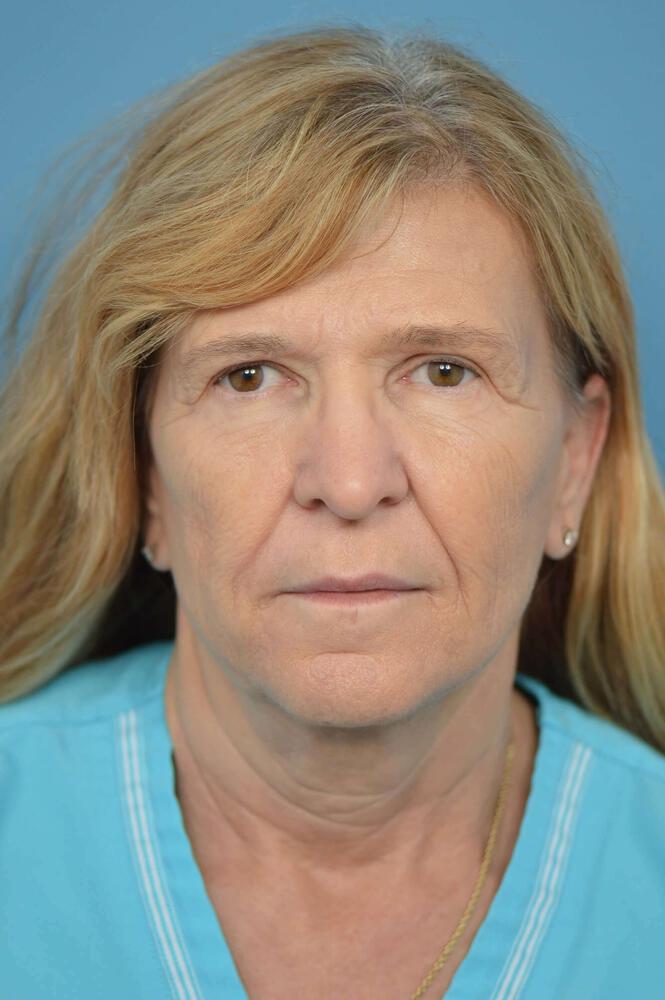
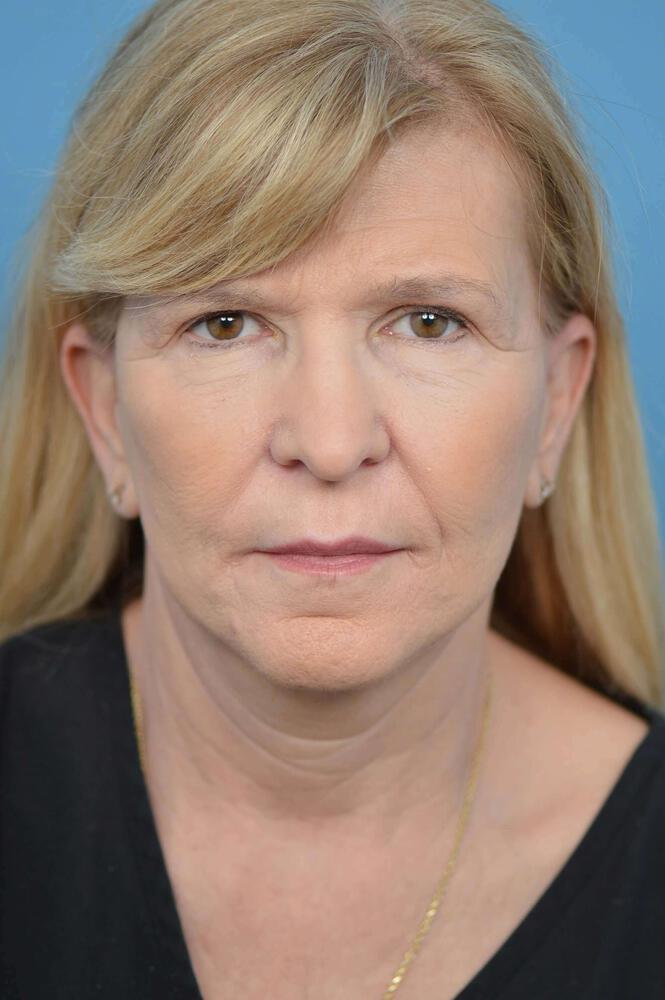
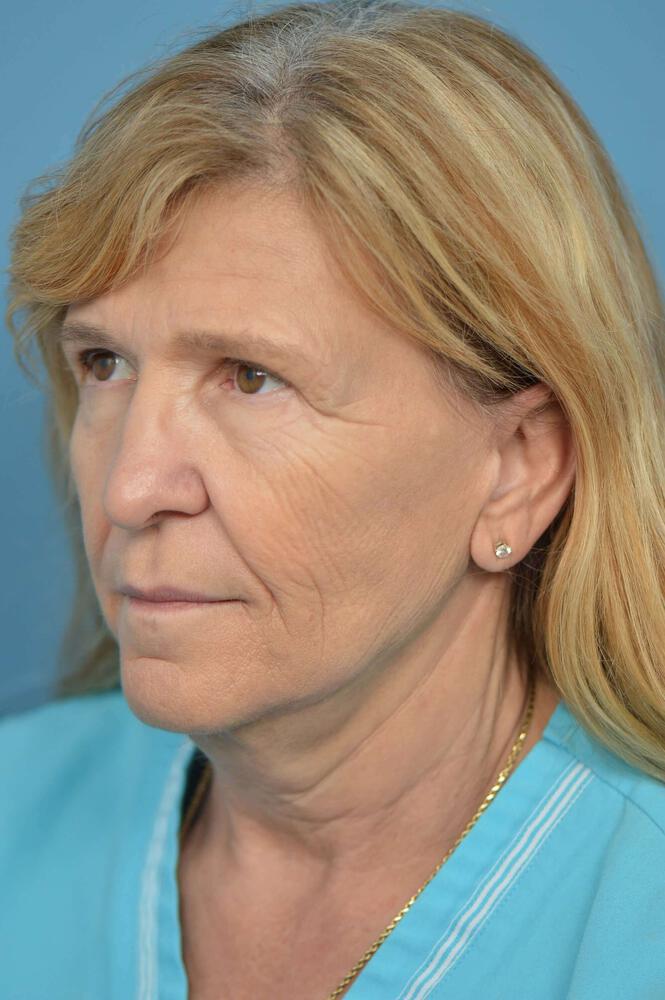
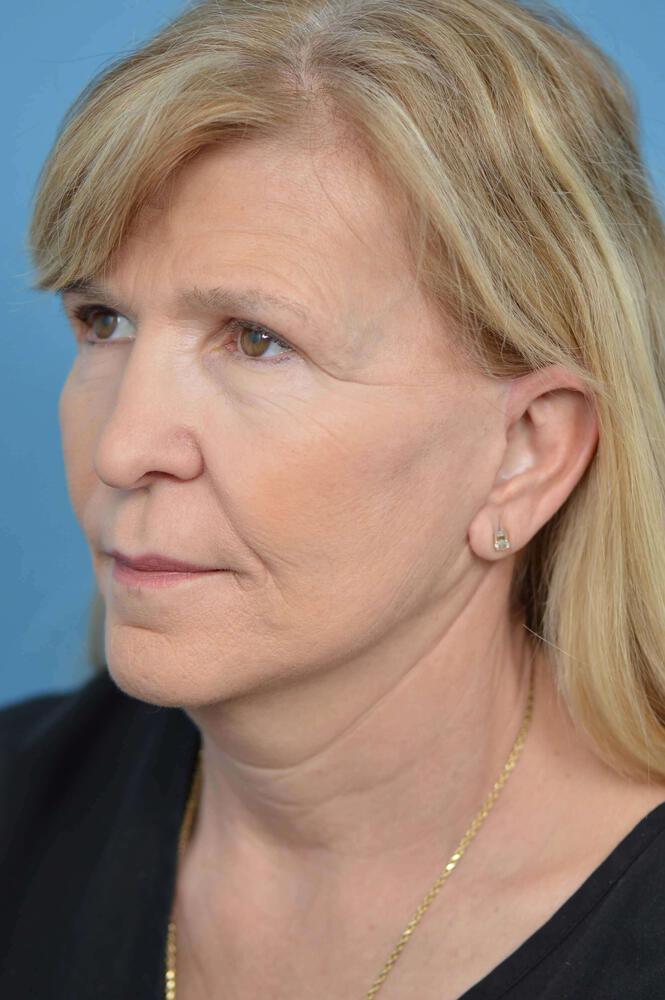
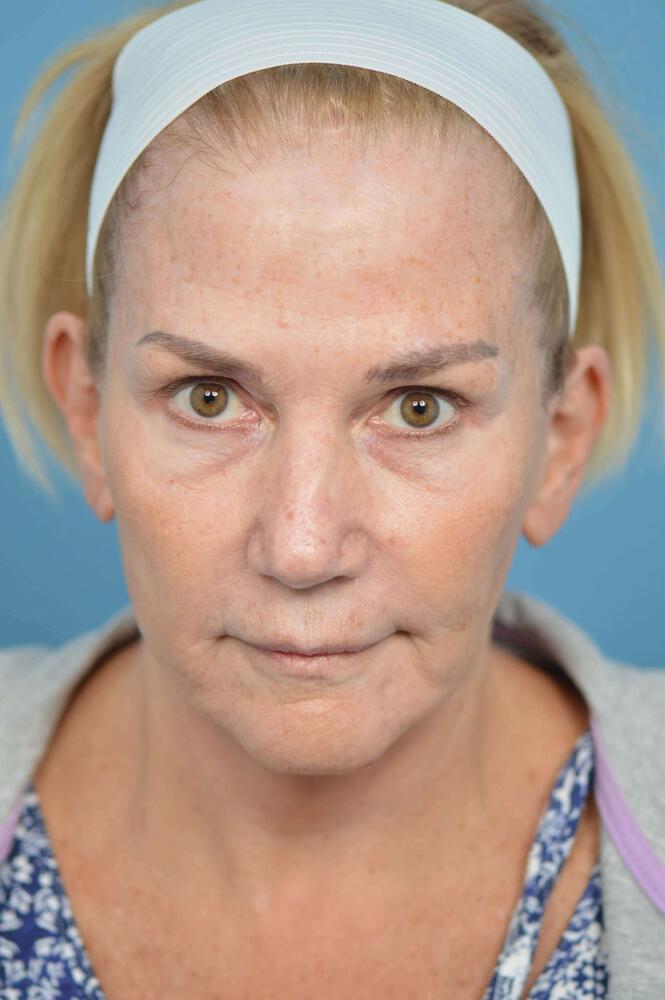
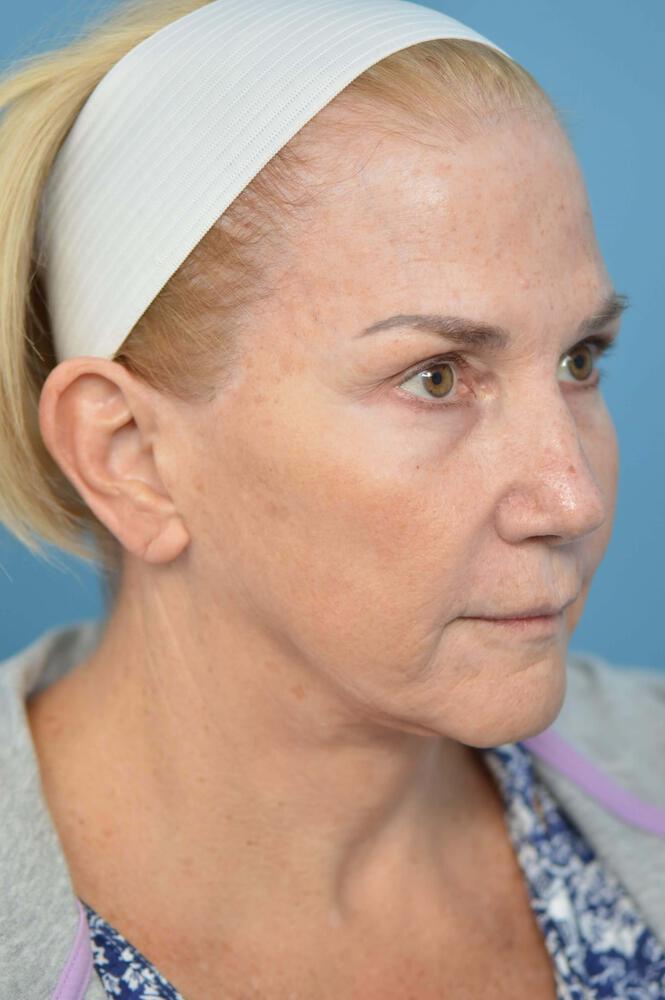
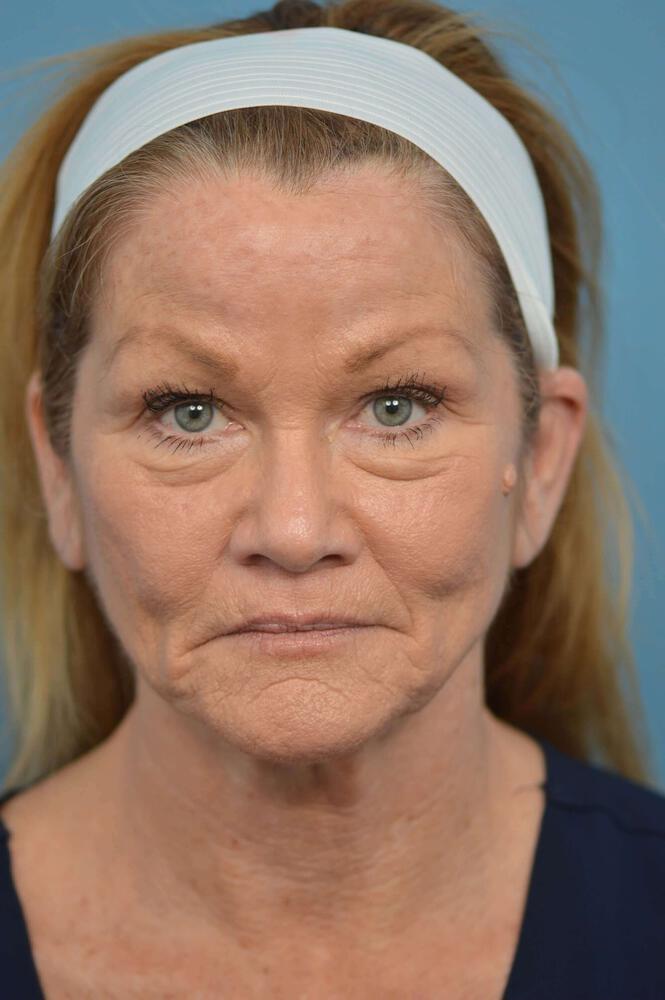
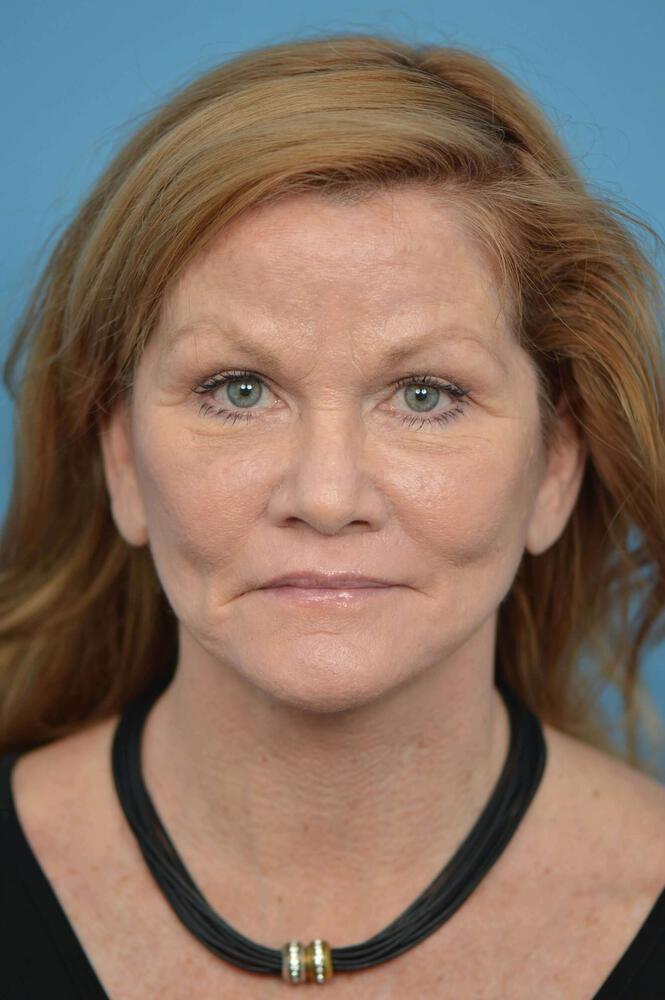
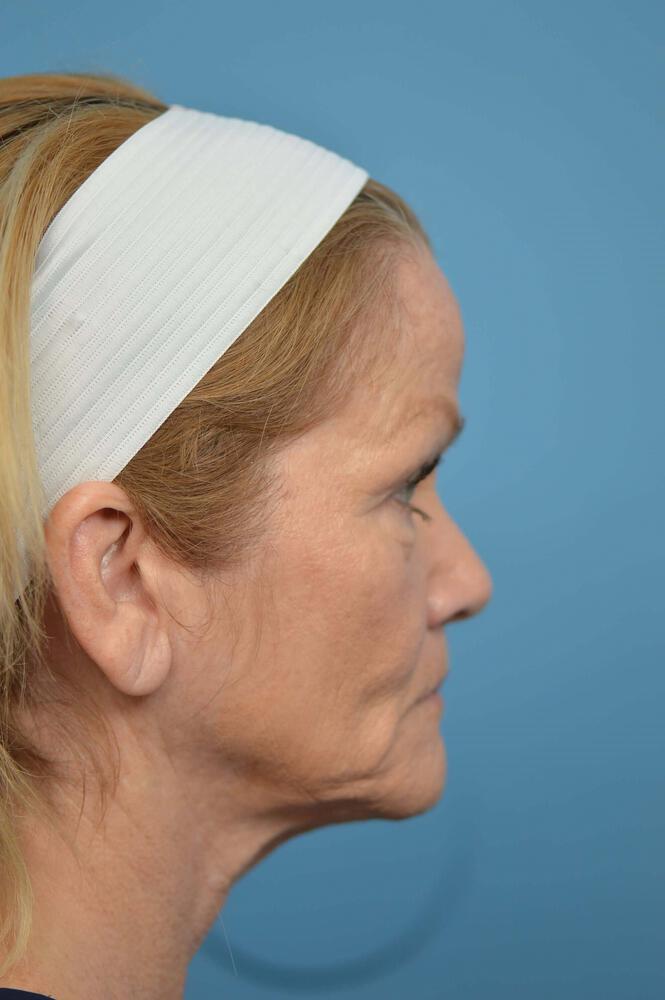
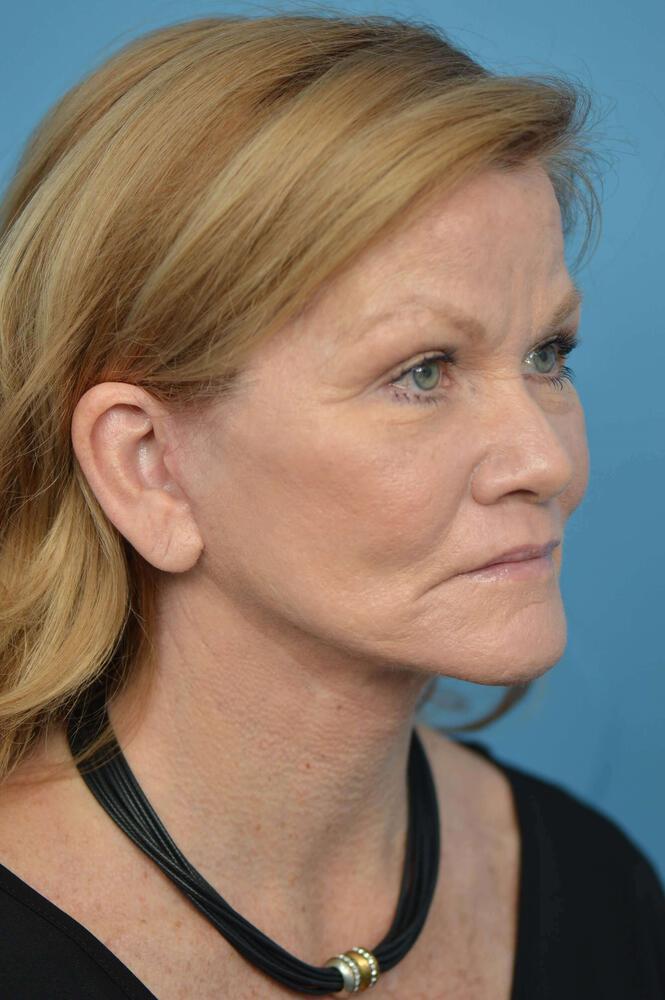
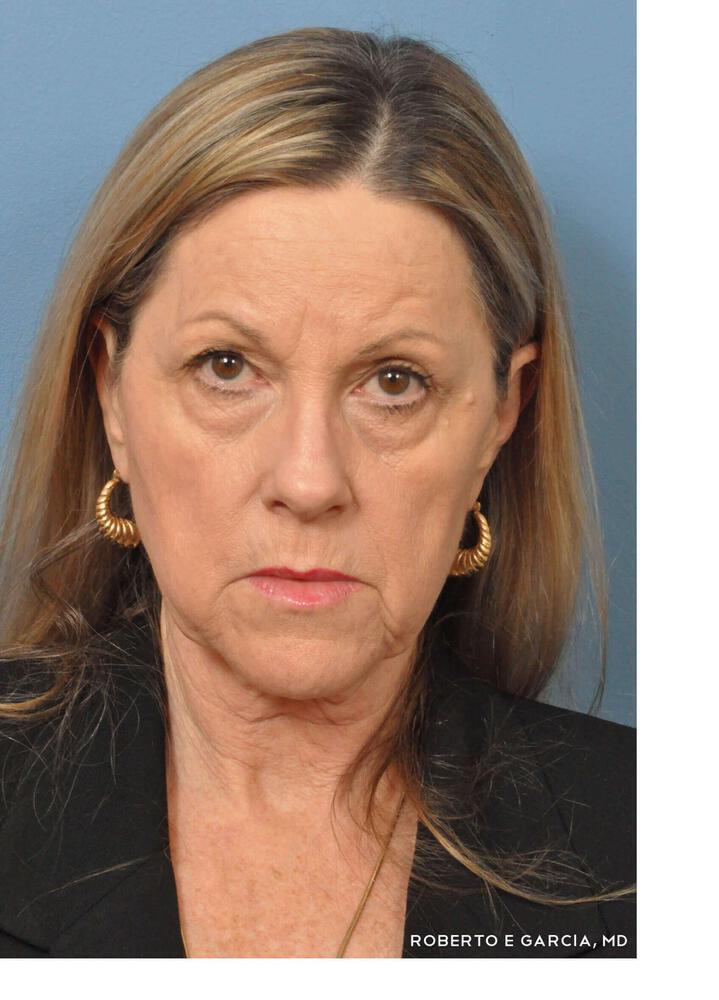
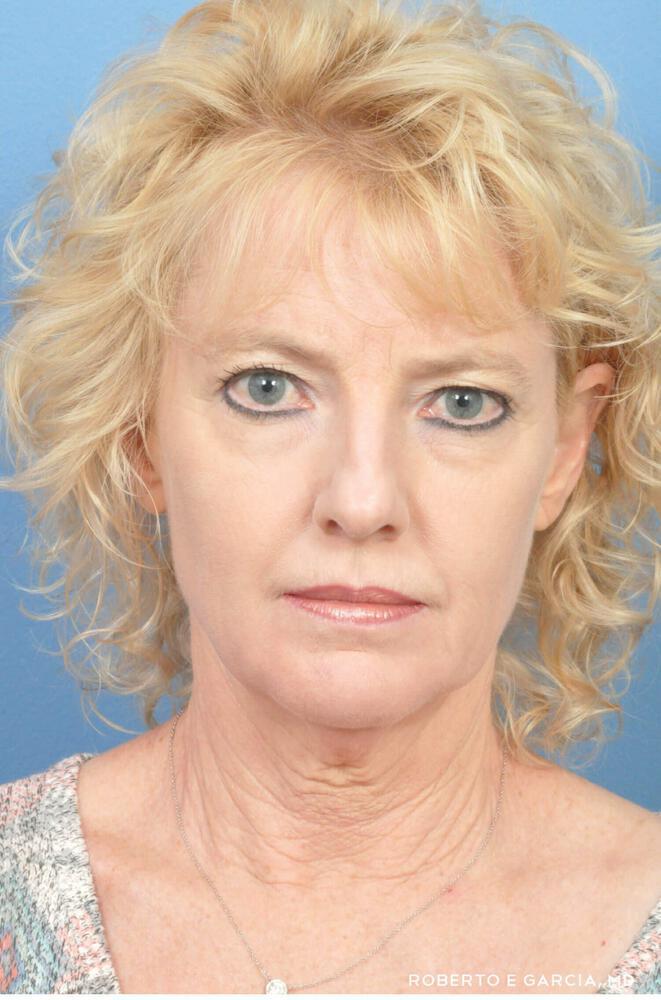
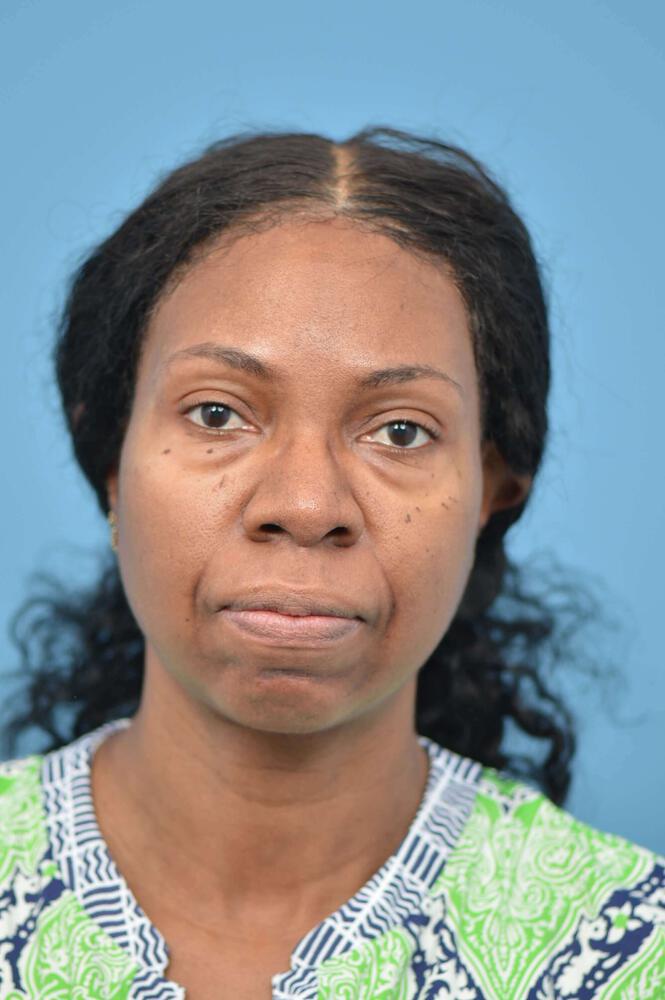
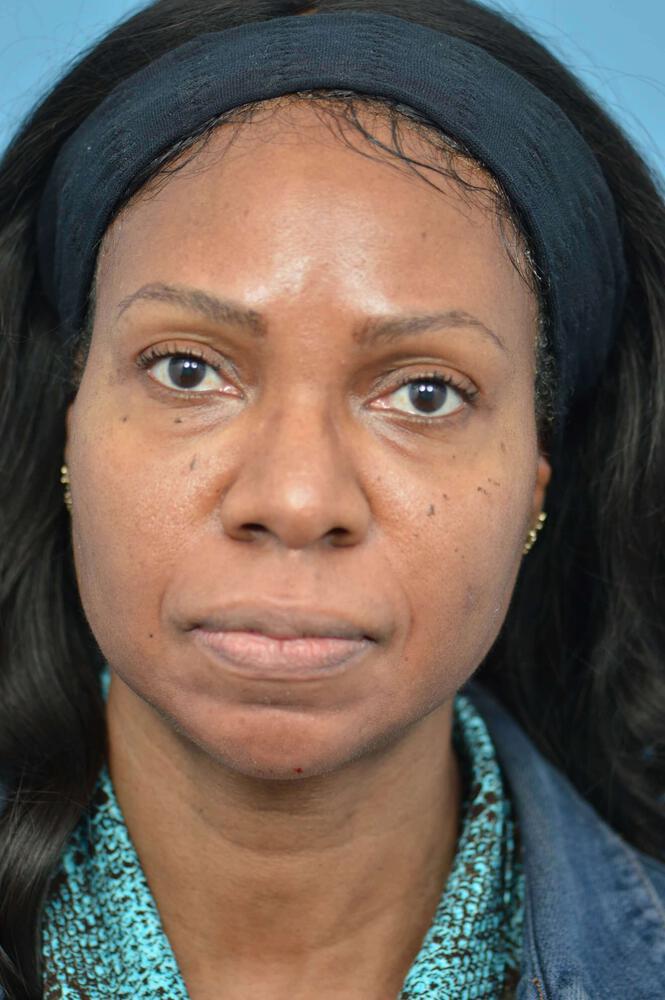
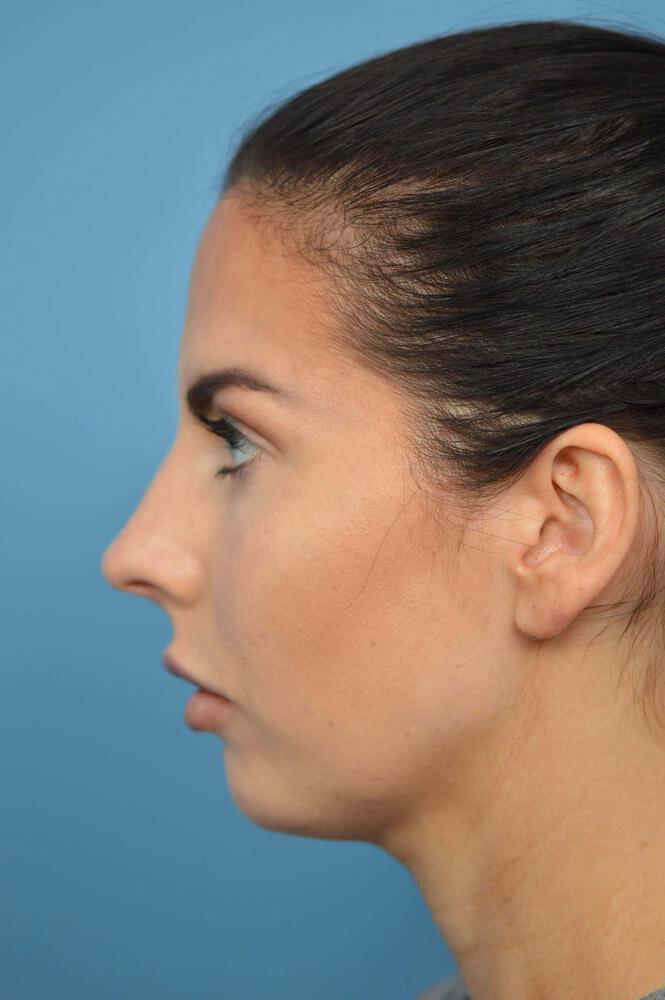
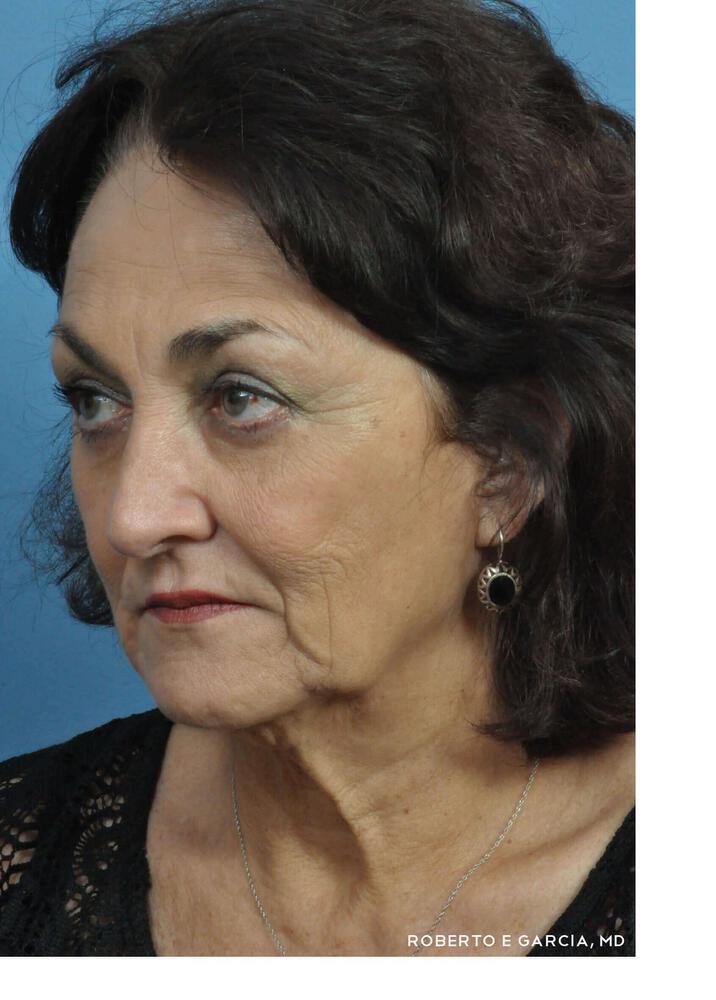
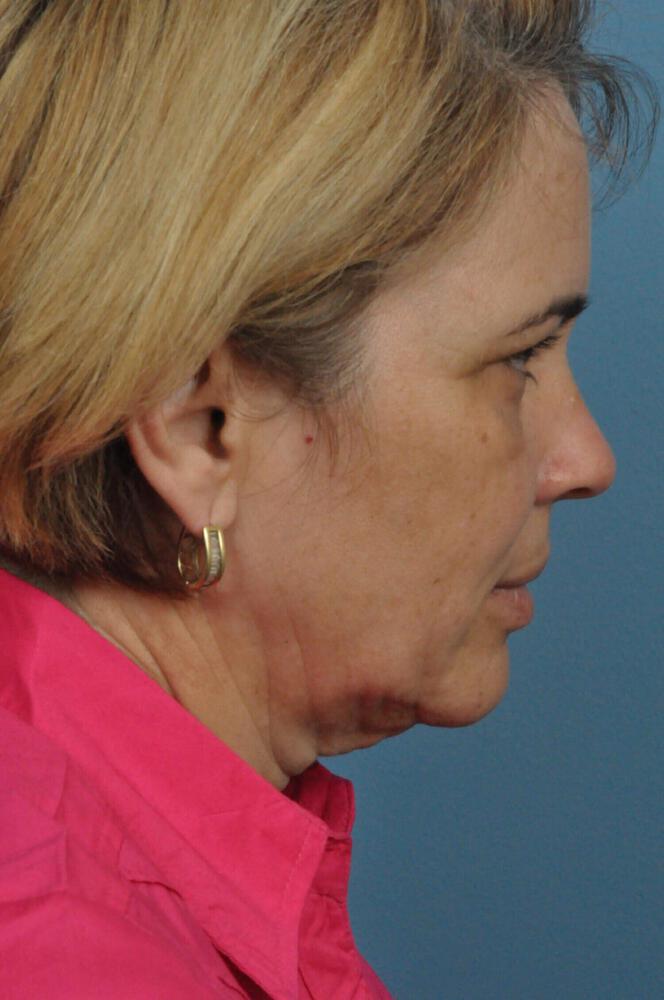
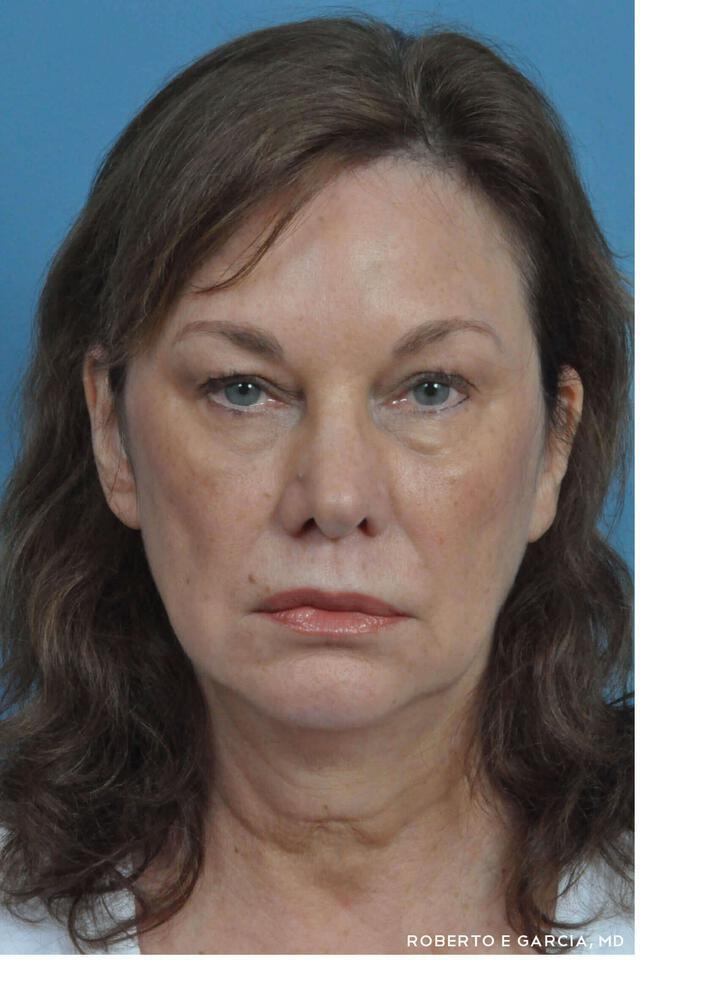
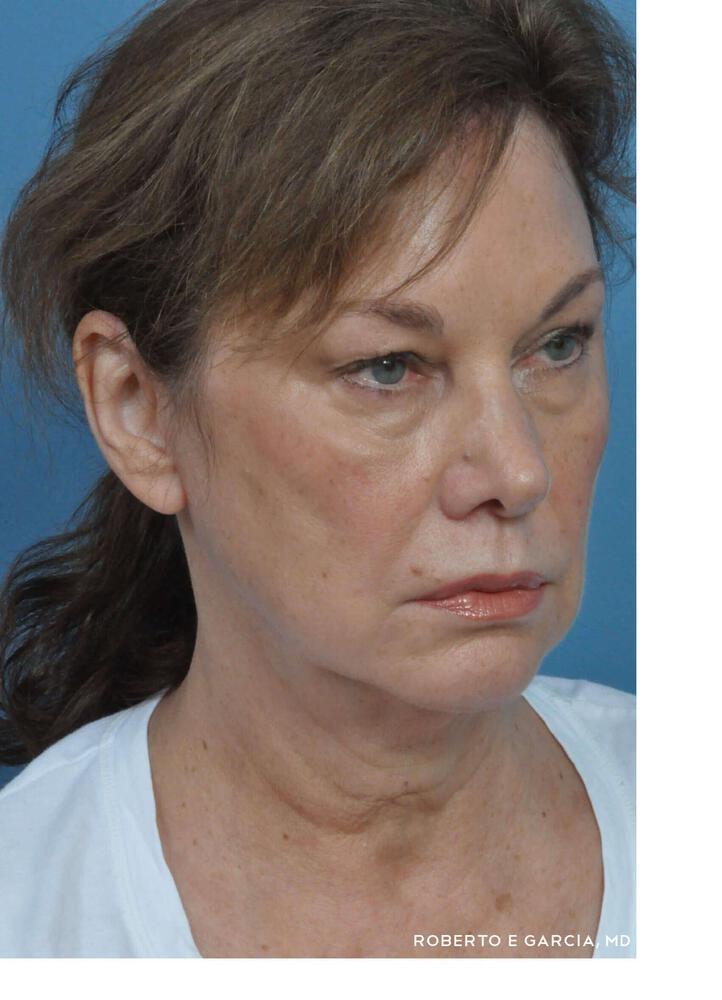
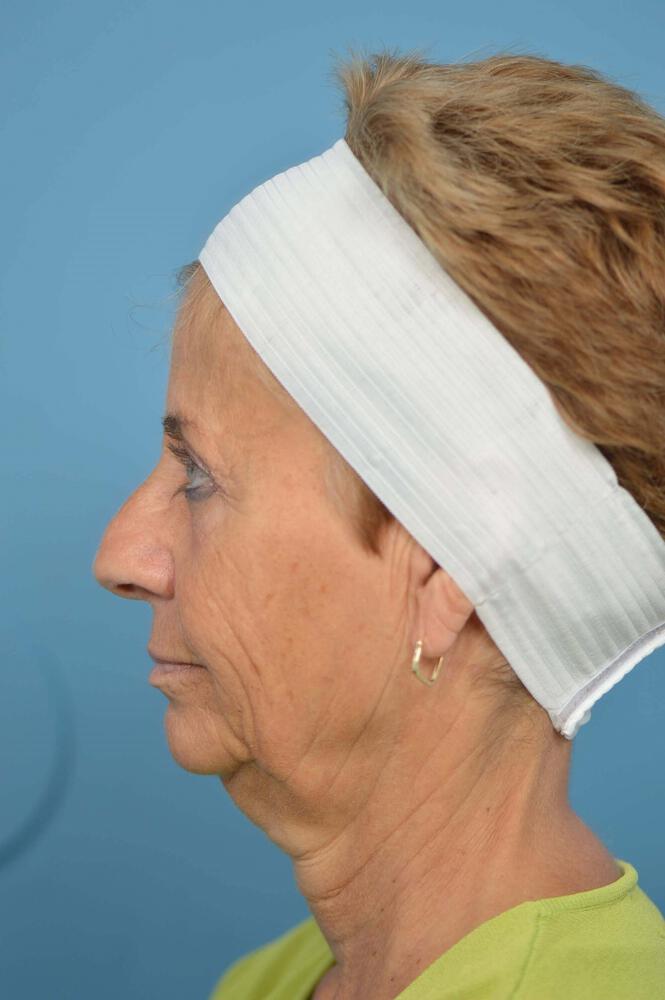
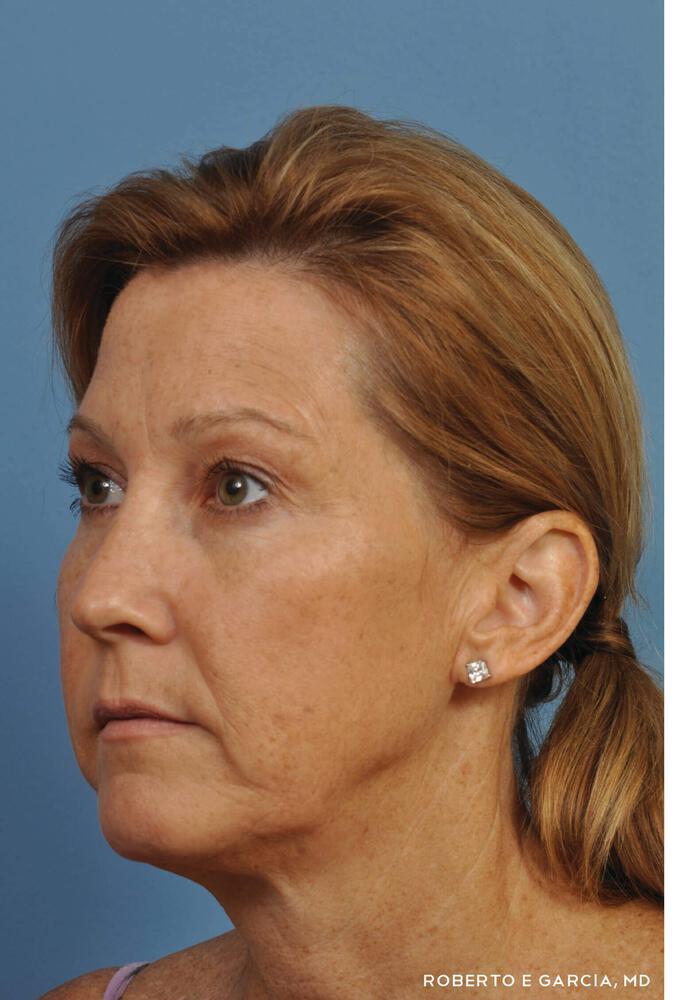
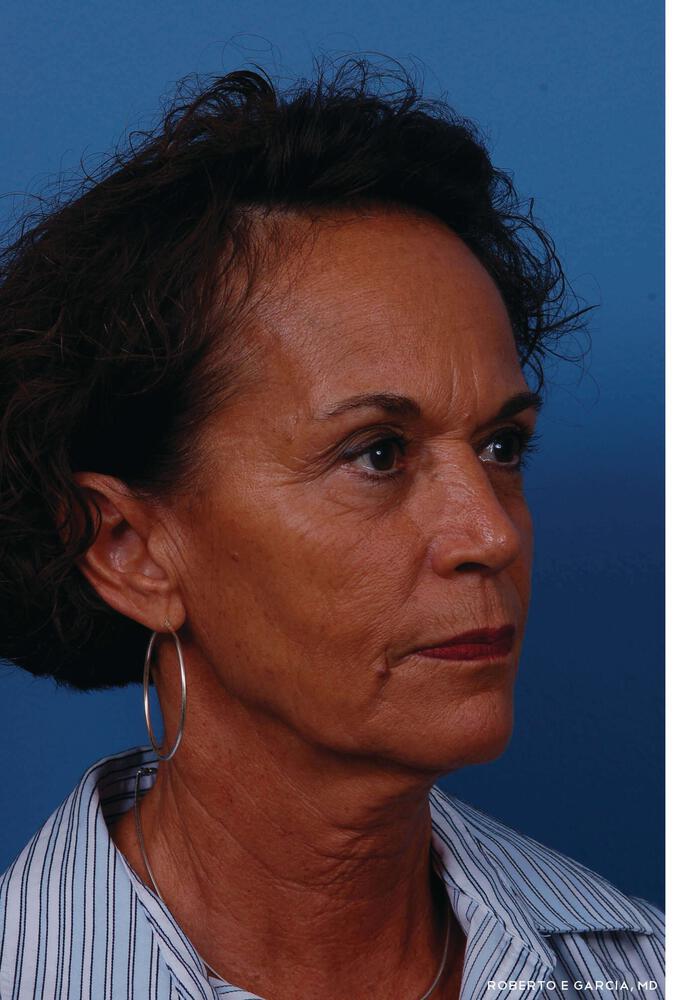
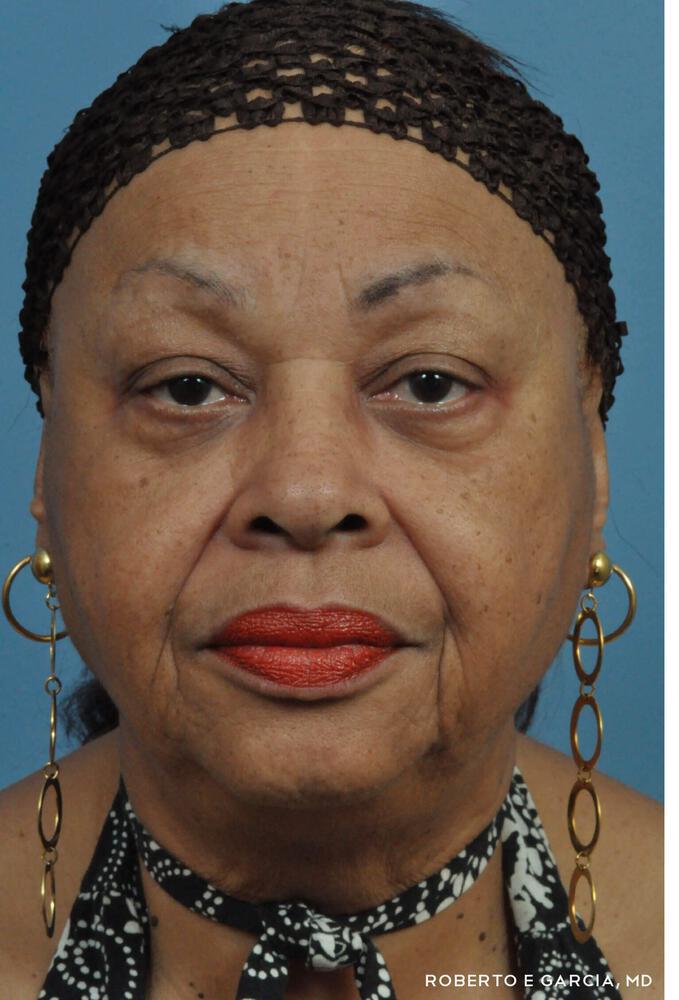
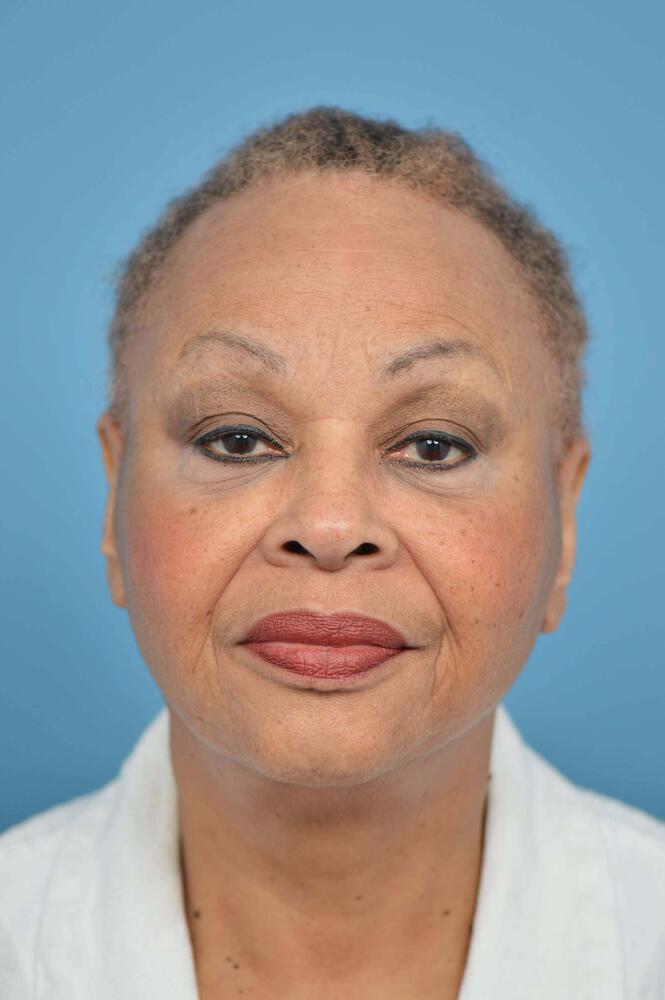
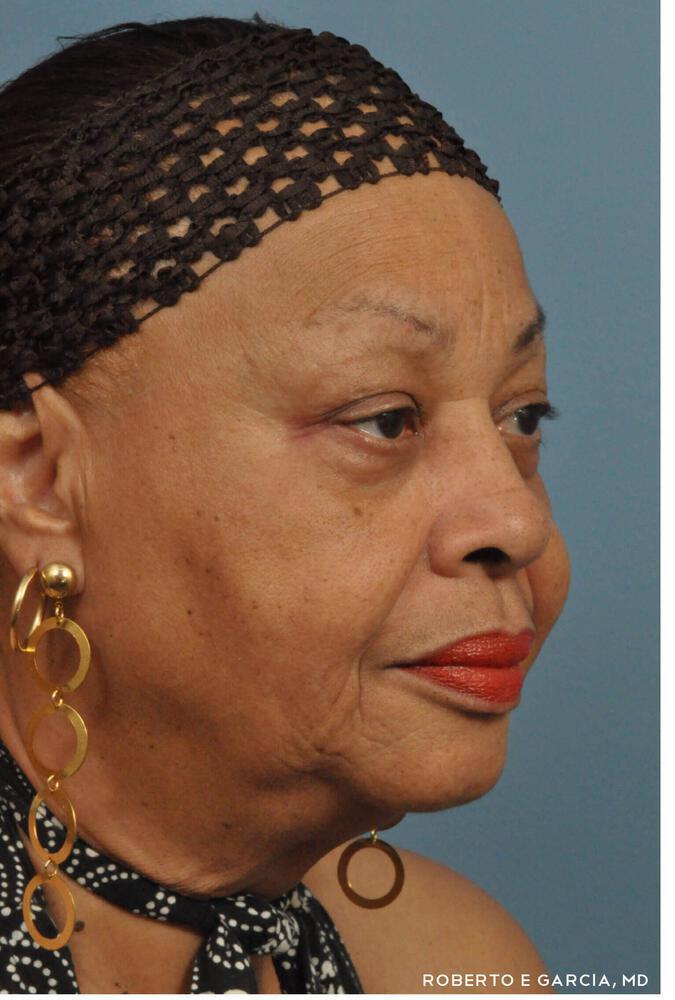
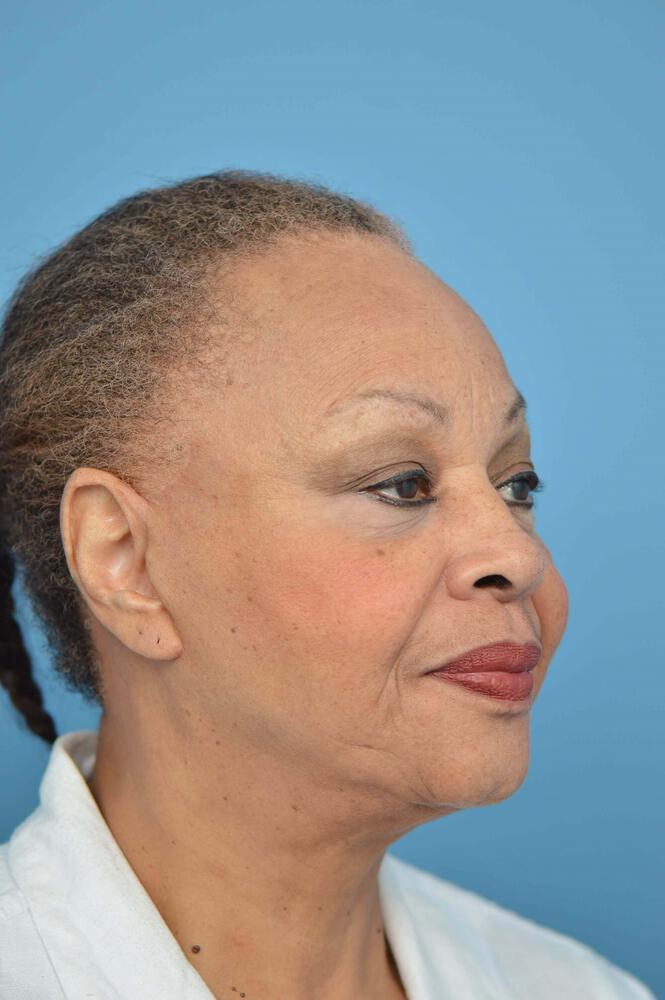
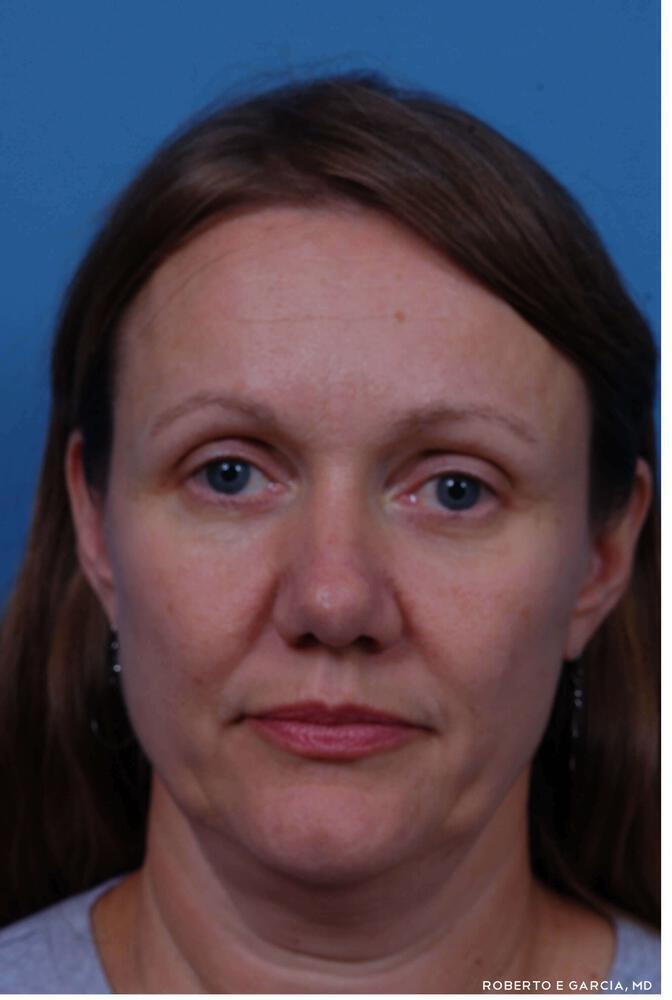
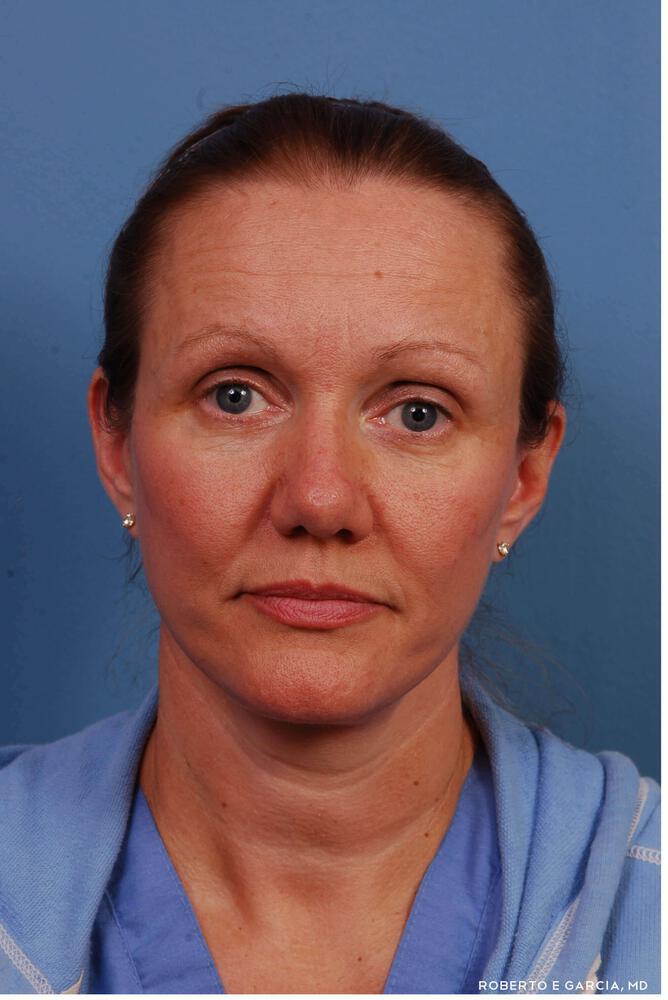
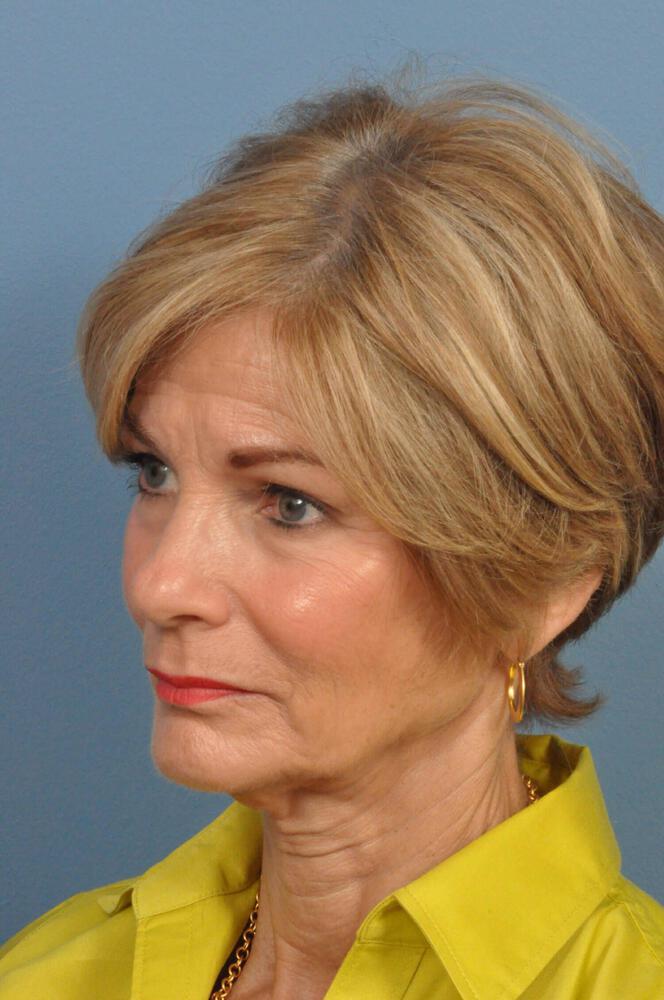
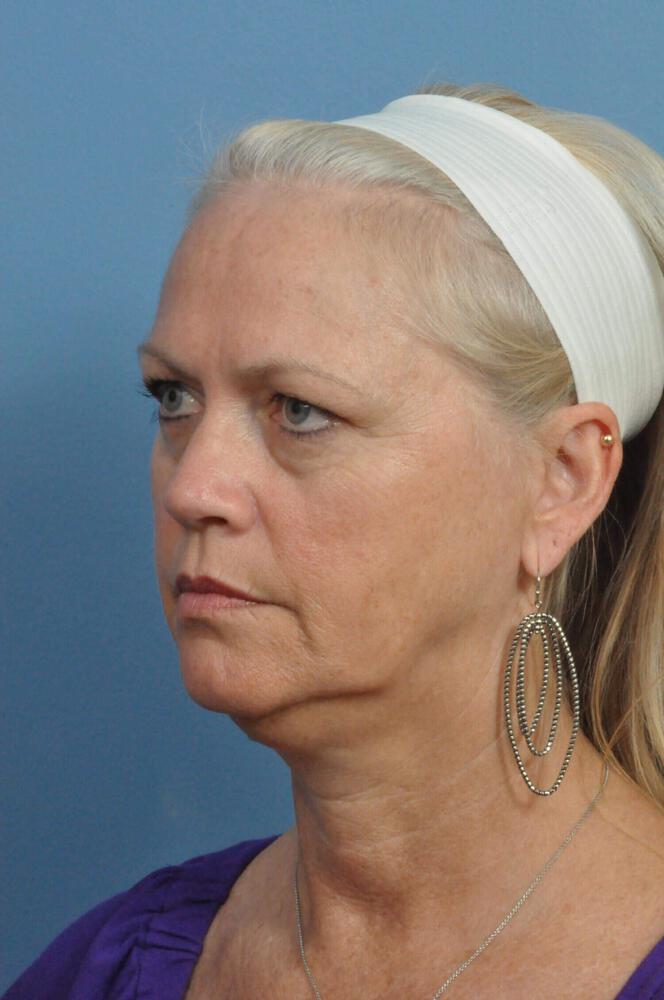
Jacksonville Facelift model with dark hair

Look Refreshed. Still Look Like You.

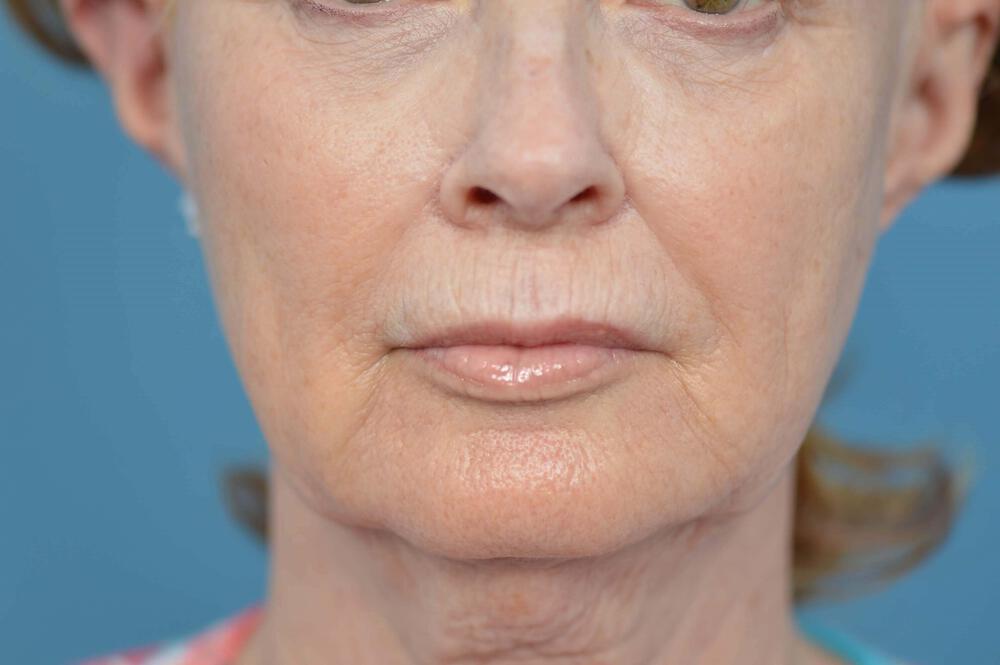
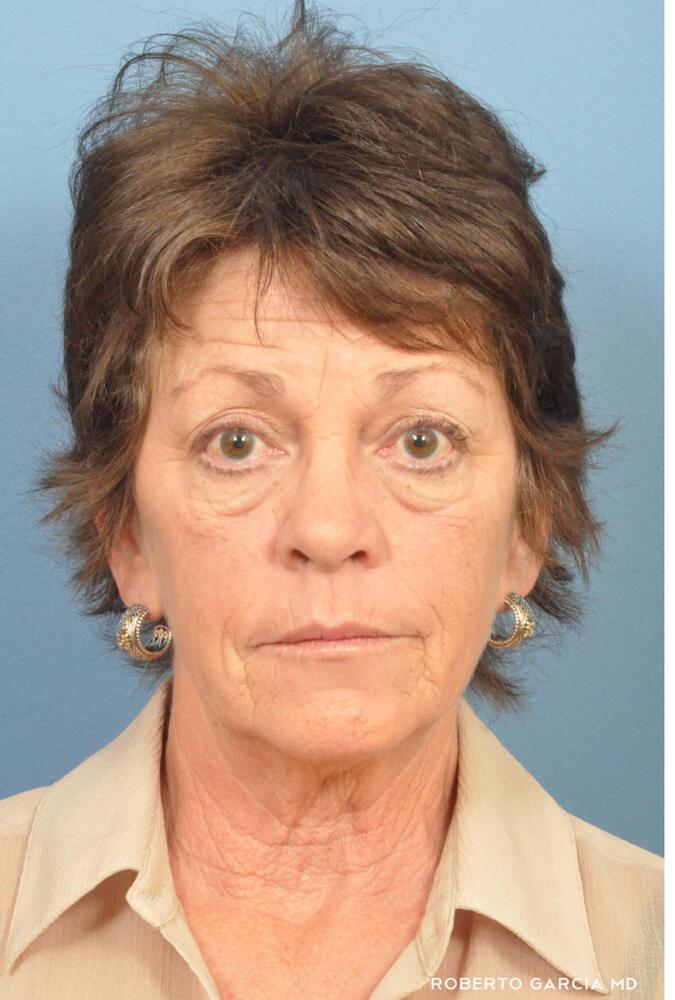
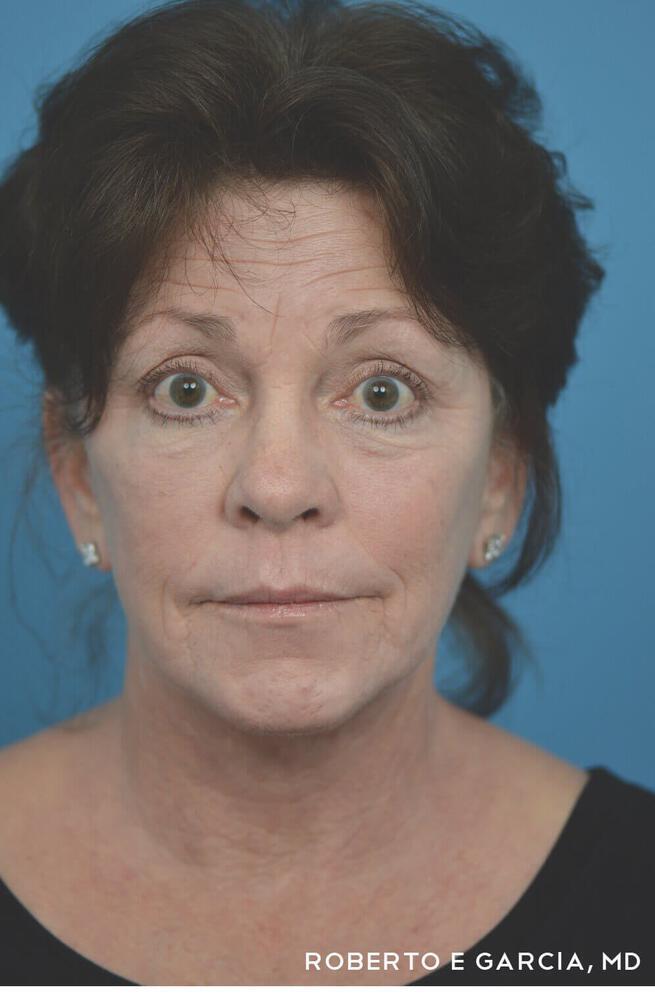
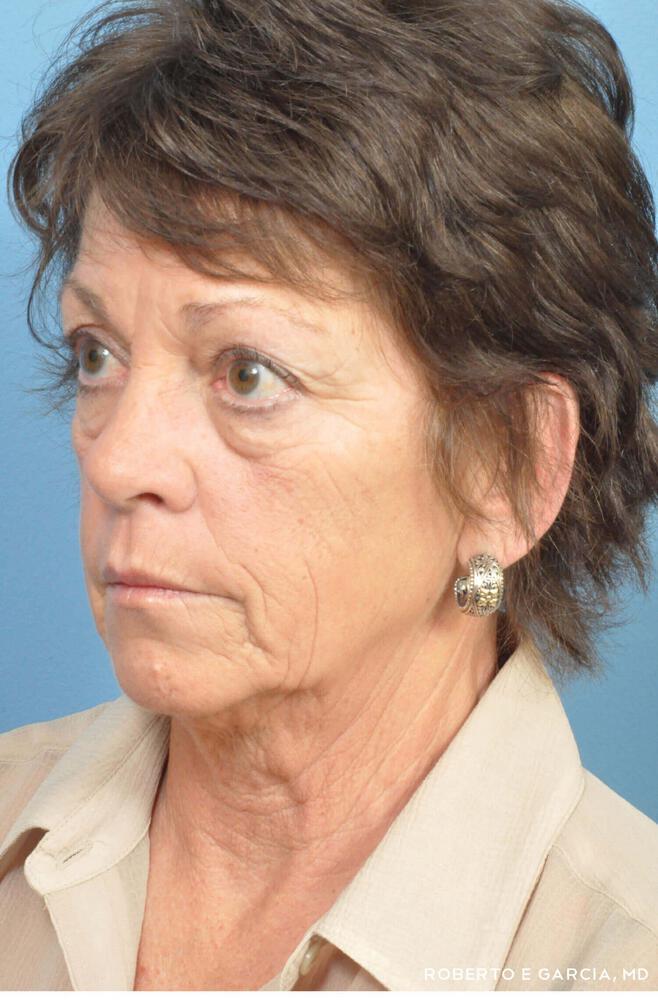
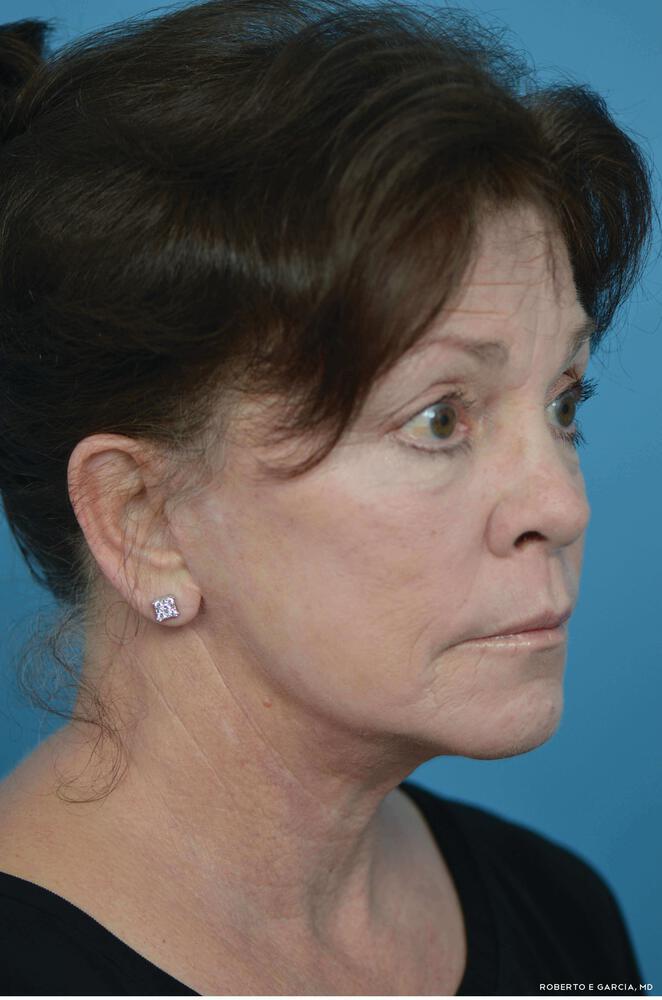
Loose skin around the lower face can soften your jawline and cause jowls, which may make you look more tired or heavier than before. These changes develop over time, and eventually, fillers and skin treatments might not give you the results you want. Facelift surgery moves the tissues back to a better position, restoring definition while keeping the features that make you unique. If you are thinking about a facelift in Jacksonville, Dr. Roberto Garcia, a double board-certified facial plastic surgeon, will create a plan based on your face, your aging, and your goals.

What Is a Facelift?


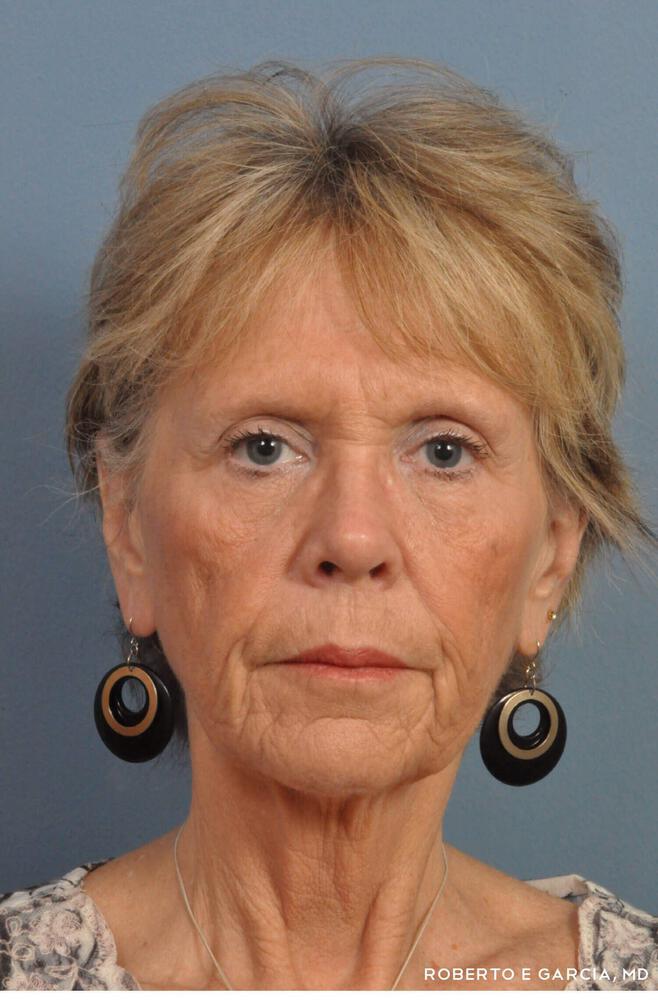
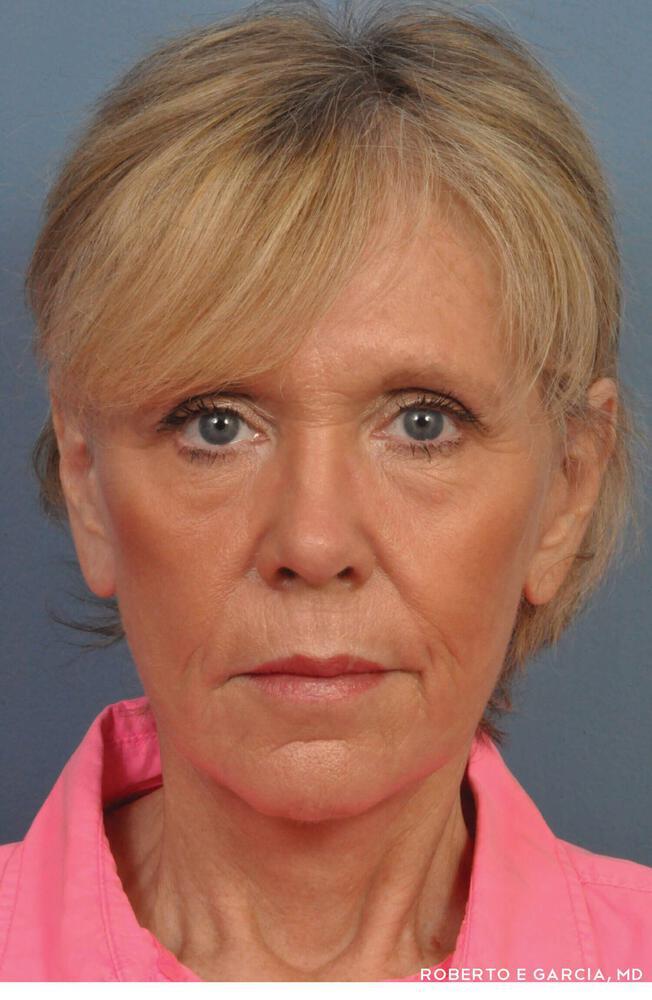
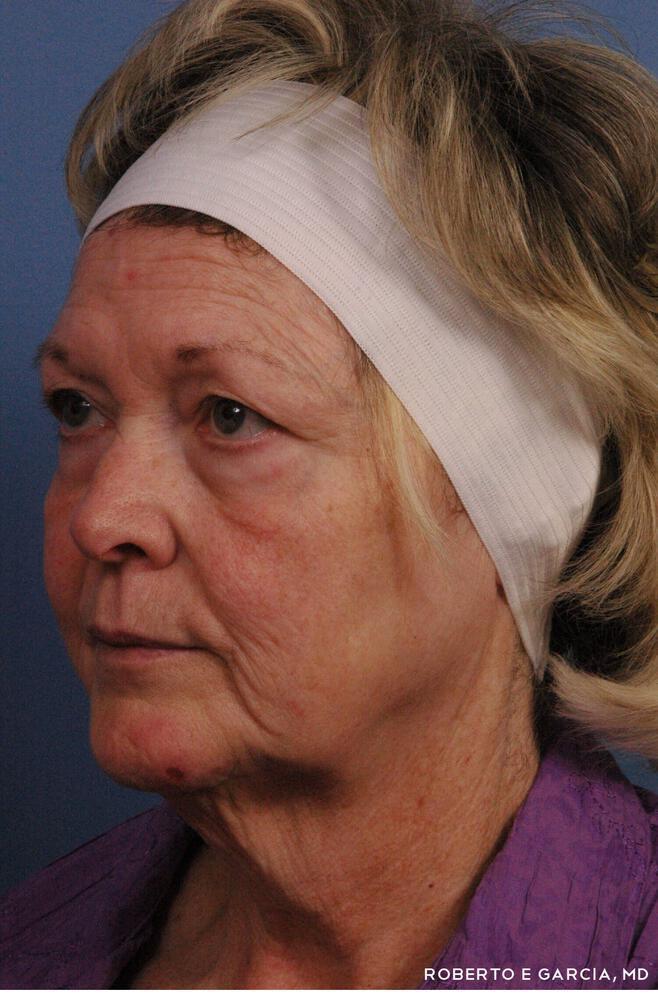
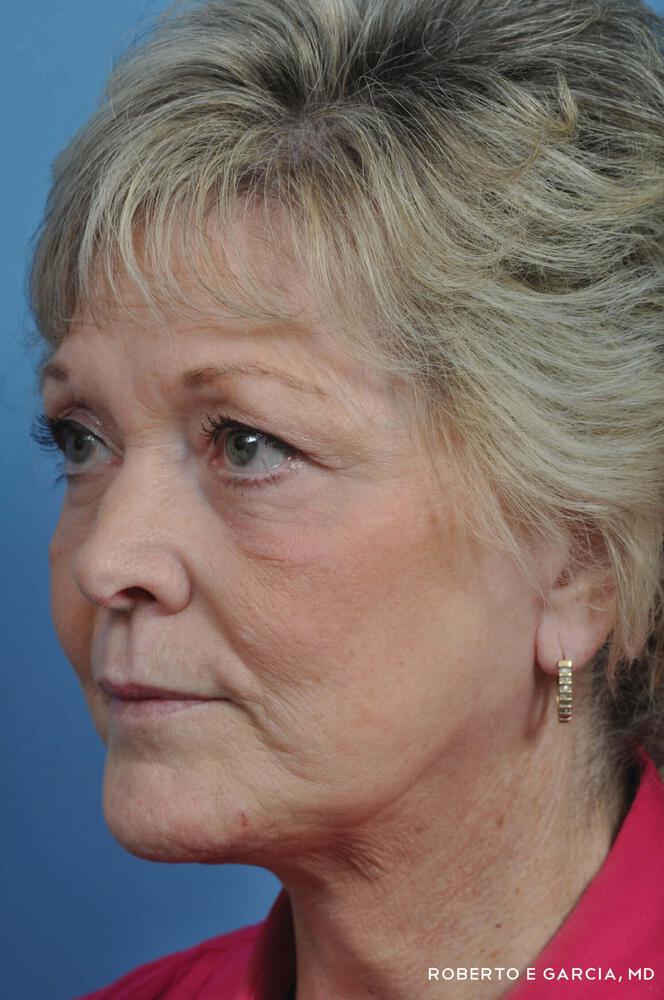
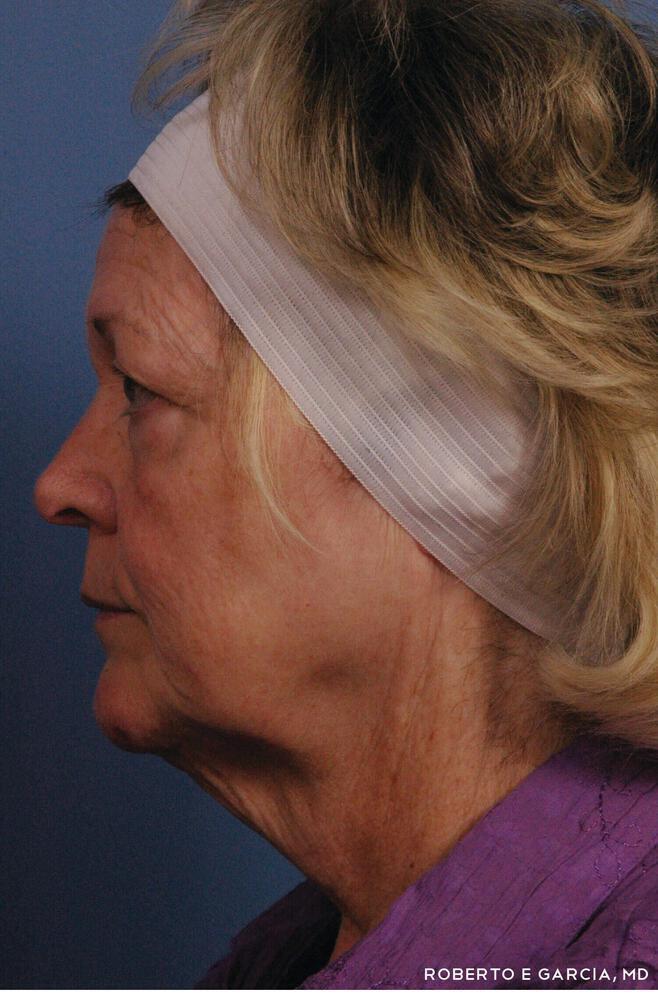
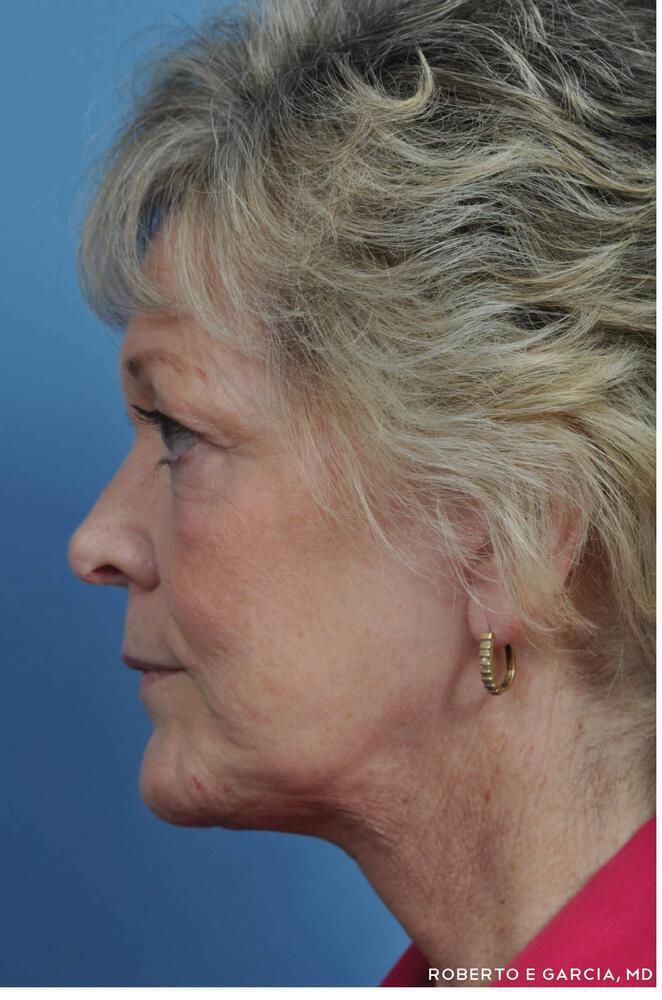
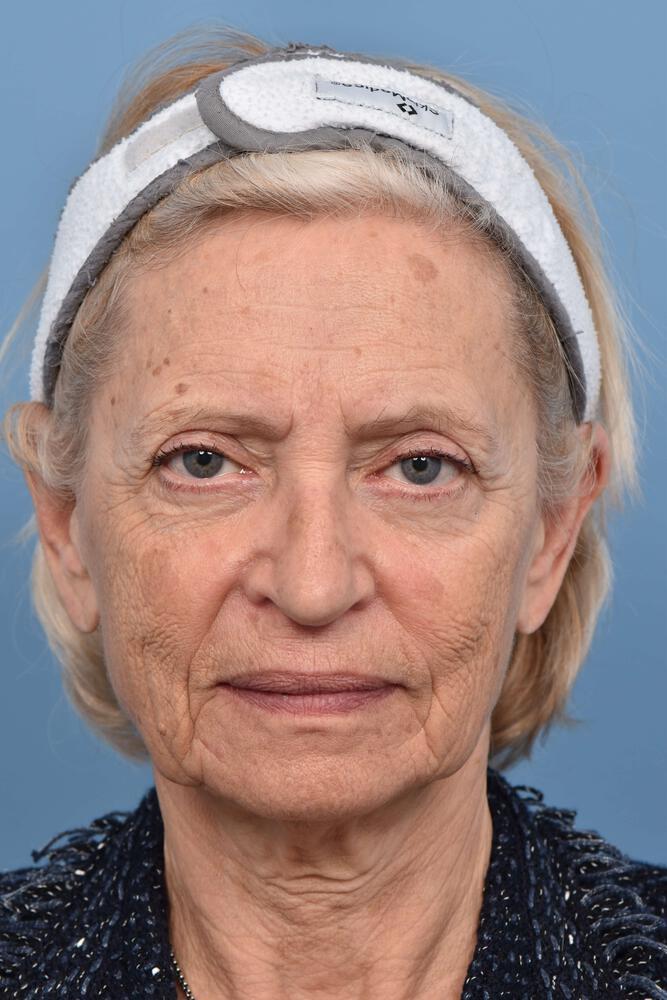
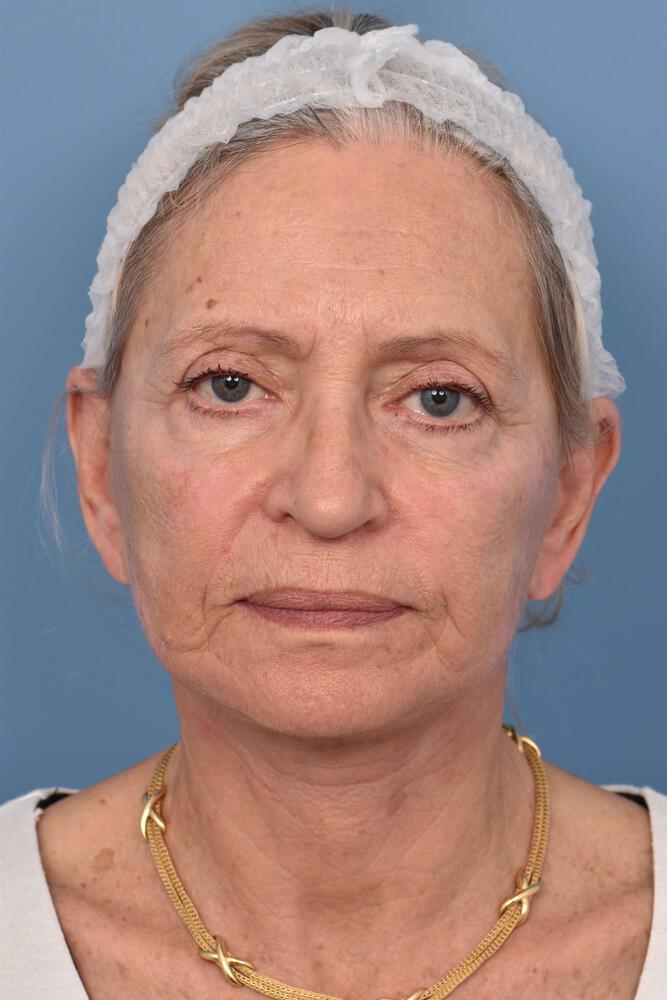
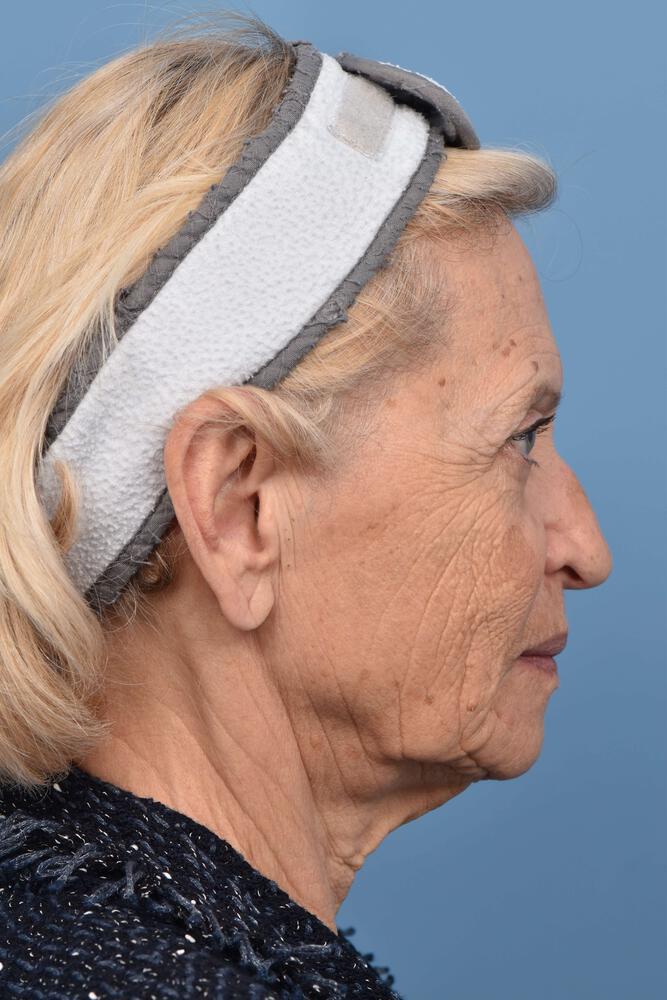
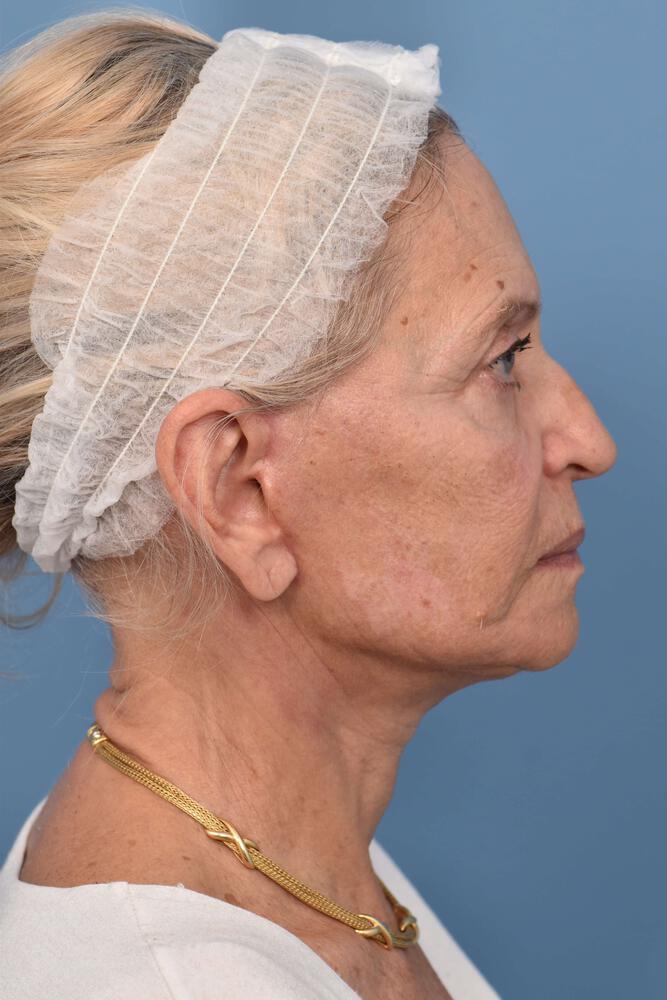
A facelift, also called a rhytidectomy, is surgery for the lower two-thirds of the face. It can lift your cheeks, reduce jowls, define the jawline, and improve the neck when these areas have aged together. Dr. Garcia starts by moving the deeper facial tissues, then smooths the skin and removes any excess. This approach gives a softer, more natural look than just tightening the skin.

A facelift is designed for a specific purpose. It doesn’t lift a heavy brow, remove loose eyelid skin, restore lost volume, or fix sun damage. For those issues, you might need eyelid surgery, a brow lift, fat grafting, or a skin treatment. Dr. Garcia looks at your whole face to make sure you only get what you need.

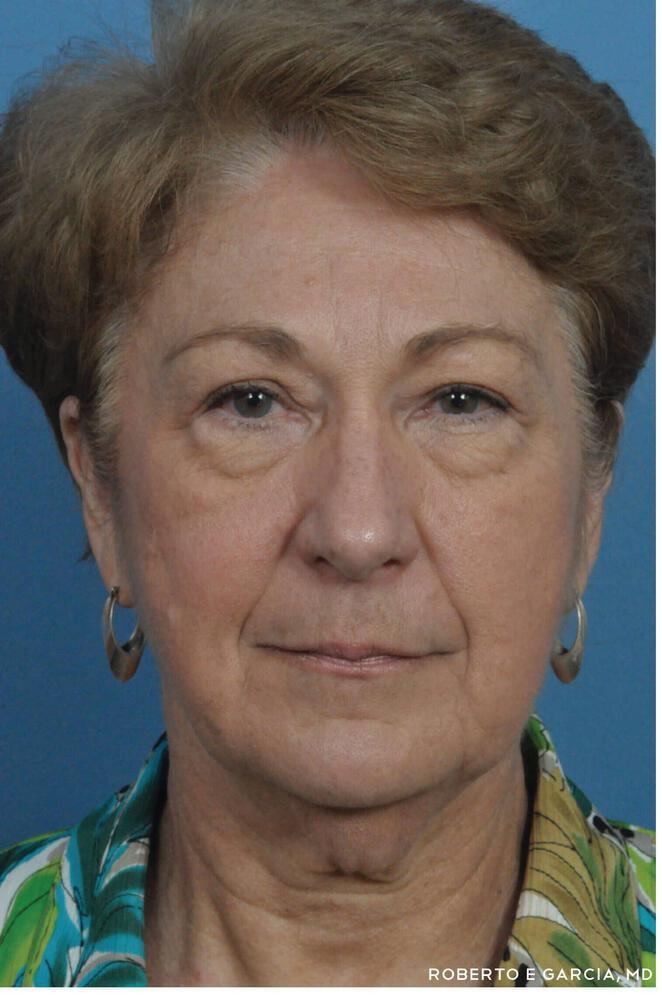
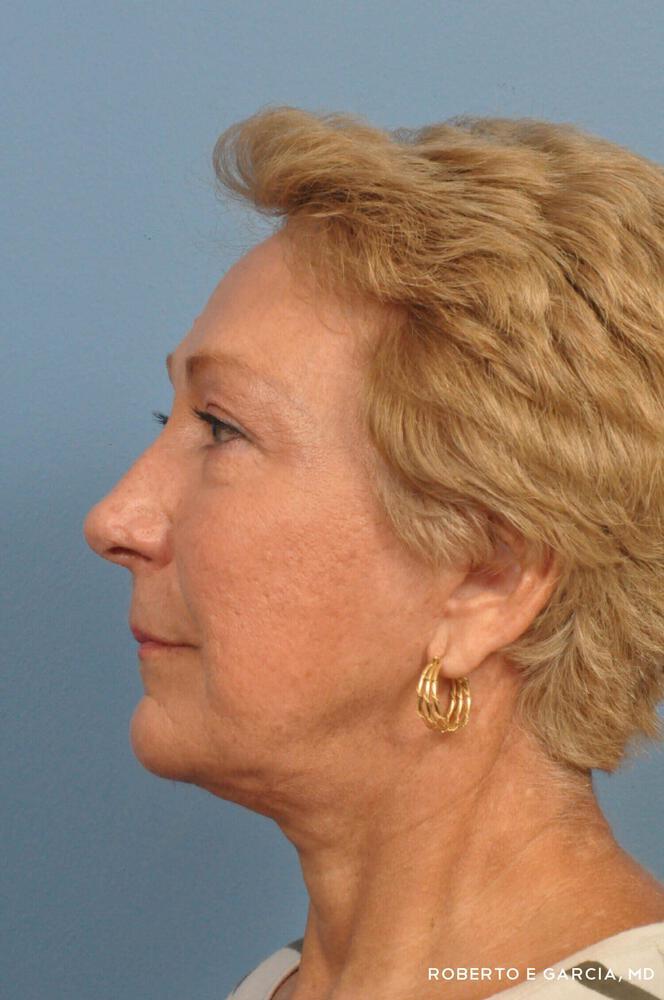
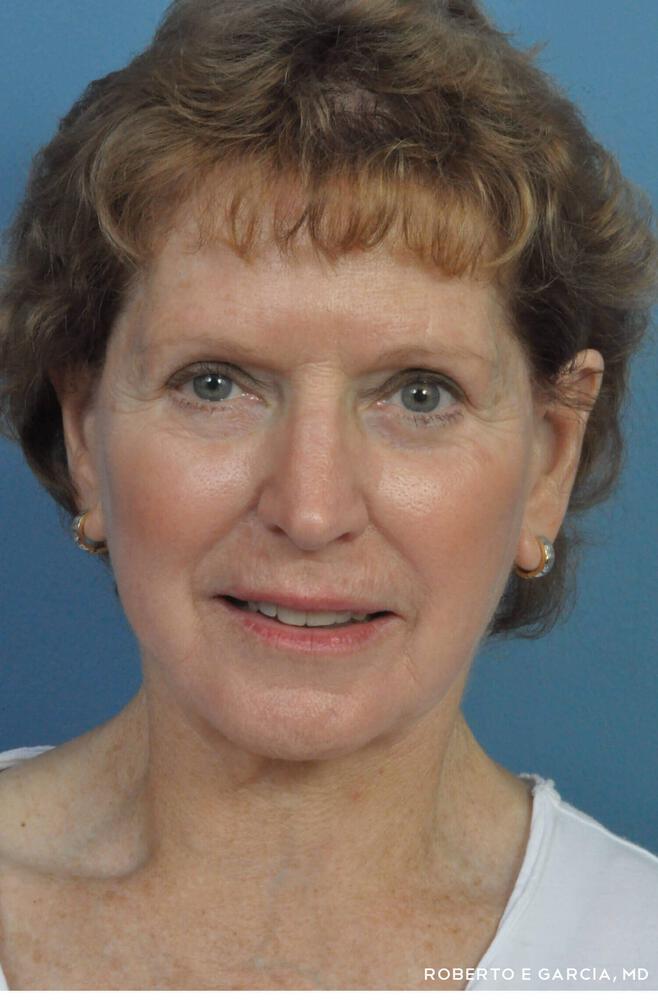
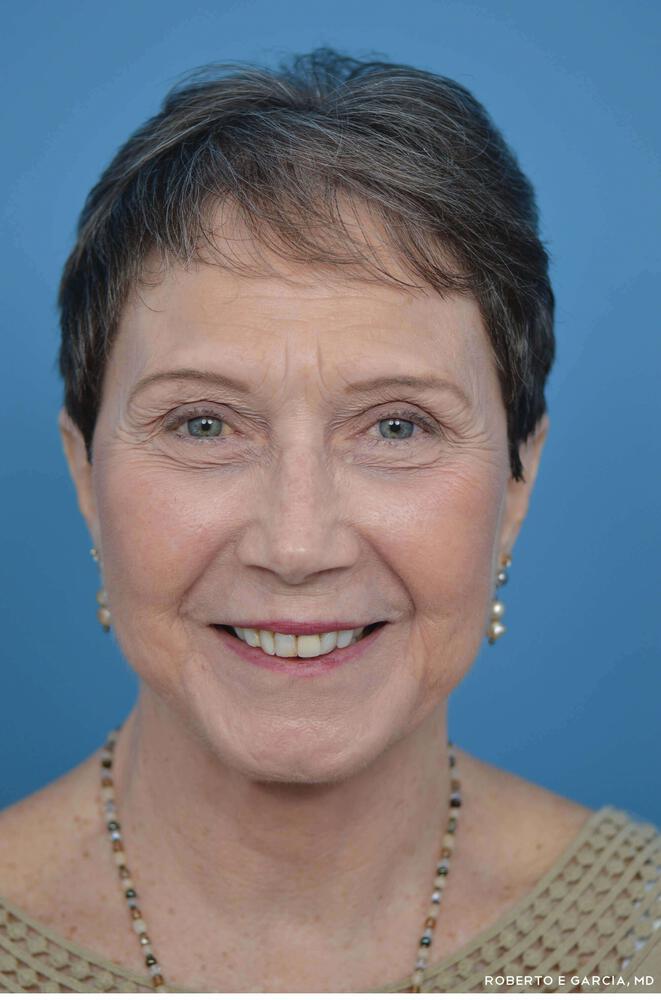
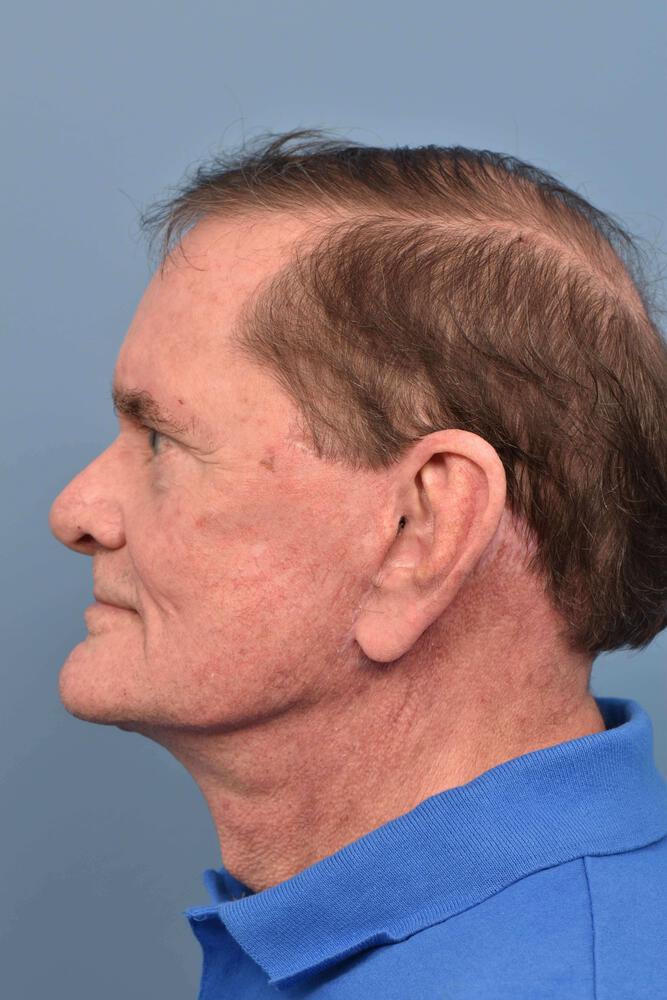
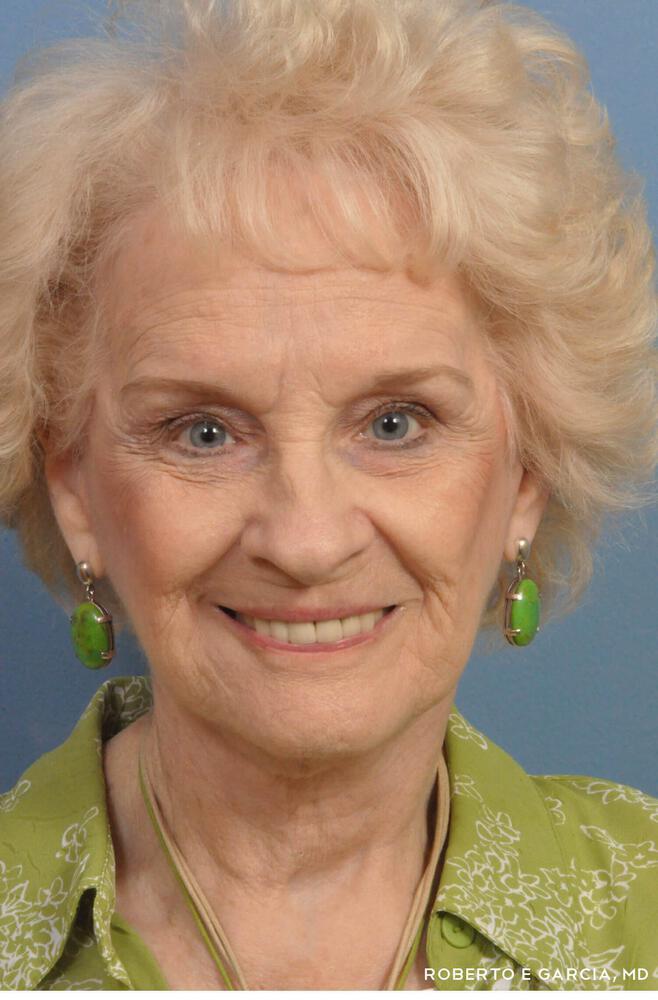
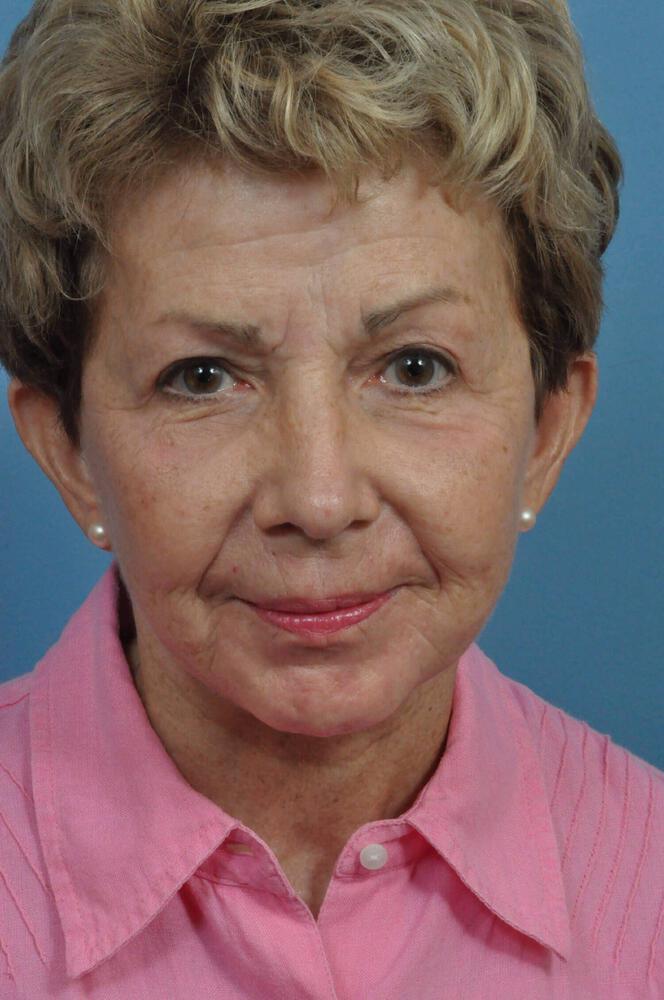
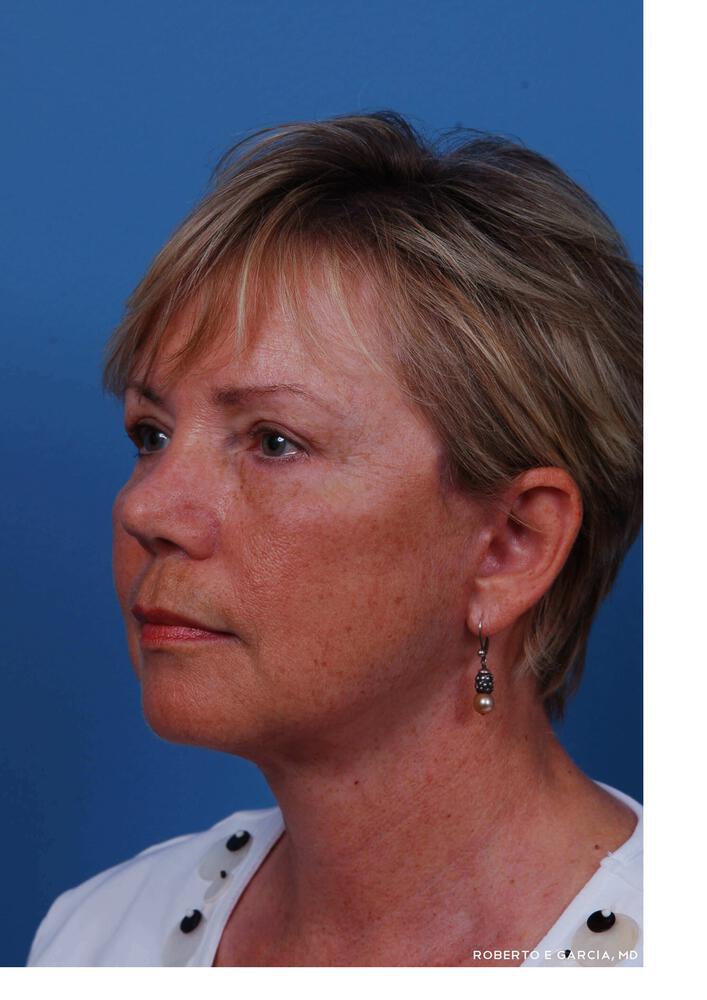
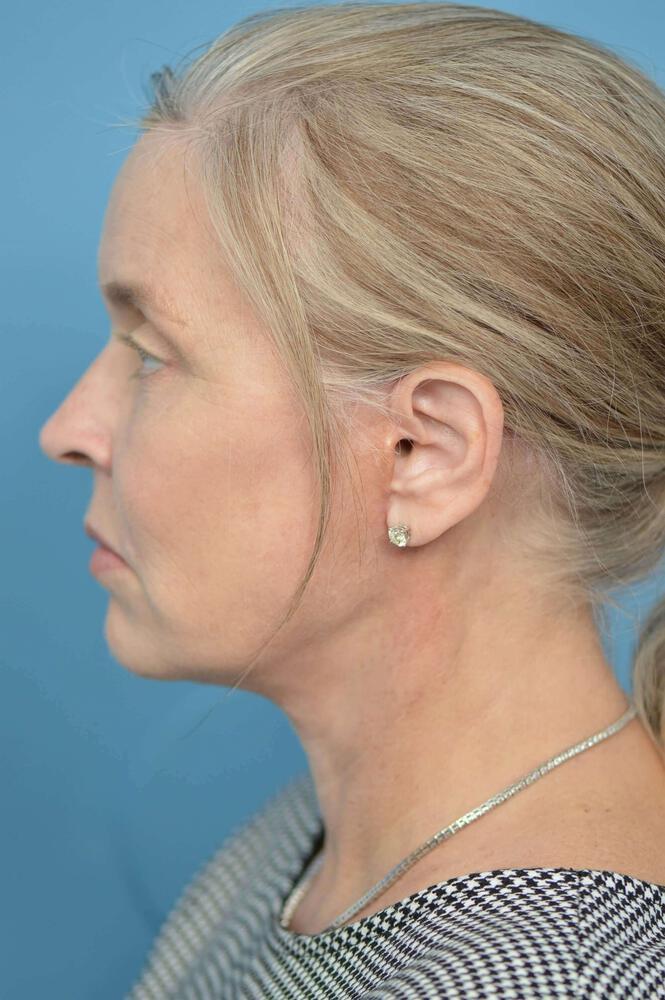
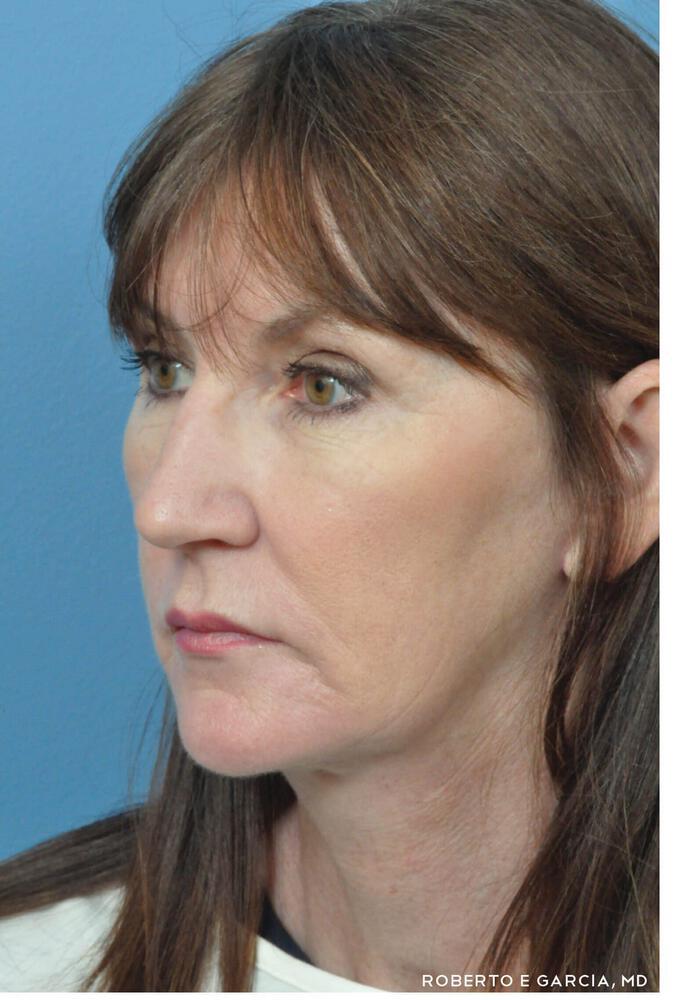
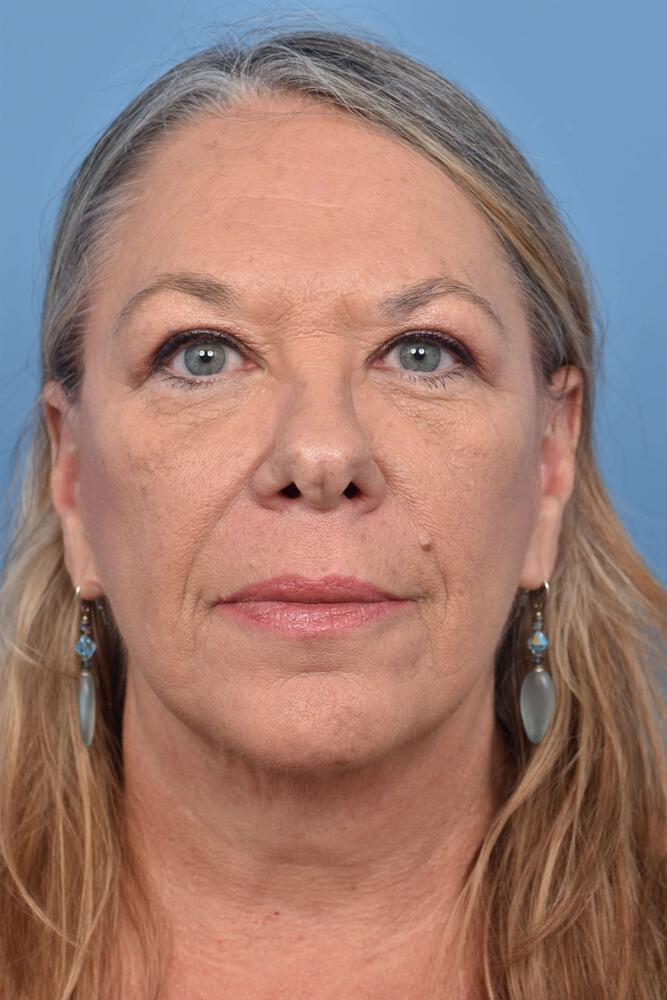
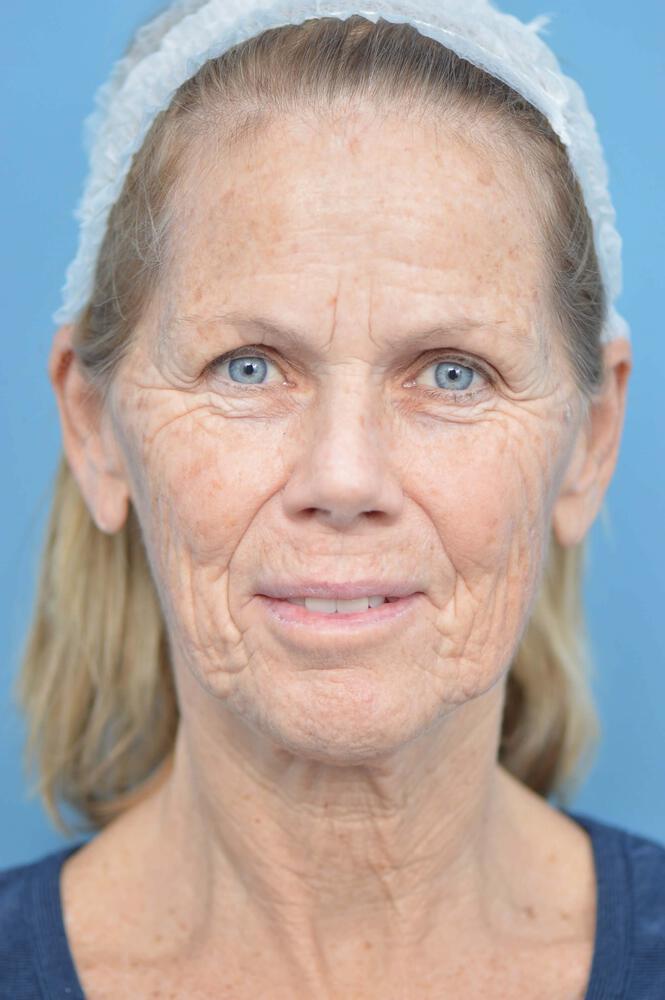
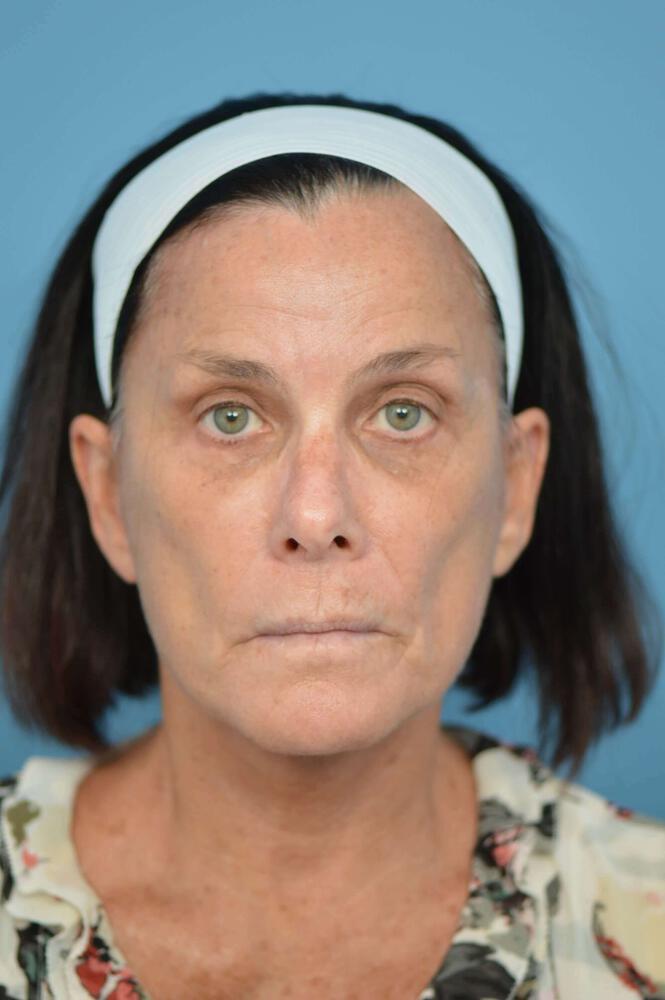
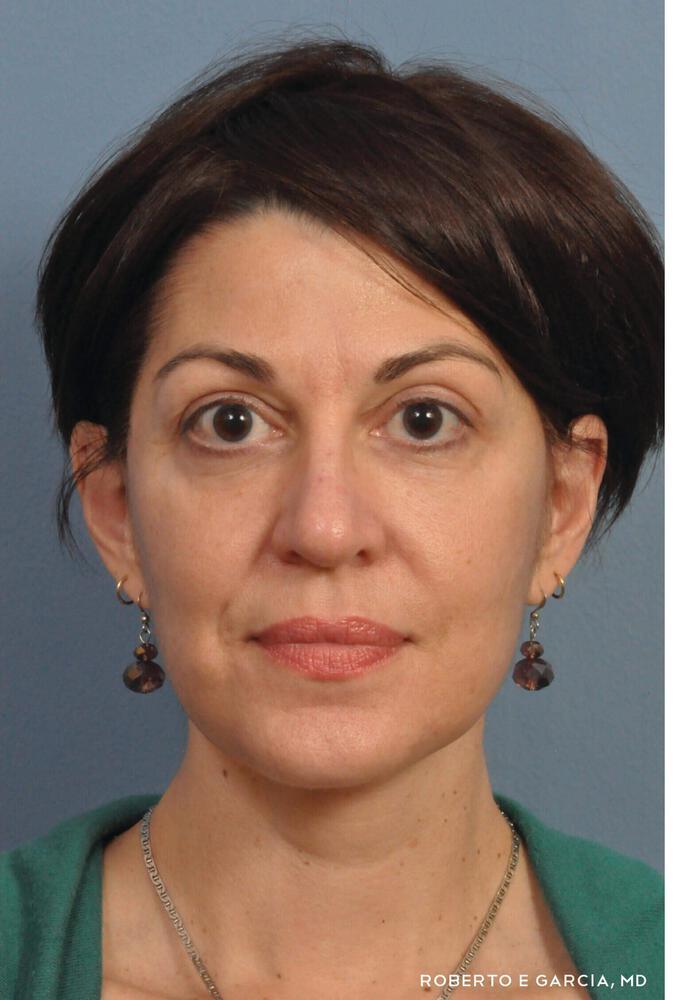
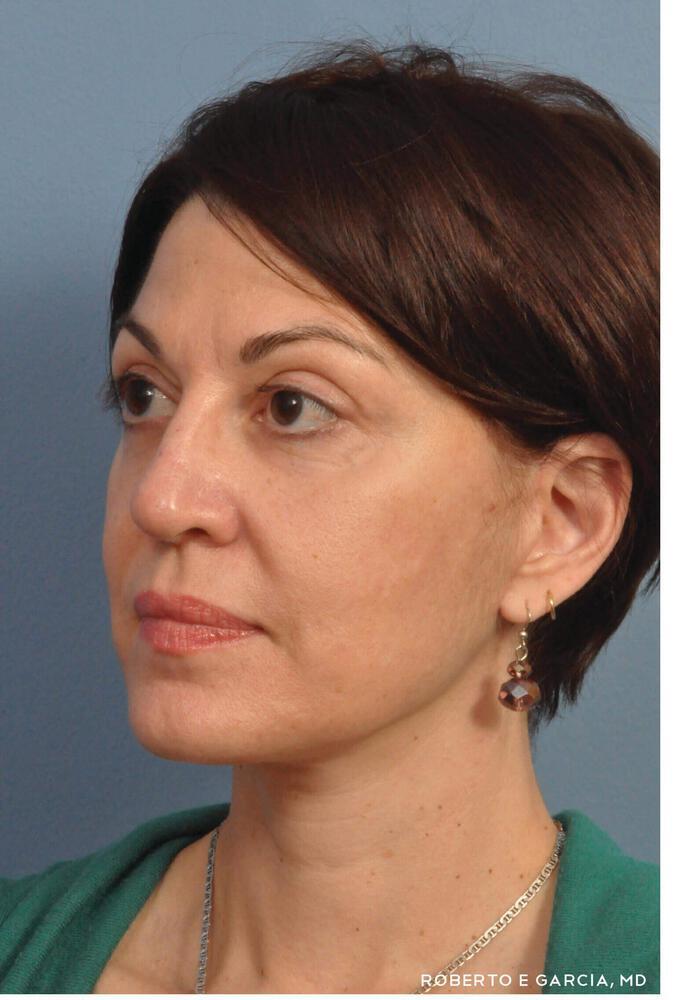
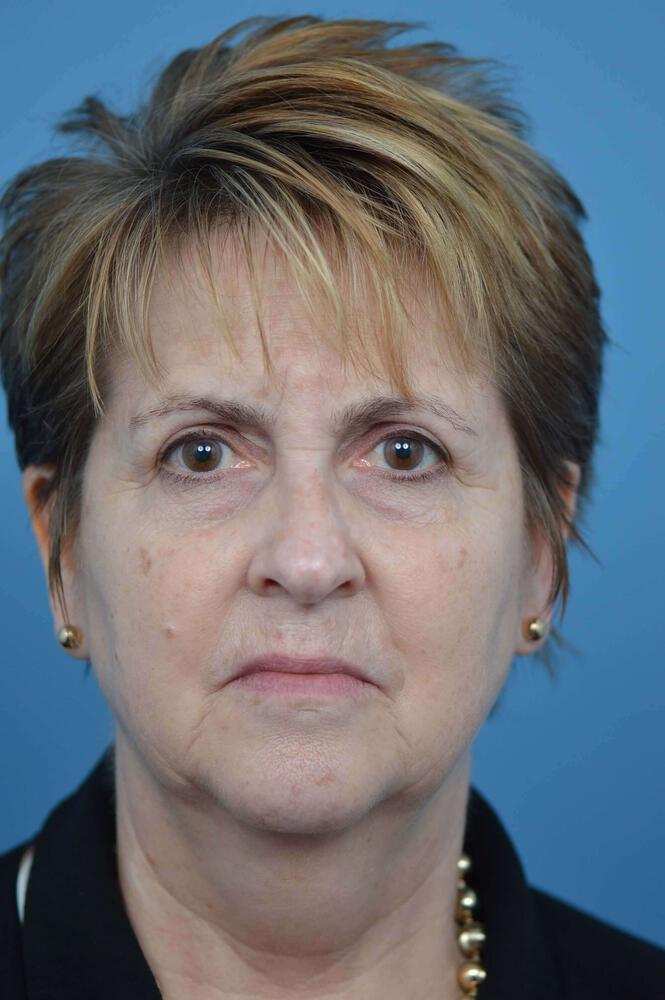
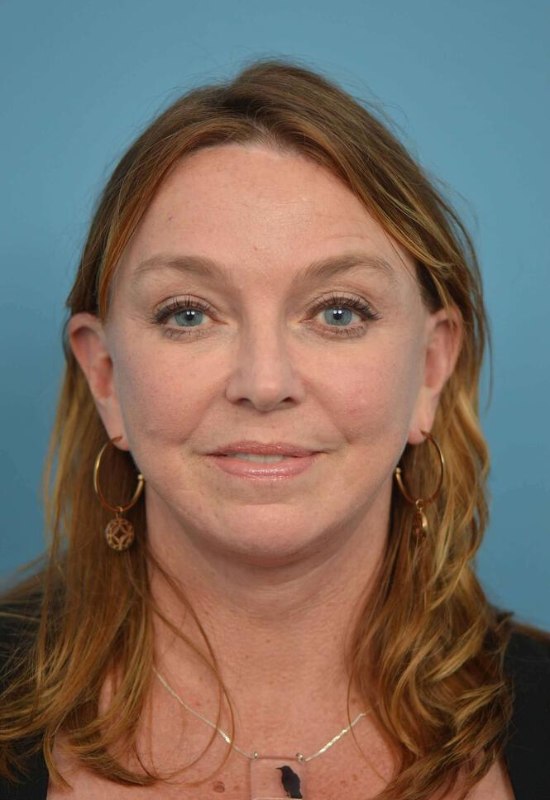
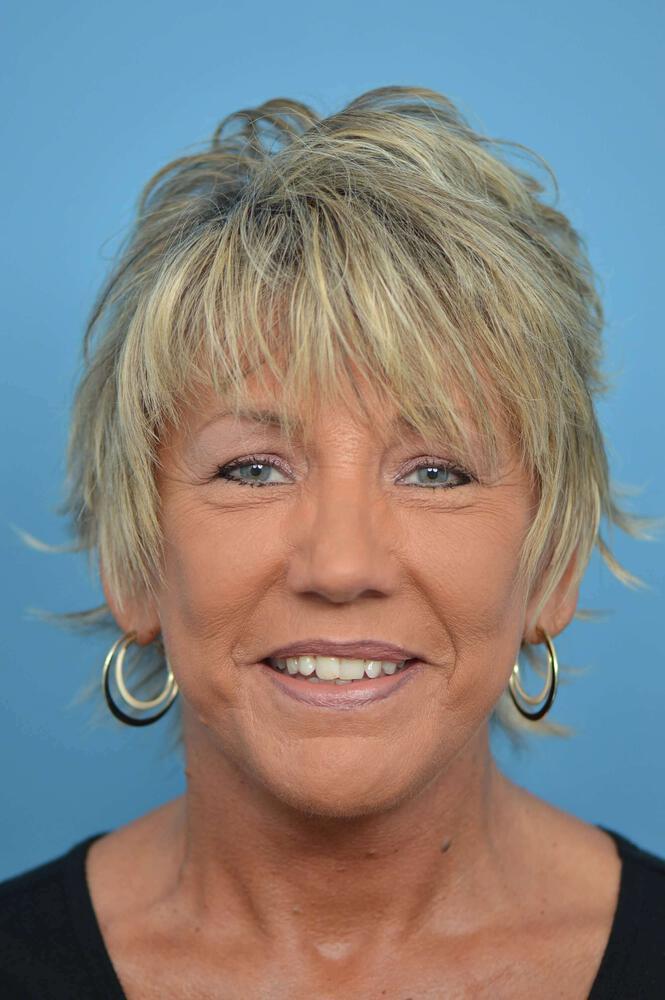
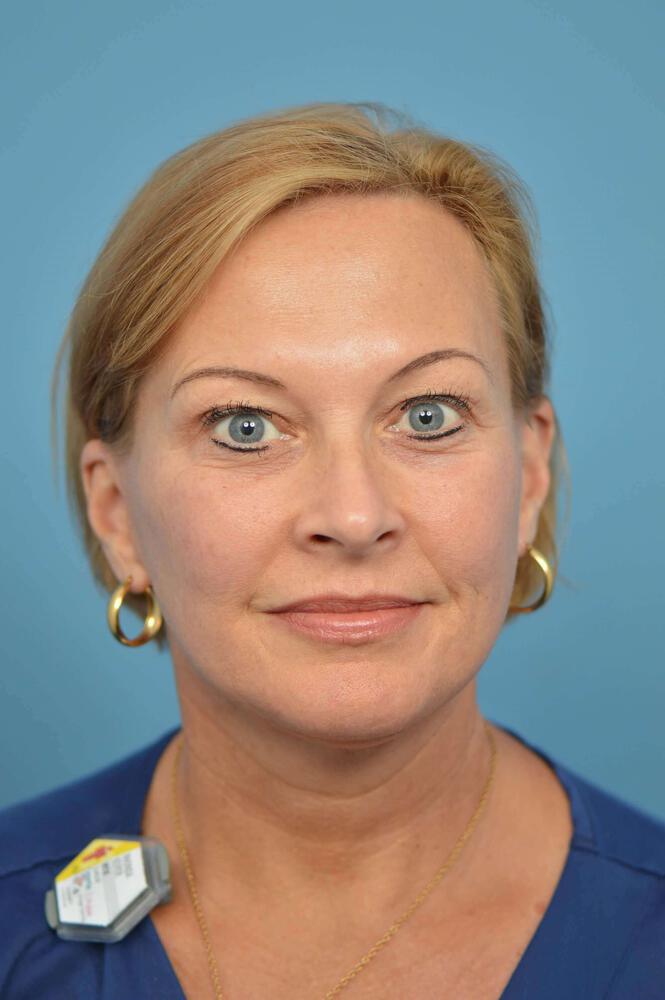
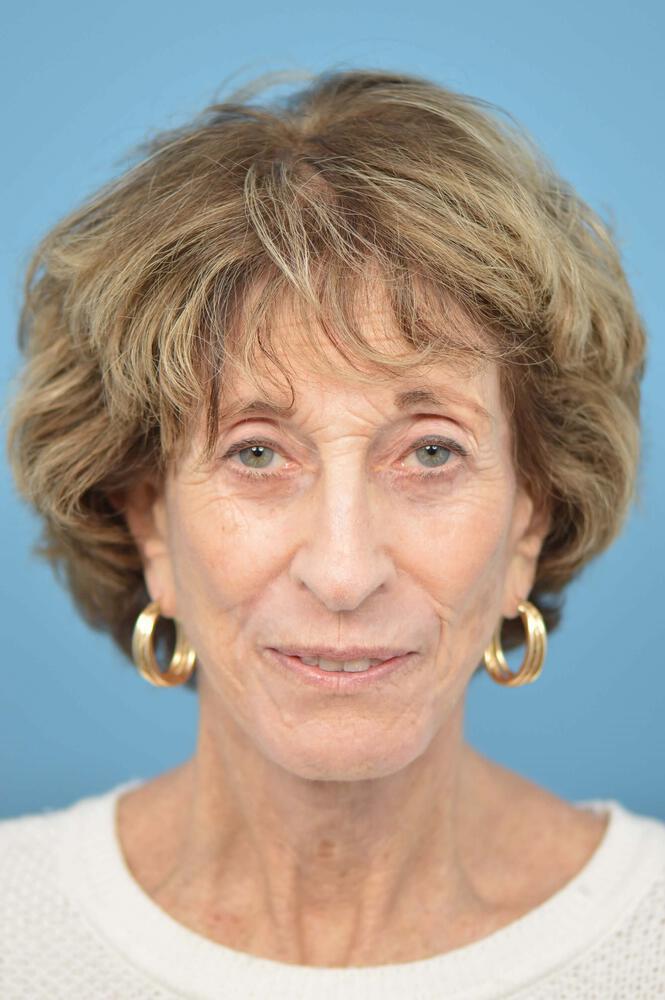
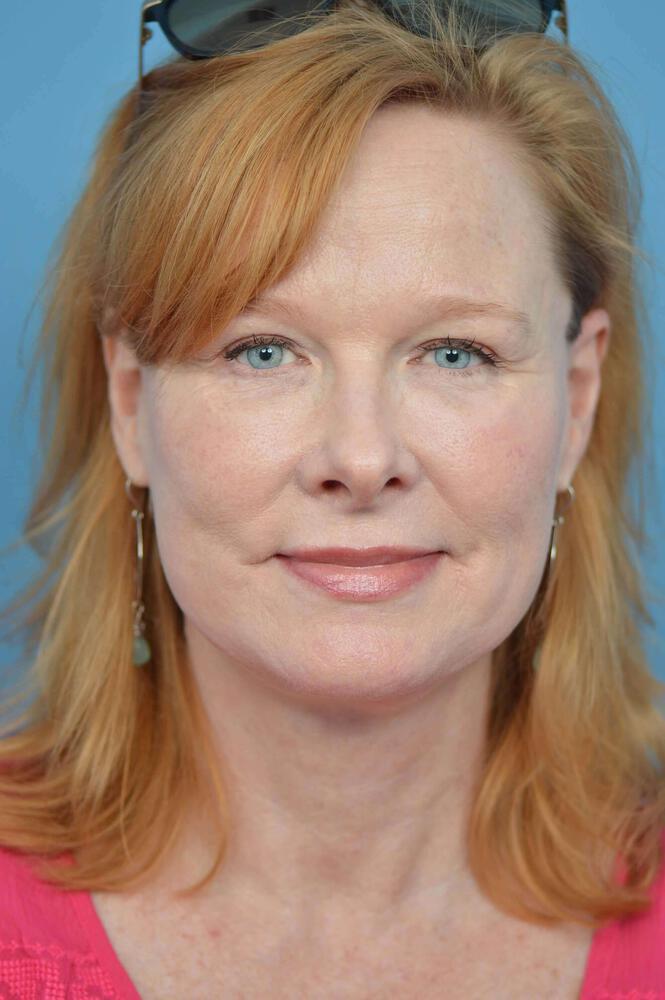
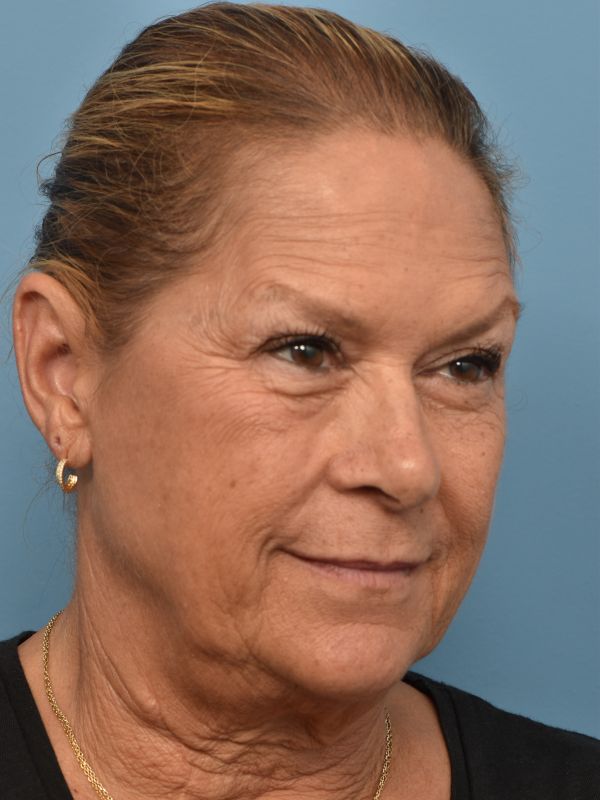
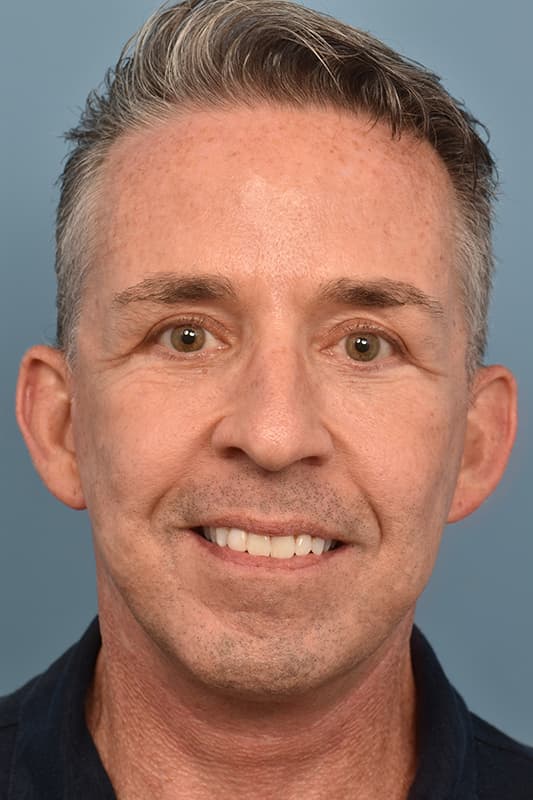
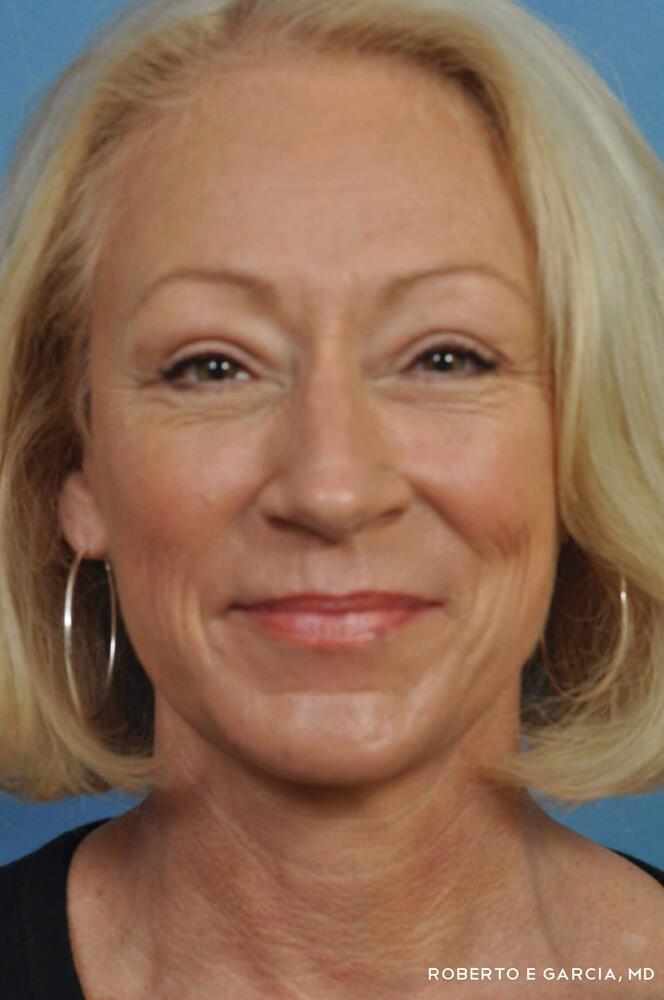
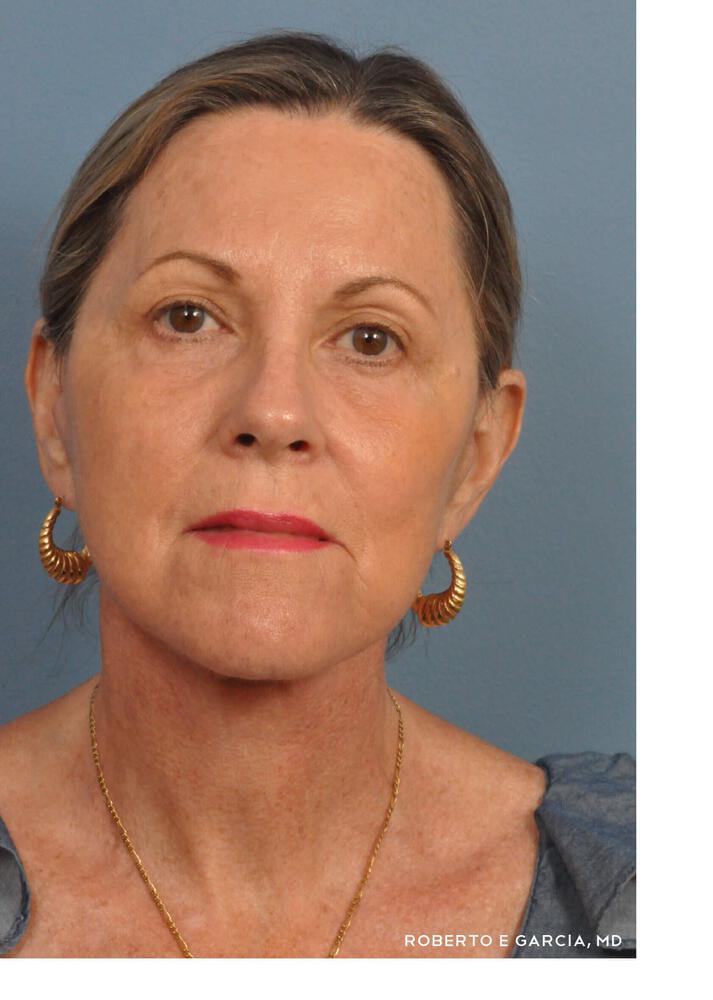
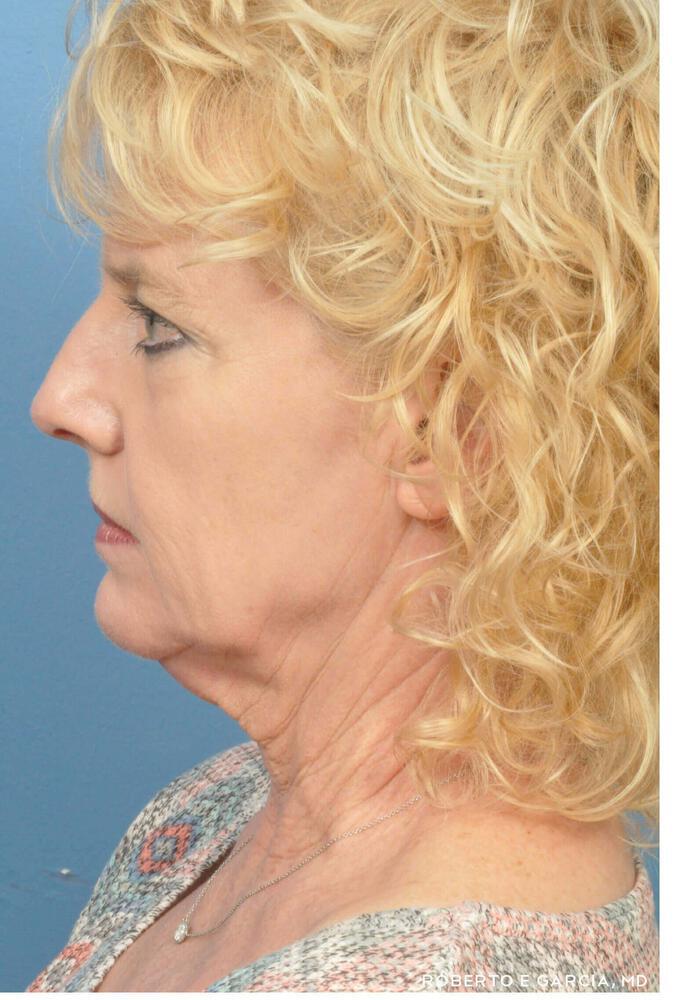
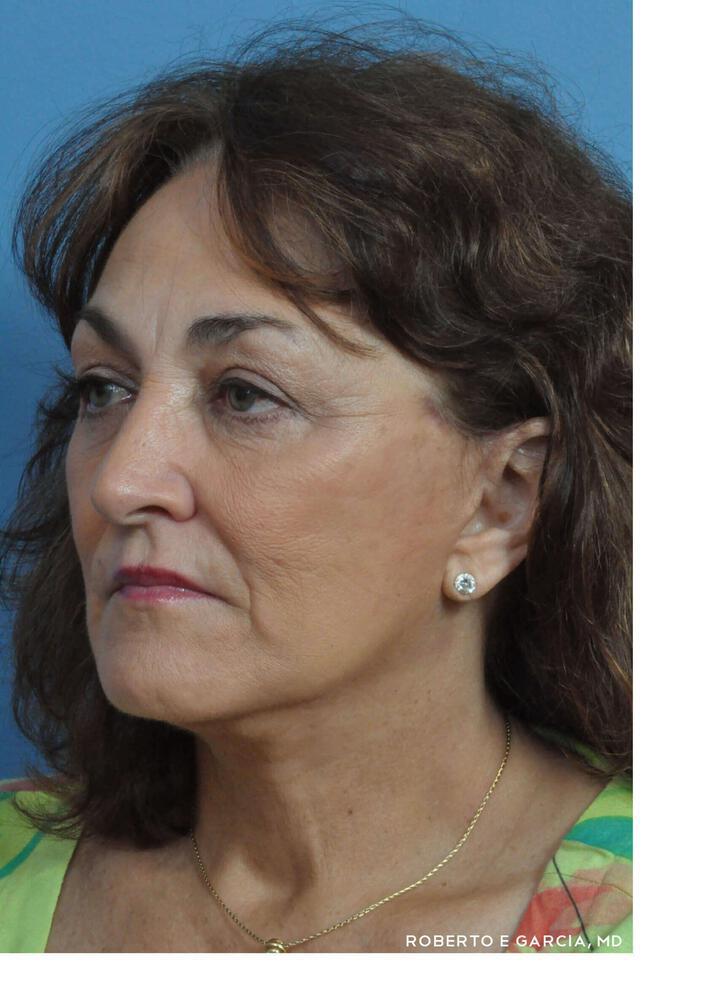
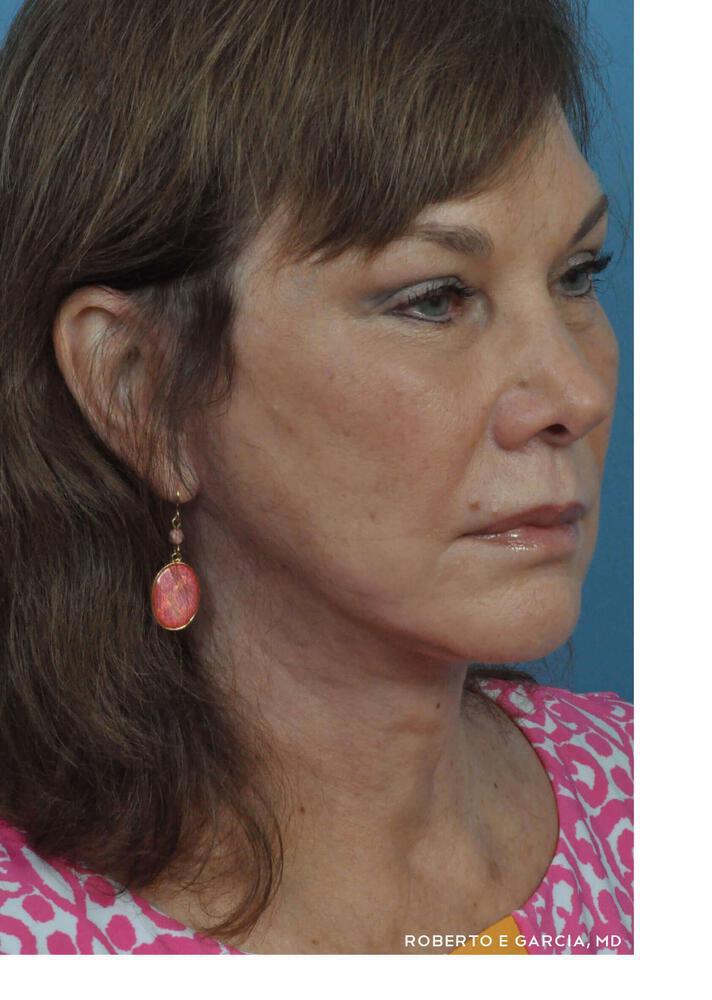
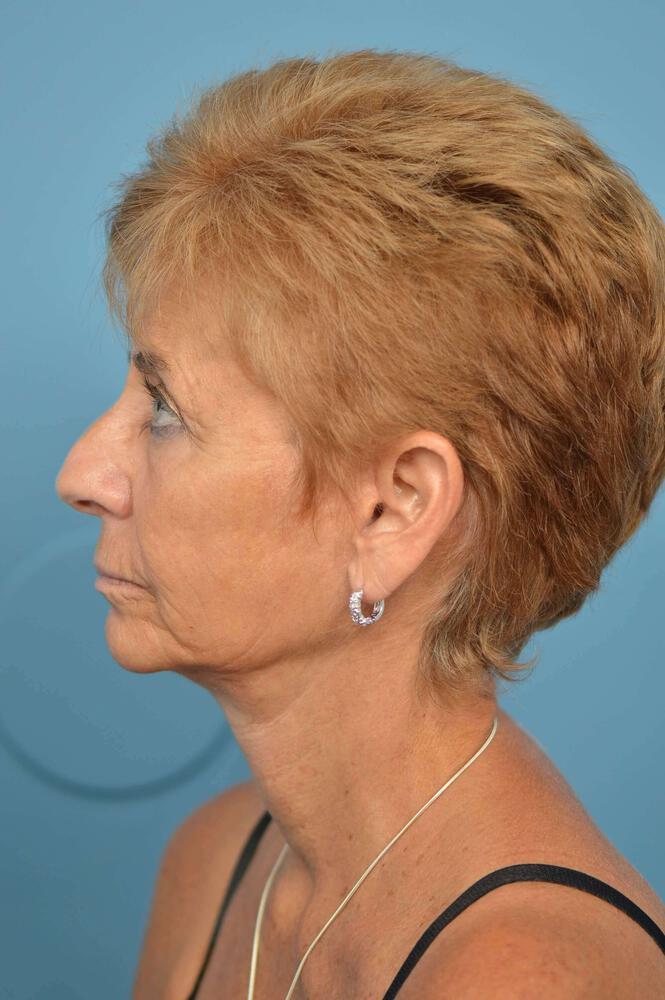
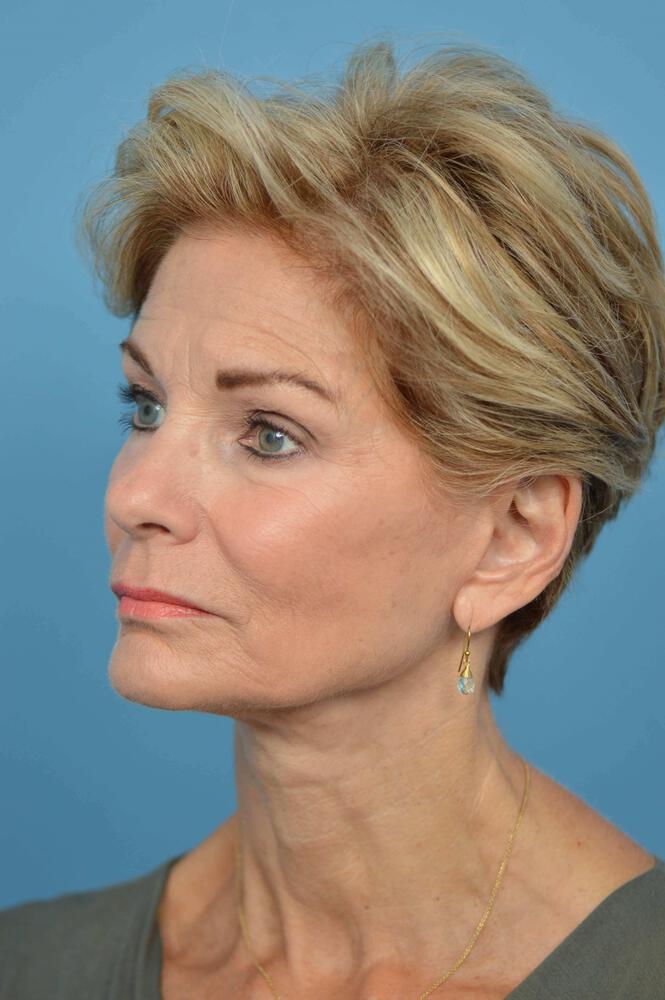
Jacksonville Facelift model smiling

What Can Facelift Surgery Improve?

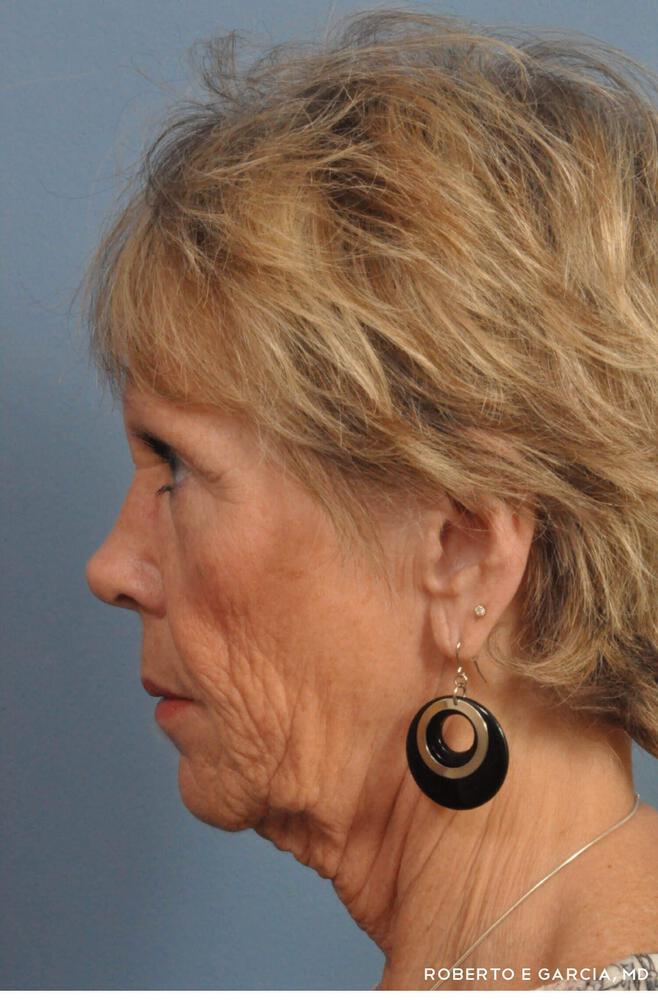
A facelift addresses sagging skin and facial tissues that have moved downward over time. Depending on the technique and the areas included, it may improve:

  • Sagging or flattened cheeks
  • Jowls along the jawline
  • Loose skin through the lower face
  • Deep wrinkles and folds around the nose and mouth
  • A jawline that has lost its definition
  • Loose skin beneath the chin
  • Neck laxity or visible platysmal bands
  • A tired or heavy look caused by tissue descent

The procedure will not remove every line. Its main benefit is bringing back shape to your cheeks, jawline, and neck while keeping your natural look.

Facial Aging Goes Deeper Than the Skin


Facial aging is easy to notice on the skin, but other changes happen beneath the surface. Fat can shrink or shift, ligaments loosen, and the tissues that once supported your cheeks and jawline start to sag. This is why folds deepen, cheeks flatten, and jowls form where the jawline was once smooth.

Dermal fillers can bring back facial volume, and energy-based treatments can help with skin quality or mild looseness. However, they can’t move tissue that has dropped significantly. When sagging tissue is the main issue, facelift surgery is often the better option.

Contoura Facial Plastic Surgery Logo Ponte Vedra Beach, Florida
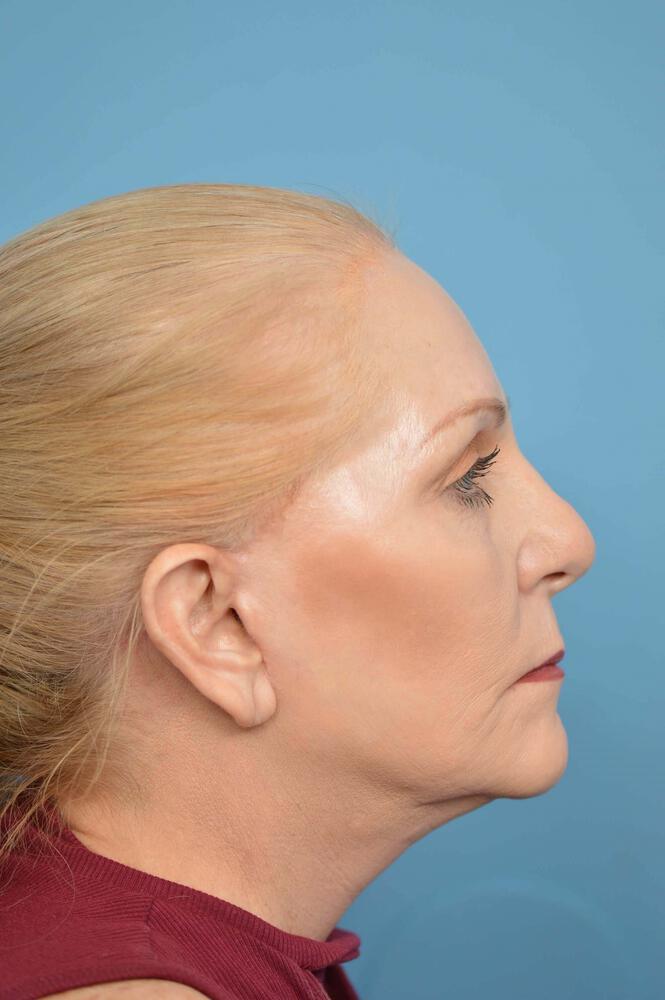
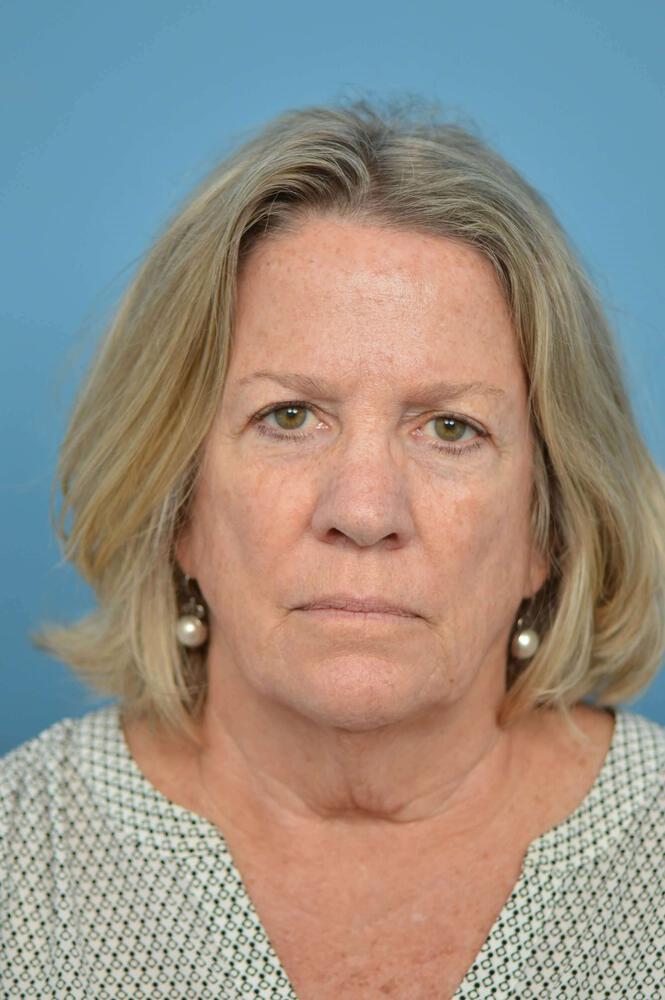
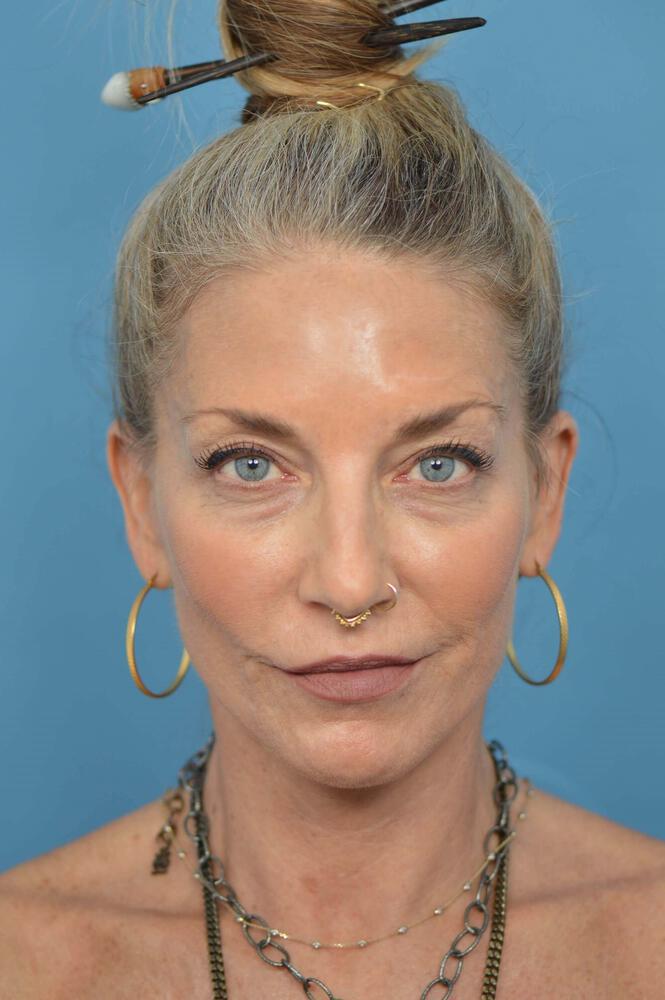
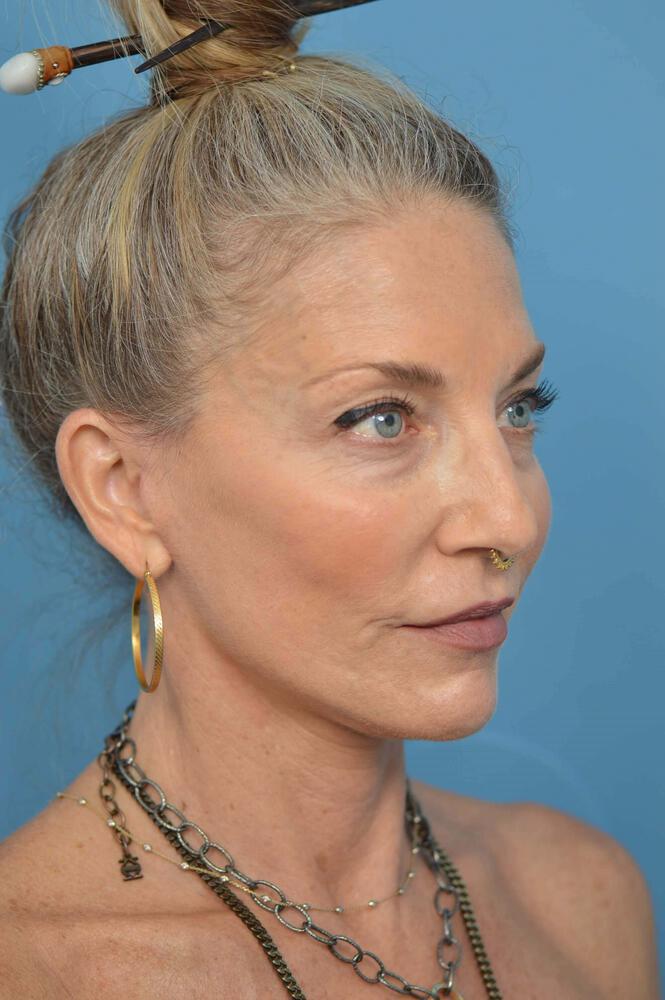
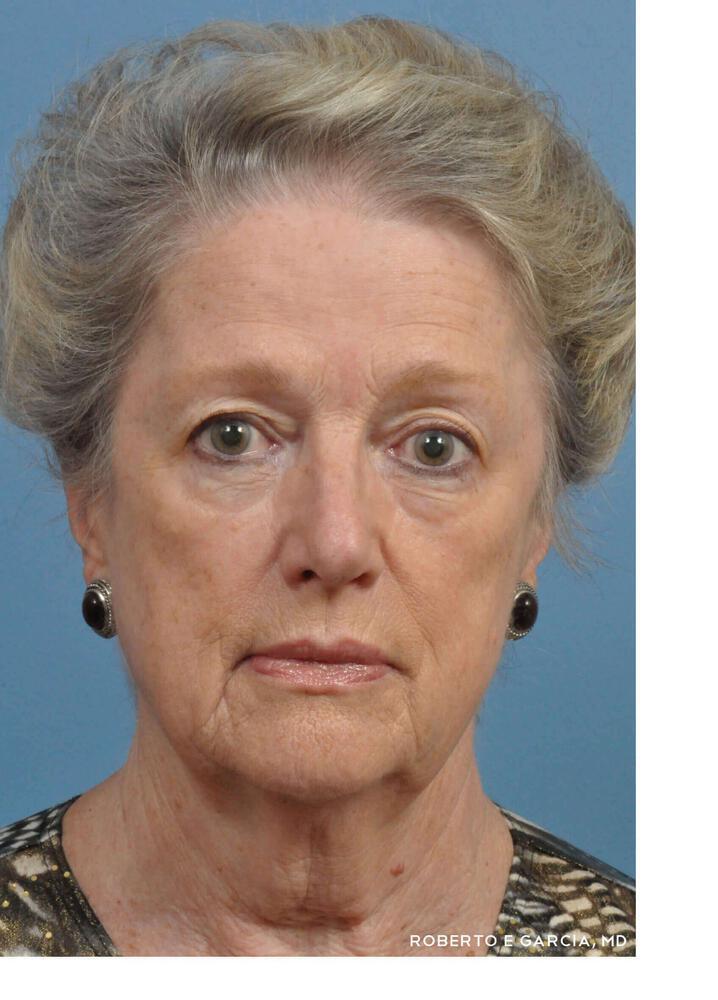
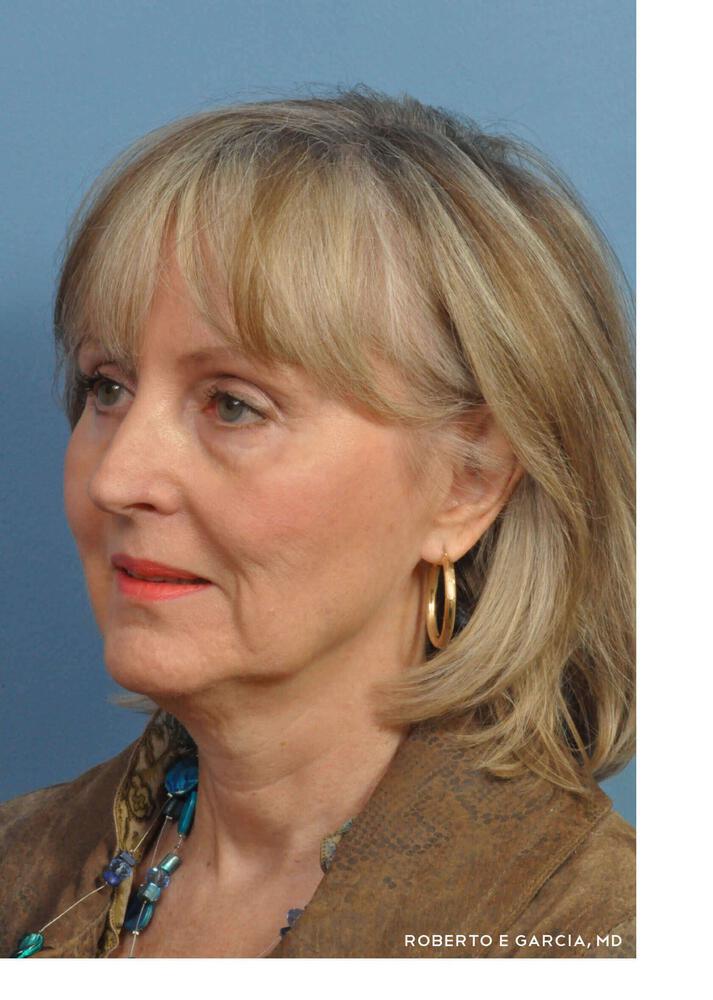
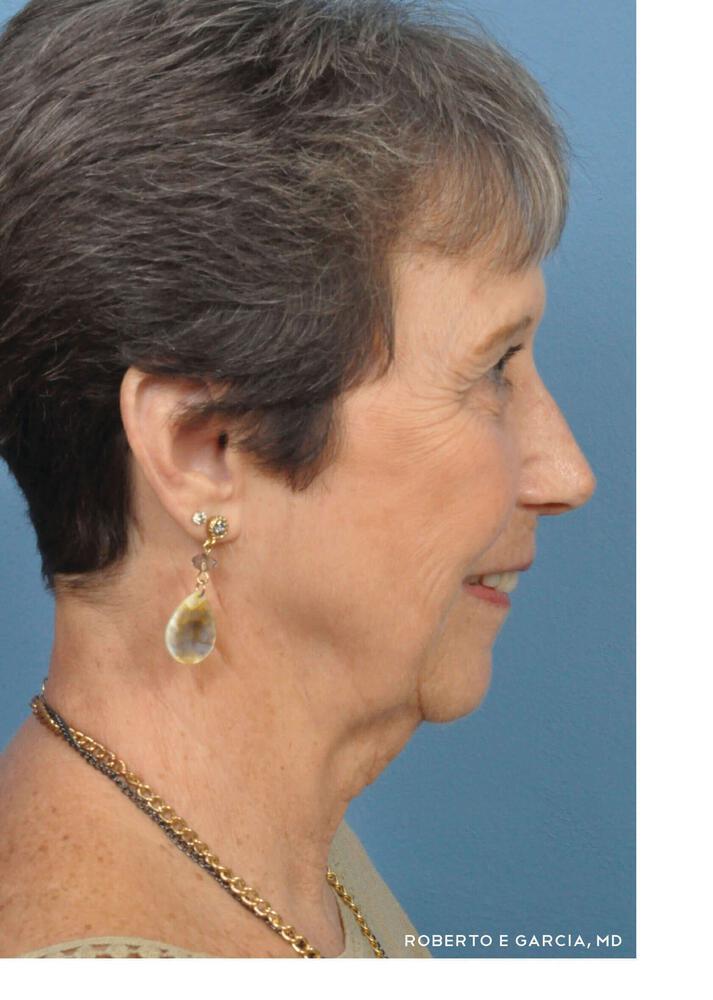
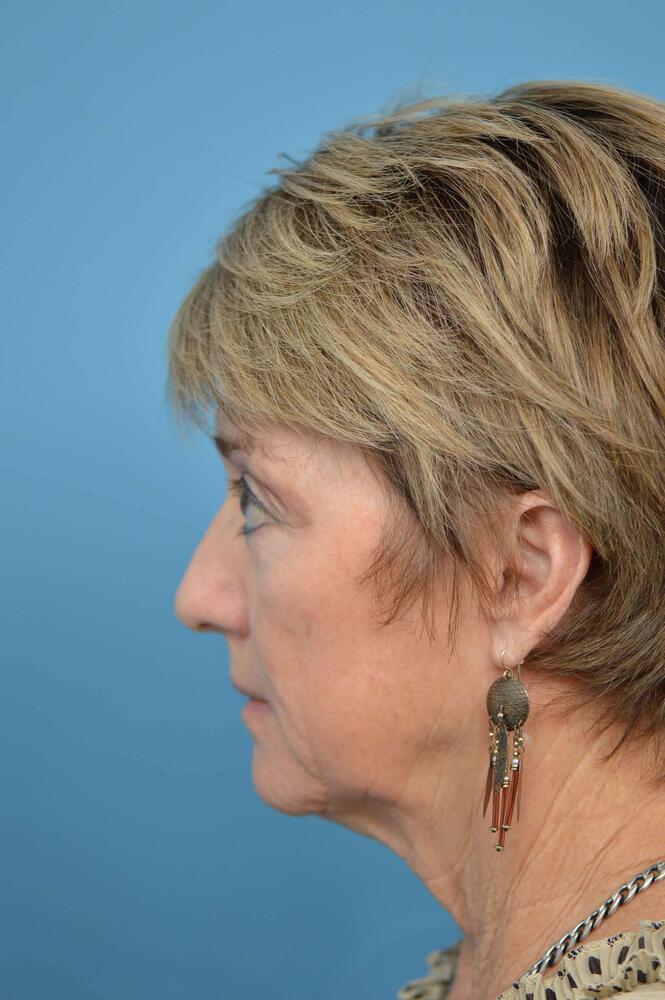
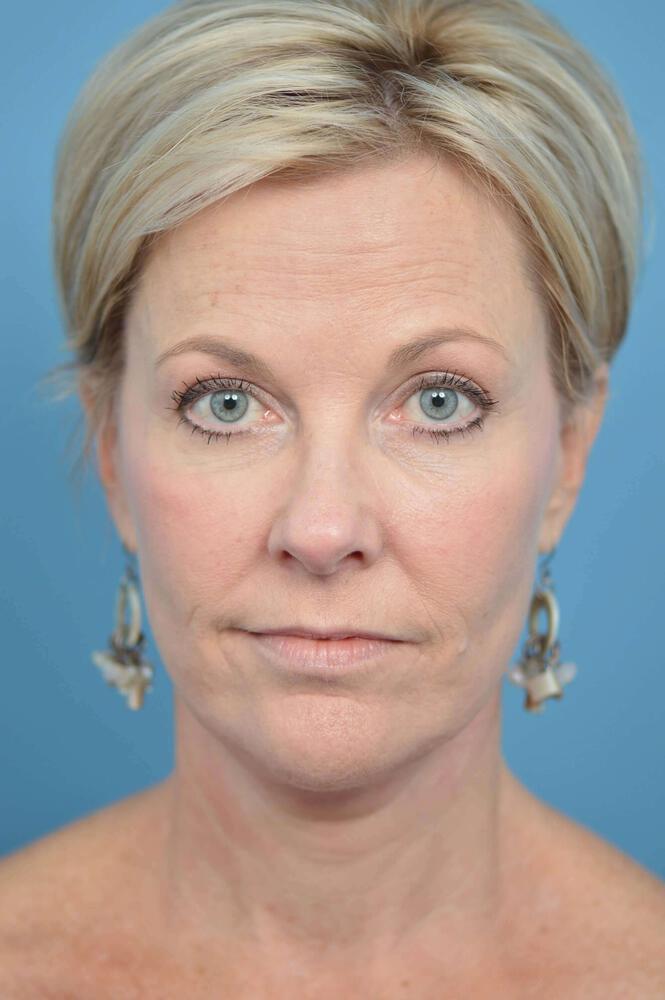
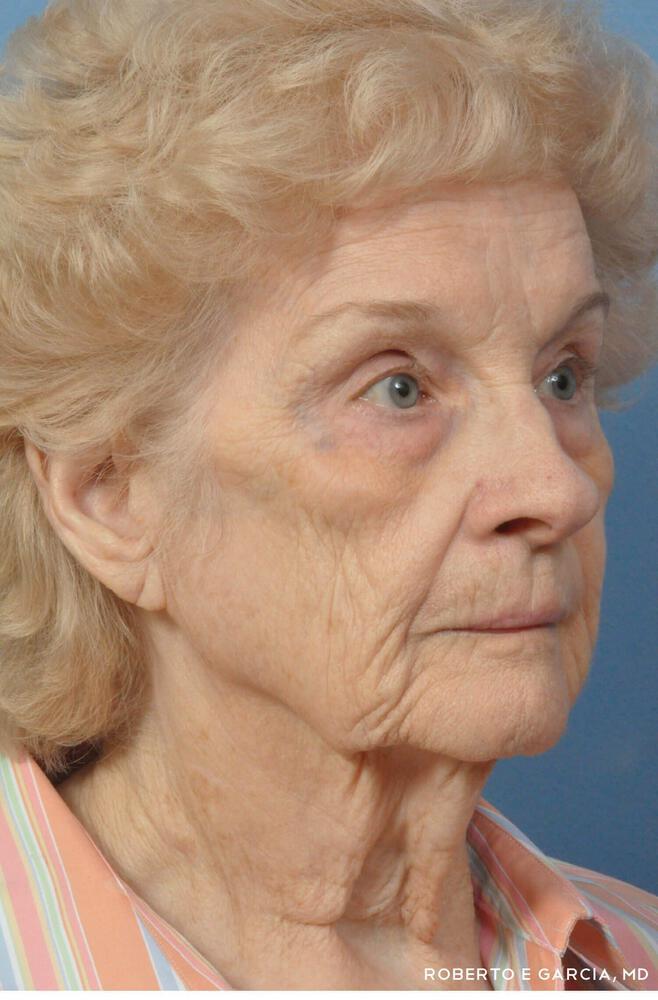
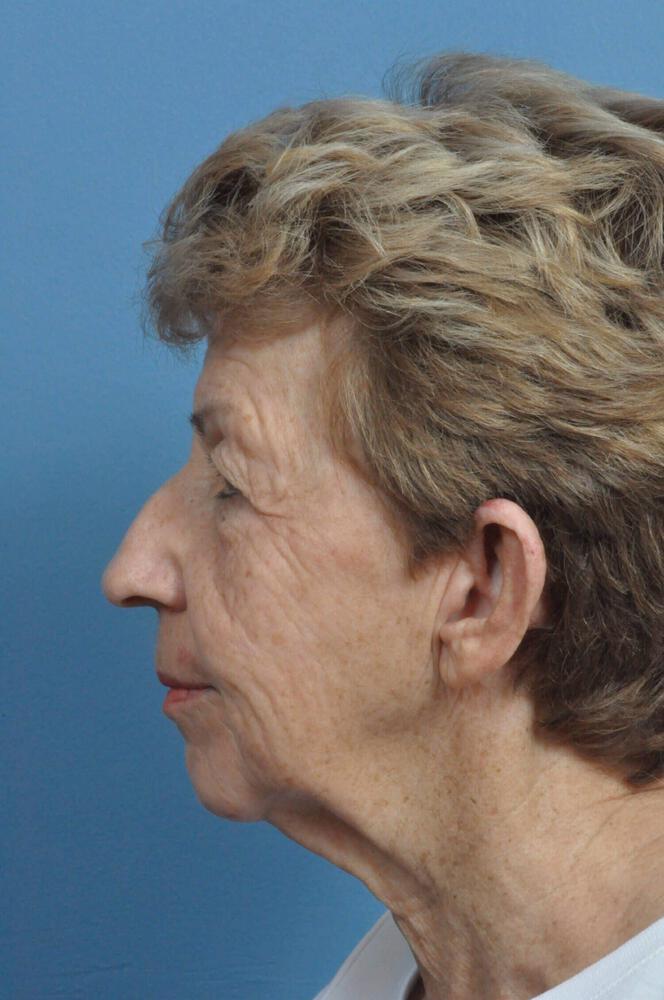
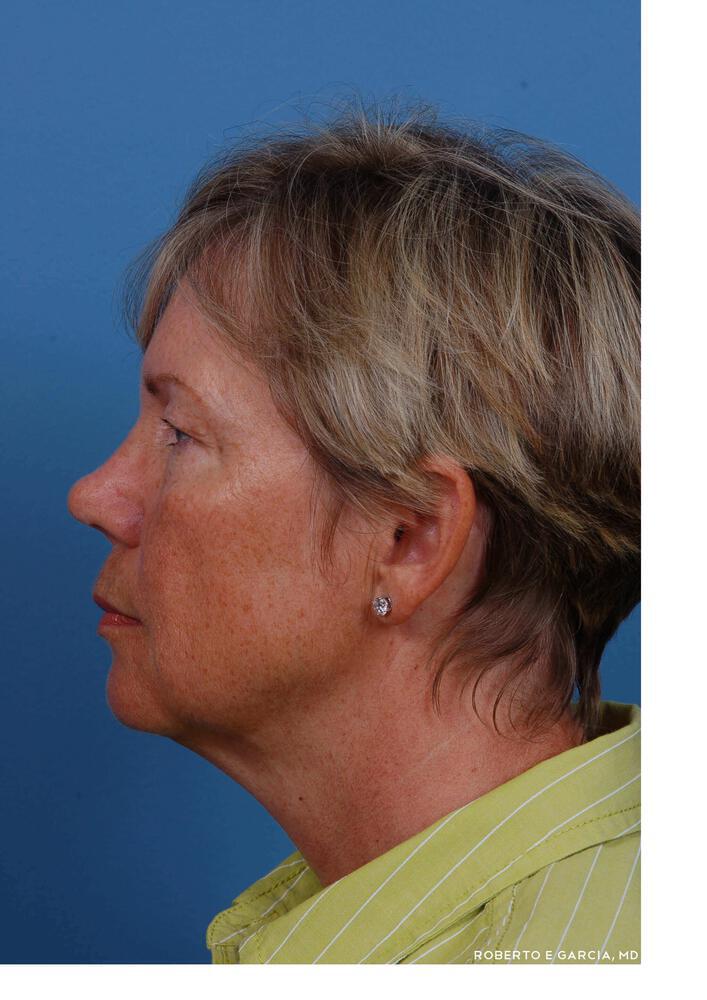
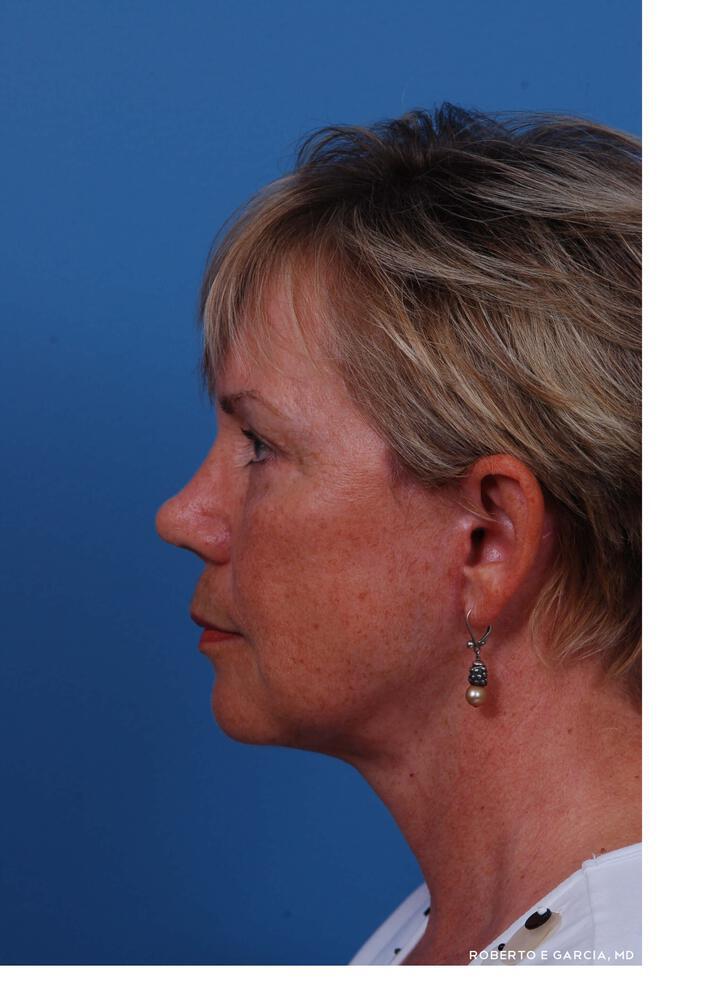
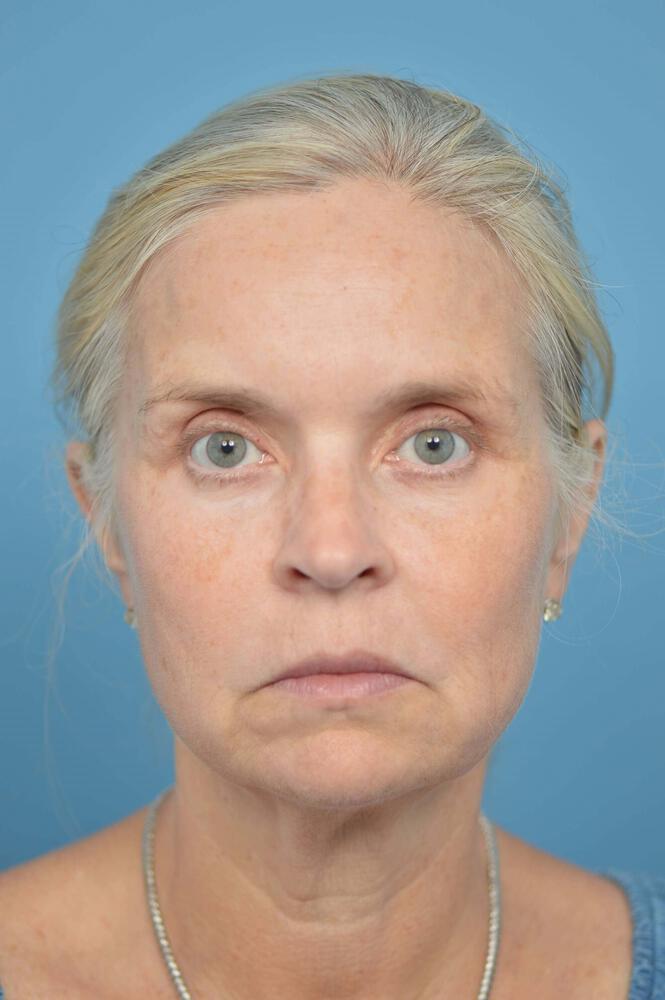
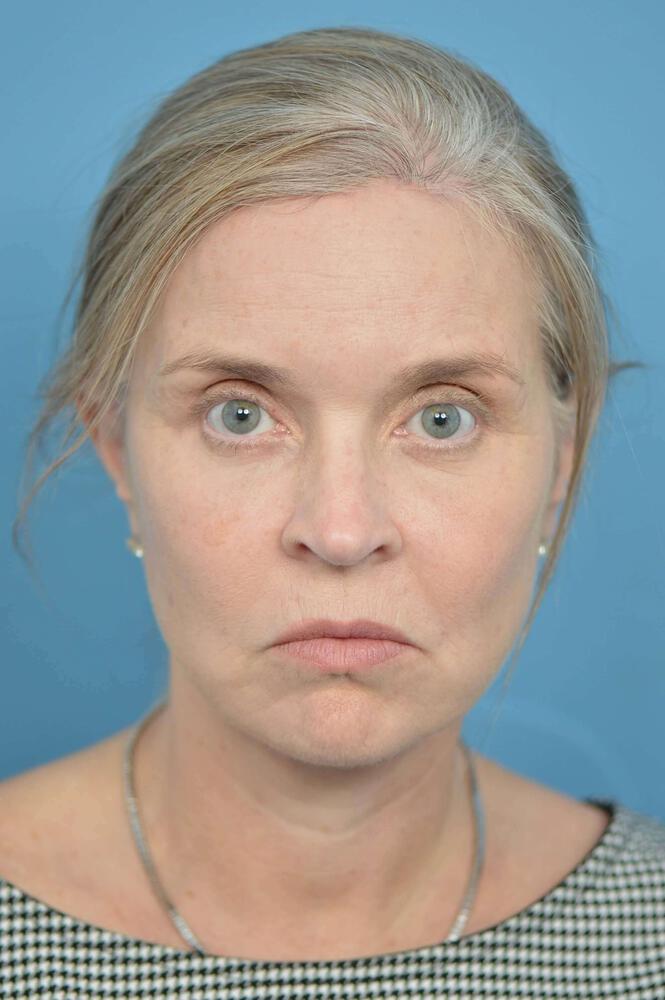
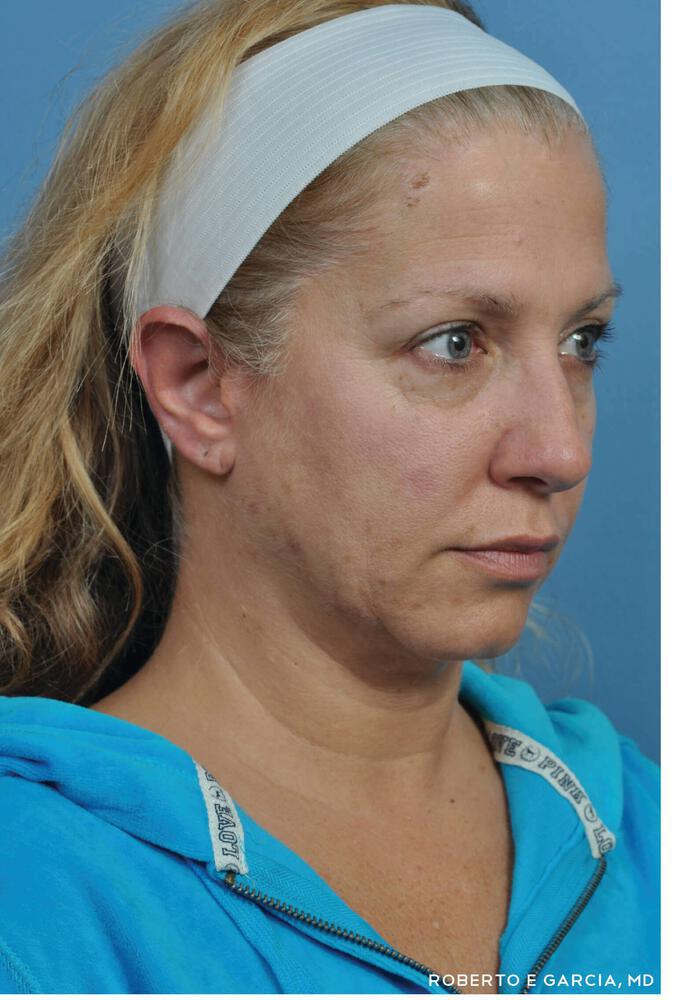
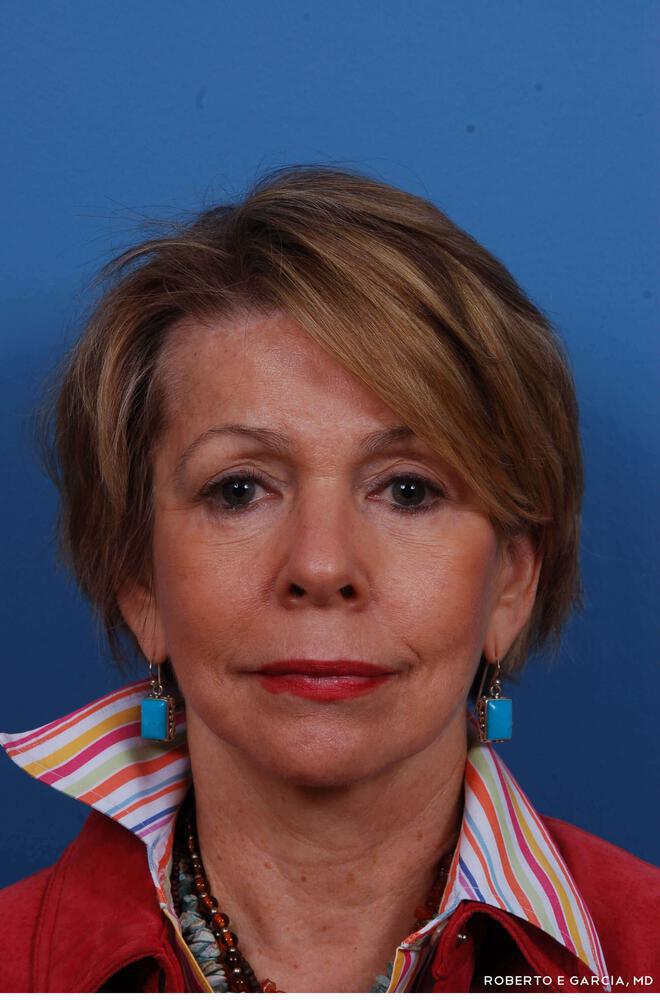
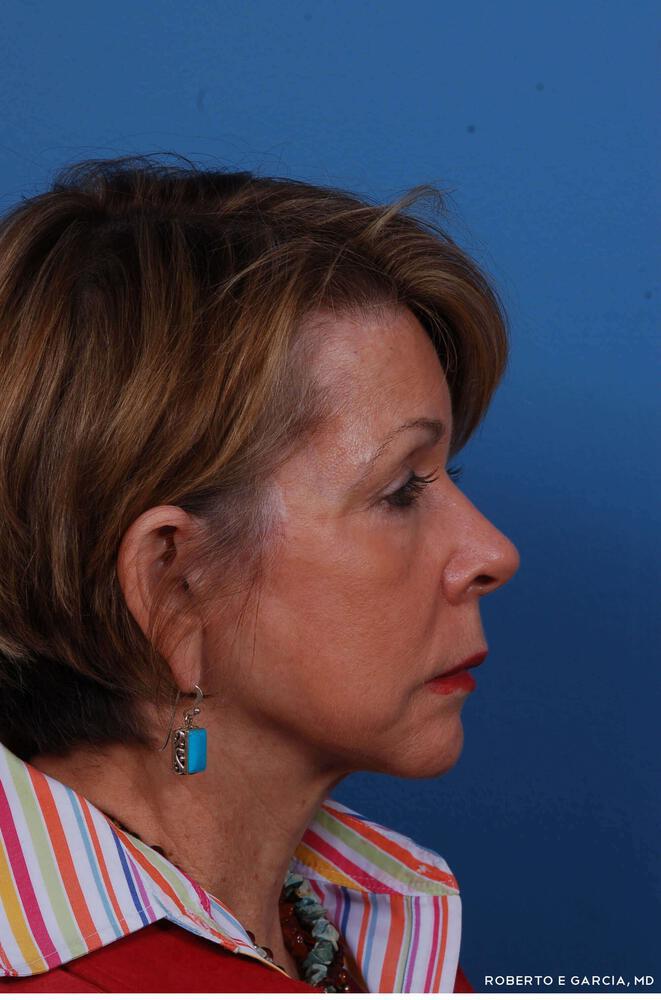
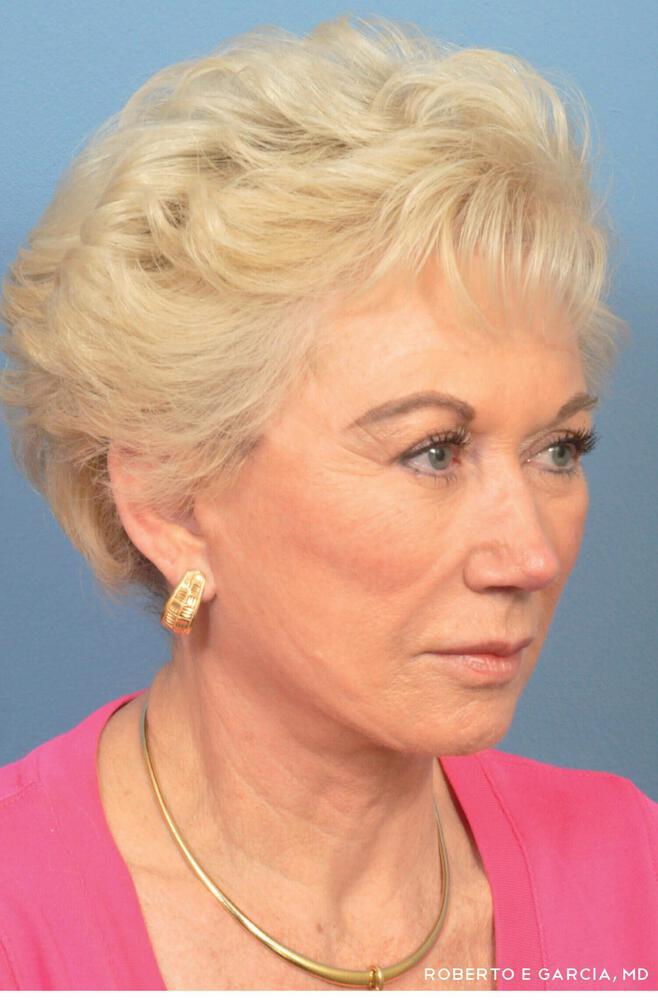
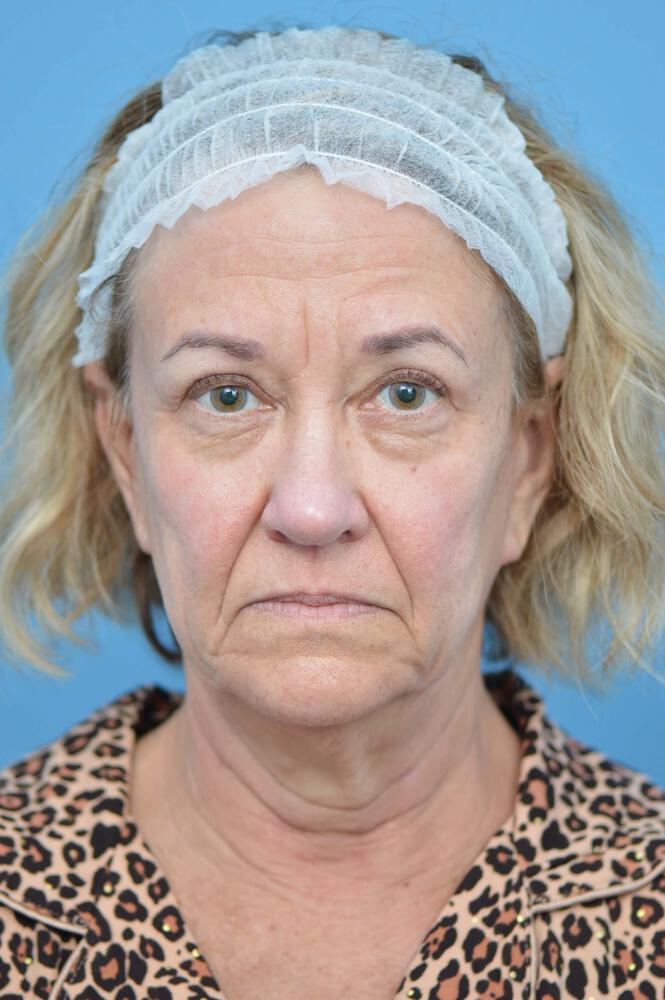
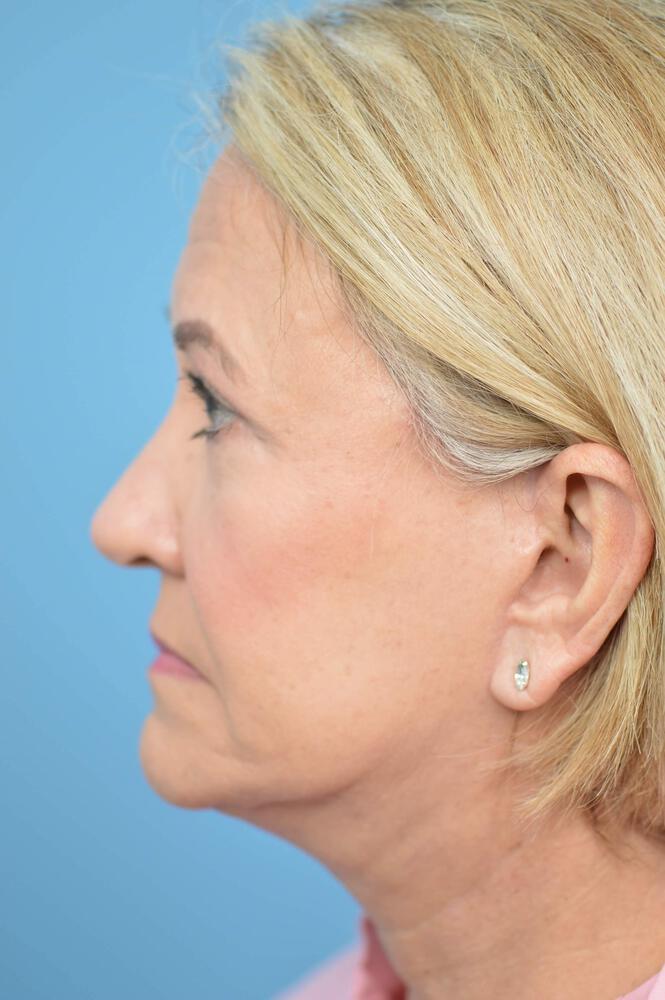
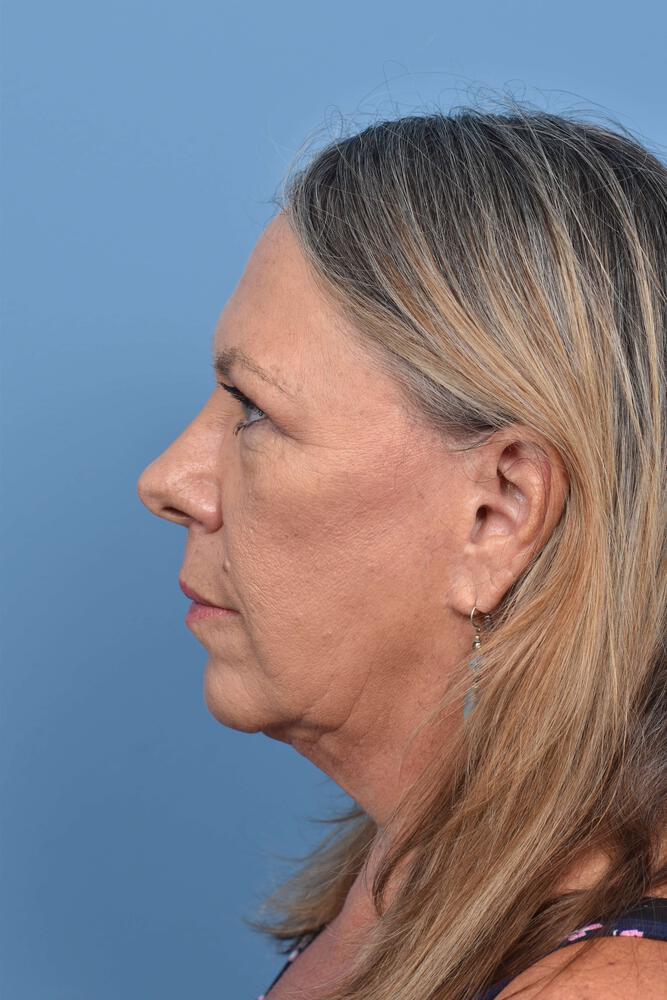
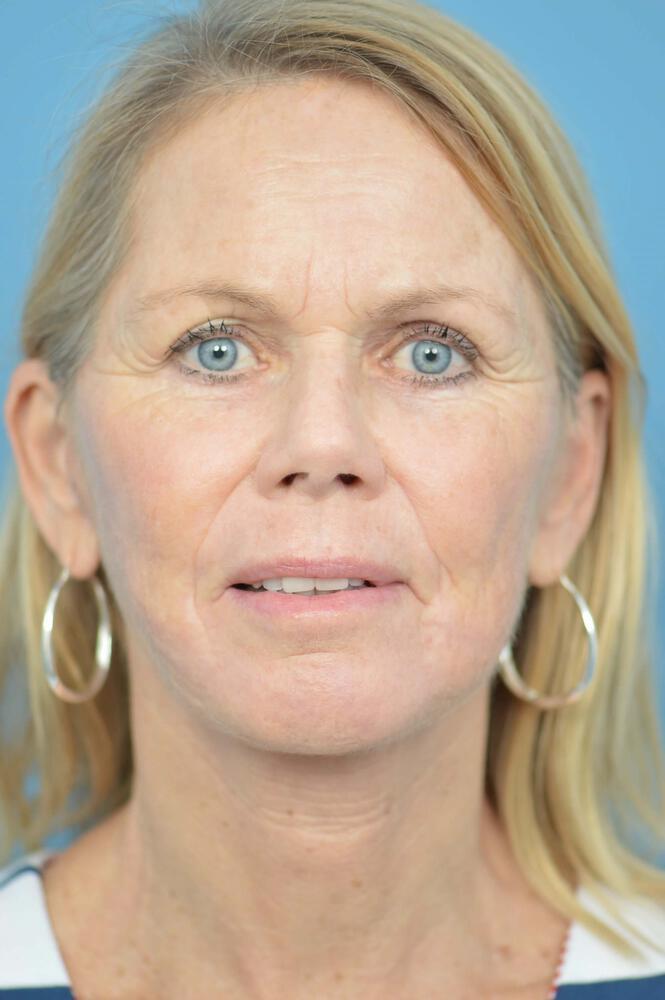
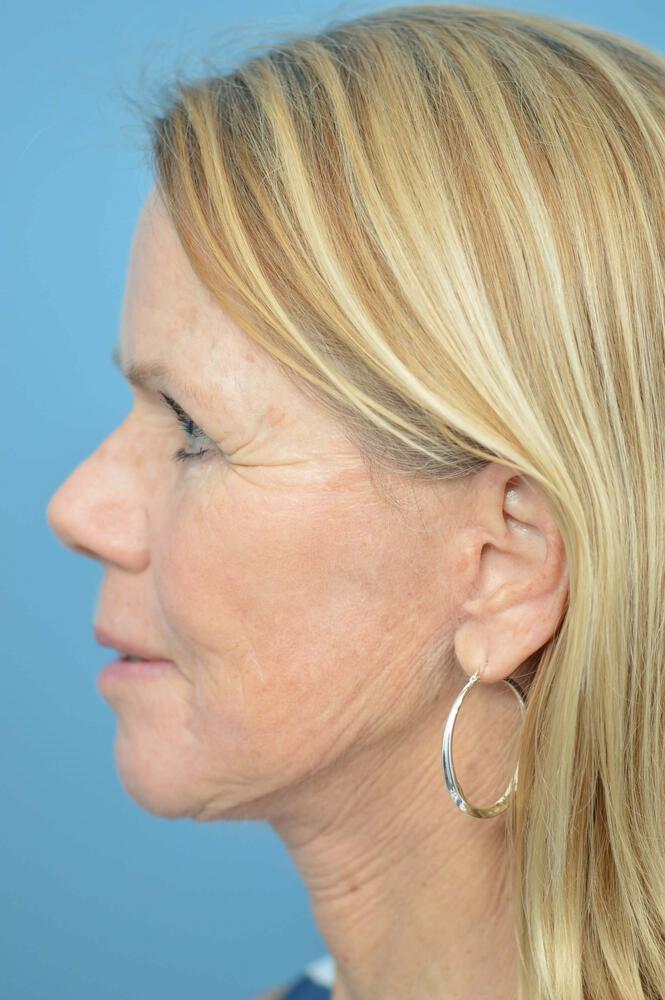
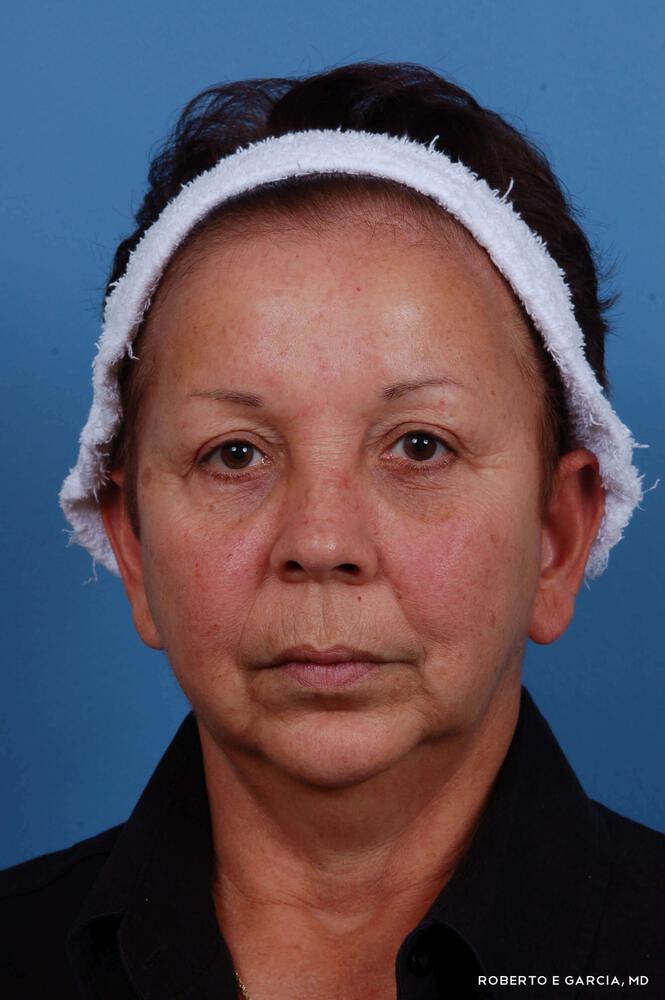
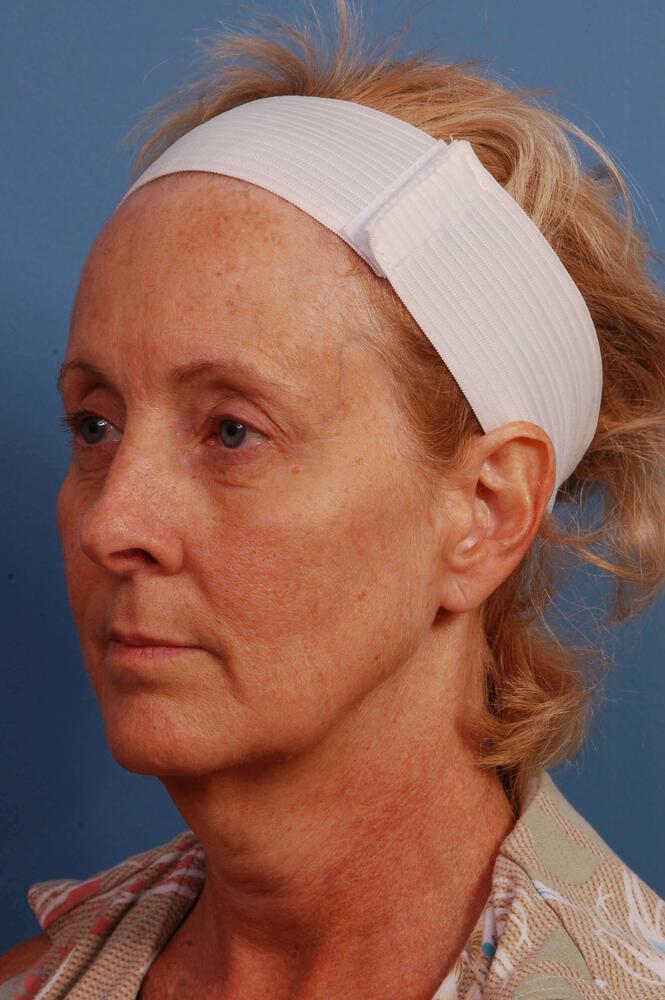
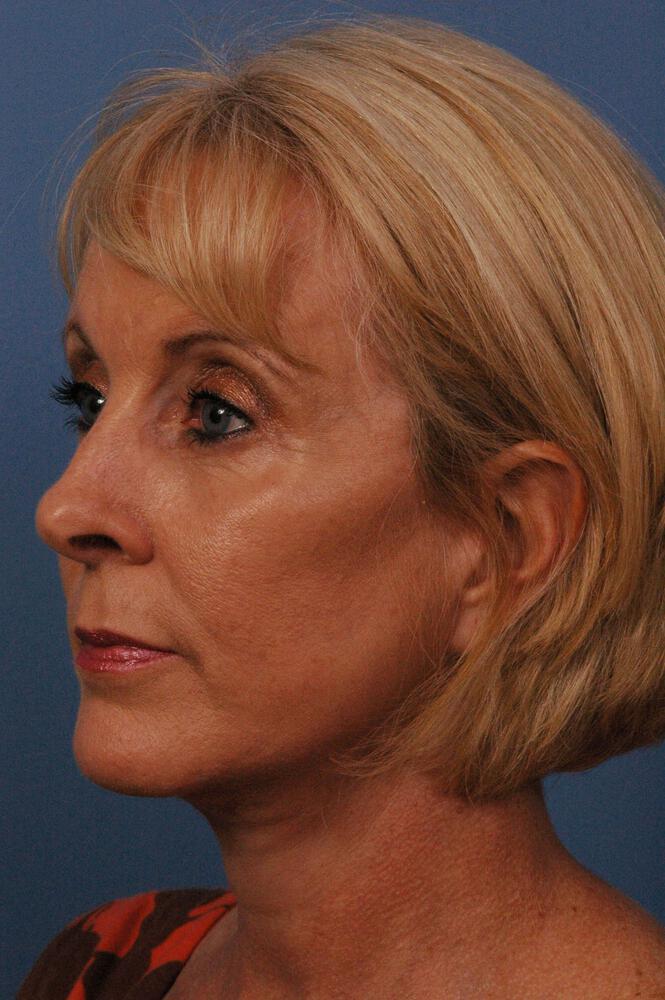
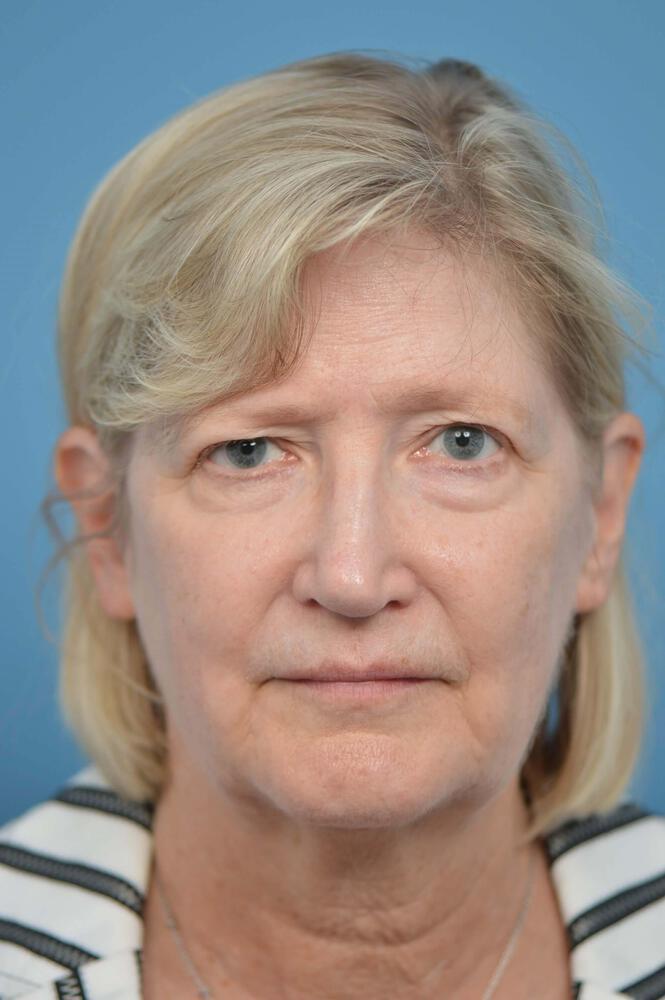
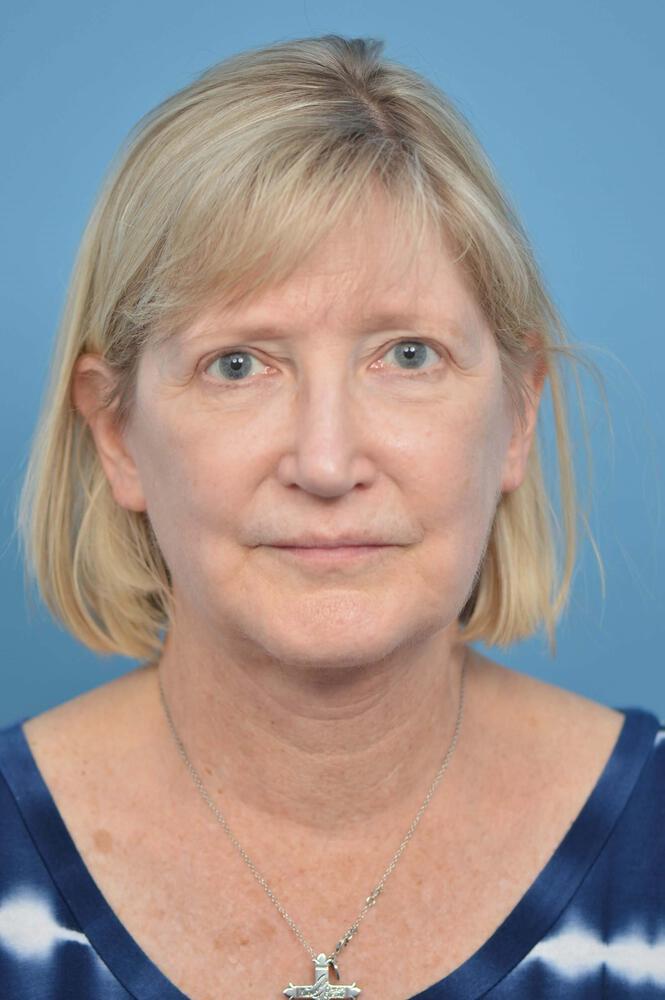
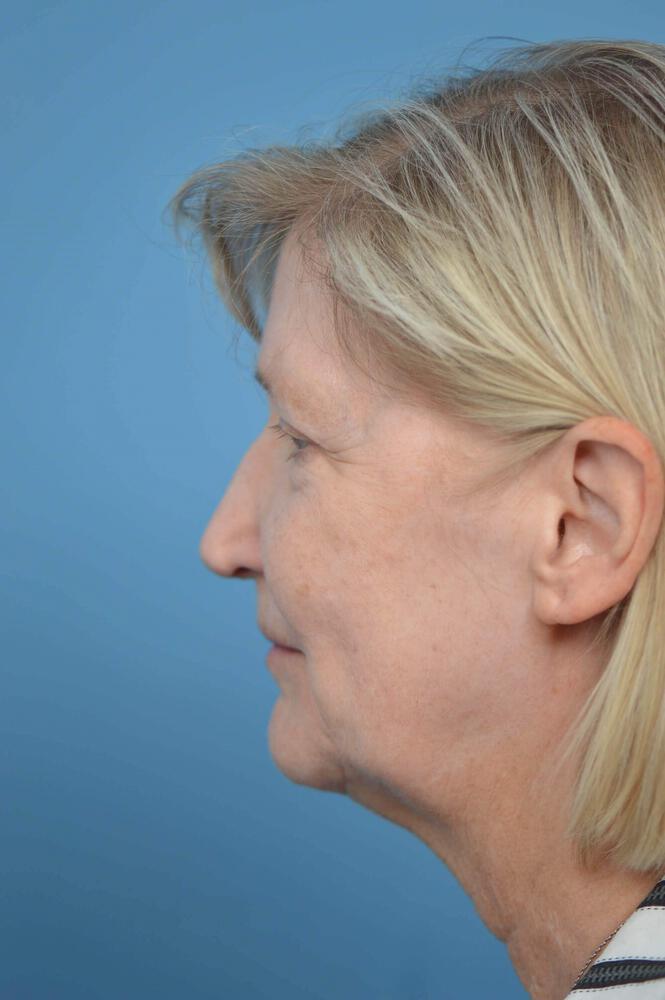
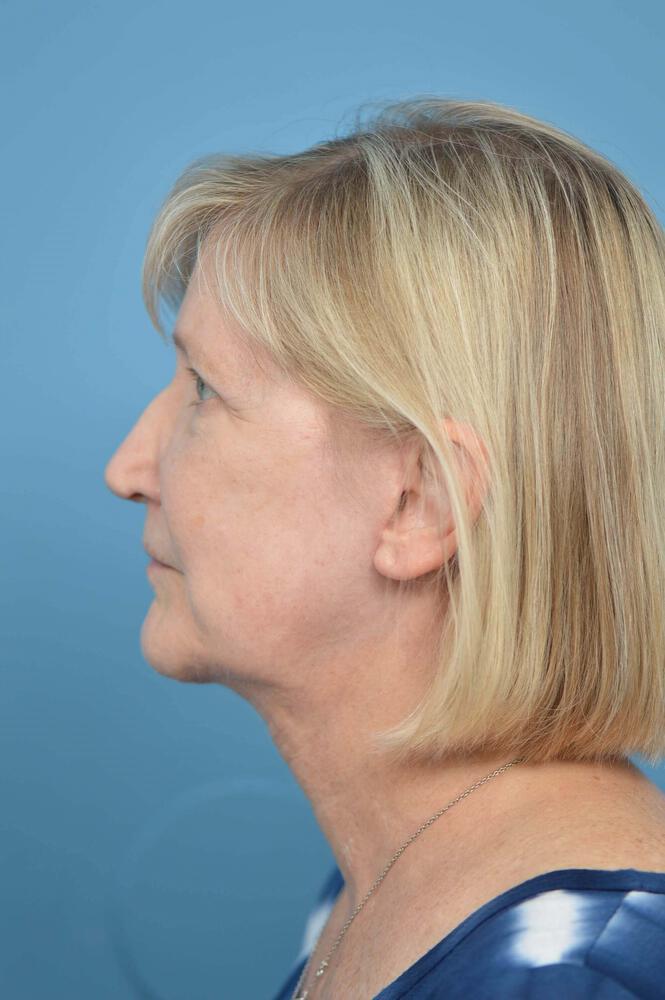
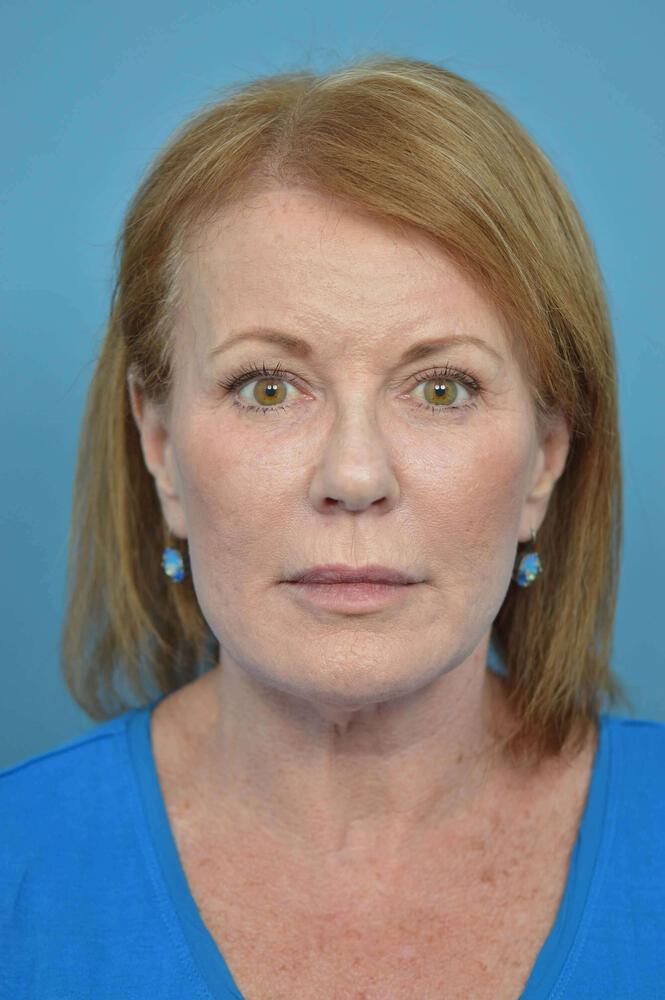
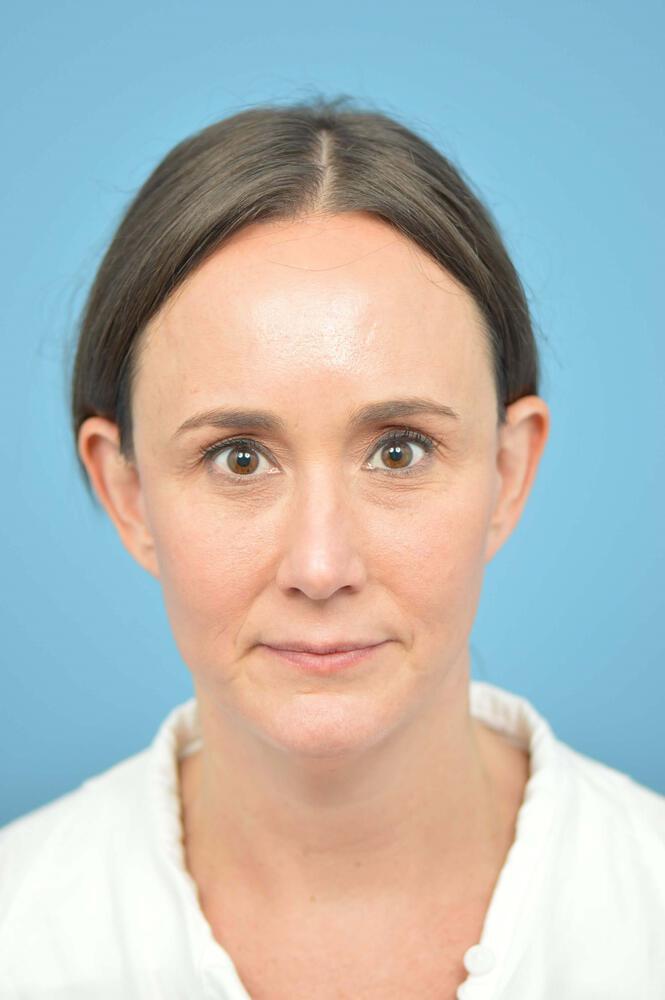
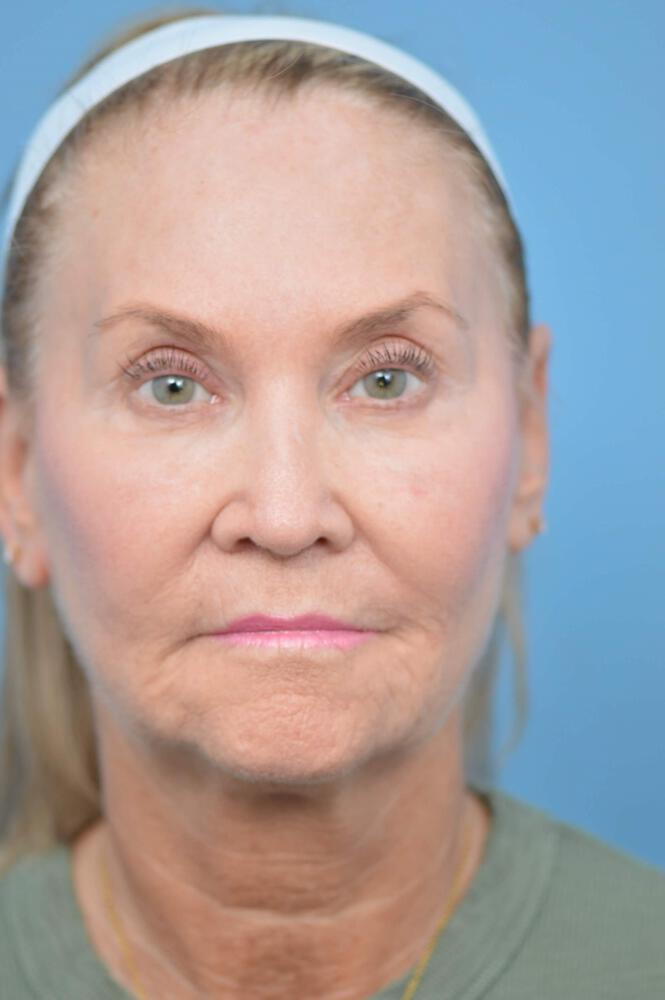
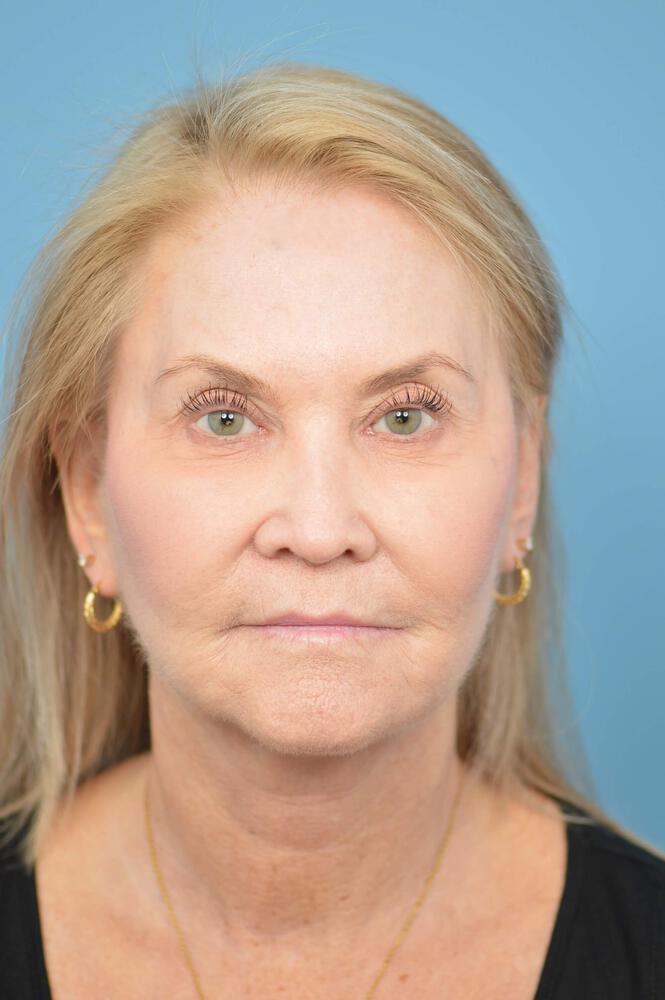
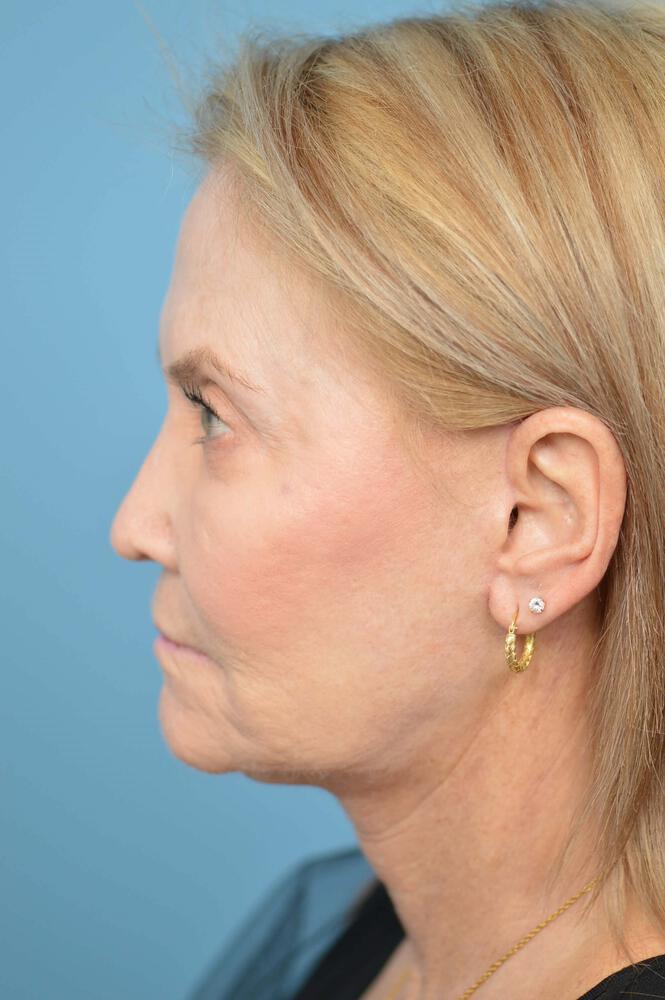
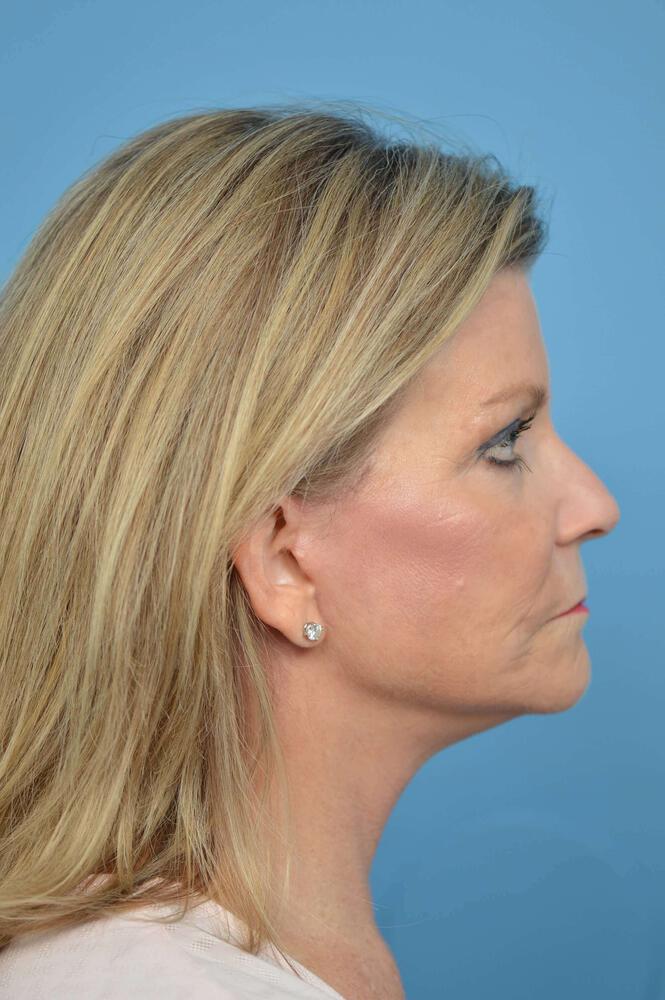
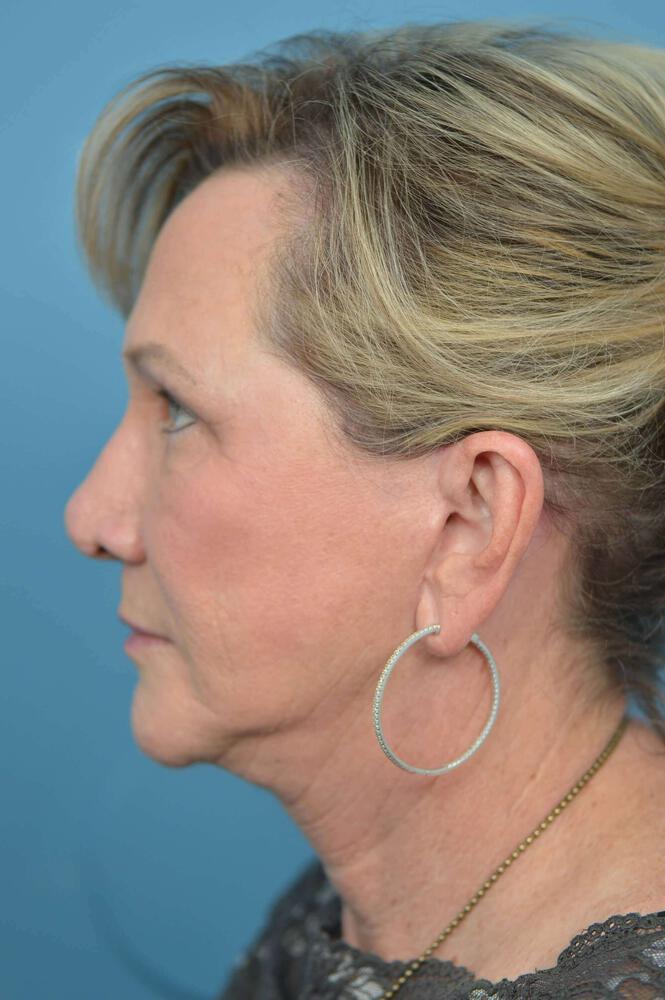
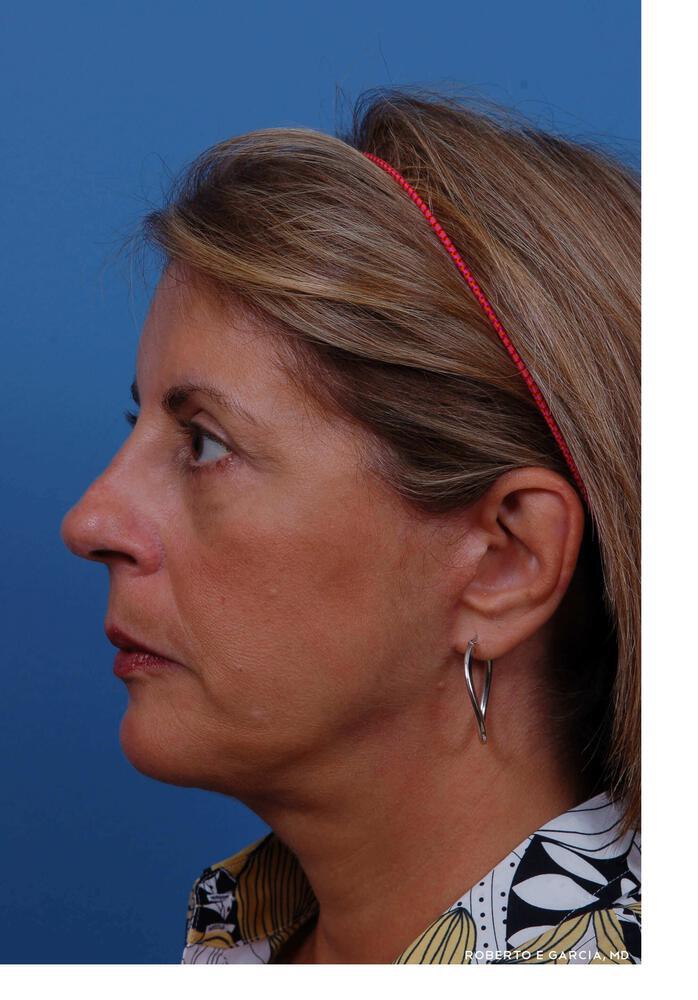
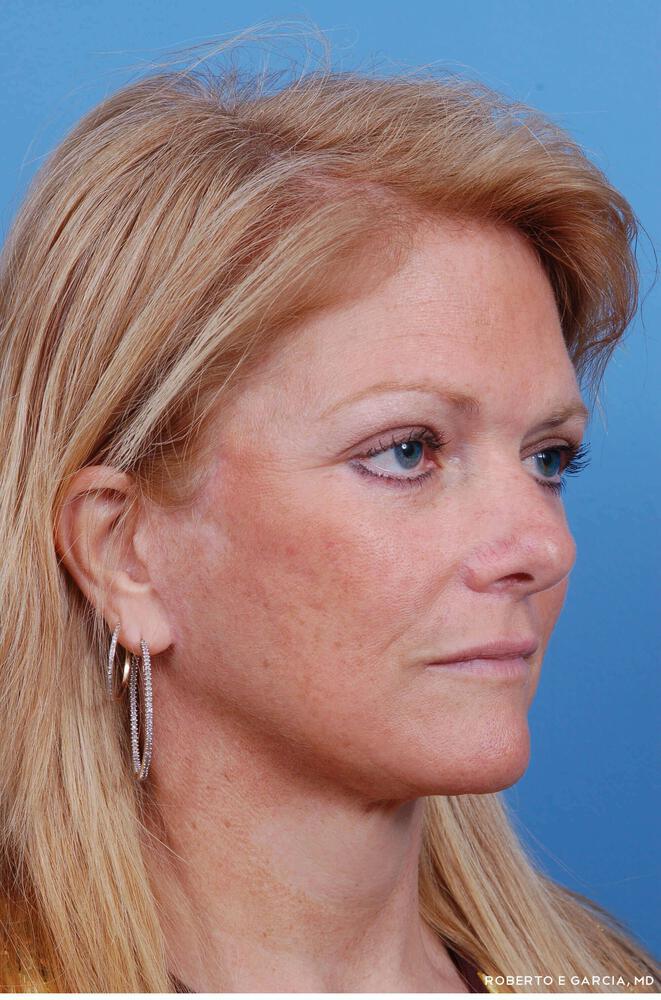
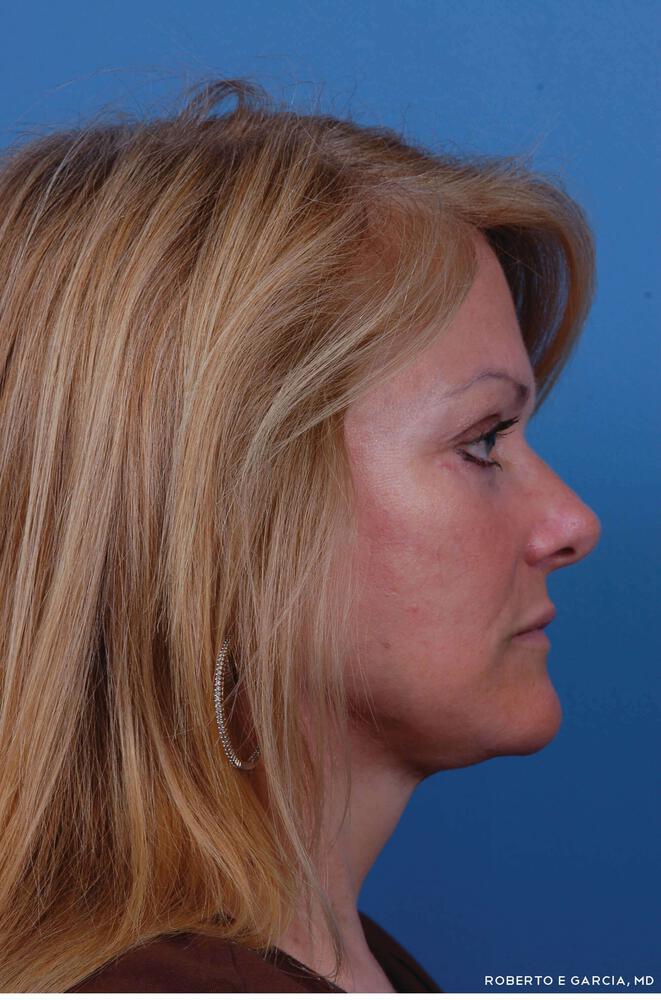
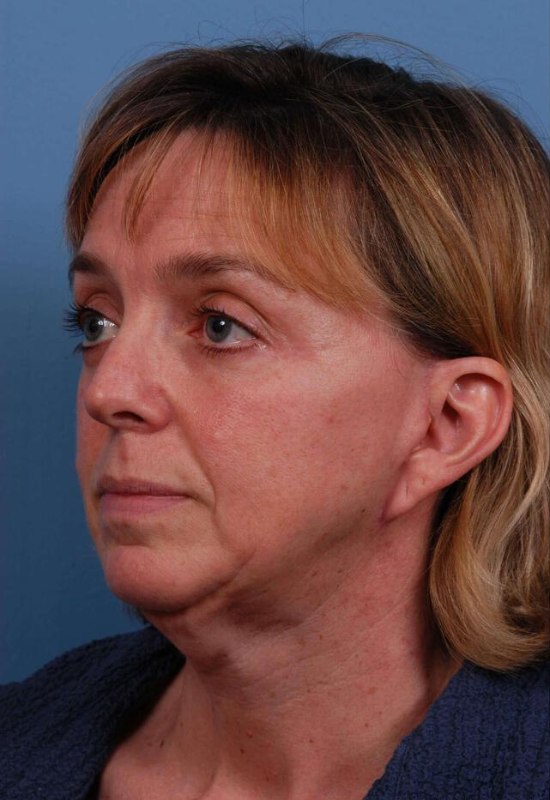
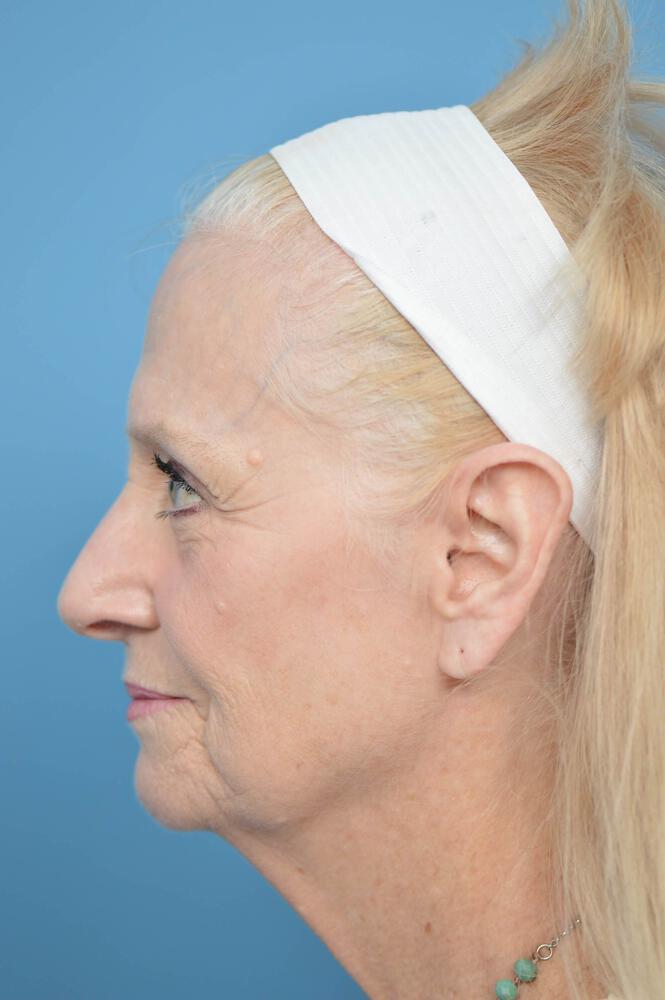
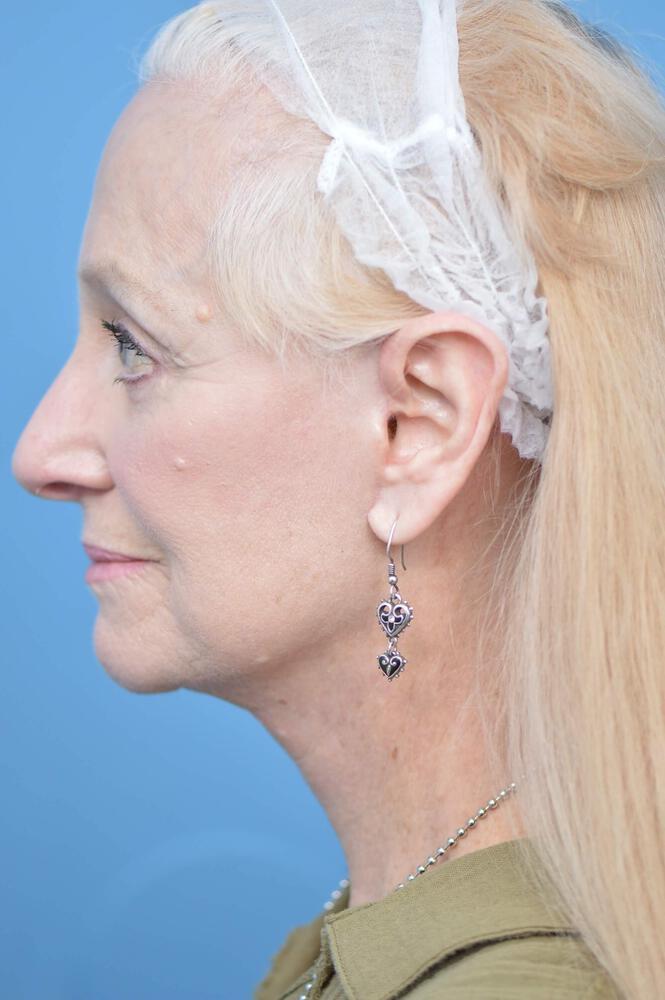
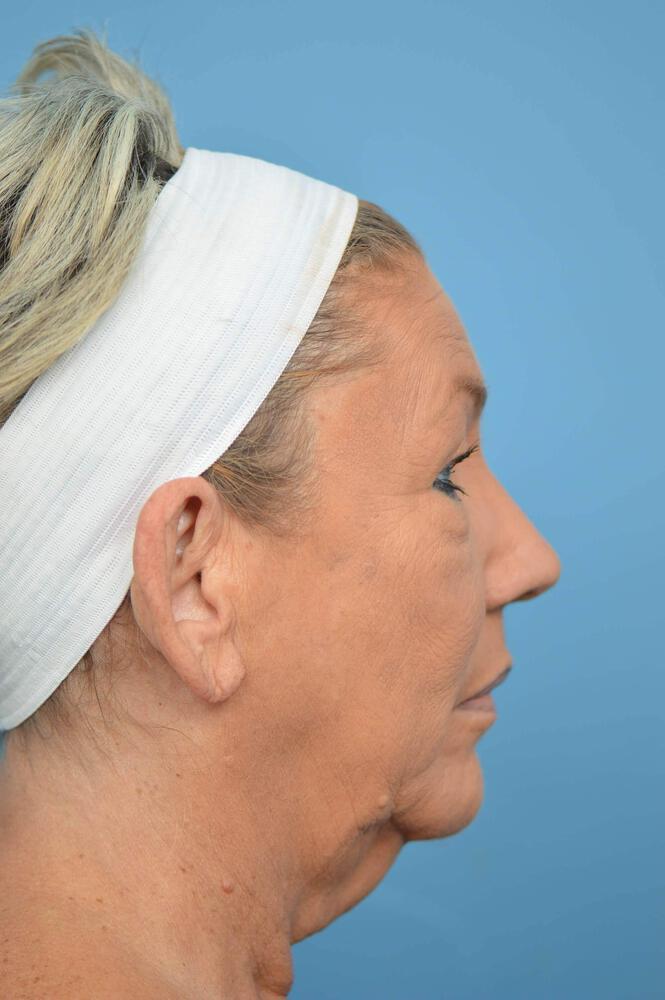
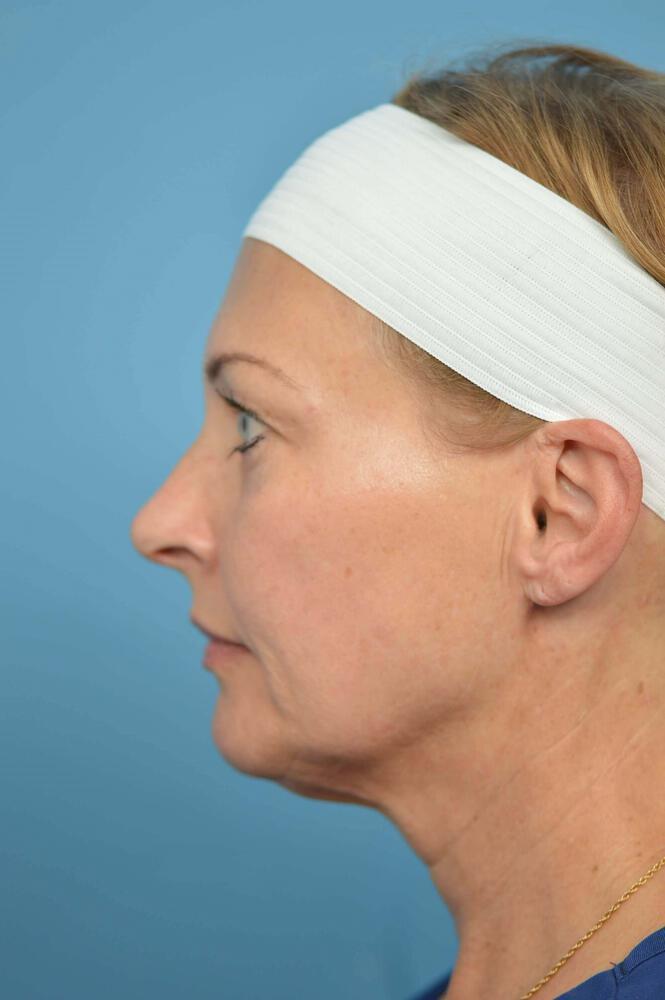
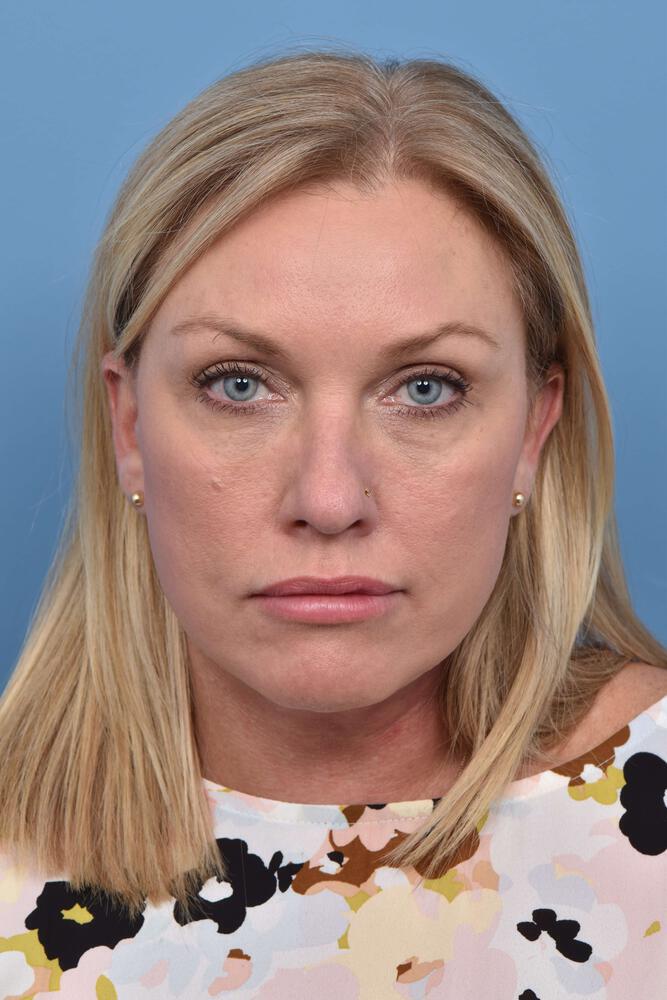
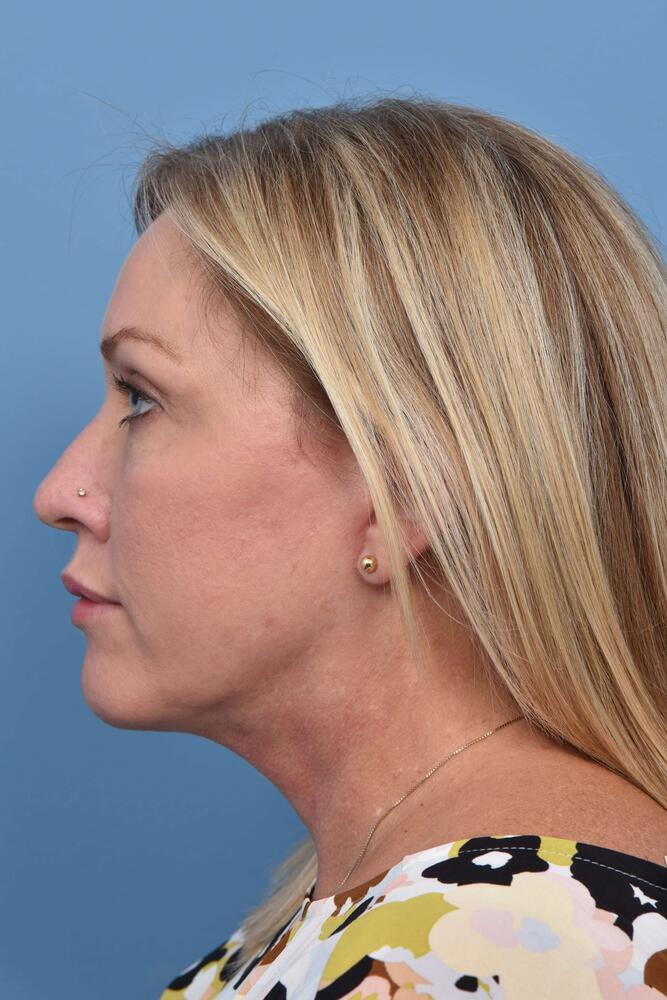
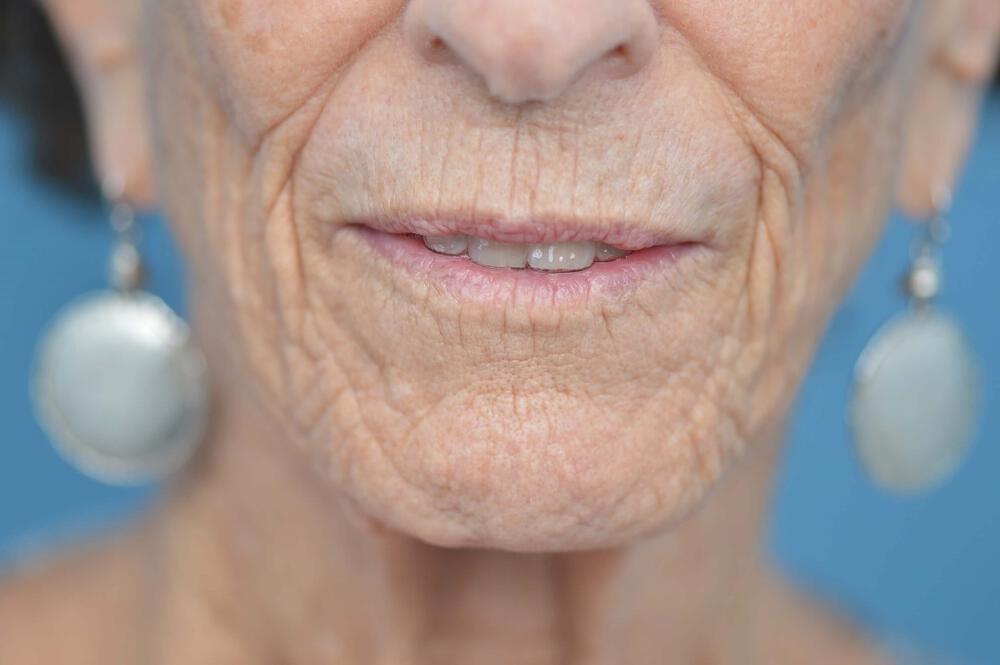
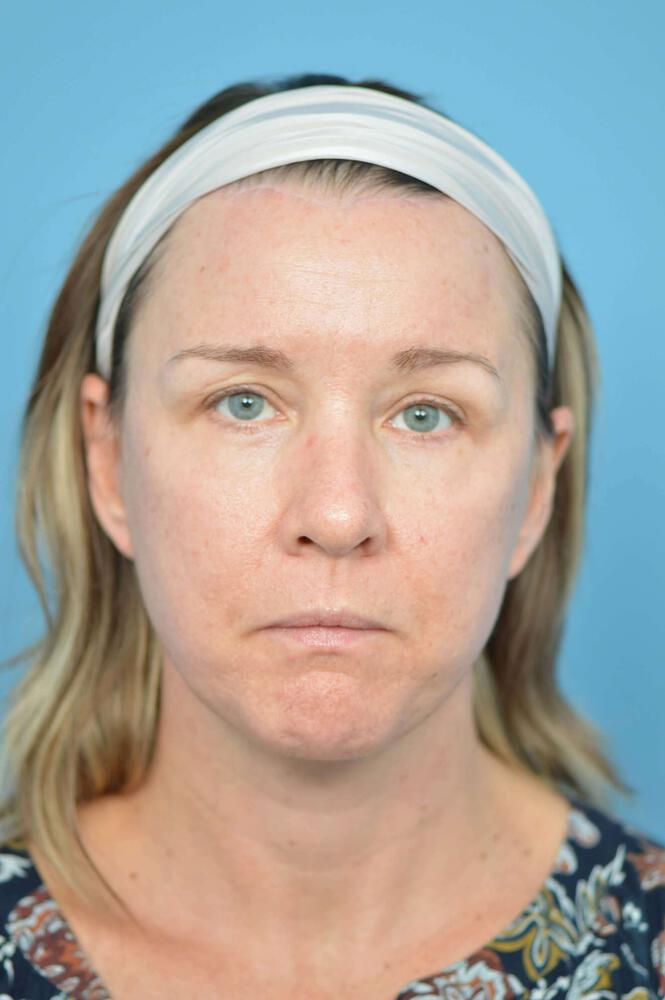
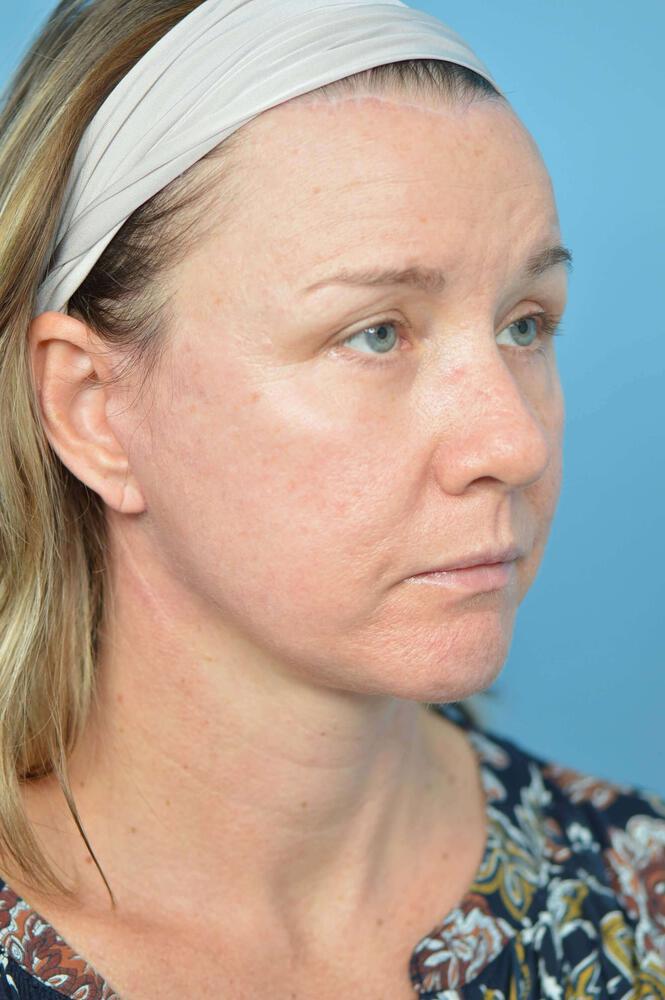
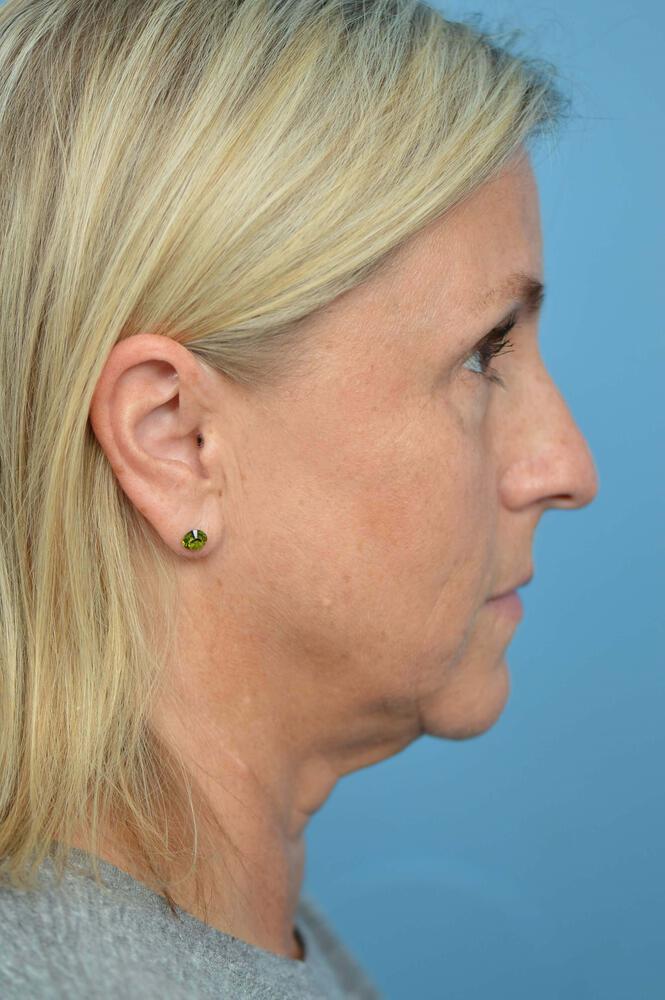
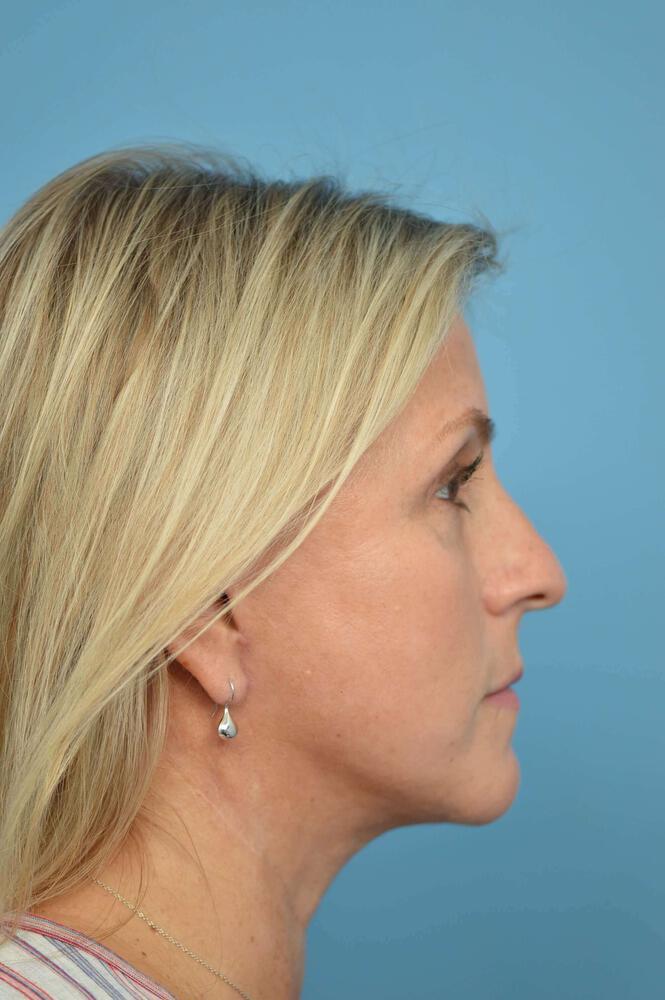
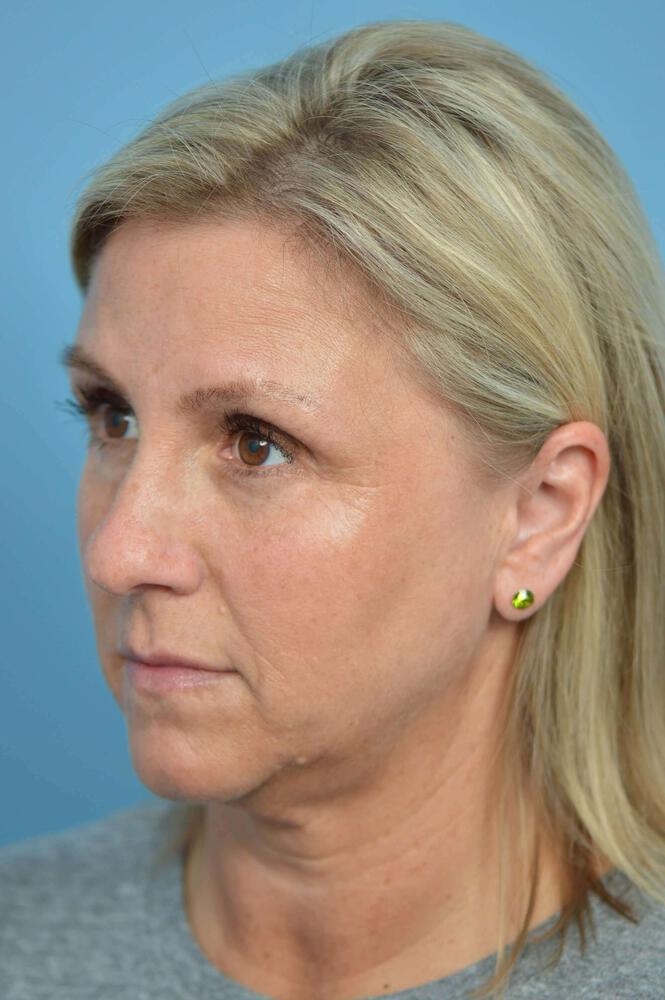
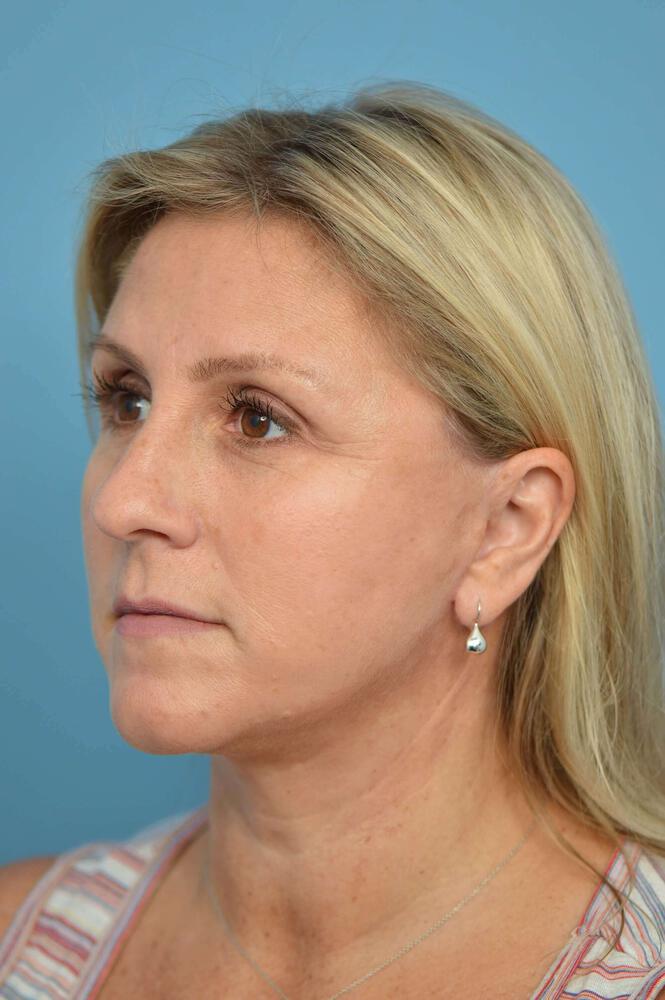
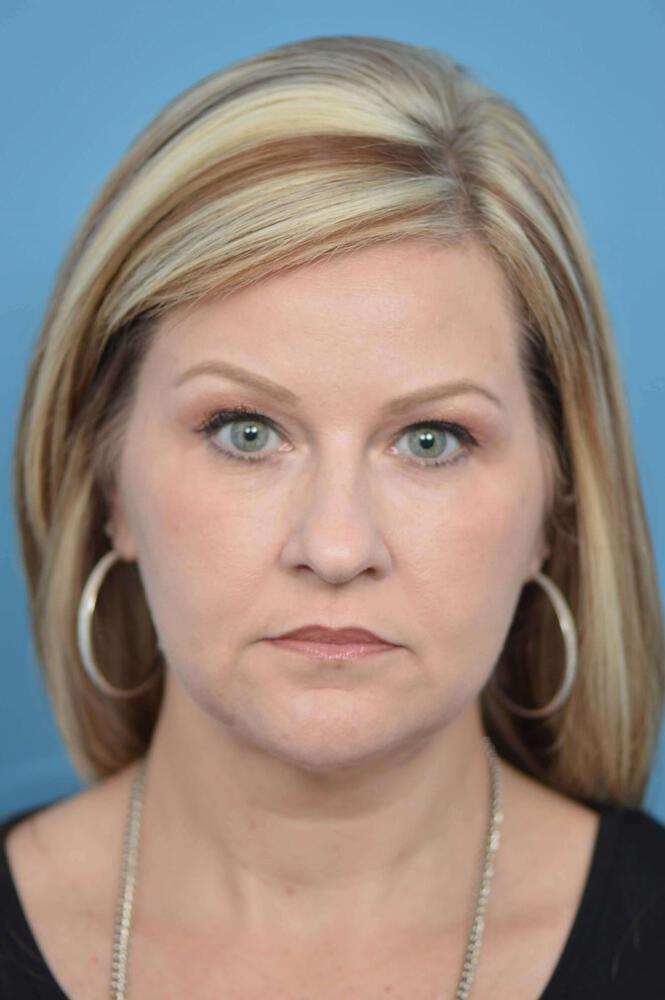
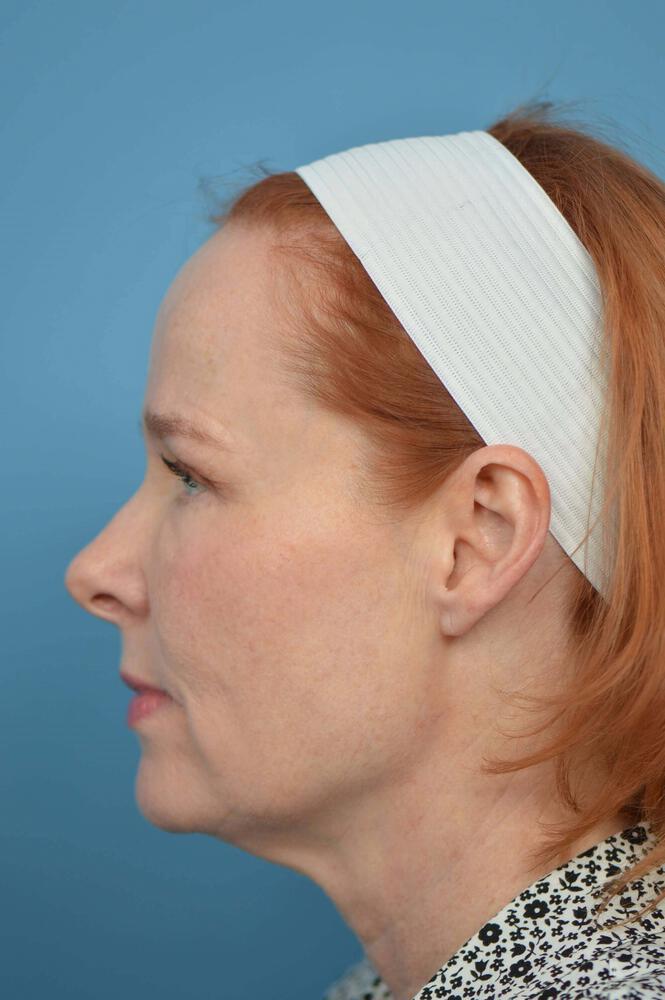
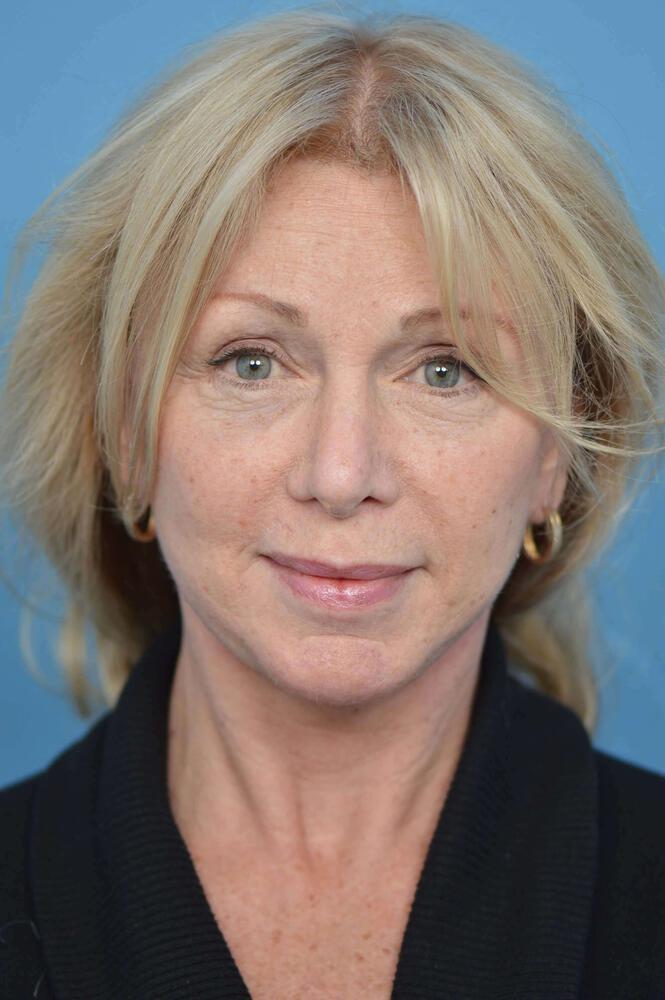
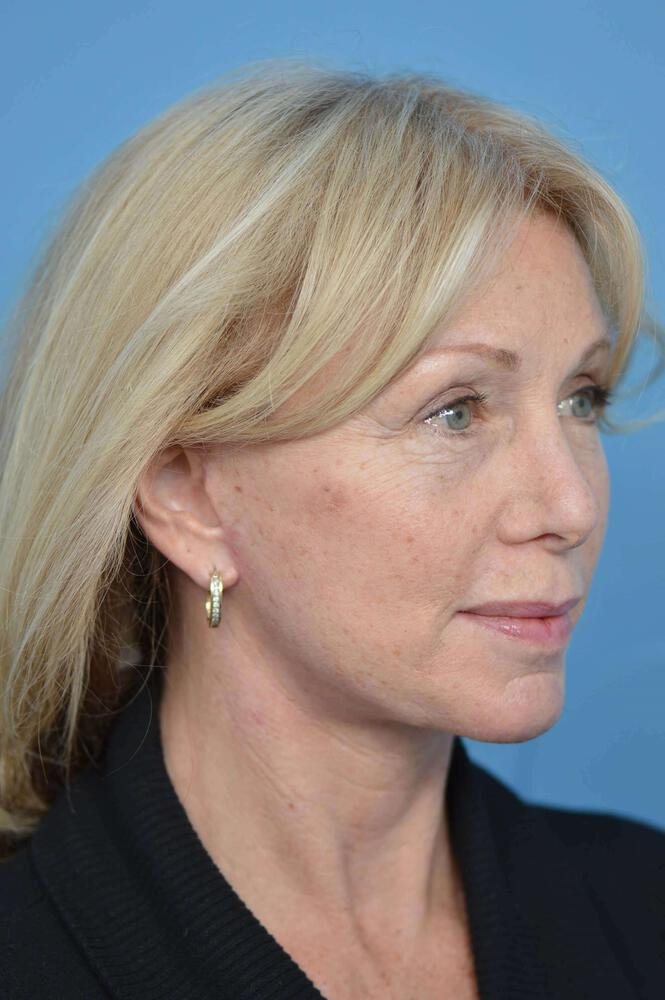
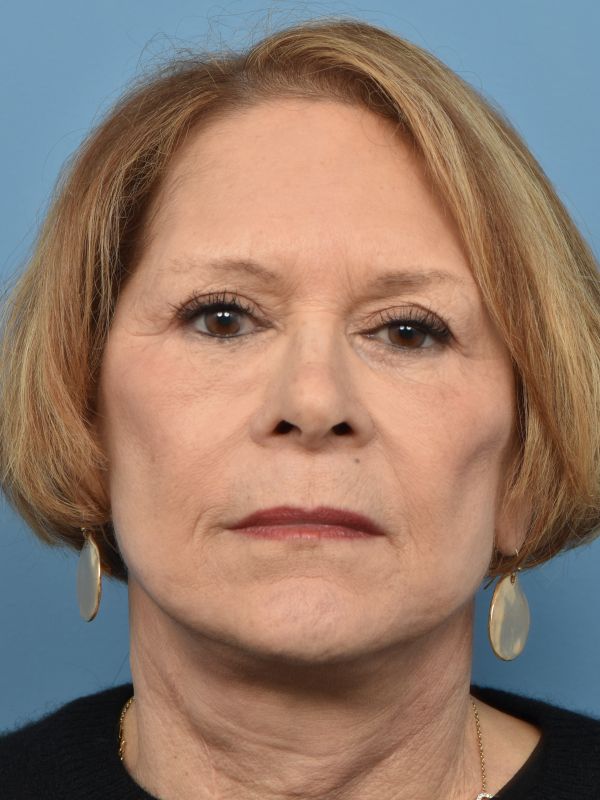
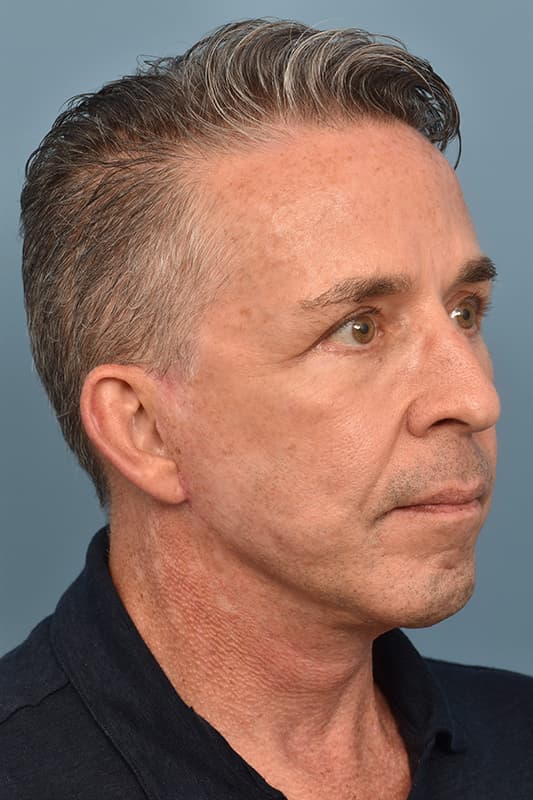
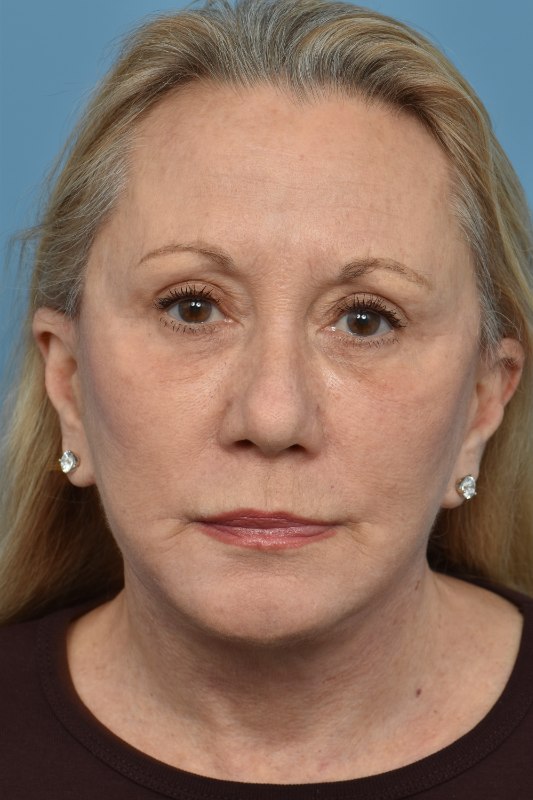
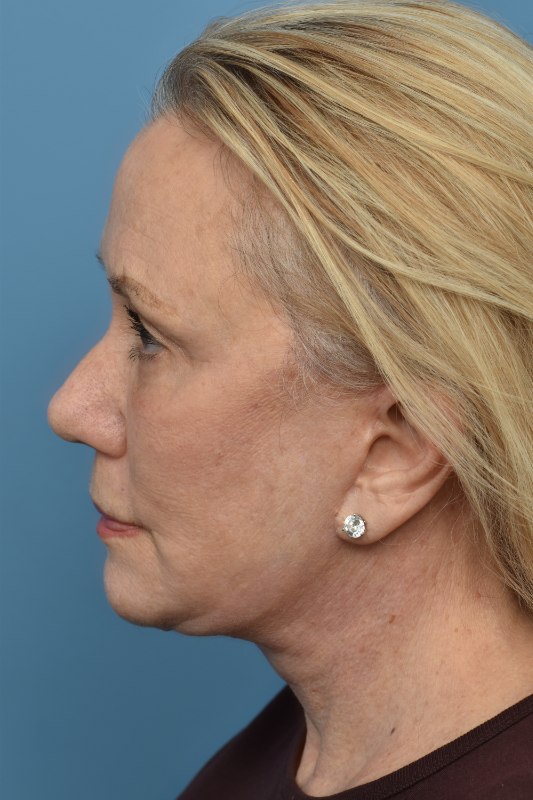
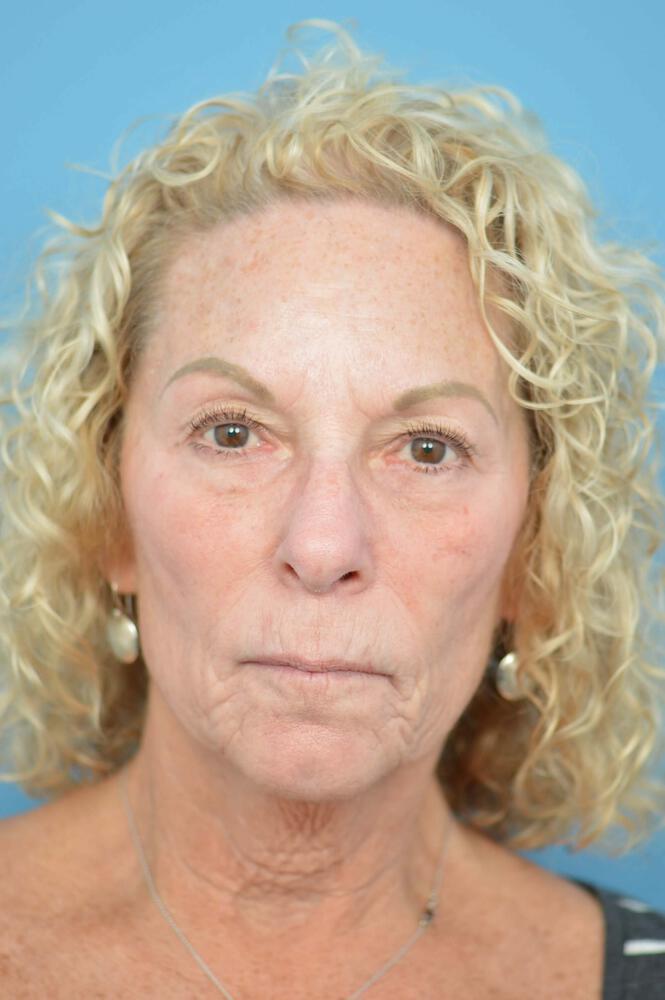
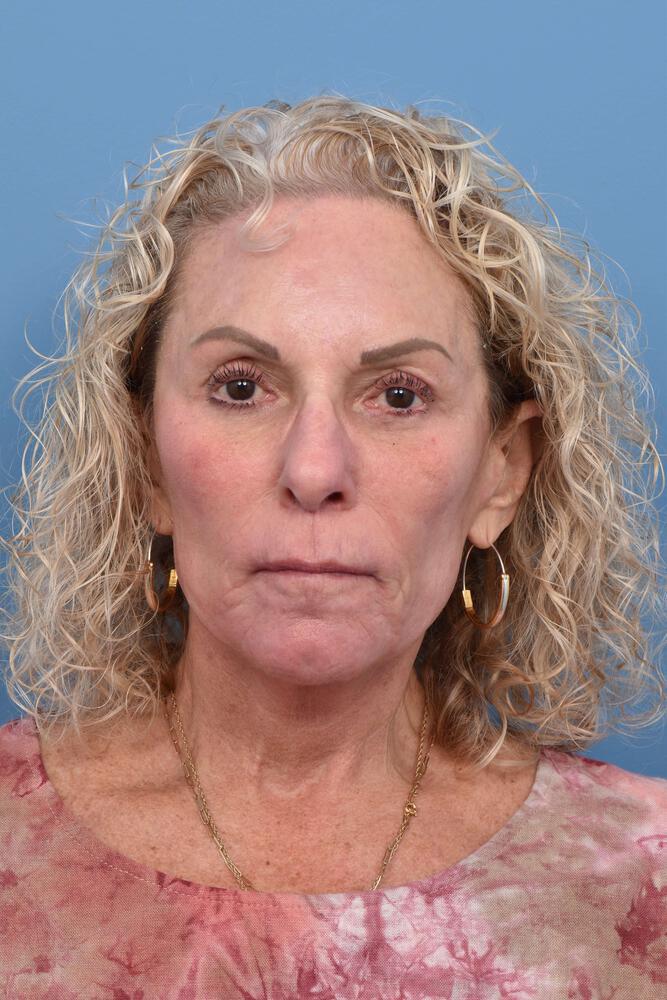
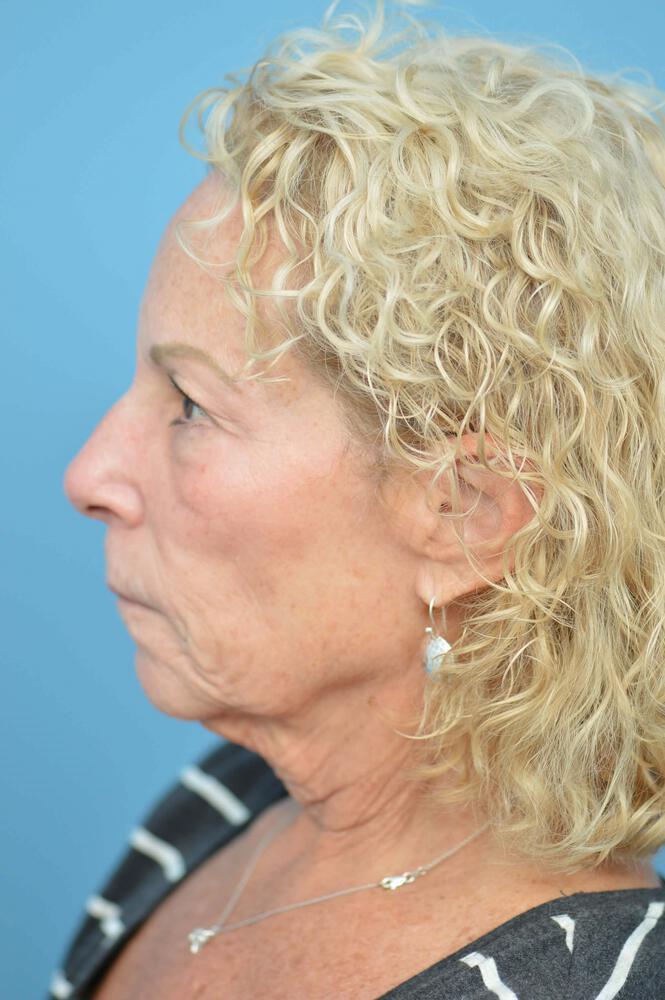
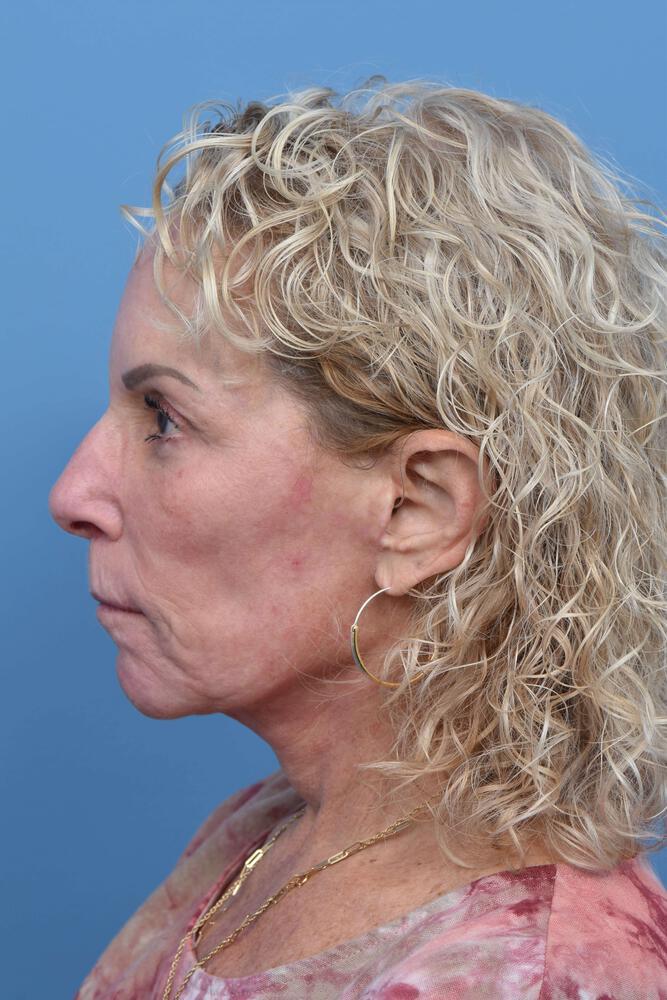
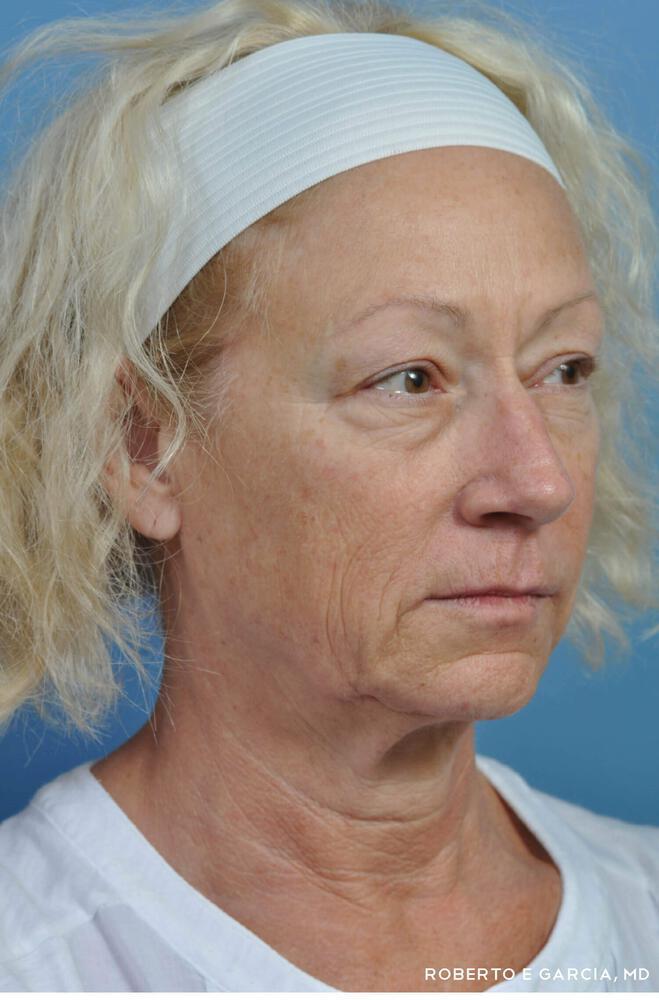
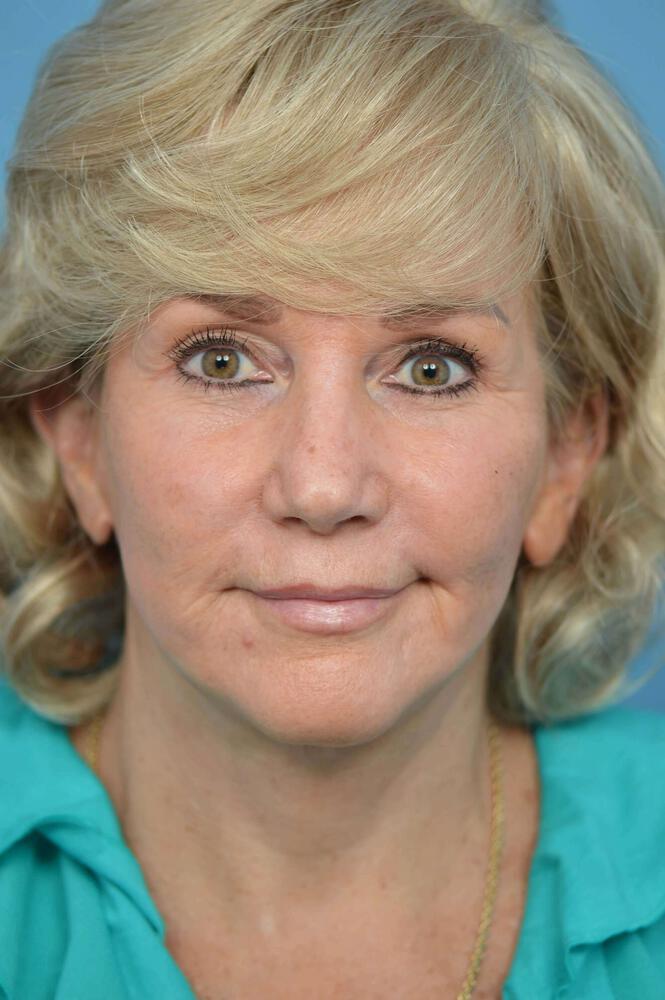
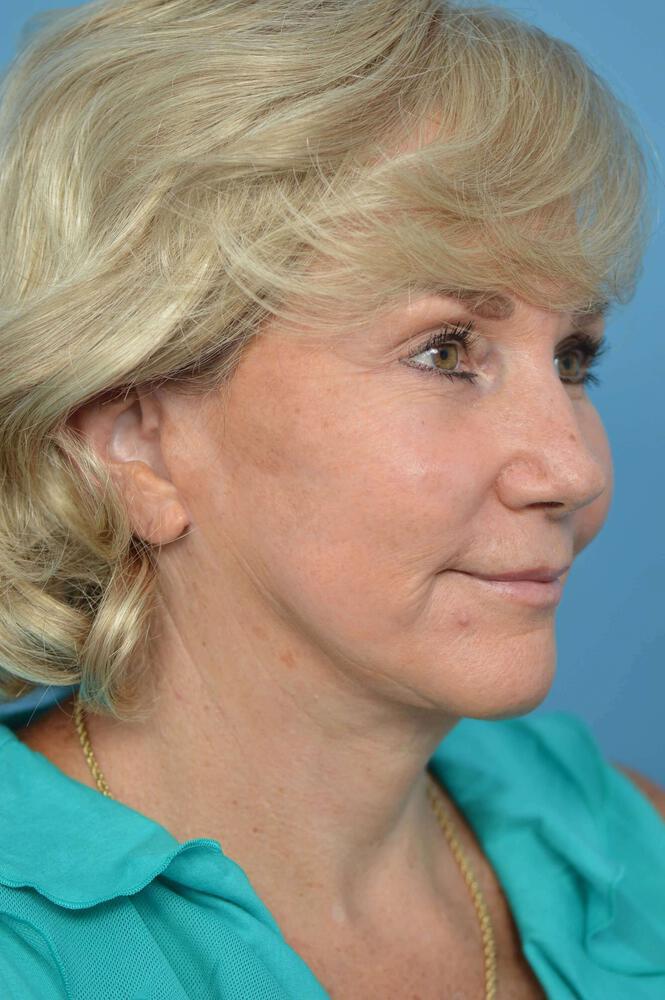
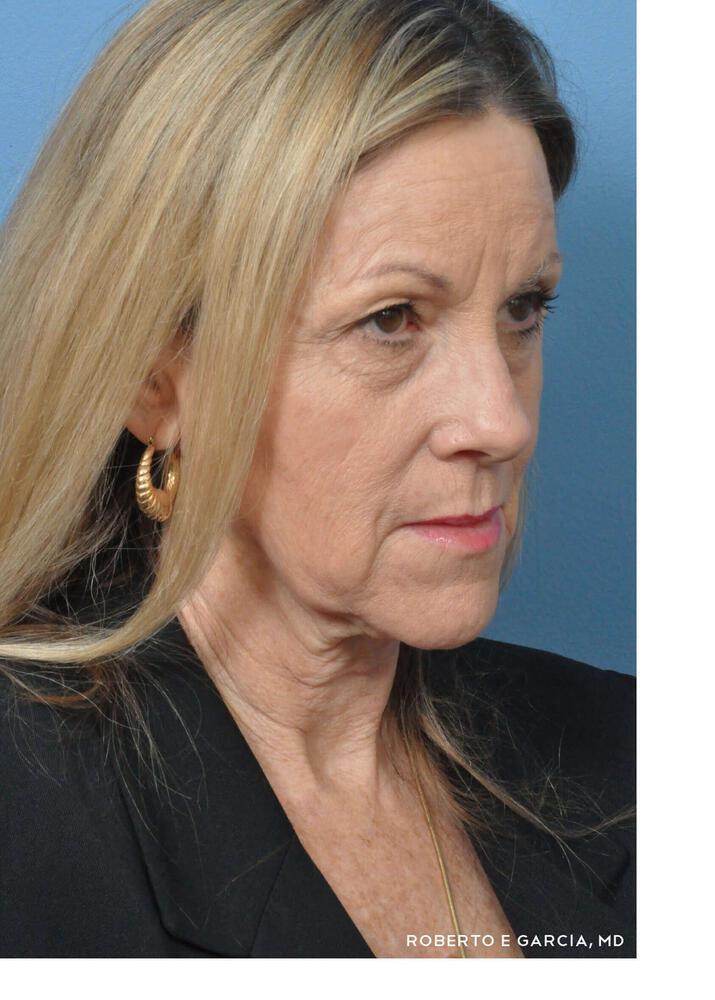
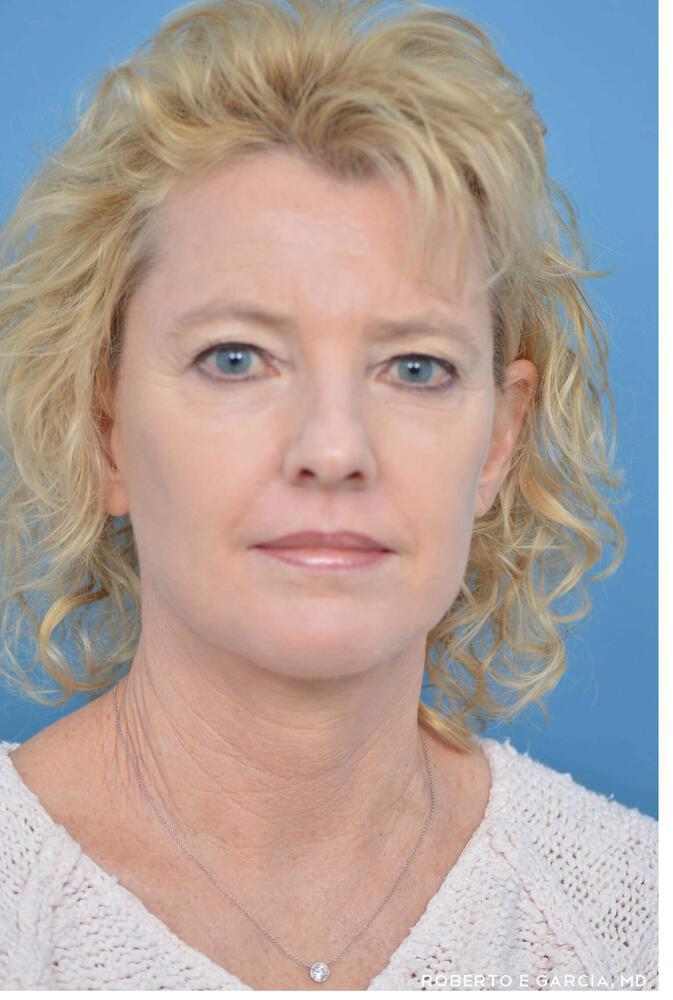
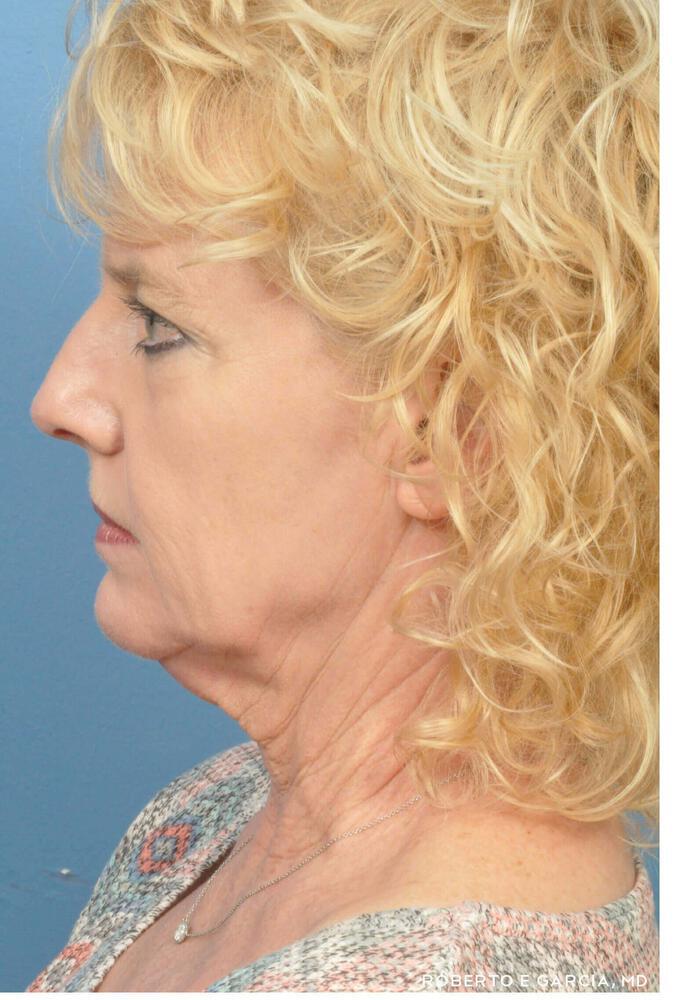
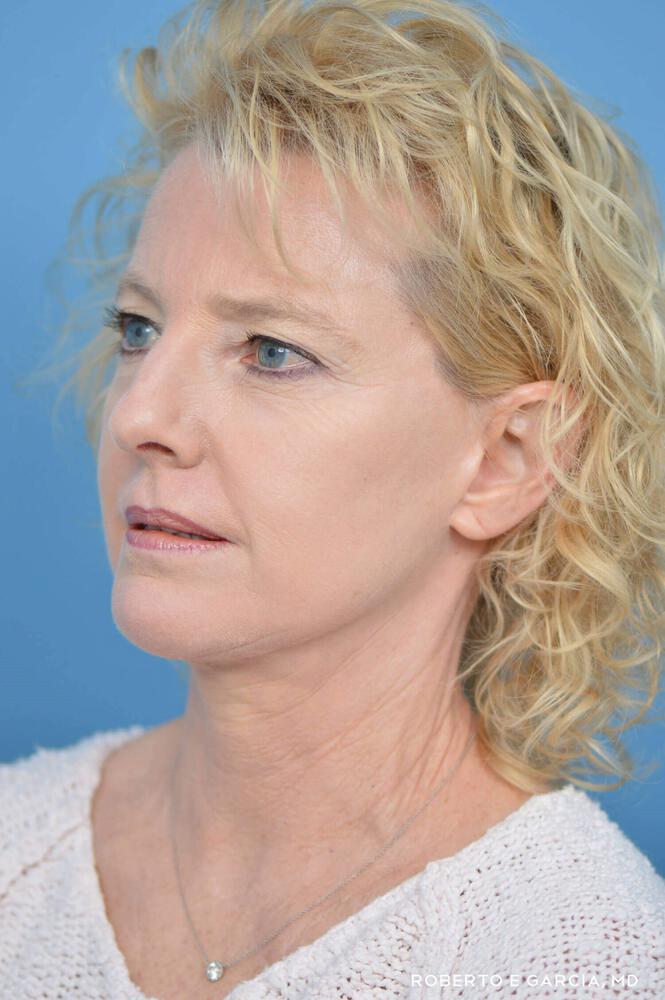
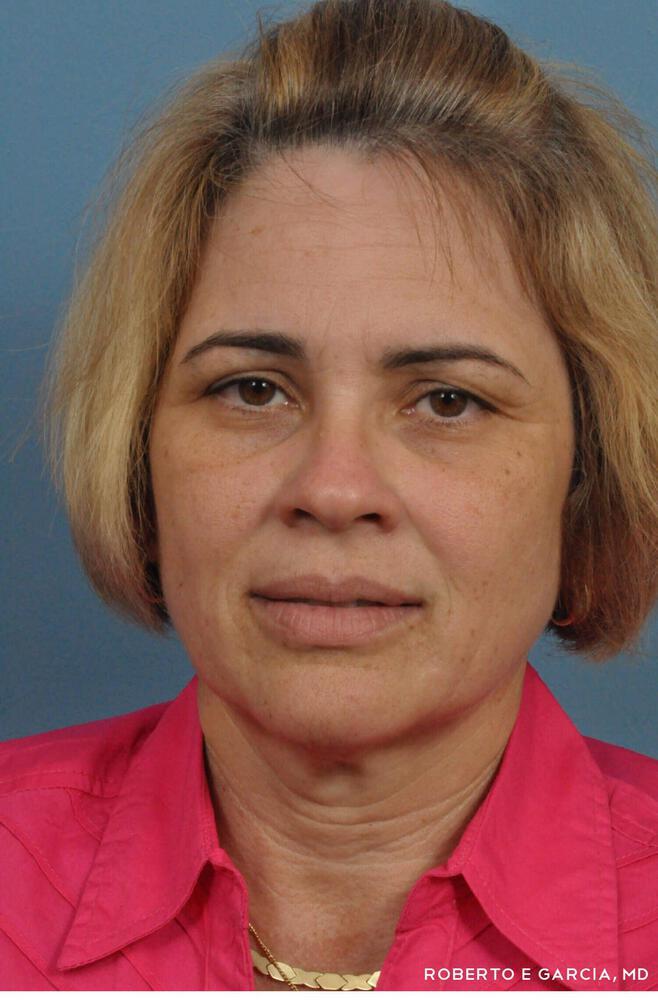
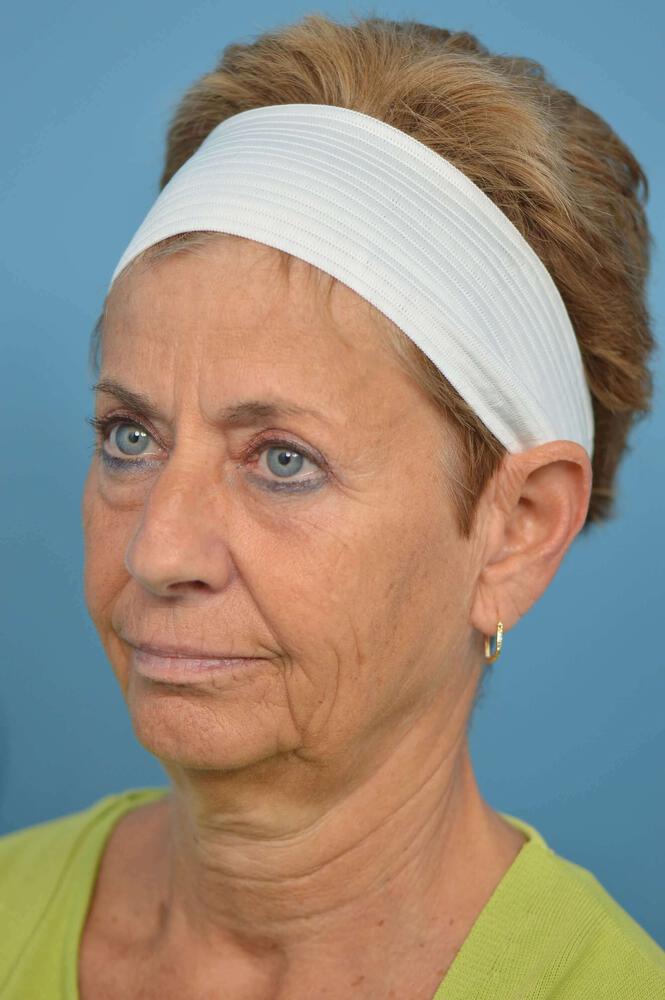
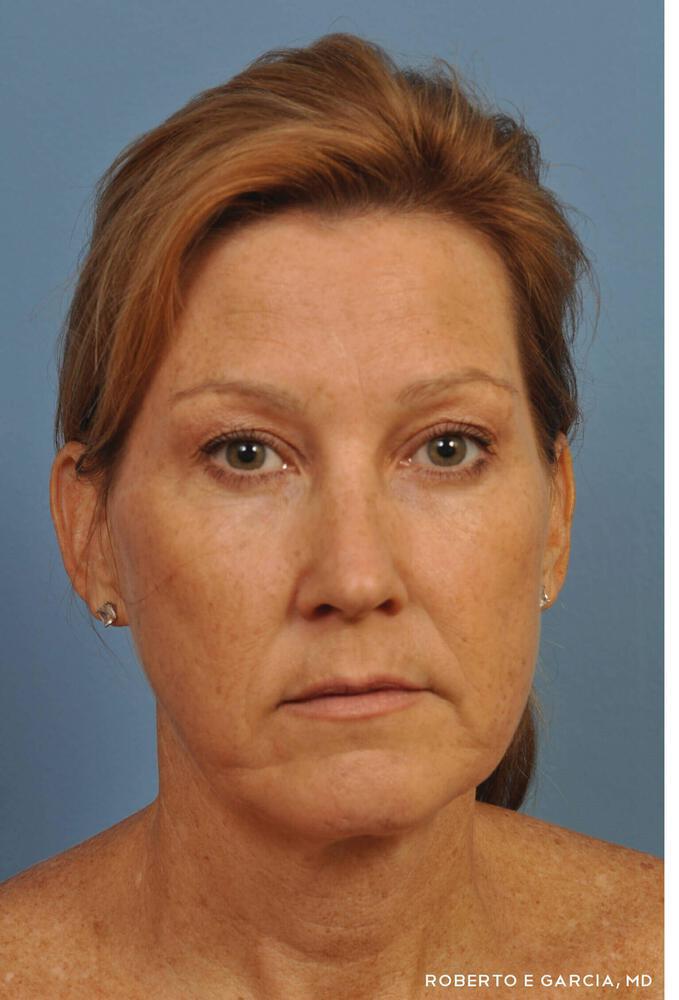
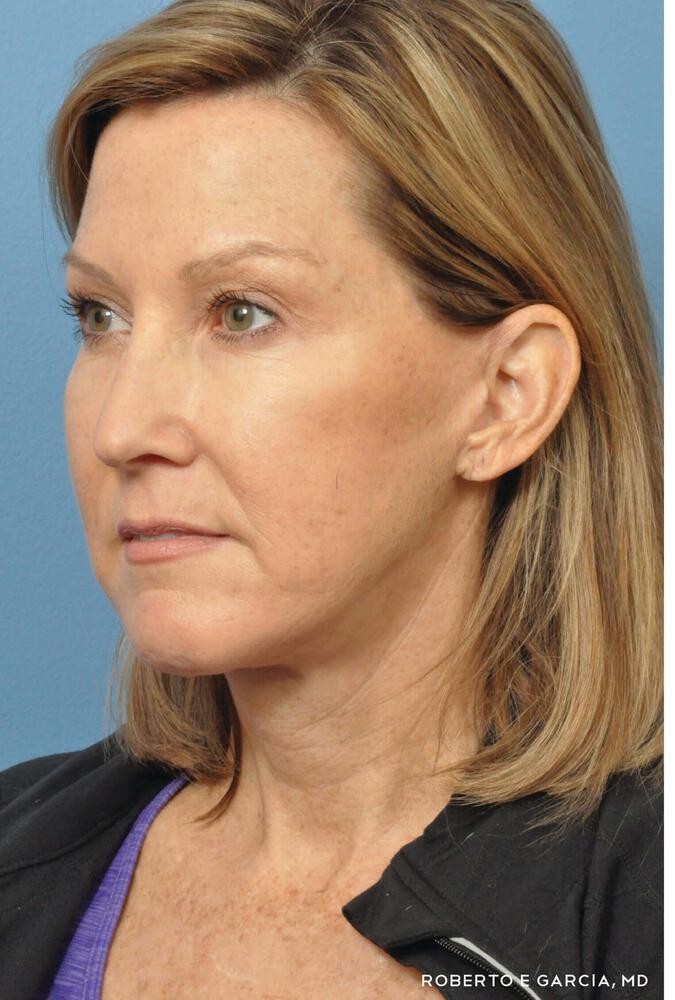
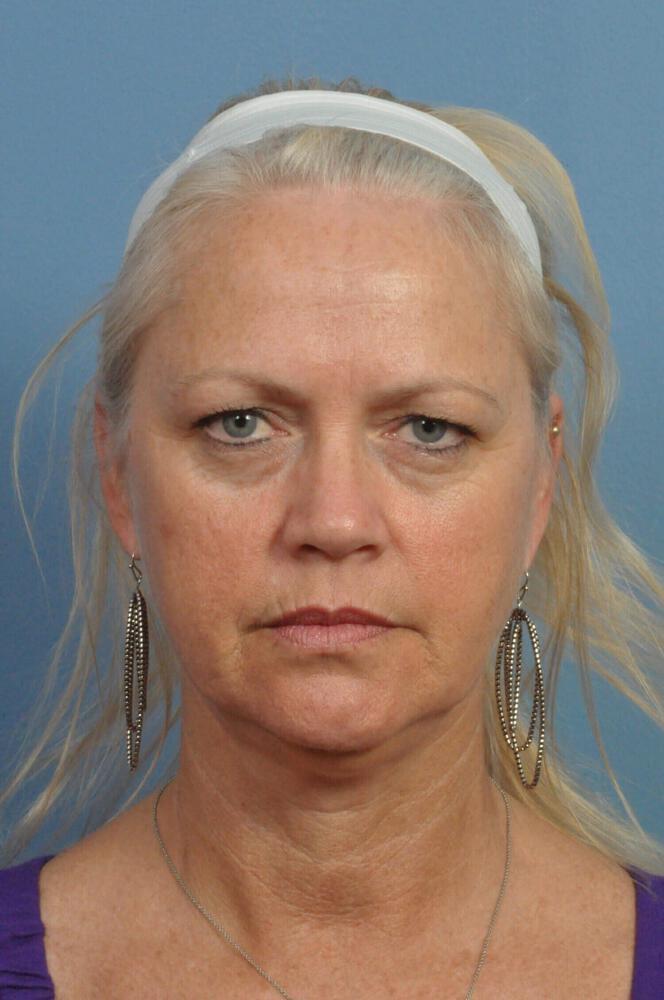
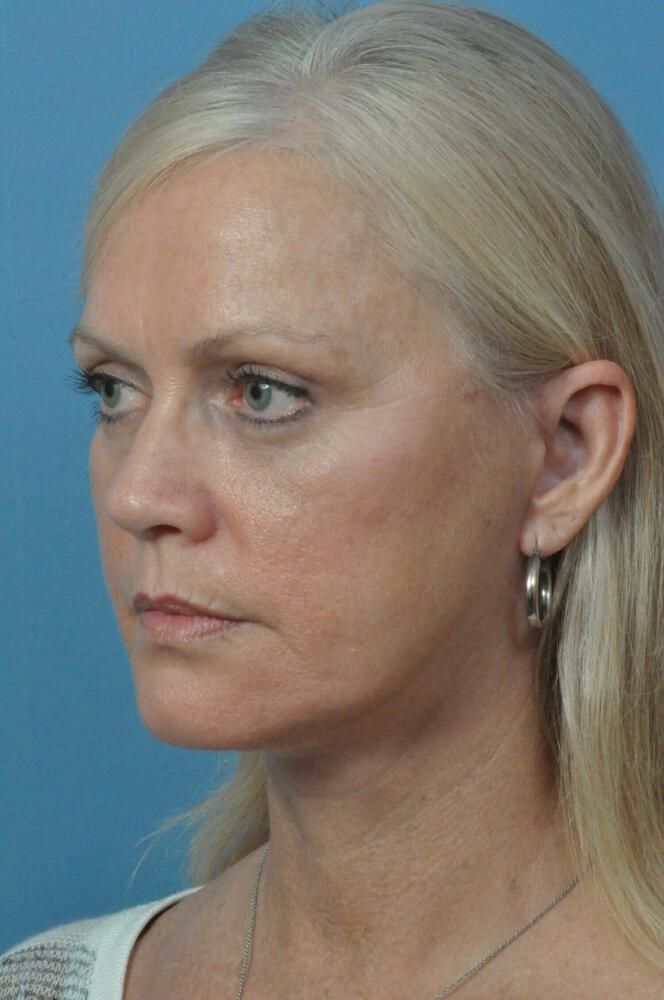
Jacksonville Facelift model with blonde hair

How Does Dr. Garcia Choose a Facelift Technique?

Planning a facelift begins with your unique features. Dr. Garcia checks the position of your cheeks, how loose your skin is, if you have lost volume, and how your jawline and neck connect. He also considers your skin’s elasticity, past treatments, health, and what you want to achieve. A shorter procedure may be perfect for one person but not enough for someone else.

Full Facelift

A full or traditional facelift is often recommended when aging is more noticeable in the cheeks, lower face, jawline, and neck. This approach lets Dr. Garcia move deeper tissues and treat several areas at once. Recovery usually takes longer than with a limited lift.

Deep Plane or SMAS Facelift

Deep plane and SMAS facelift techniques focus on the supportive layers under the skin. A SMAS facelift changes the fibromuscular layer that links facial tissues and muscles. A deep plane facelift goes even deeper, letting the skin and tissues move together. Both methods can lift the cheeks and define the jawline without putting too much tension on the skin.

Mini Facelift and Contoura Lift®

A mini facelift or Contoura Lift® may be right for people with early or more limited signs of aging. Dr. Garcia created the Contoura Lift® to lift sagging cheek tissue and improve the lower face. These limited lifts usually need smaller incisions and have less downtime, but they can’t correct loose skin and jowls as much as a full facelift.
What Are the Benefits of a Facelift?


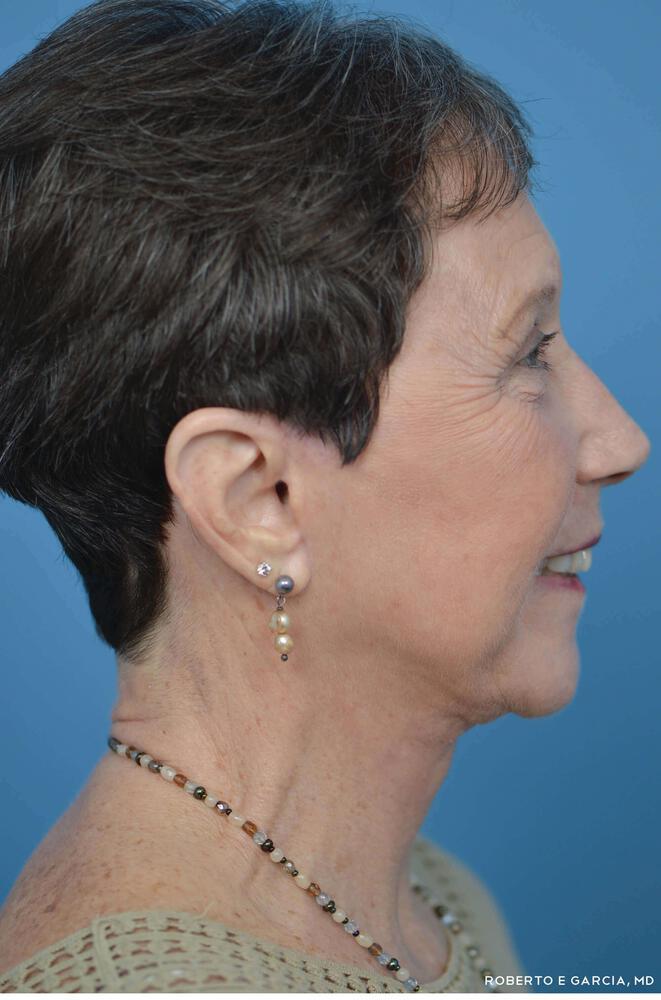
Most patients want to look refreshed, not completely different. A carefully planned facelift can offer:
  • Better definition through the cheeks and jawline
  • Less visible jowling and lower-face laxity
  • A cleaner transition between the face and neck
  • Longer-lasting correction than nonsurgical lifting treatments
  • Natural movement and facial expression
  • A result shaped around your own facial features
  • A more rested, youthful look without appearing too tight

Am I a Candidate for a Facelift?

Age is just one factor Dr. Garcia considers, it doesn’t determine if you’re ready for surgery. Some people see jowls in their 40s, while others keep good definition into their 60s. What matters most is what Dr. Garcia finds in your skin, tissues, jawline, and neck.
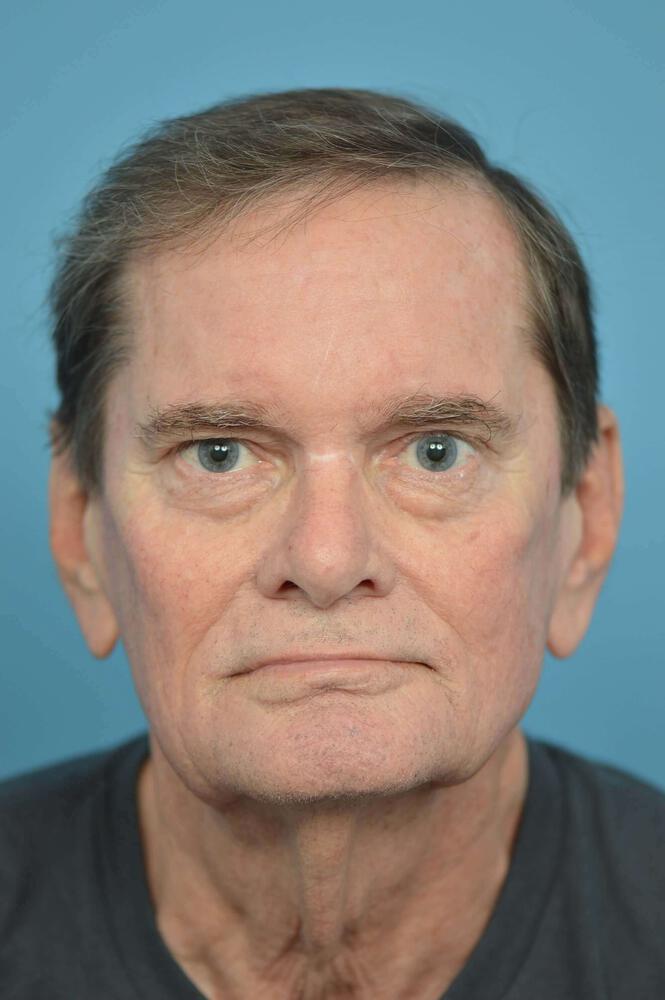
Good candidates have skin that can heal well, are healthy enough for surgery, do not use nicotine, and have realistic expectations. If you are mainly worried about fine lines, discoloration, or a small area of lost volume, nonsurgical treatments might be better to start. A facelift is most helpful when loose skin and sagging tissue are changing the shape of your lower face.
What Happens During a Facelift Consultation?


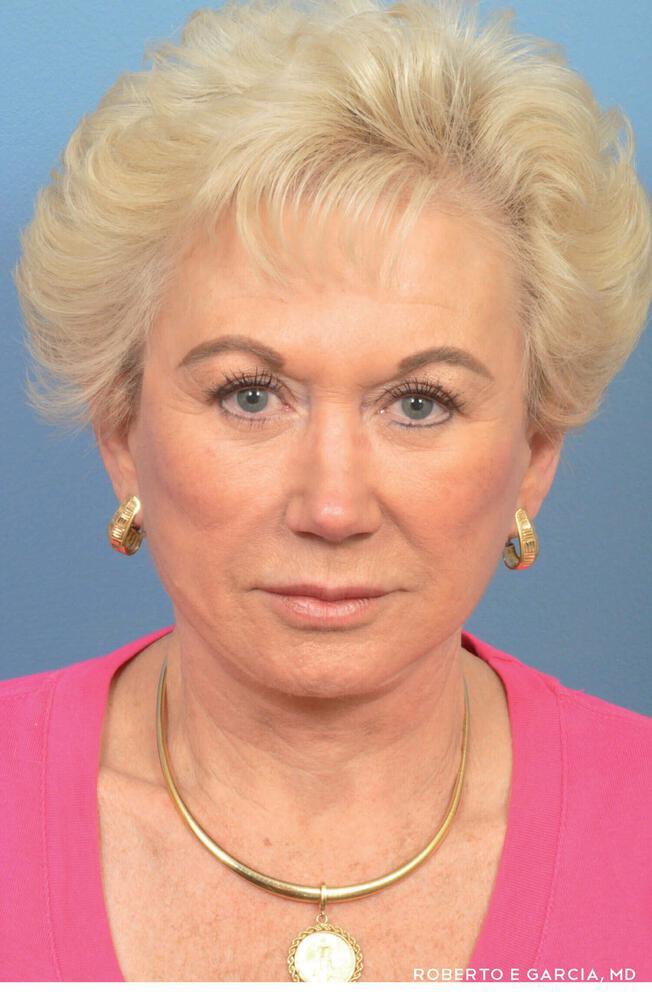
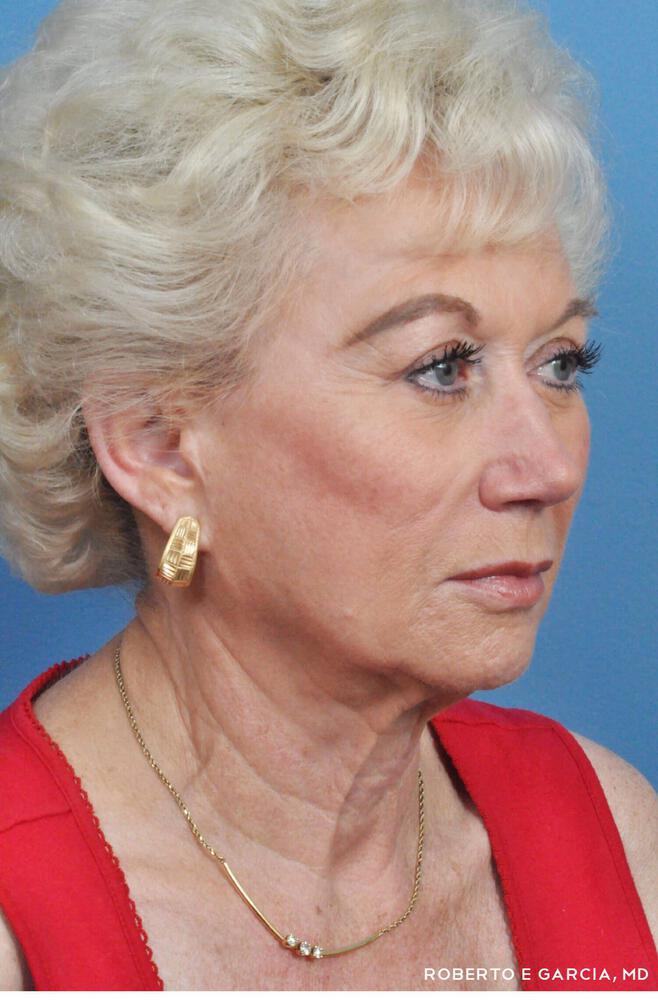
The consultation is a time to work together. Dr. Garcia will ask what you have noticed and then examine your cheeks, jawline, neck, skin, and bone structure. Old photos can help show how your features have changed. They’re used as a guide, not to recreate a specific age.

Dr. Garcia will also go over your medical history, medications, past facial procedures, and nicotine use. He’ll explain the surgery, where the incisions will be, what recovery is like, and whether you might need a neck lift or another procedure. You can look at before-and-after photos and ask about anesthesia, risks, and the surgery center.

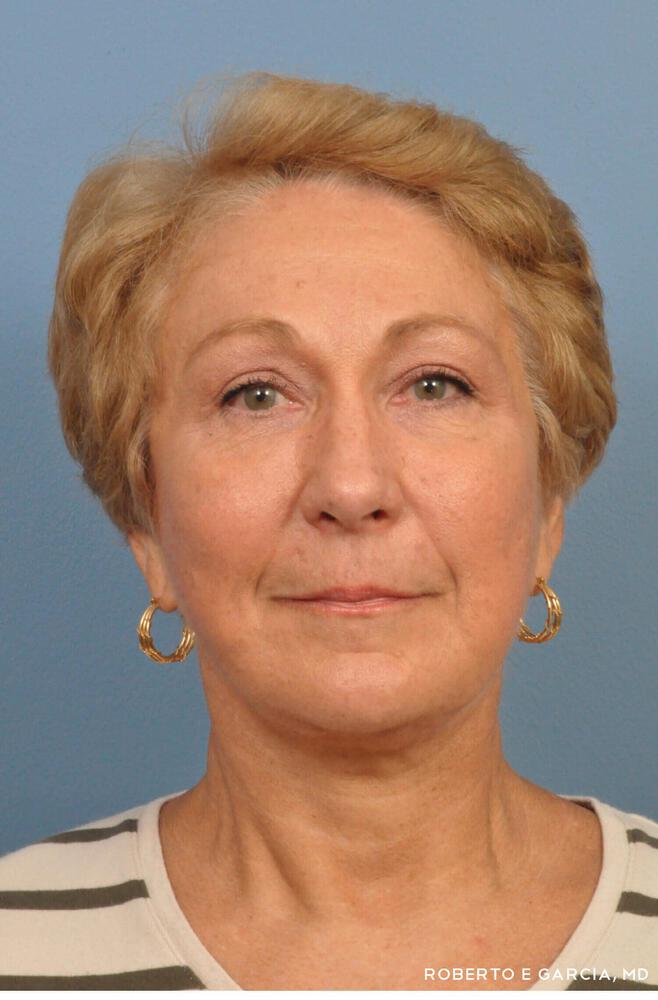
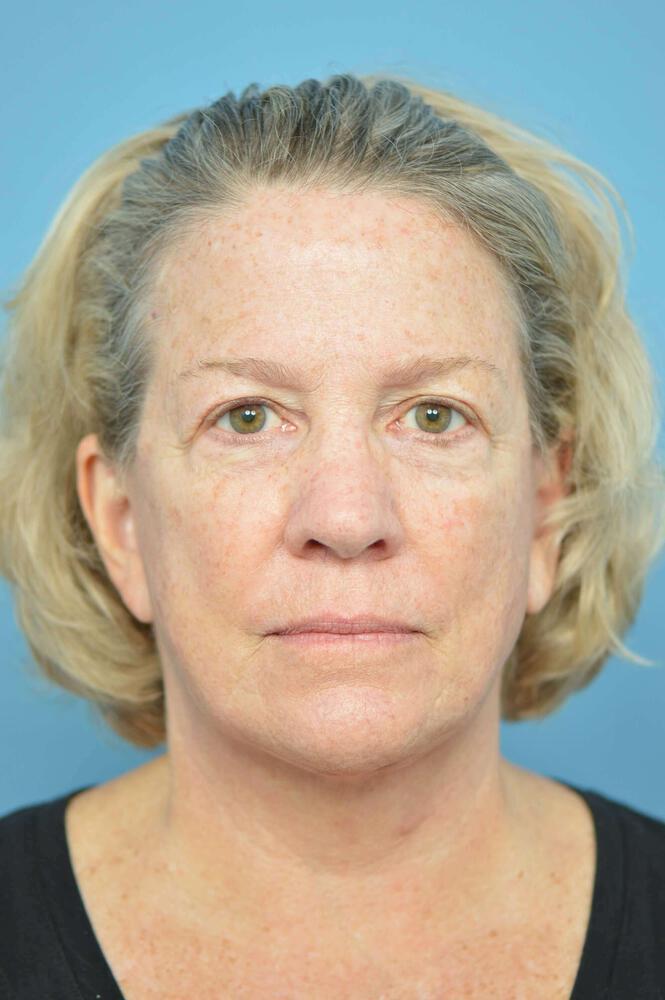
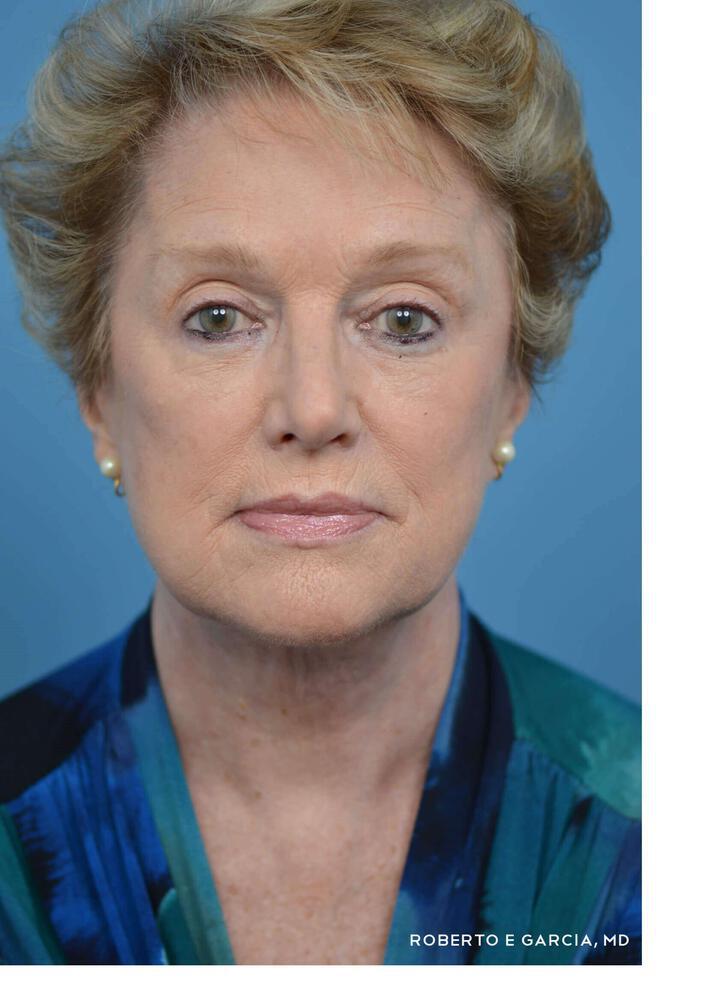
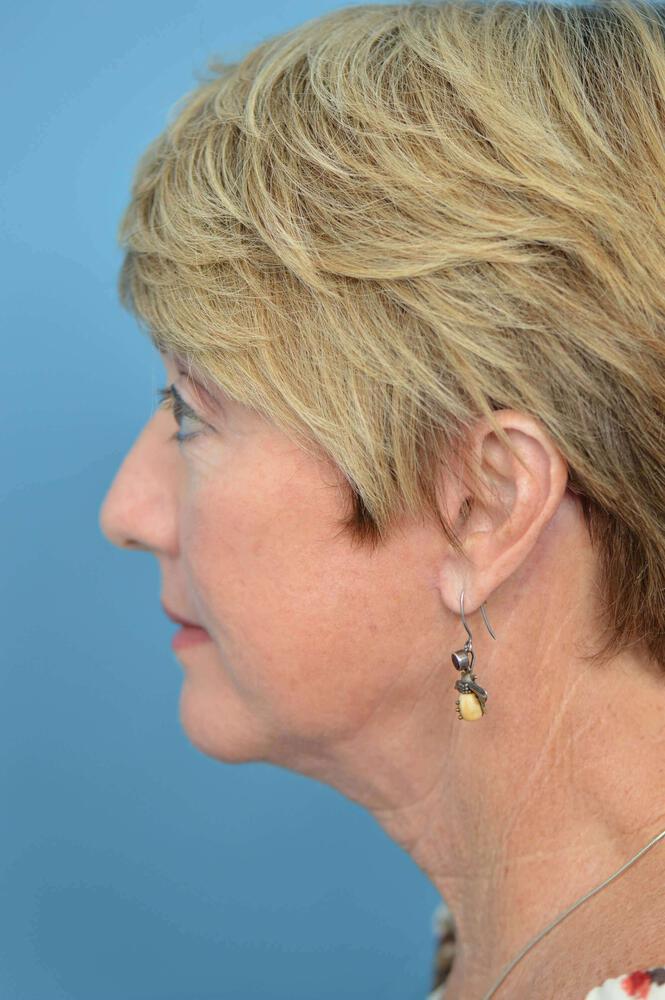
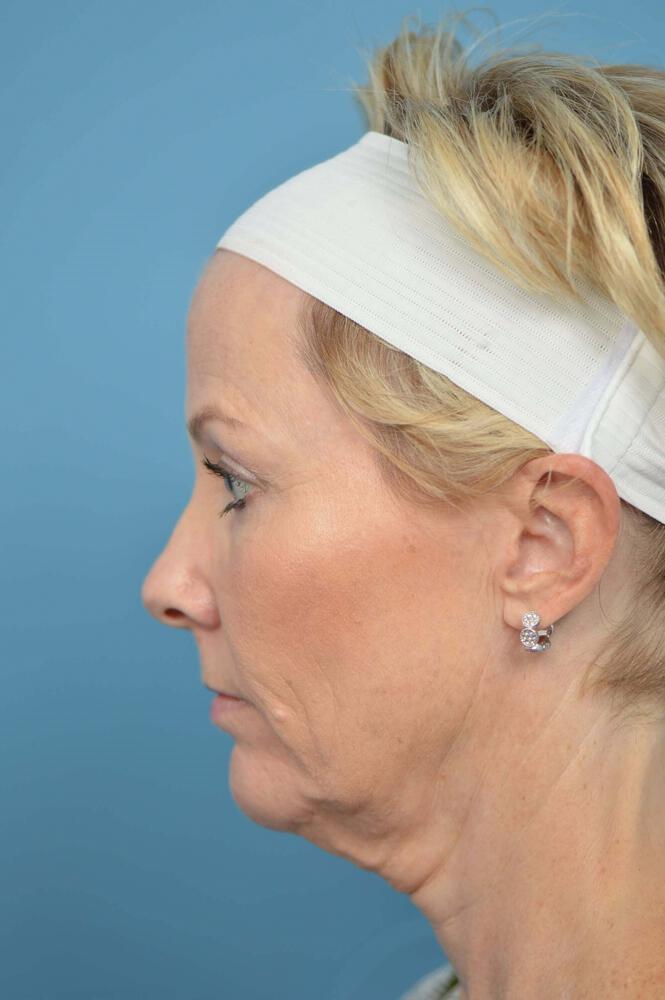
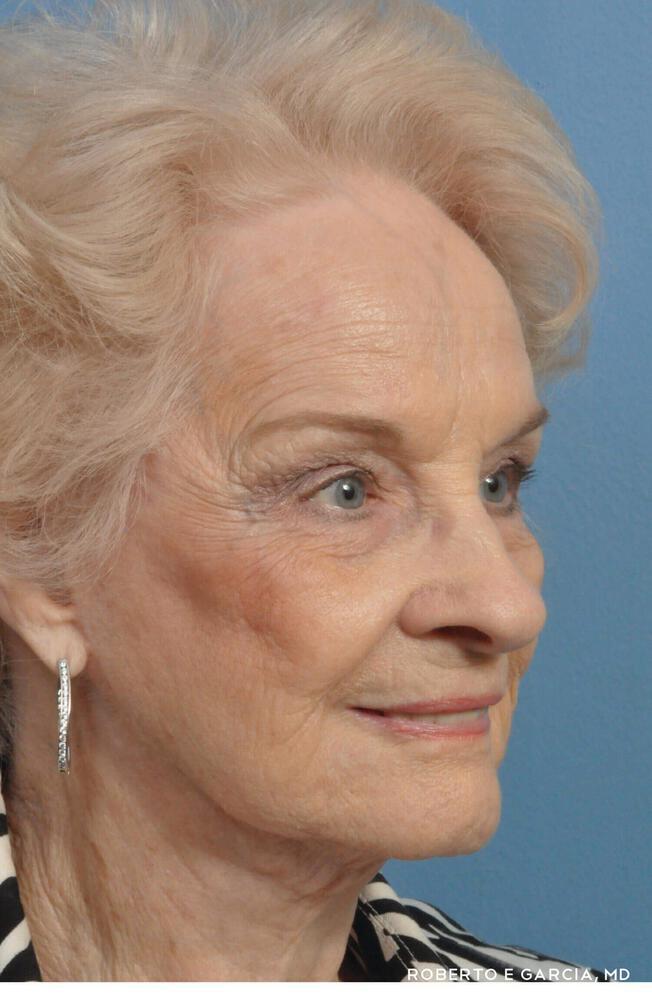
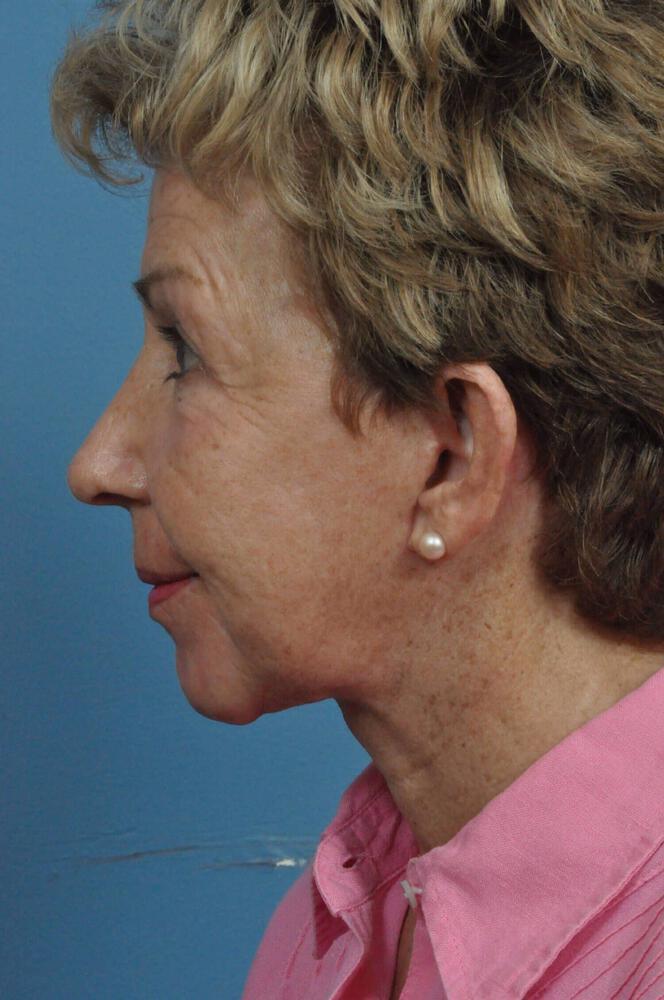
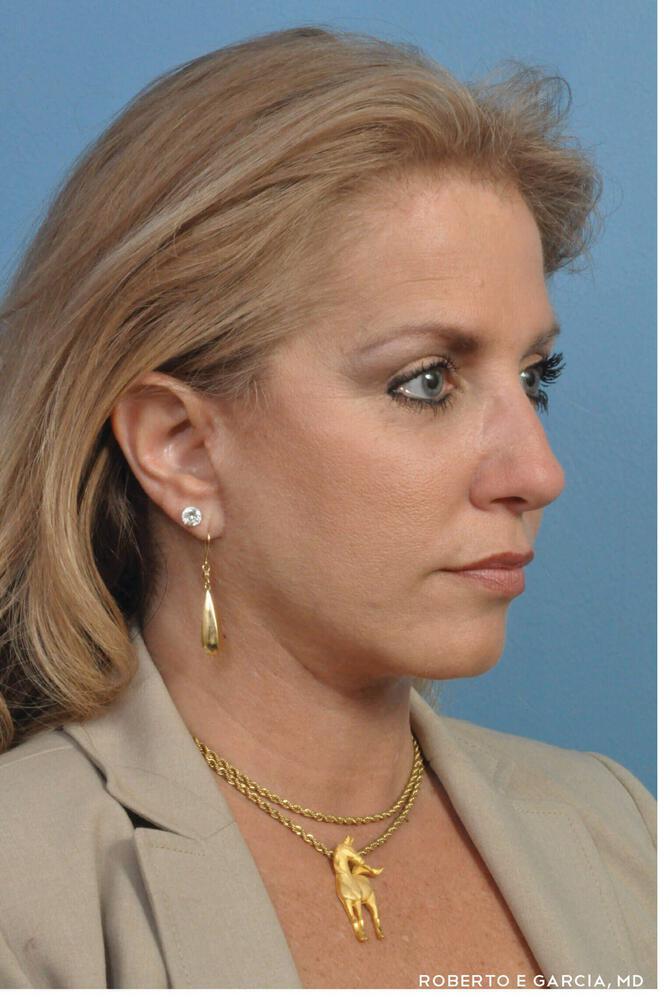
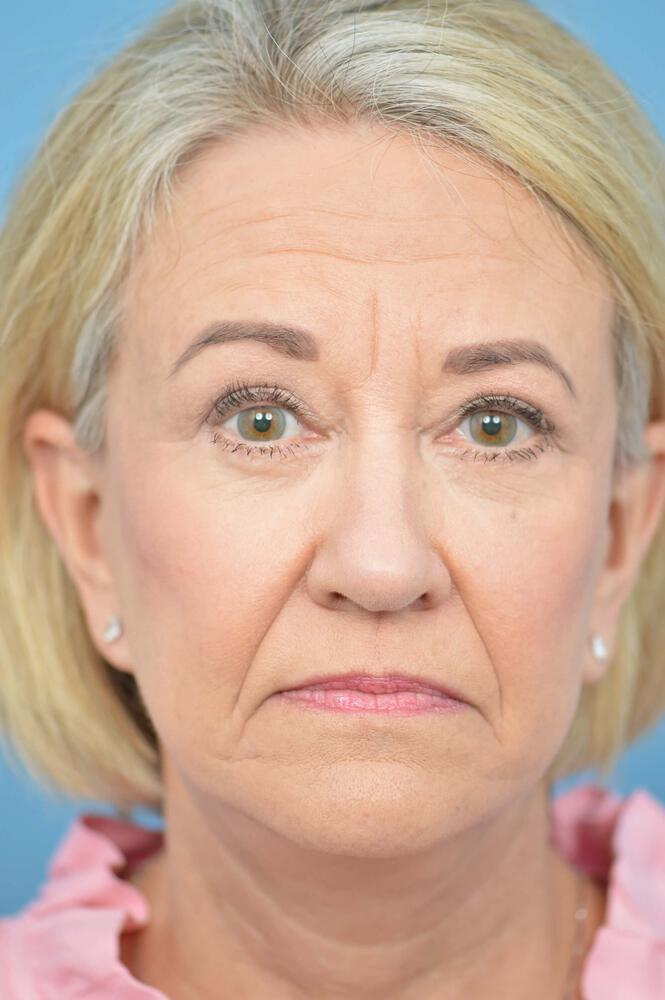
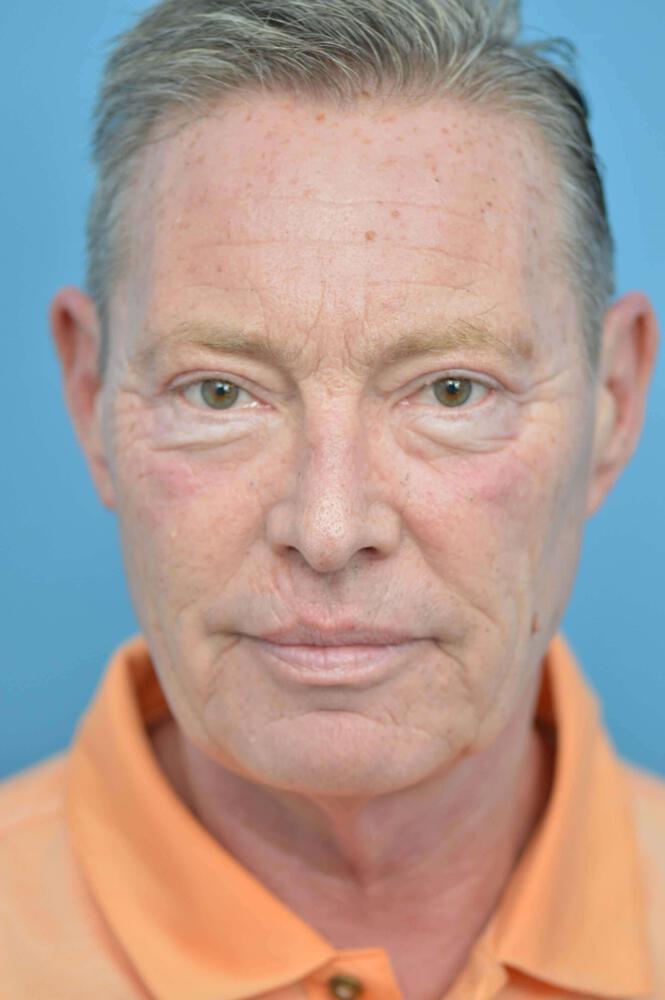
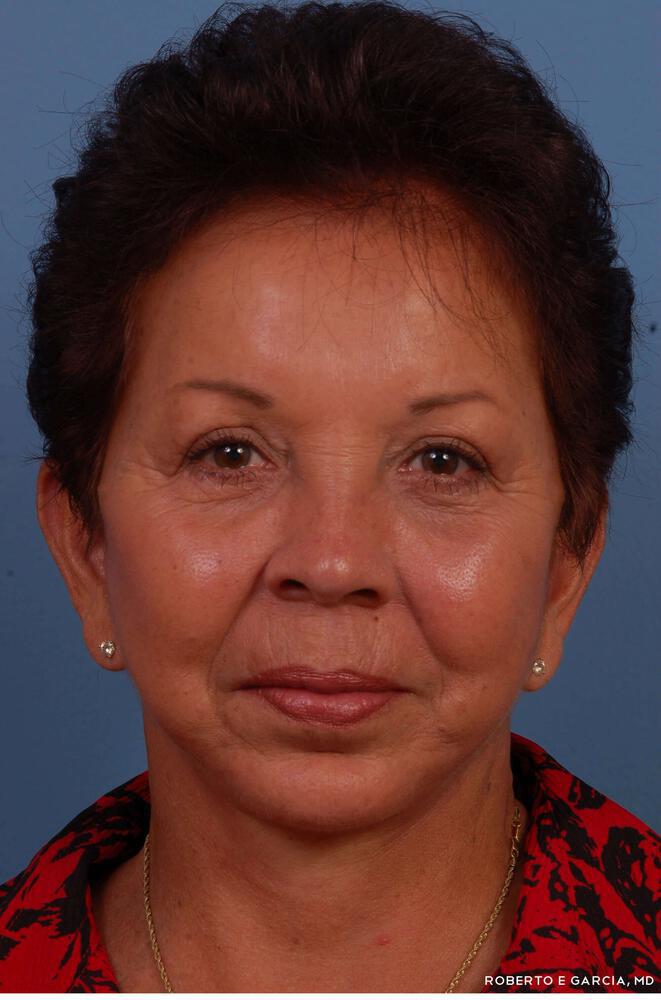
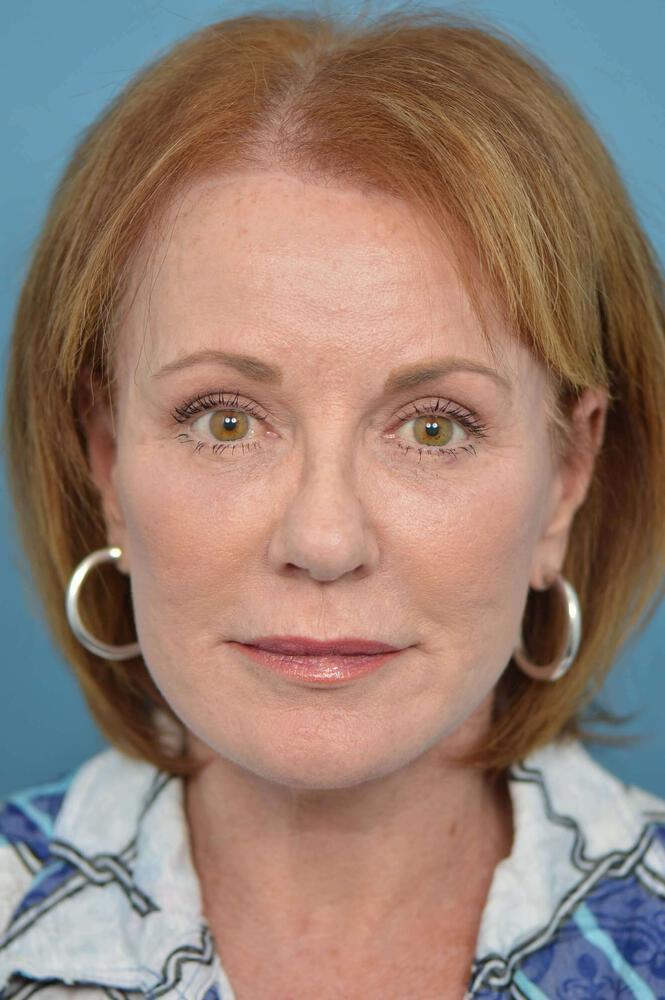
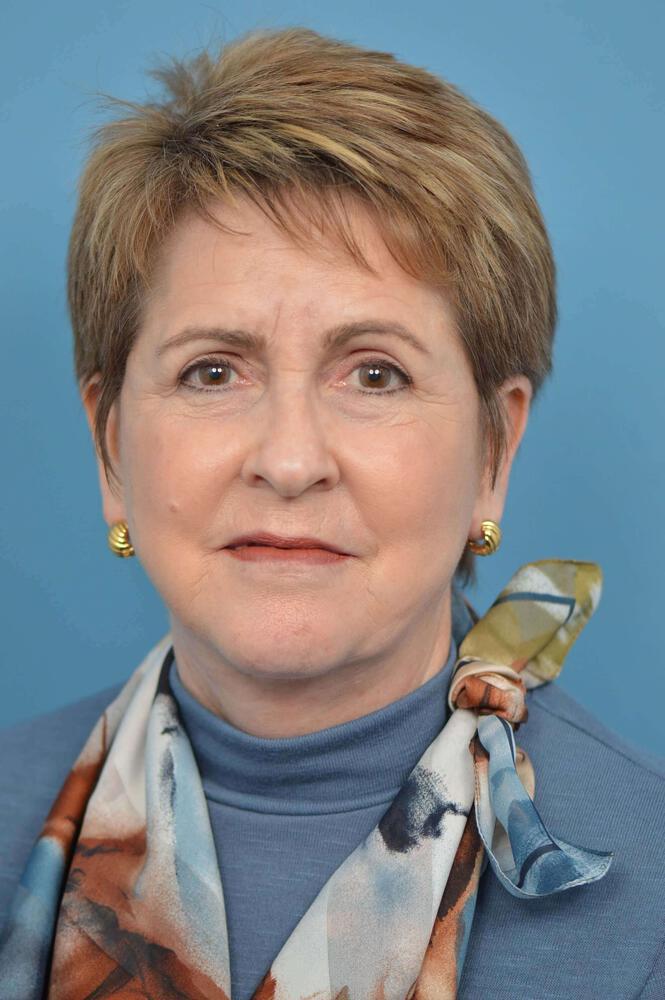
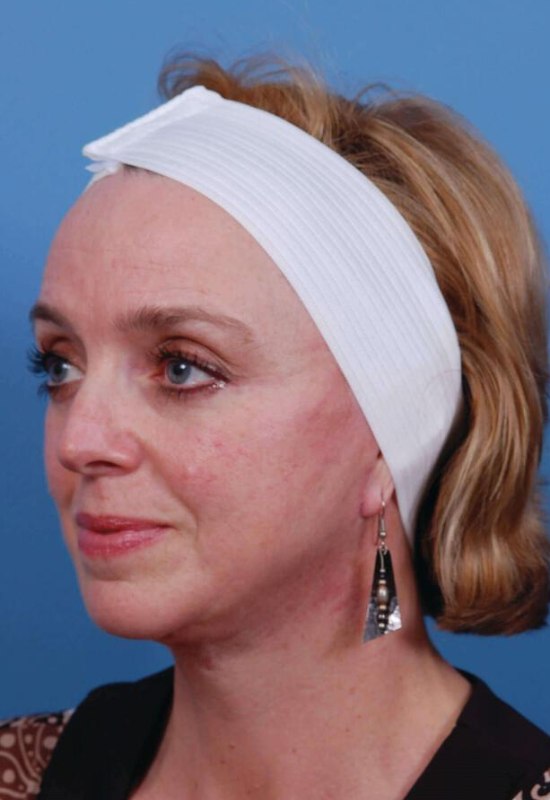
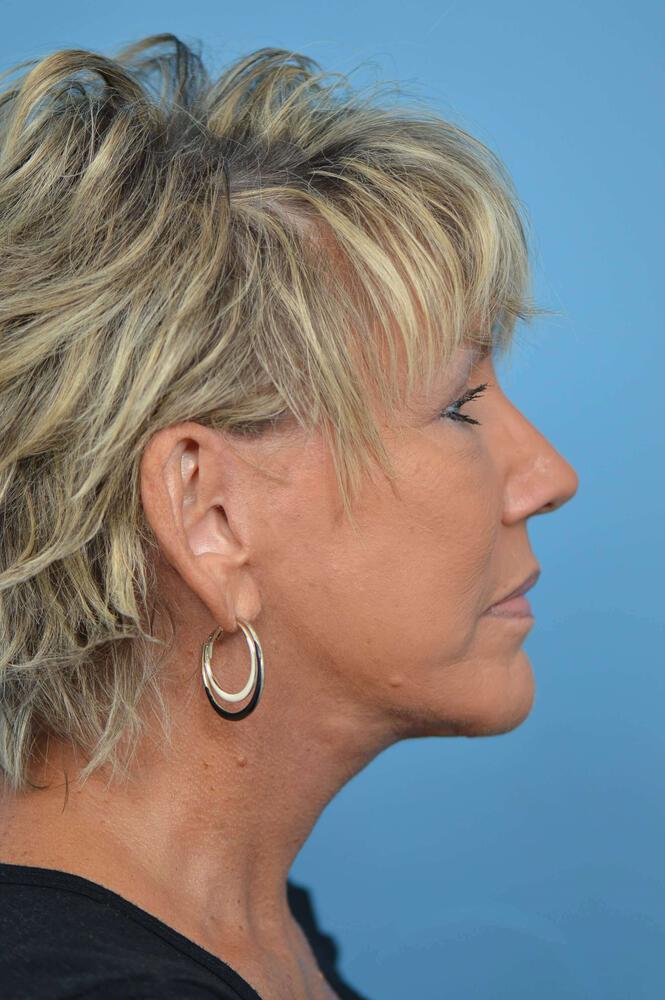
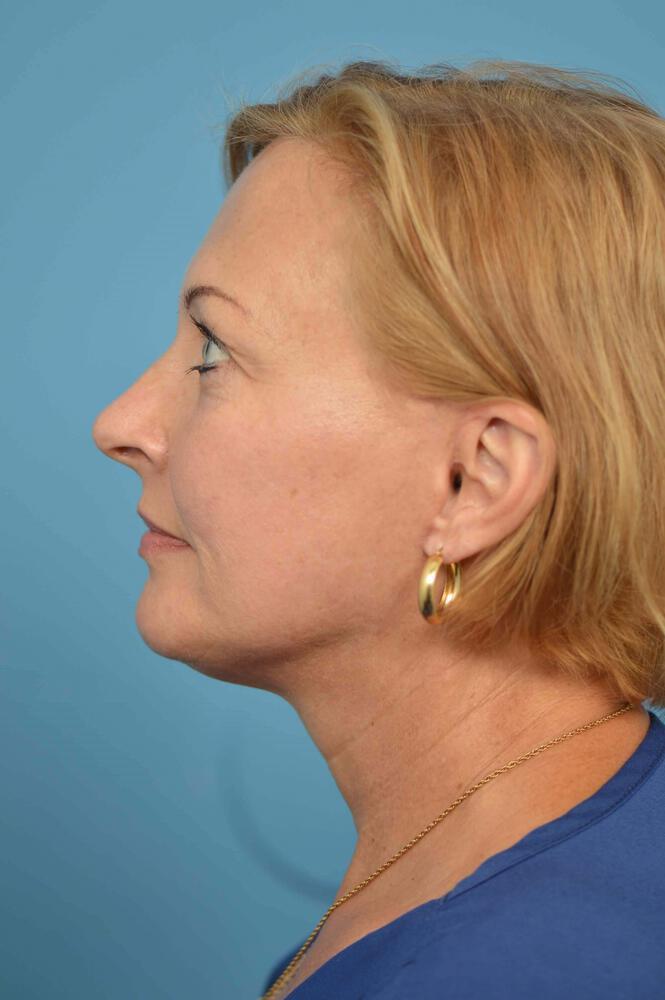
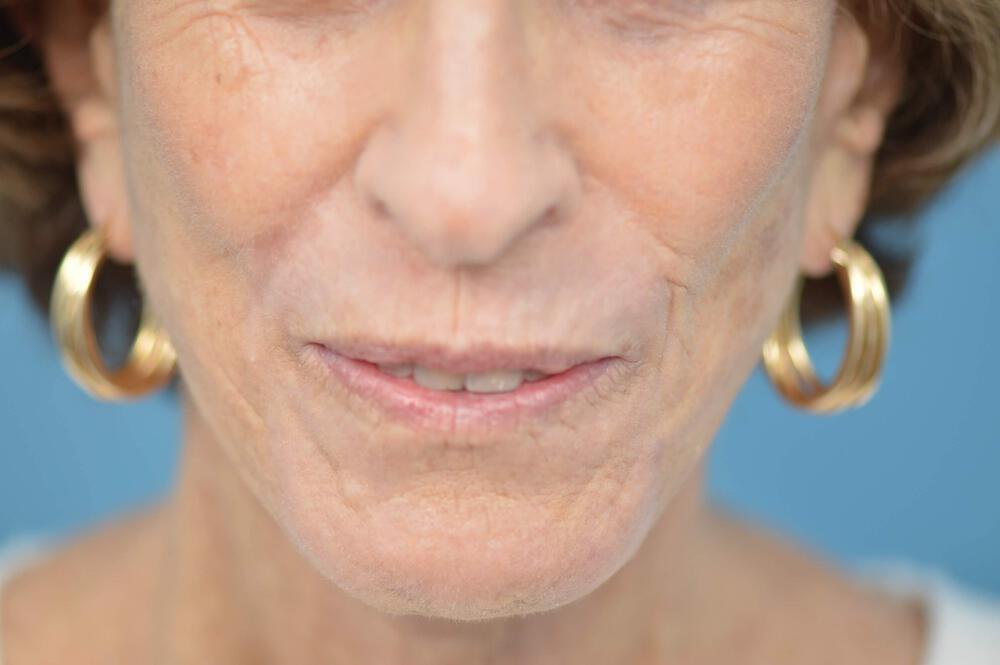
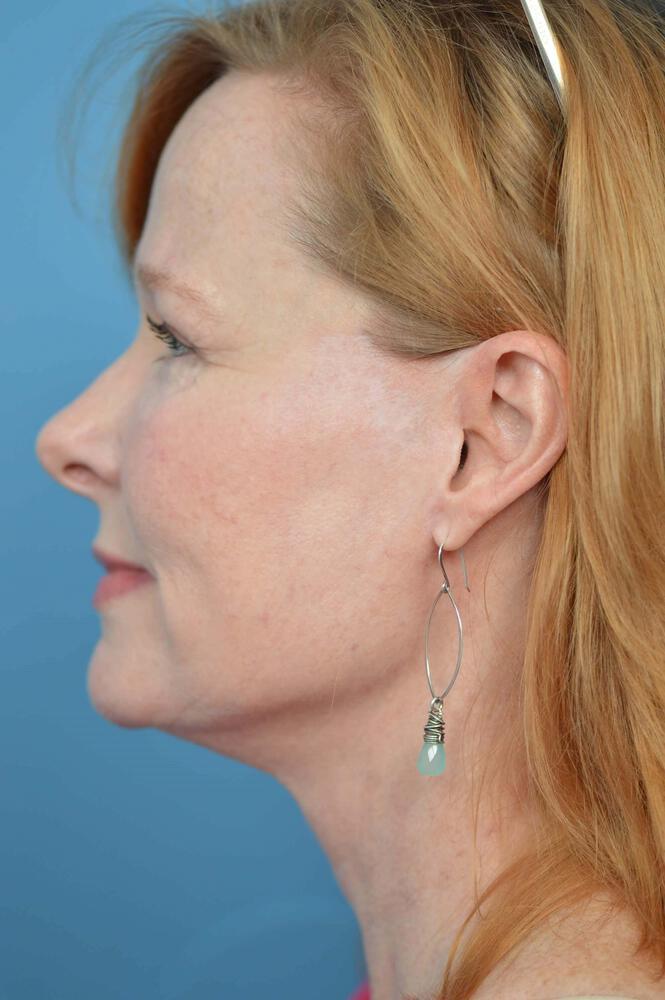
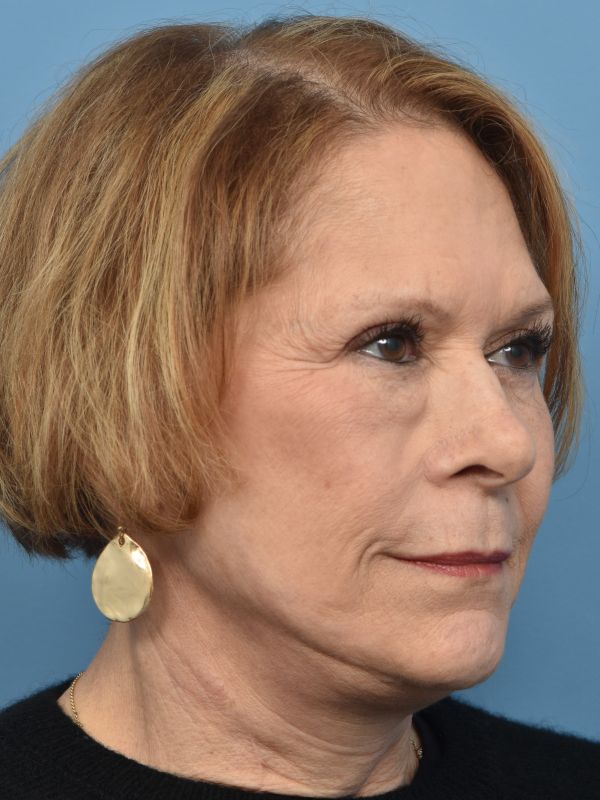
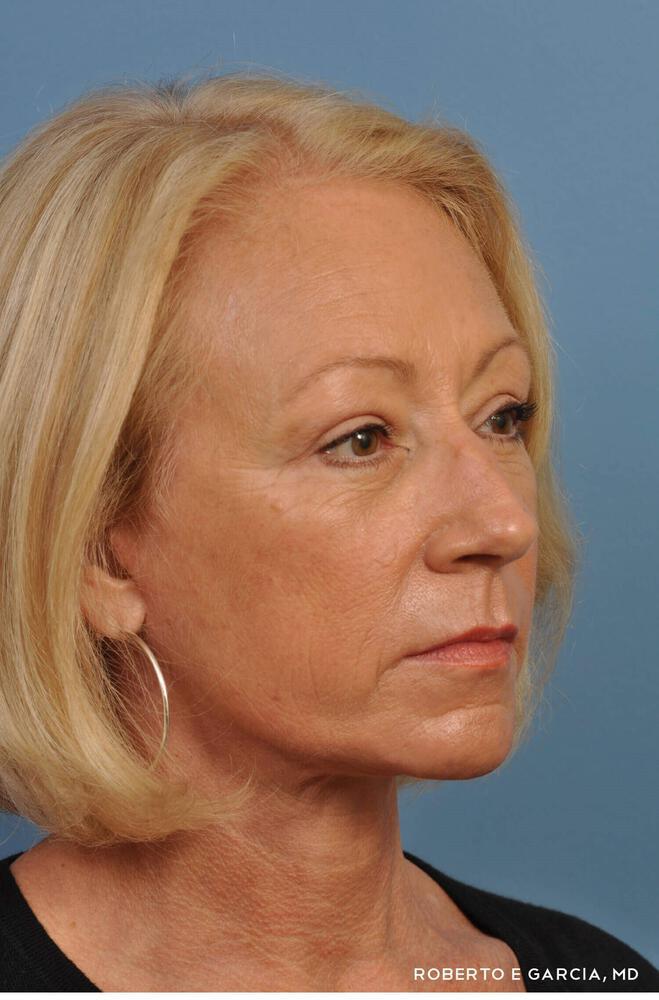
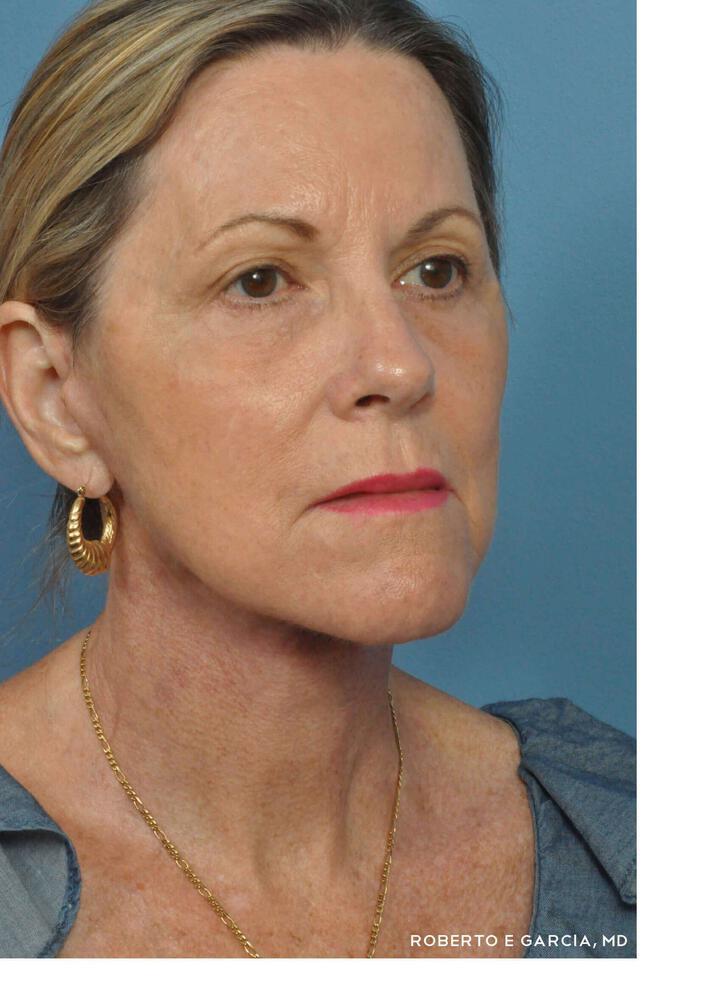
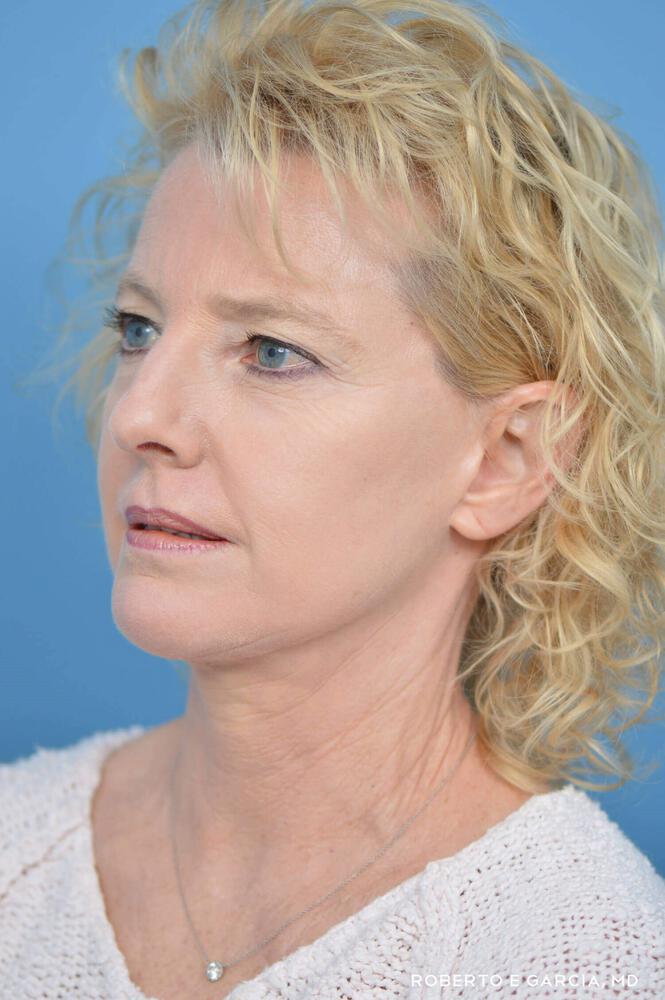
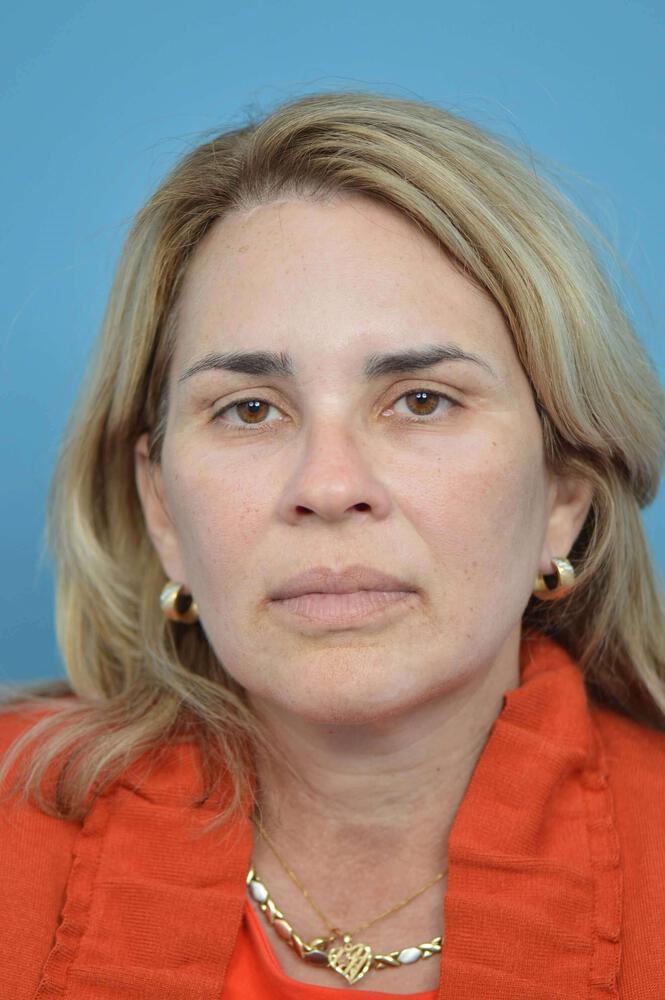
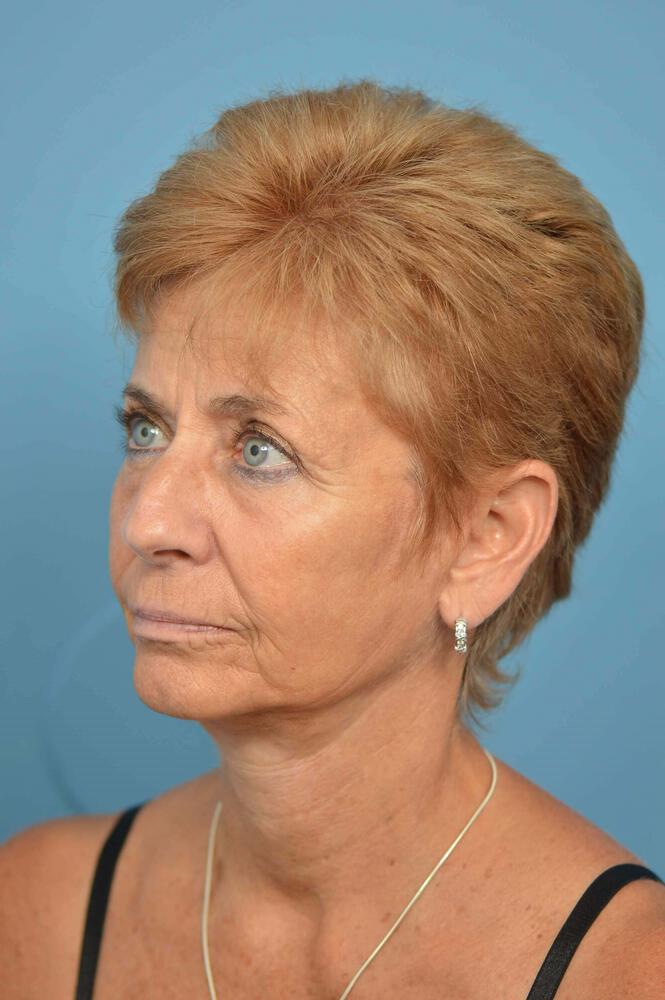
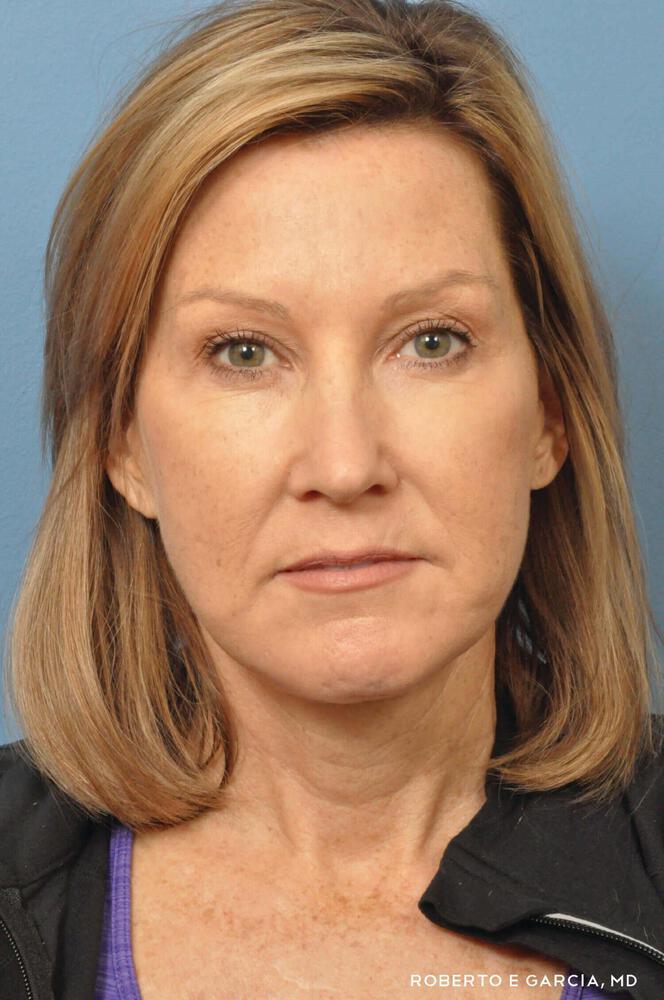
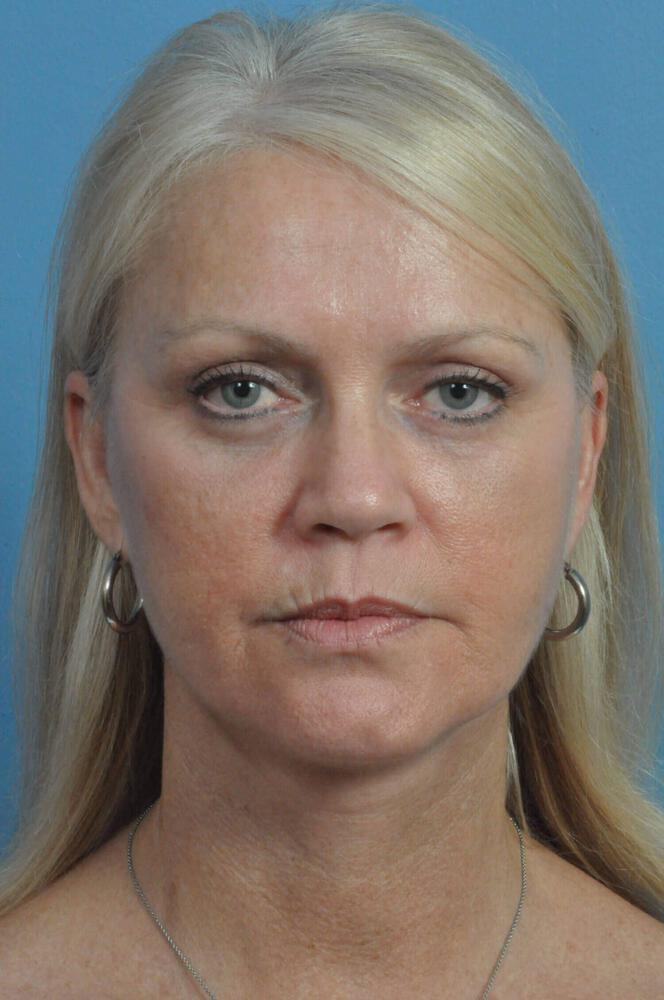
Ponte Vedra Beach Beach Facelift model smiling

How Should I Prepare for Facelift Surgery?

You might need some medical tests and may be asked to stop using nicotine or pause certain medications and supplements. Always follow Dr. Garcia’s instructions instead of making changes by yourself.

Get your prescriptions filled before surgery and set up a recovery area with soft foods, loose clothes, and pillows to keep your head up. You will need someone to drive you home and stay with you for the first day or two. Arrange help with pets, kids, or errands so you can rest.

How Is Facelift Surgery Performed?


Facelift incisions are usually hidden in the hairline and around the natural curves of your ears. Through these openings, Dr. Garcia lifts and secures the tissues underneath, smooths the skin back into place without pulling it too tight, and removes any extra skin. If a neck lift is included, he may also remove fat under the chin and tighten the muscles that cause neck bands or sagging.

Most facelifts are done under general anesthesia and take about two to four hours. The exact time depends on the technique and whether you’re having other facial procedures. After surgery, the Contoura team will watch over you until you are ready to go home with your caregiver.

How Long Does Facelift Recovery Take?

Most patients want to know when they will feel comfortable going out. Plan to take about two weeks off work and two to three weeks before returning to most social activities. You might feel ready sooner or need more time. Swelling keeps going down after you return to your routine, so your final results will take a few months to show.

The First Few Days

The first few days after a facelift are usually the most noticeable. You may feel groggy at first and can expect swelling, bruising, tightness, and some discomfort. Swelling often peaks around days three and four. Rest with your head up, limit neck movement, and take your medication as instructed.

The First Two Weeks

Bruising and swelling usually start to go down in the second week. Dr. Garcia may remove your stitches at an early follow-up visit when your incisions are ready. You should still avoid bending, heavy lifting, and hard exercise. Many people with desk jobs go back to work in 10 to 14 days, but some take more time for privacy or comfort.

Weeks Three Through Six

By this stage, most people feel comfortable going out and getting back to normal activities. You can start exercising again gradually once Dr. Garcia says it is okay. Some tightness or numbness may last while your nerves and tissues heal.

The Following Months

Your face will keep softening as the last swelling goes away. Scars will fade, feeling will improve, and your results will start to feel more natural and like your own face again.

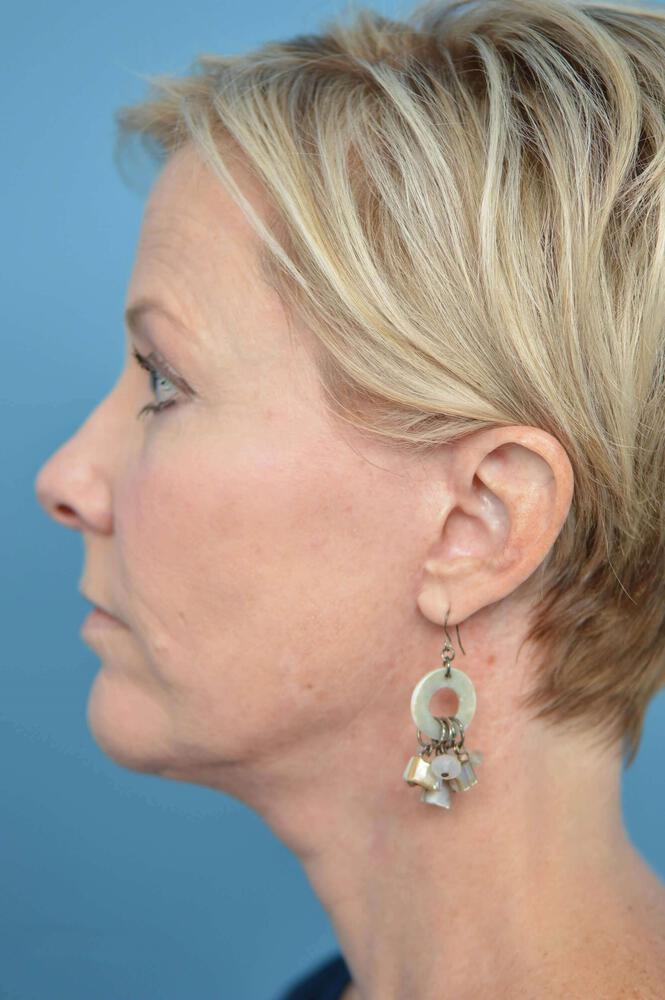
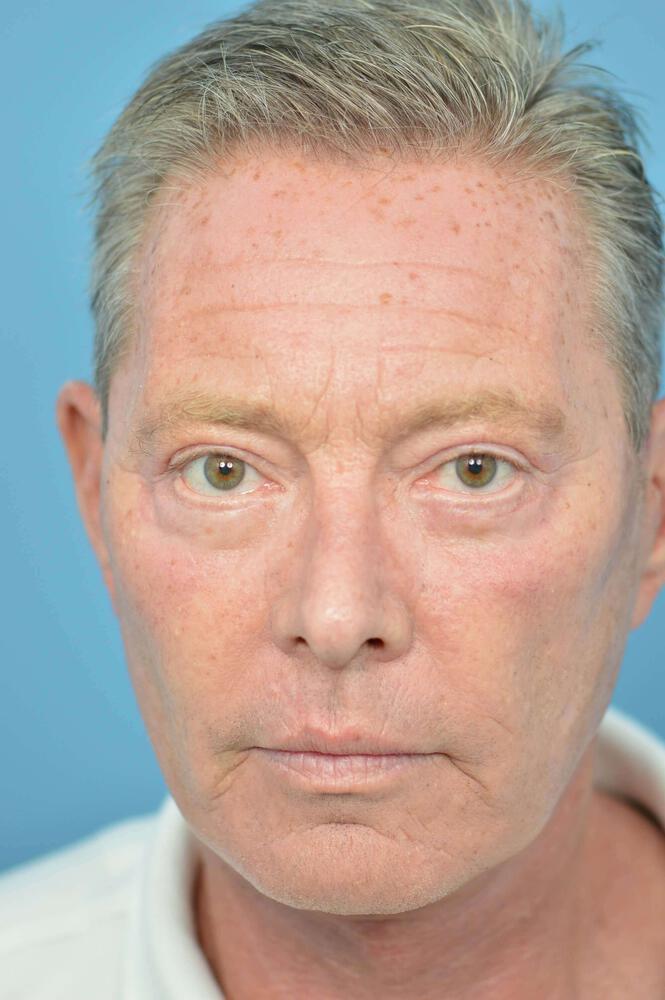
Ponte Vedra Beach Facelift model smiling

What Will My Facelift Results Look Like?

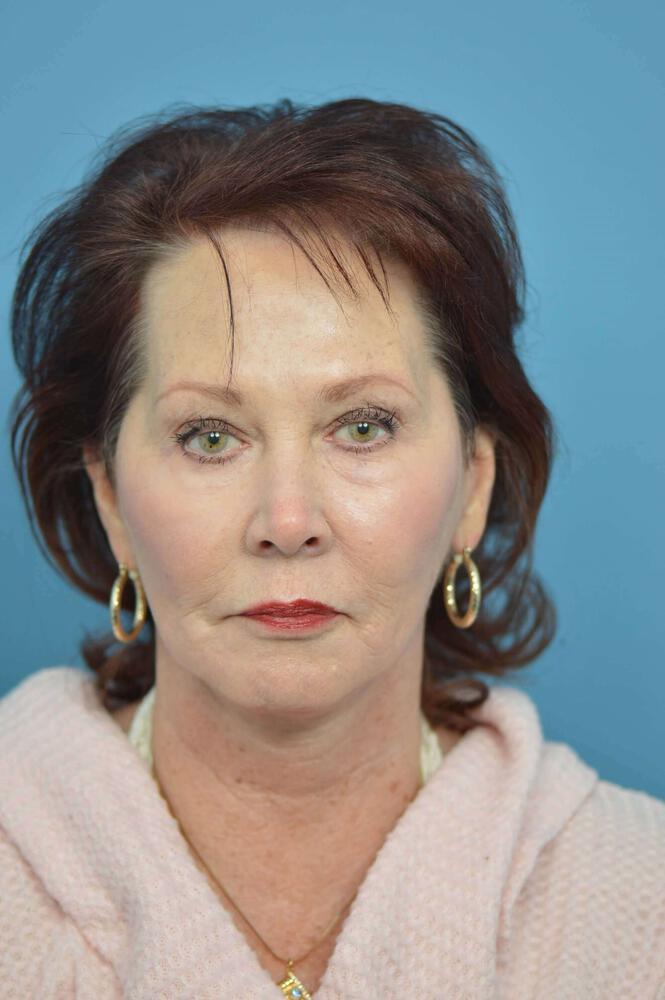
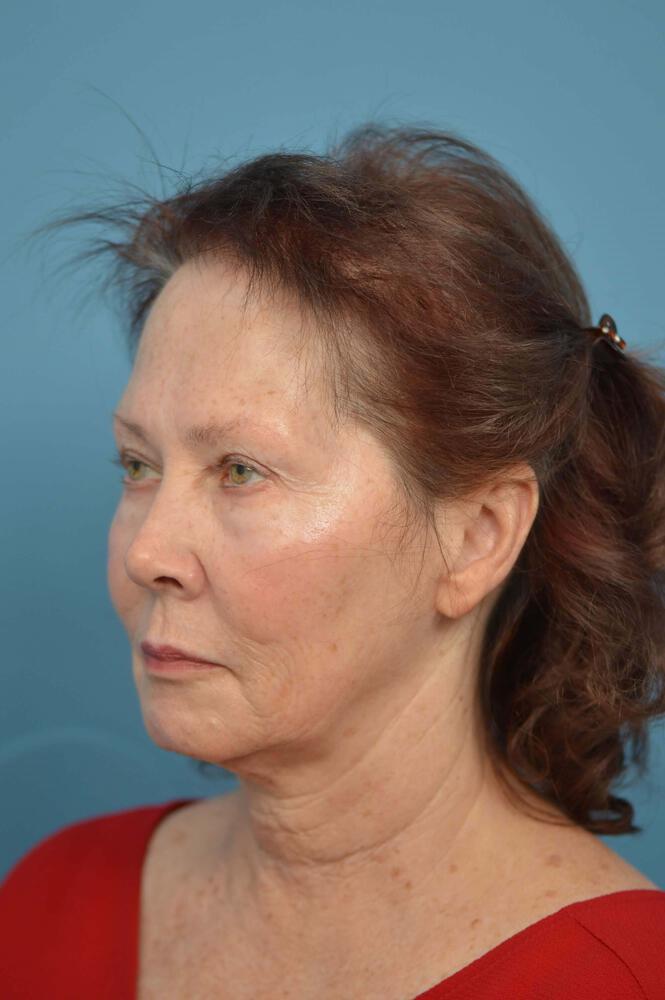
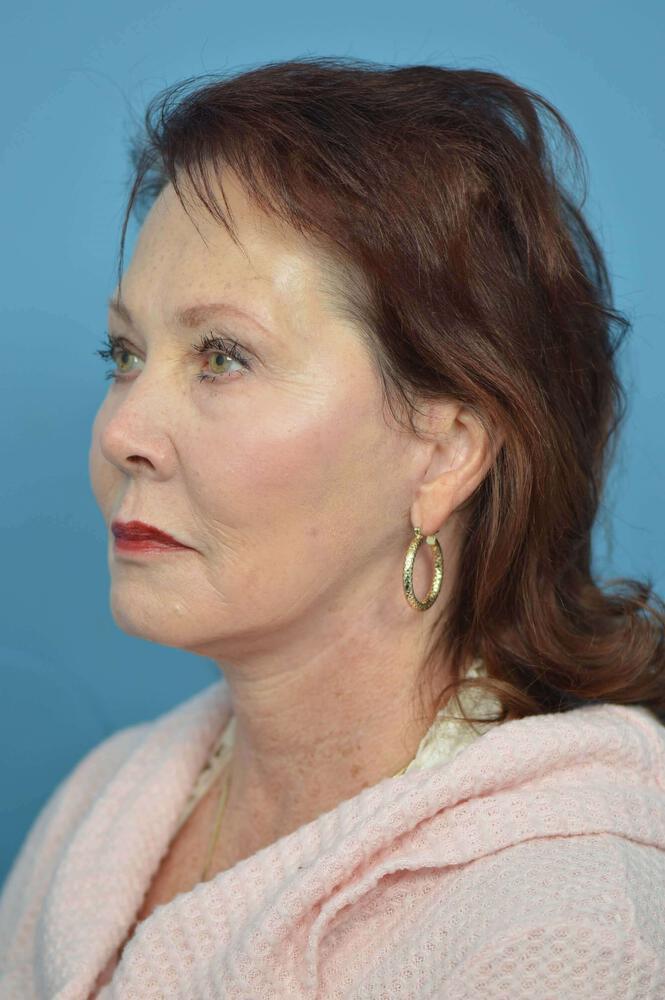
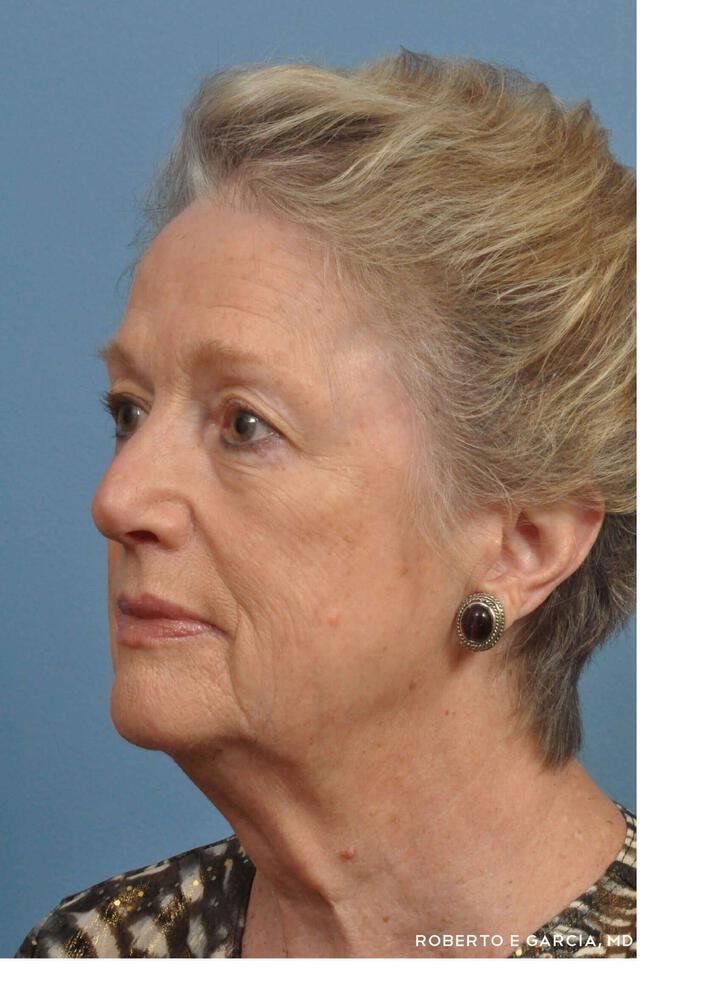
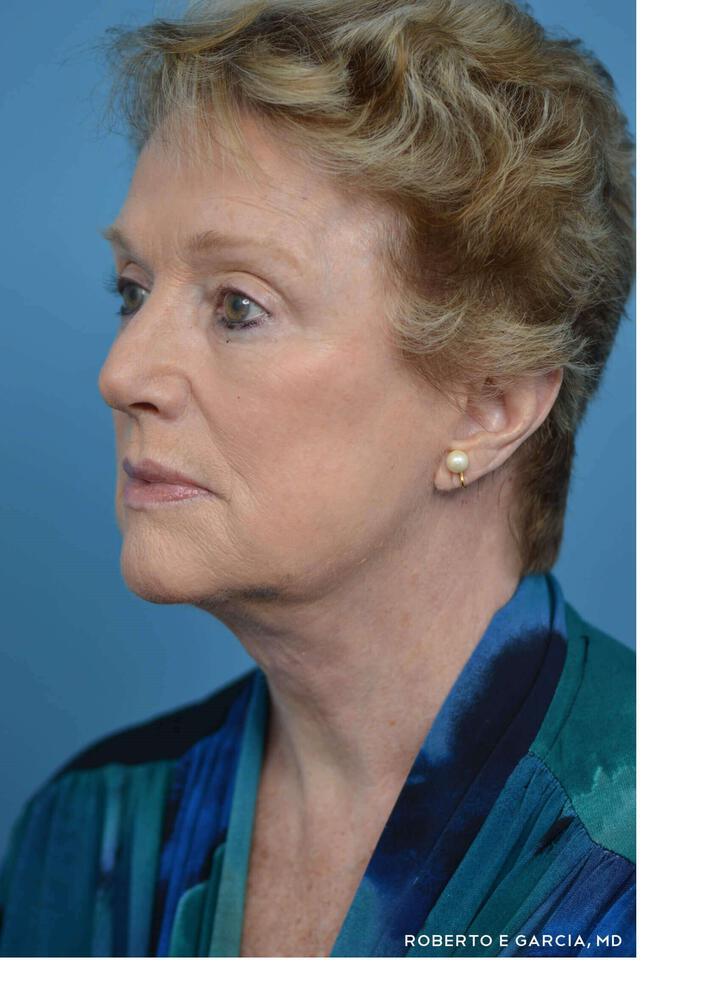
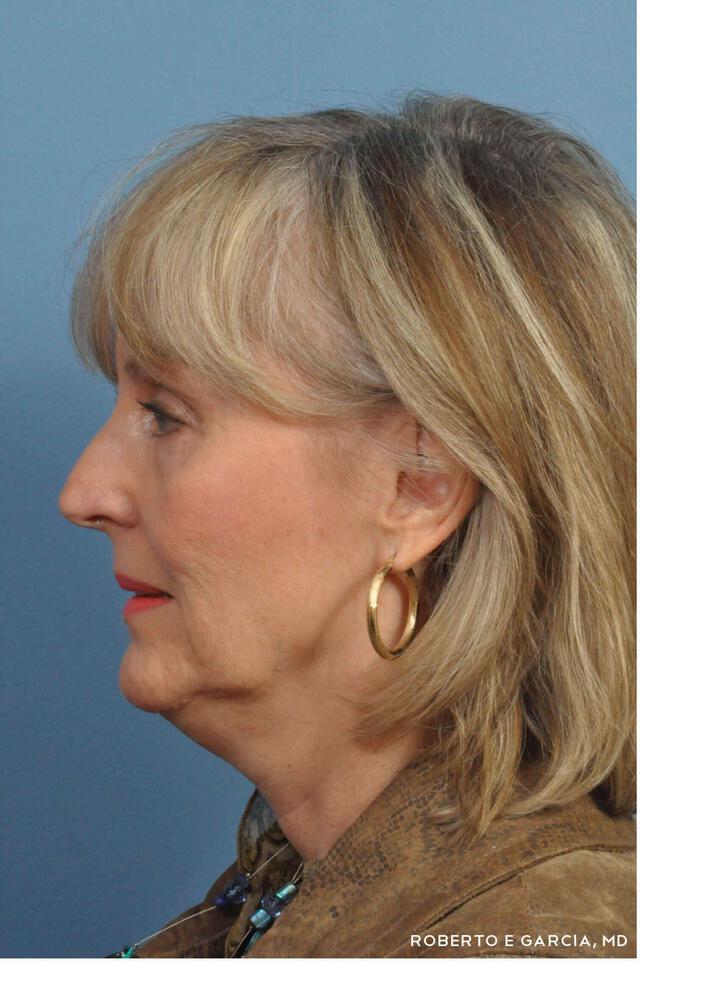
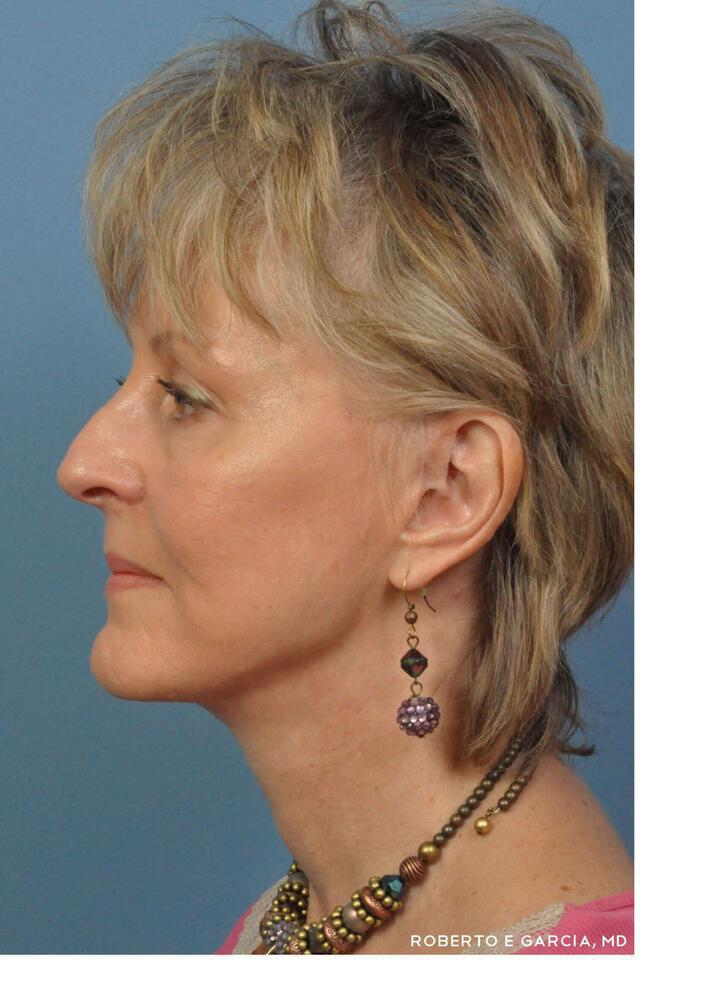
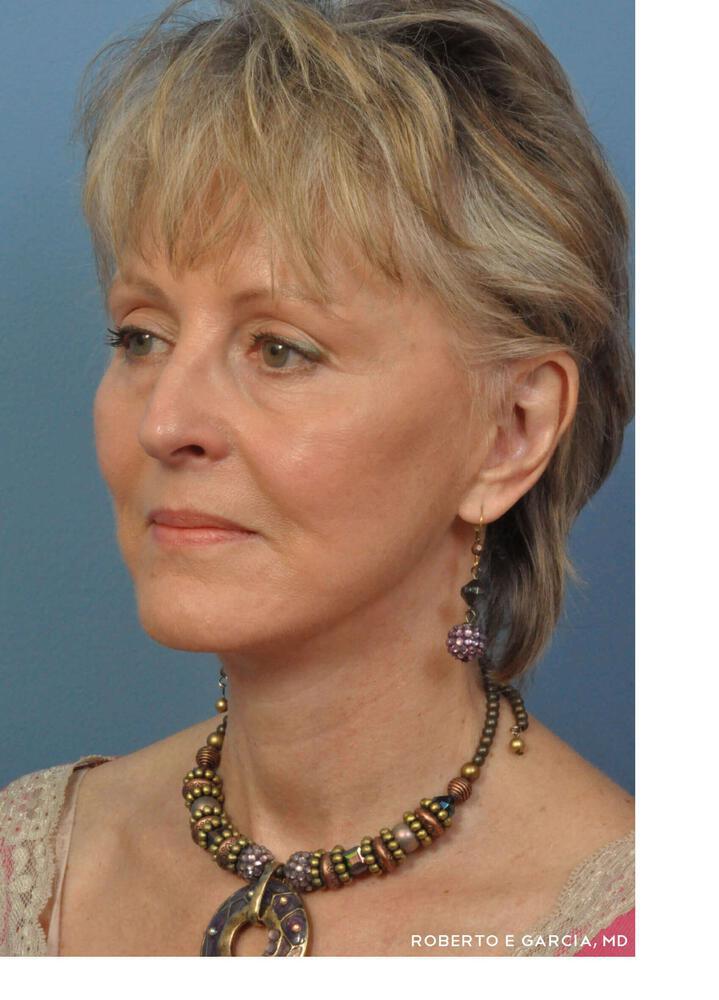
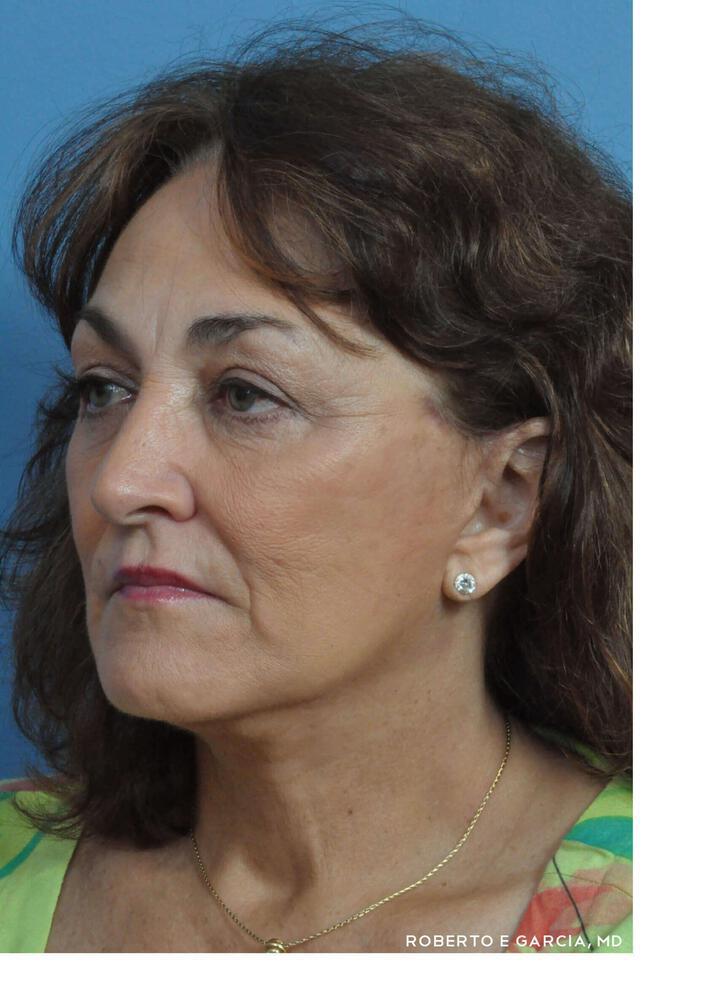
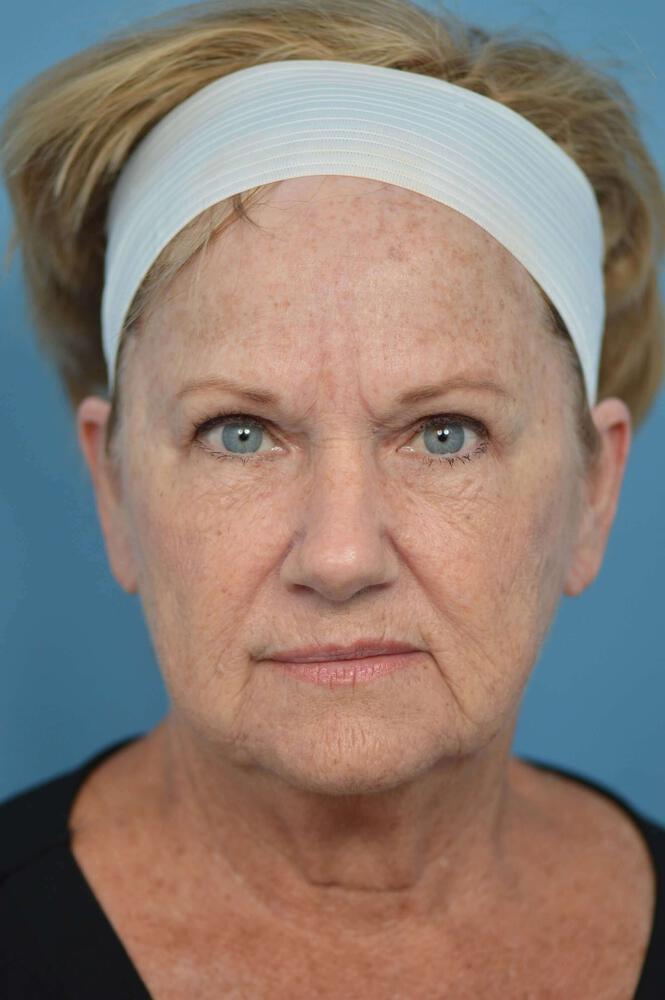
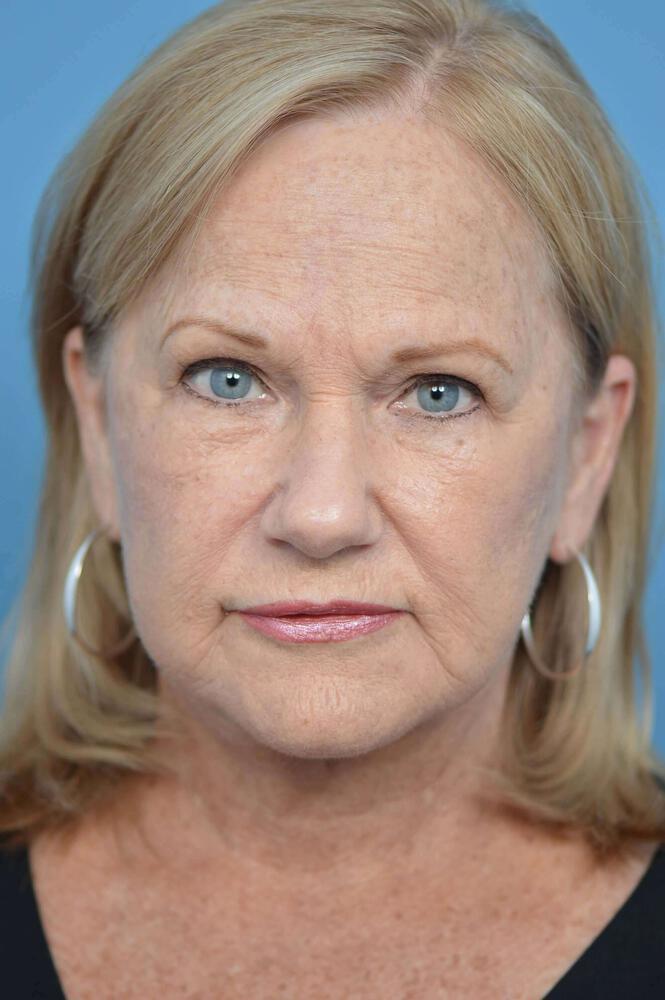
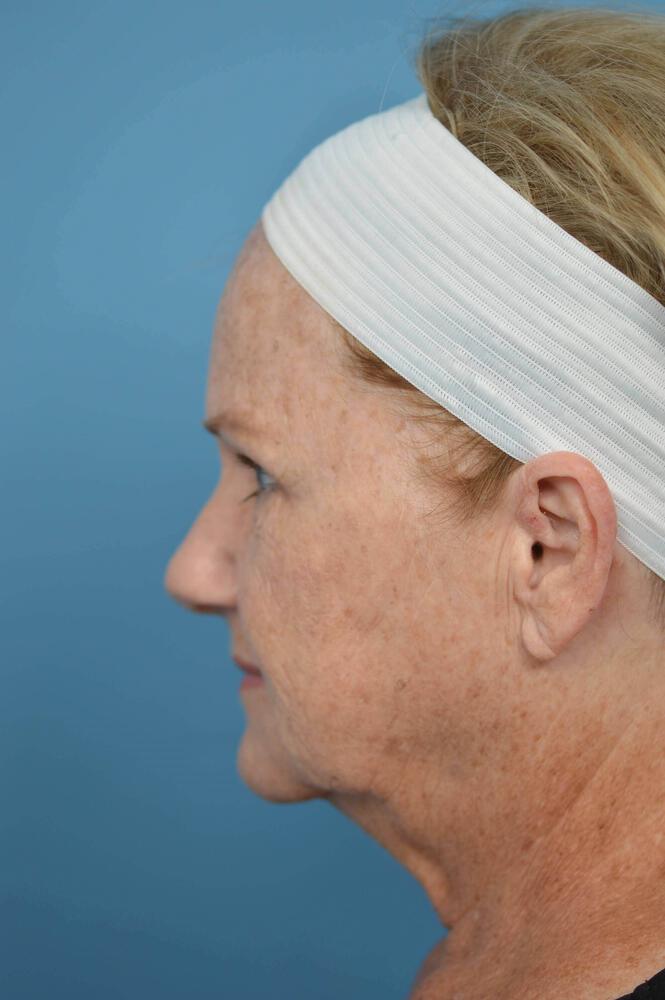
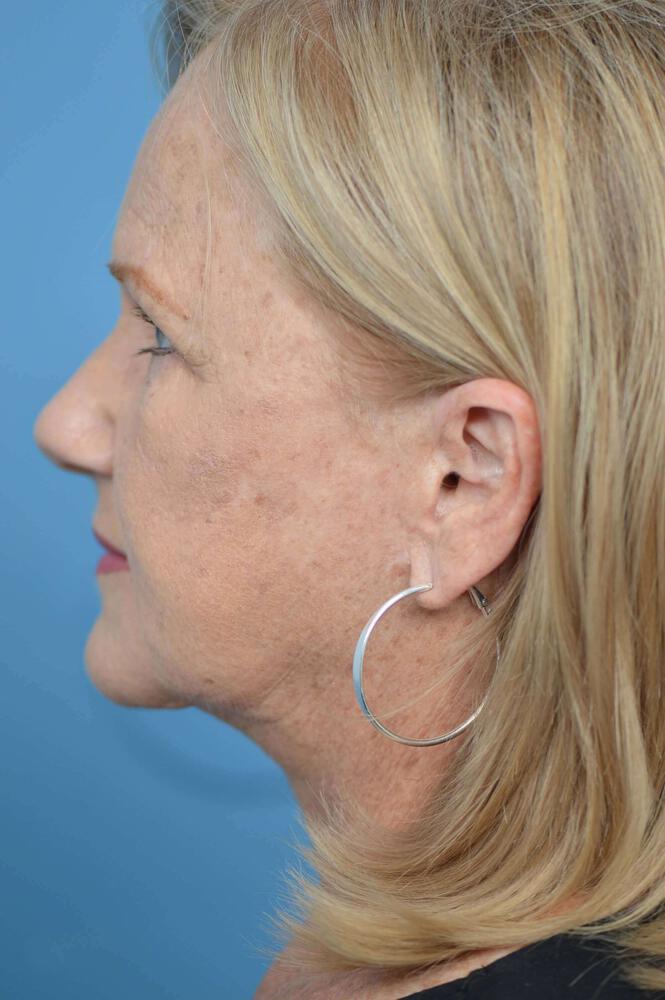
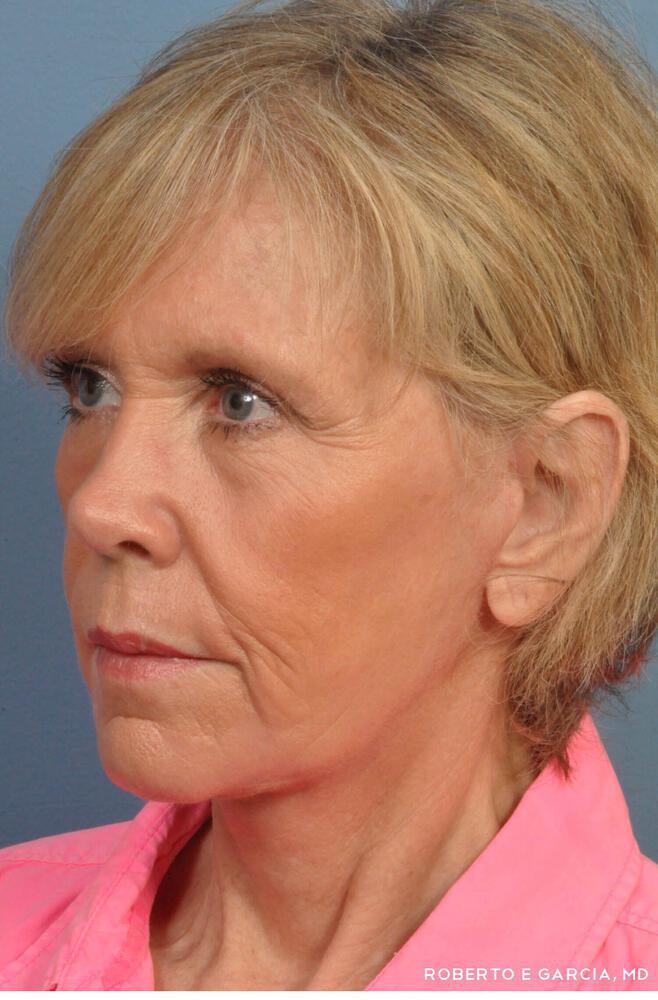
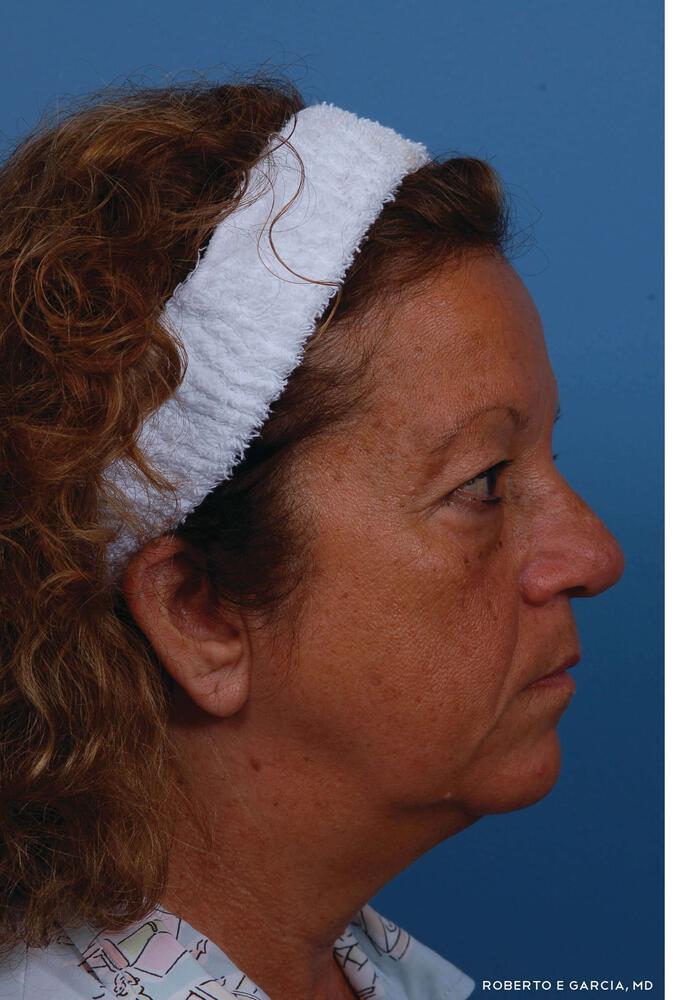
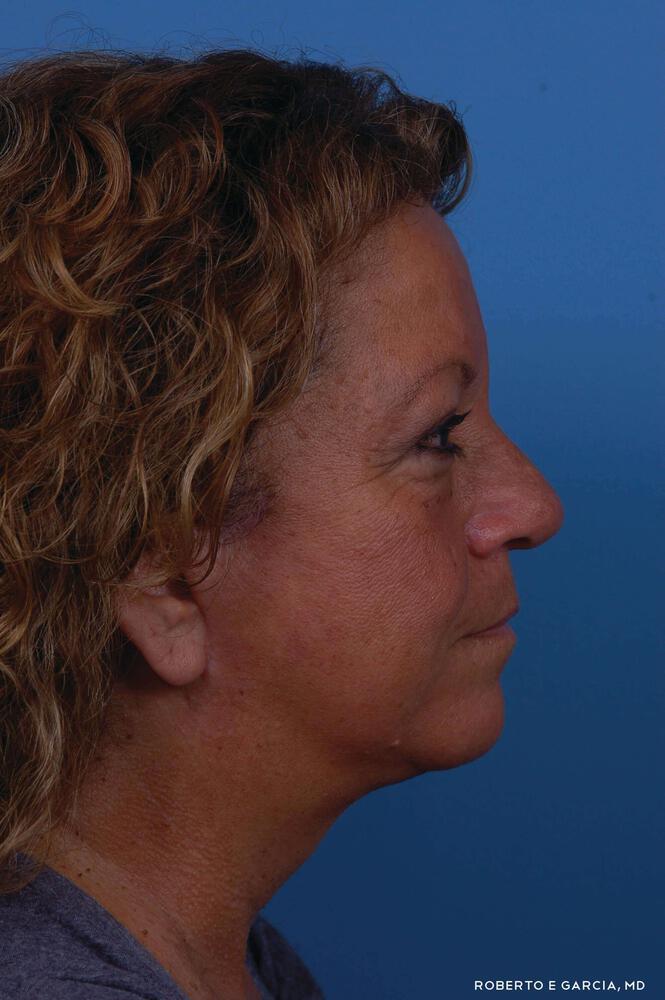
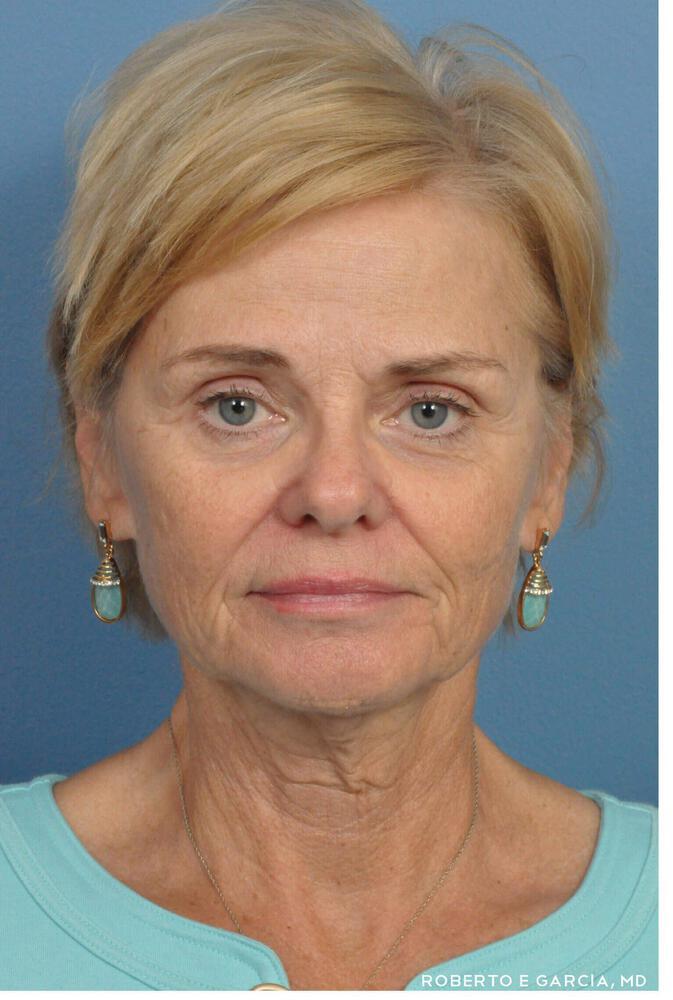
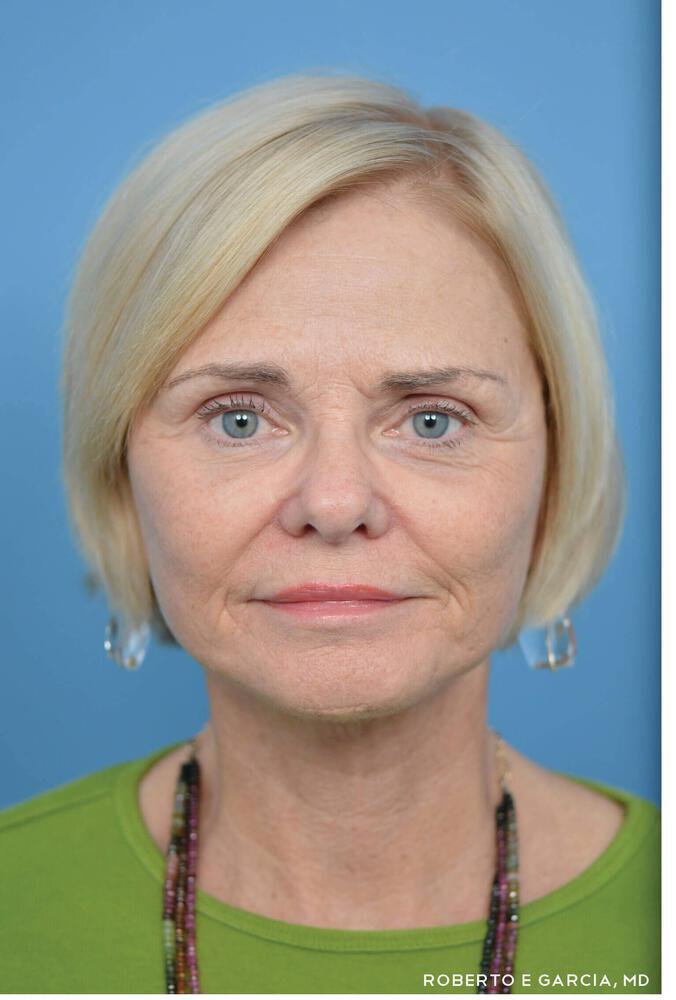
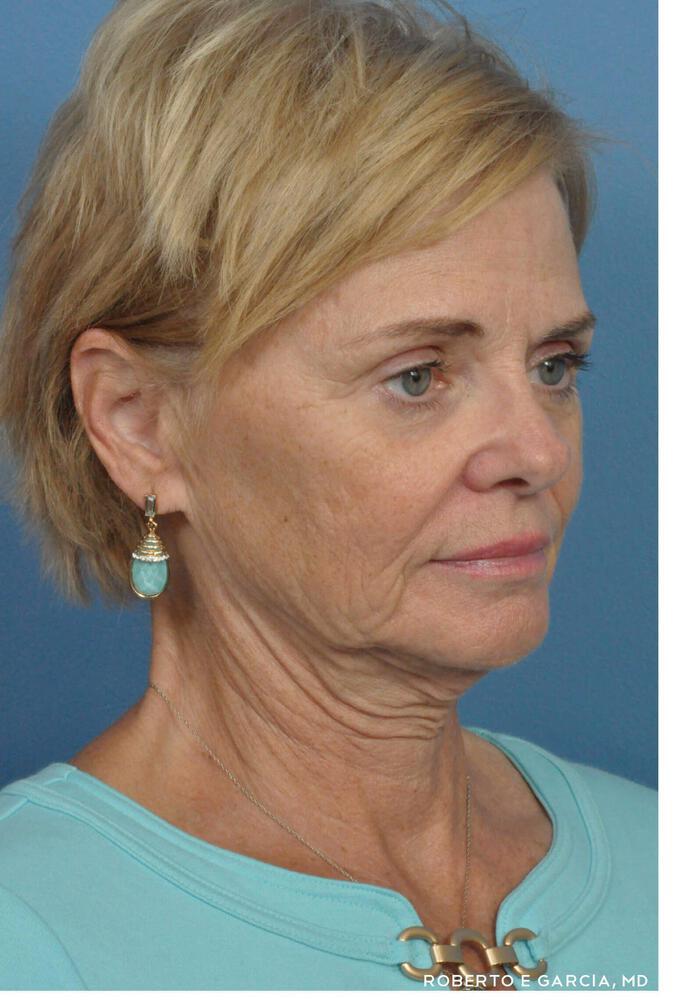
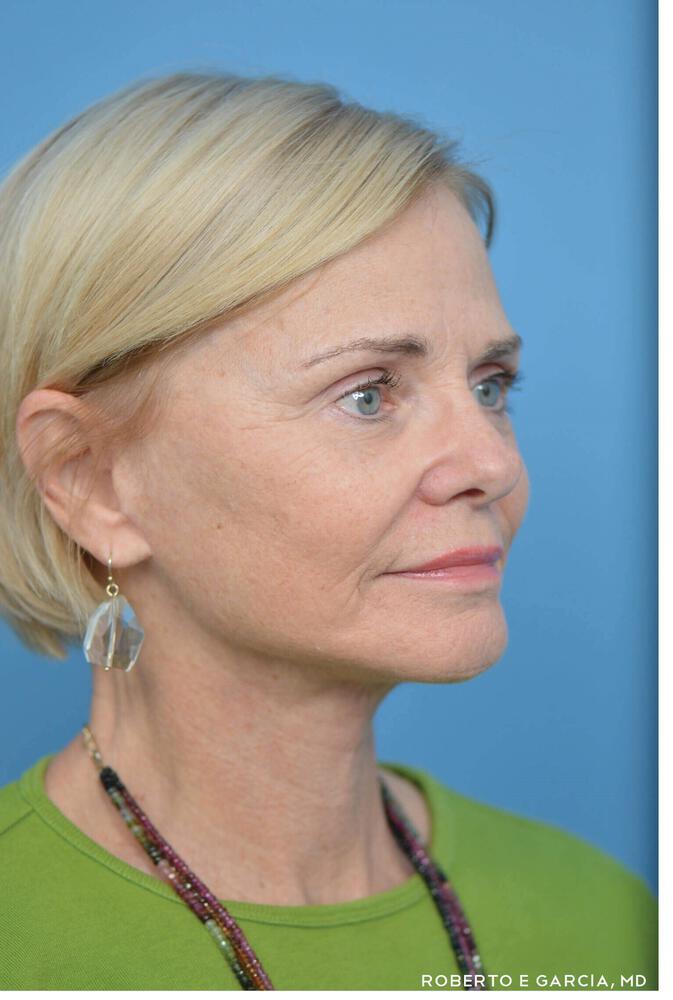
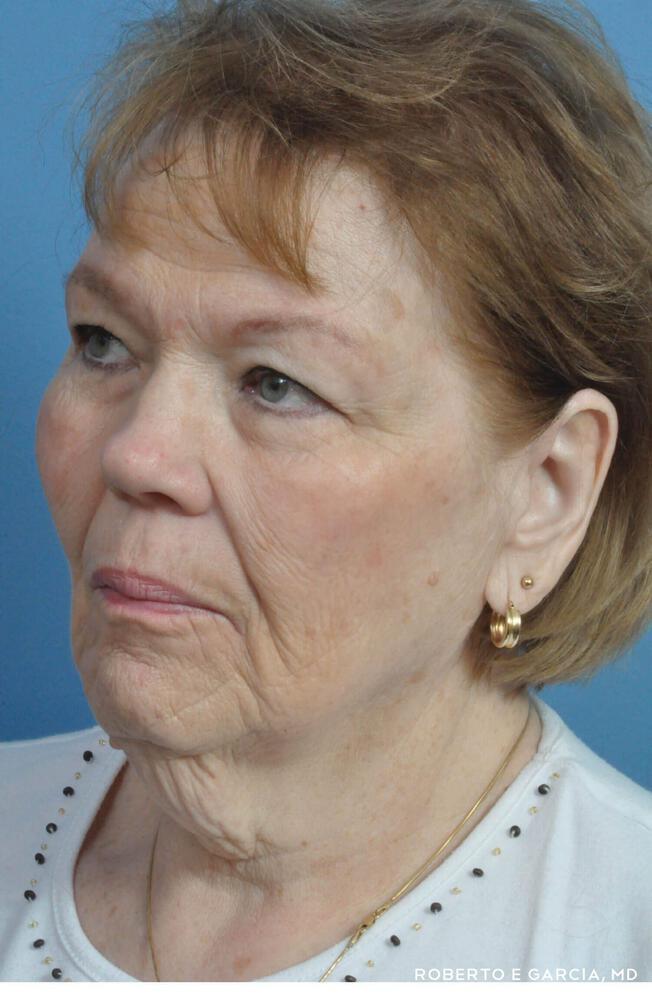
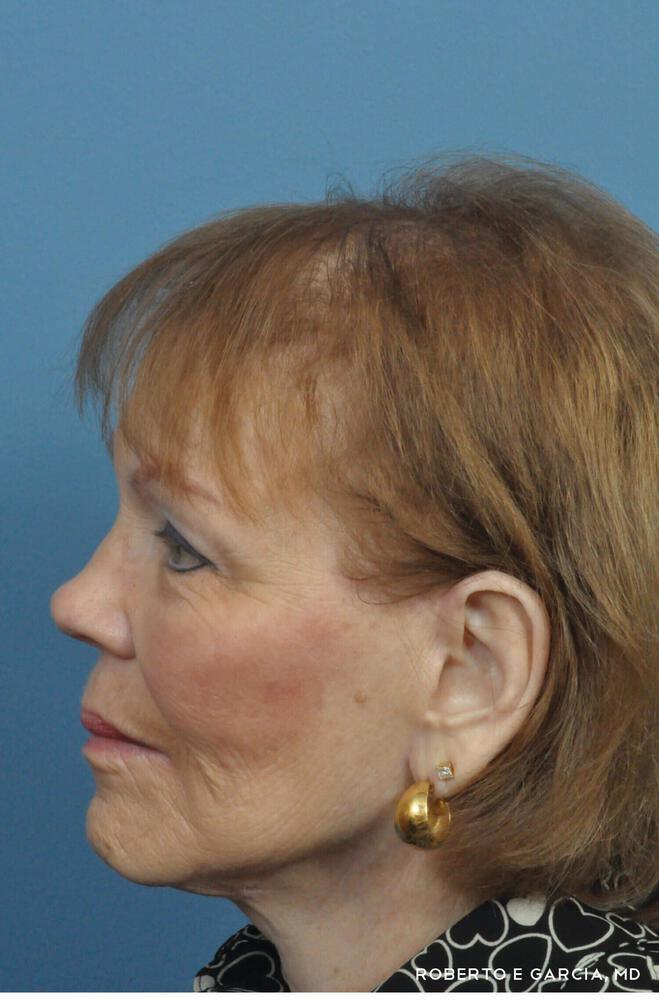
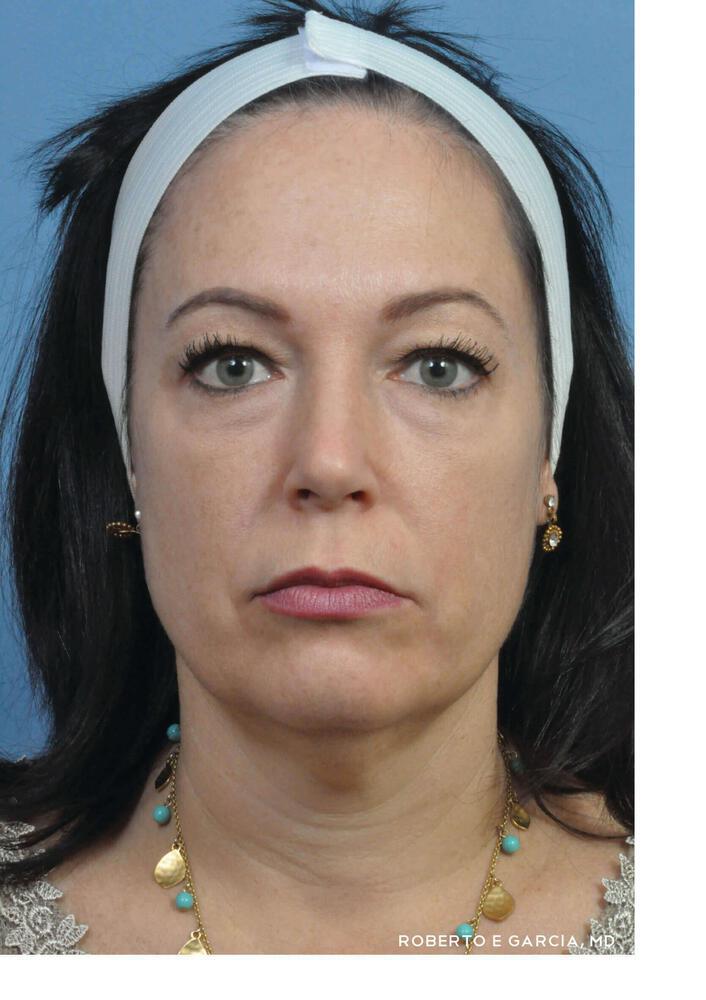
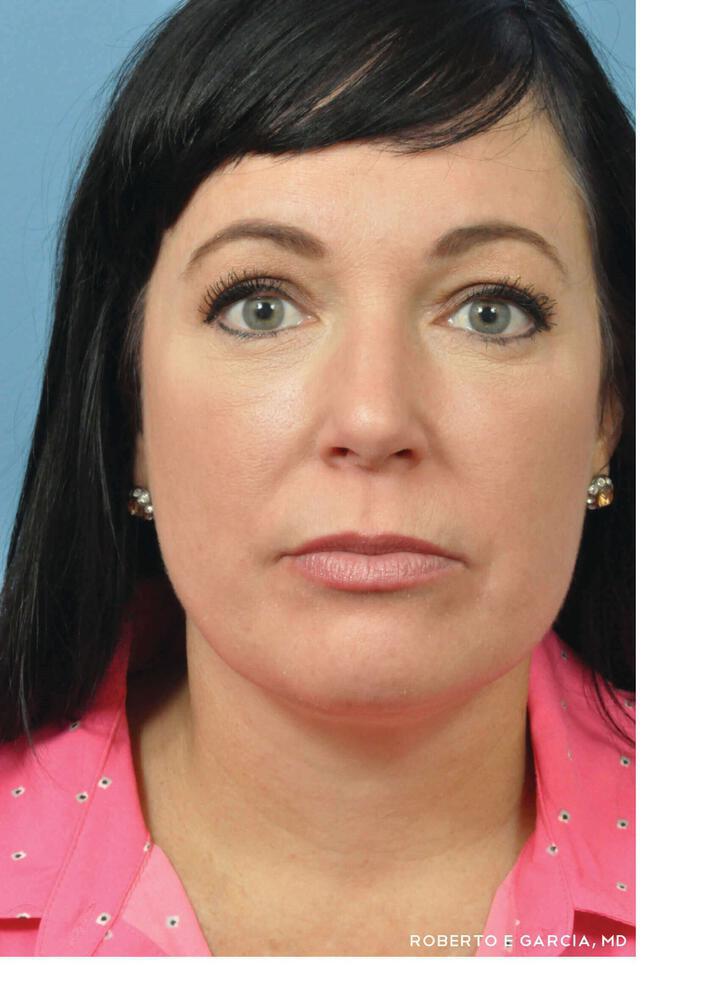
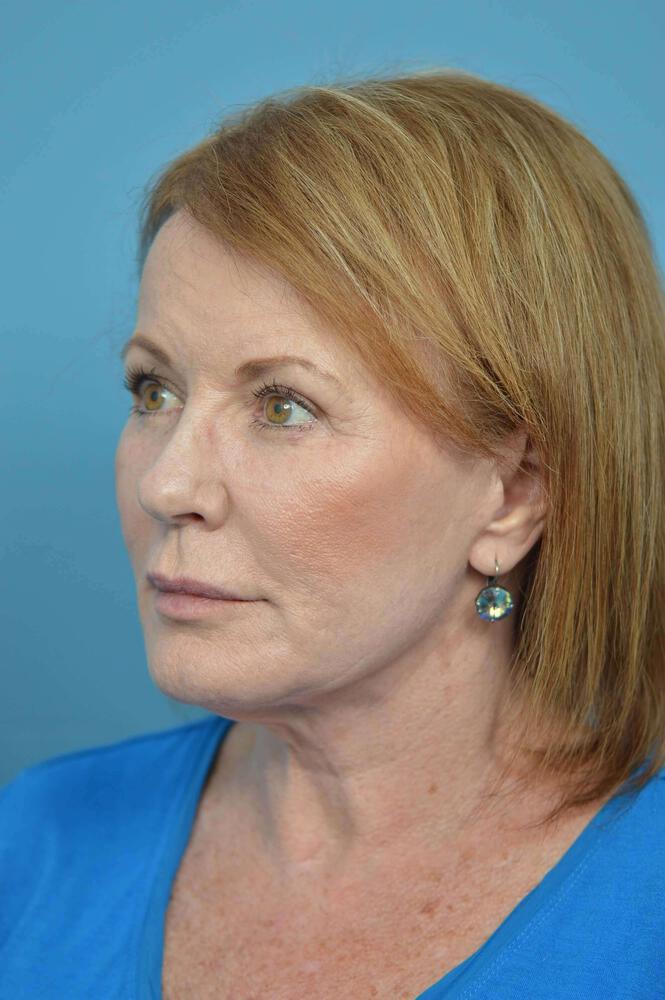
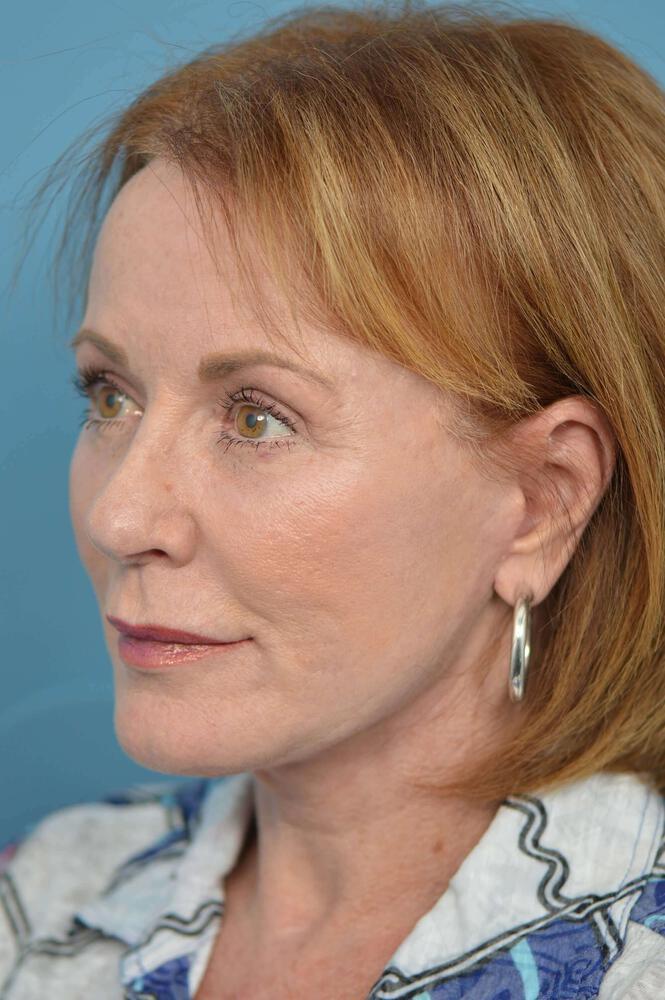
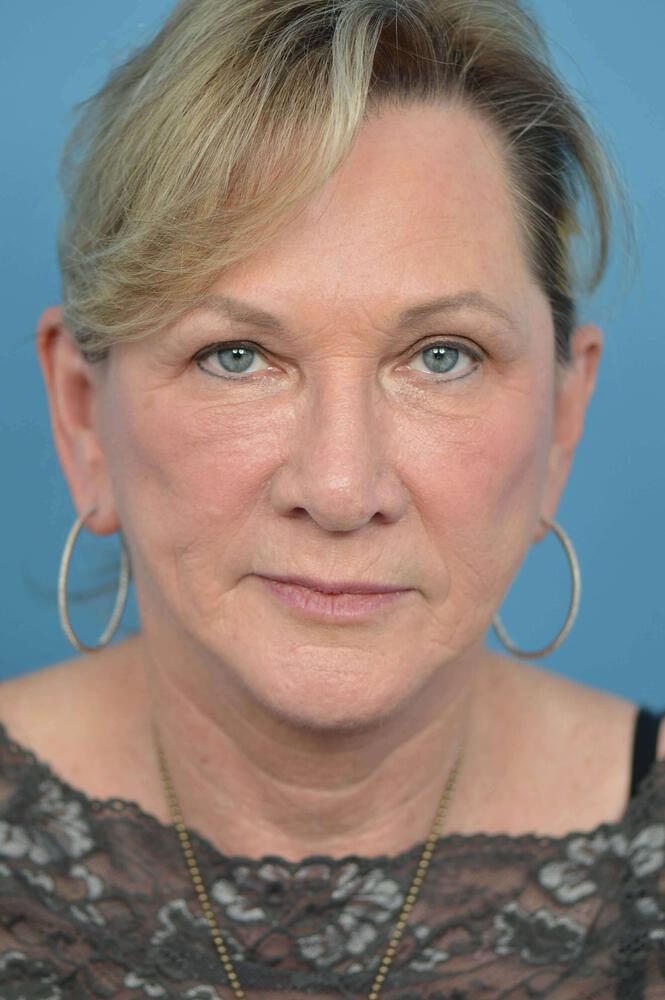
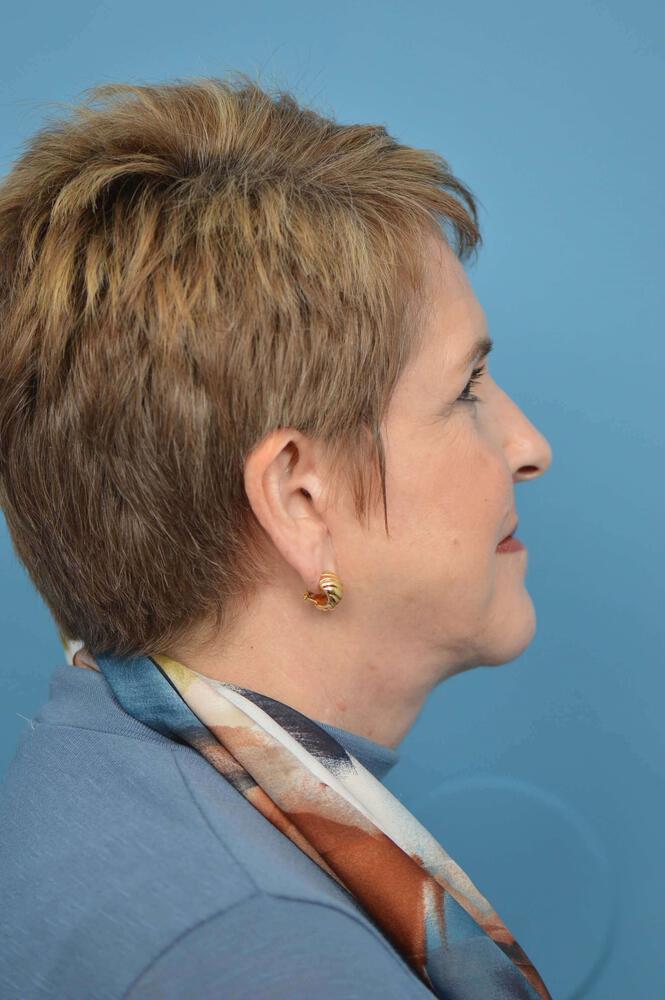
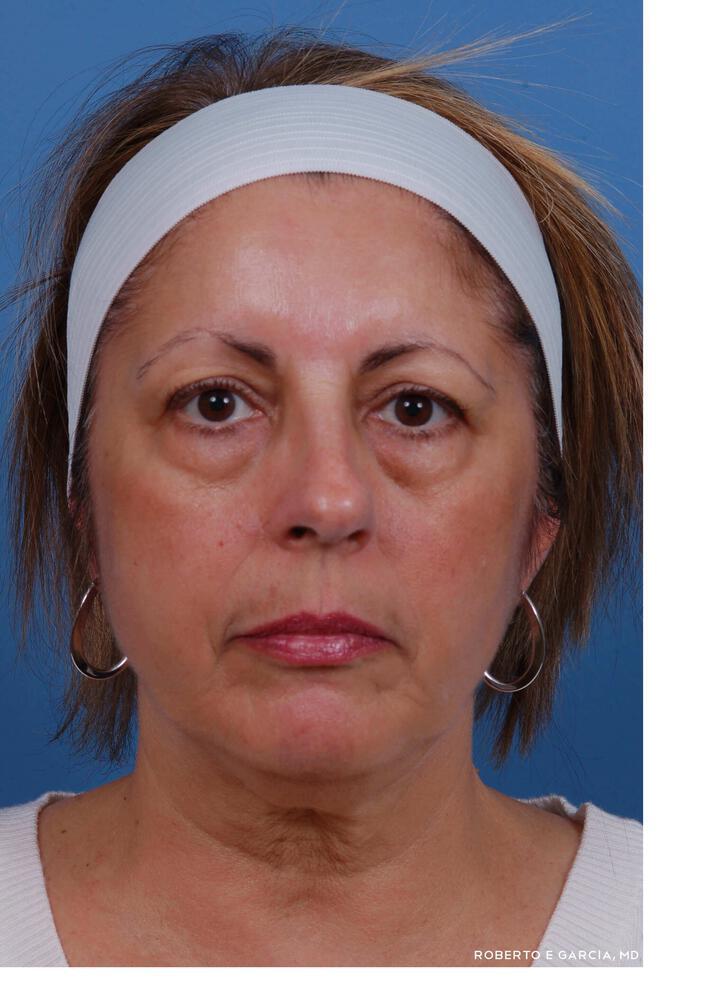
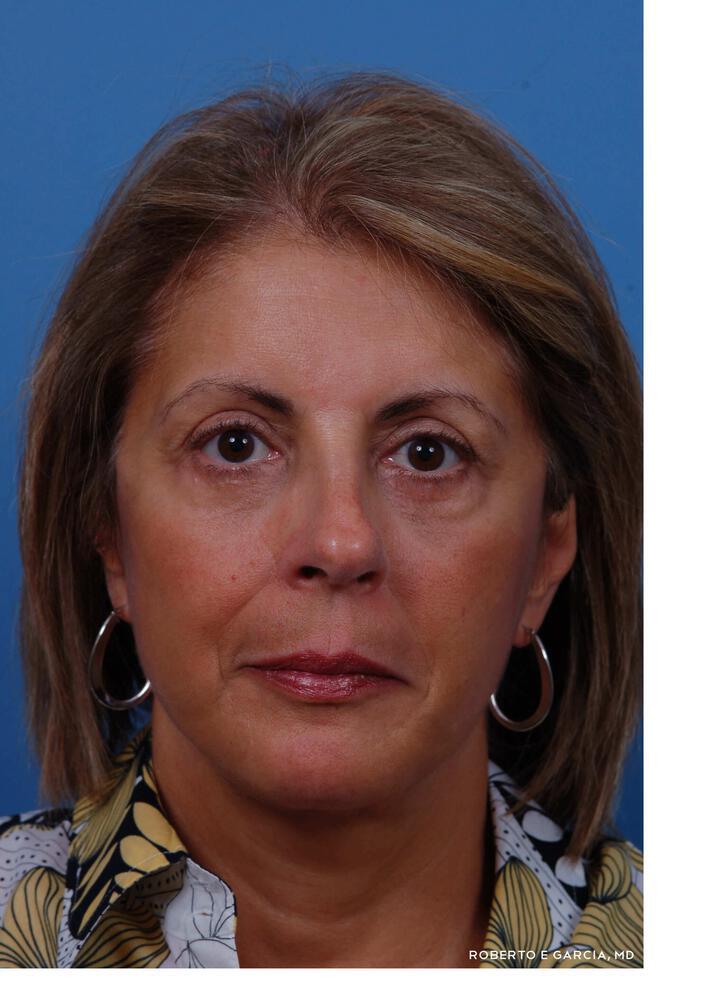
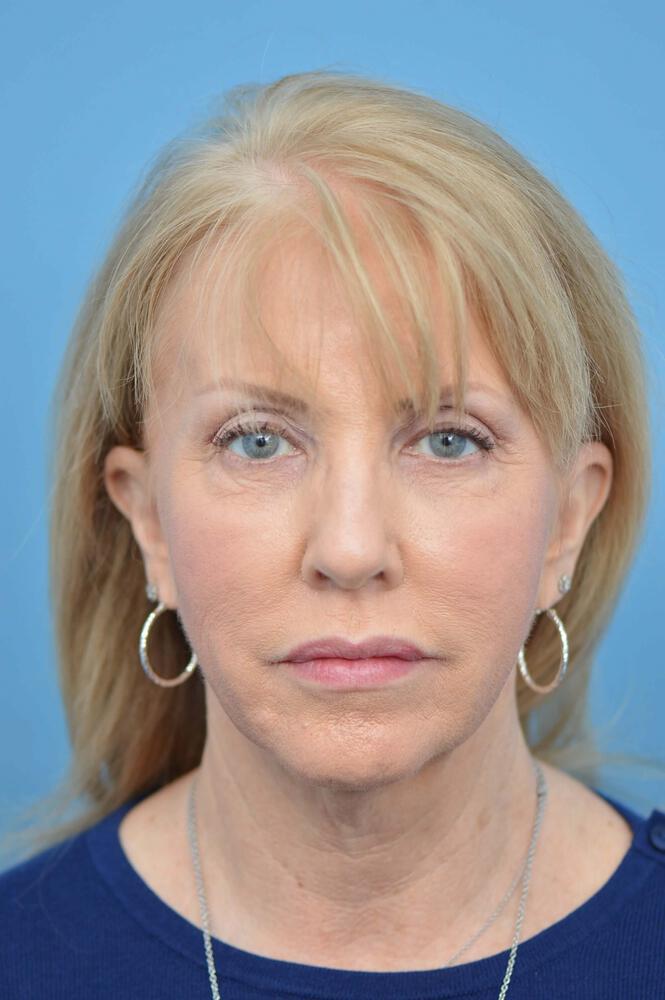
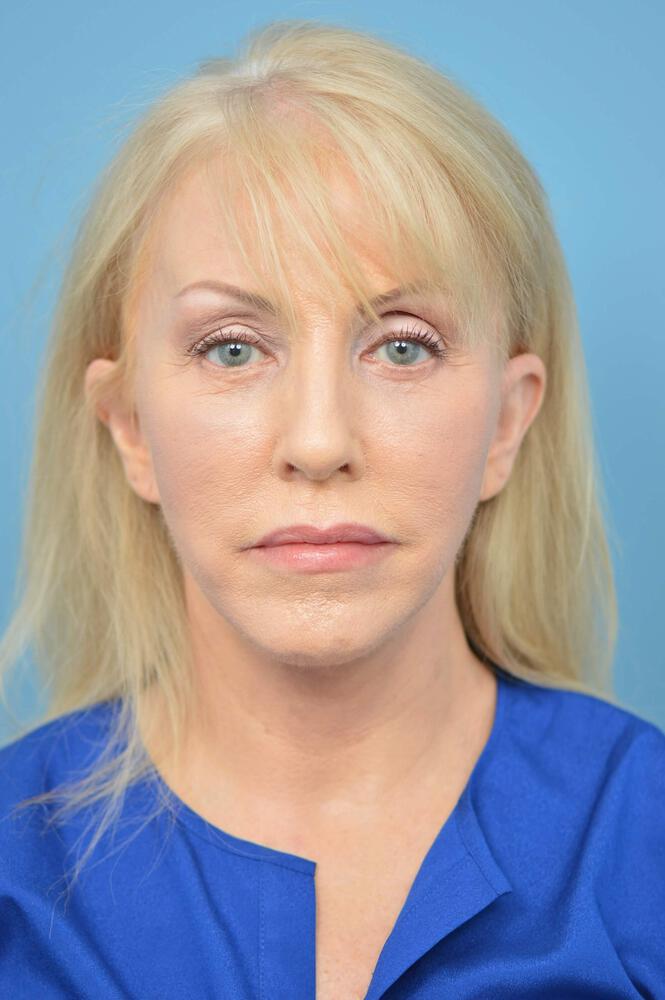
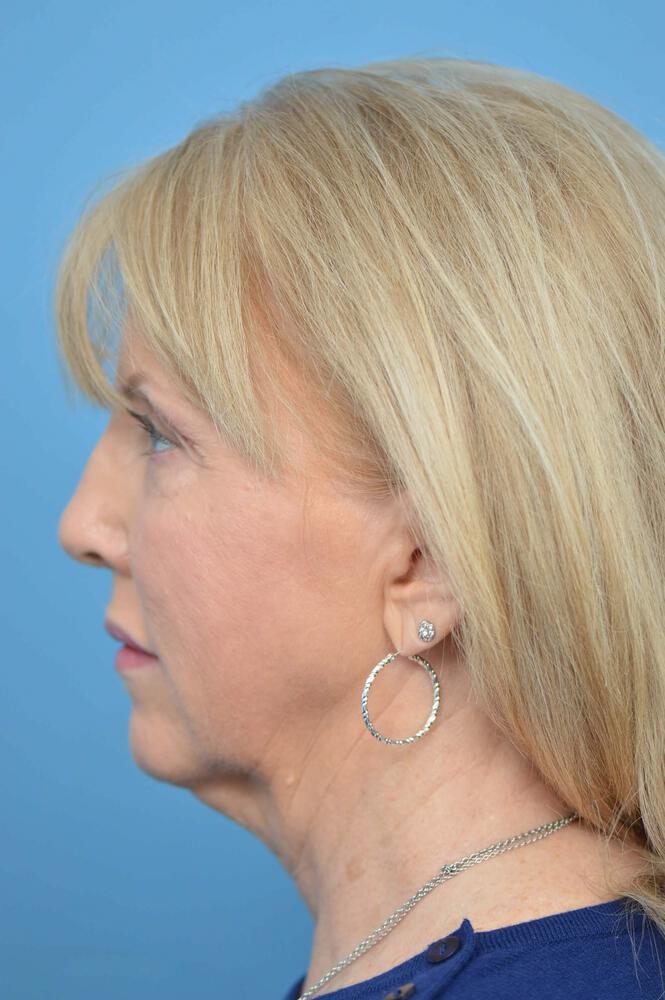
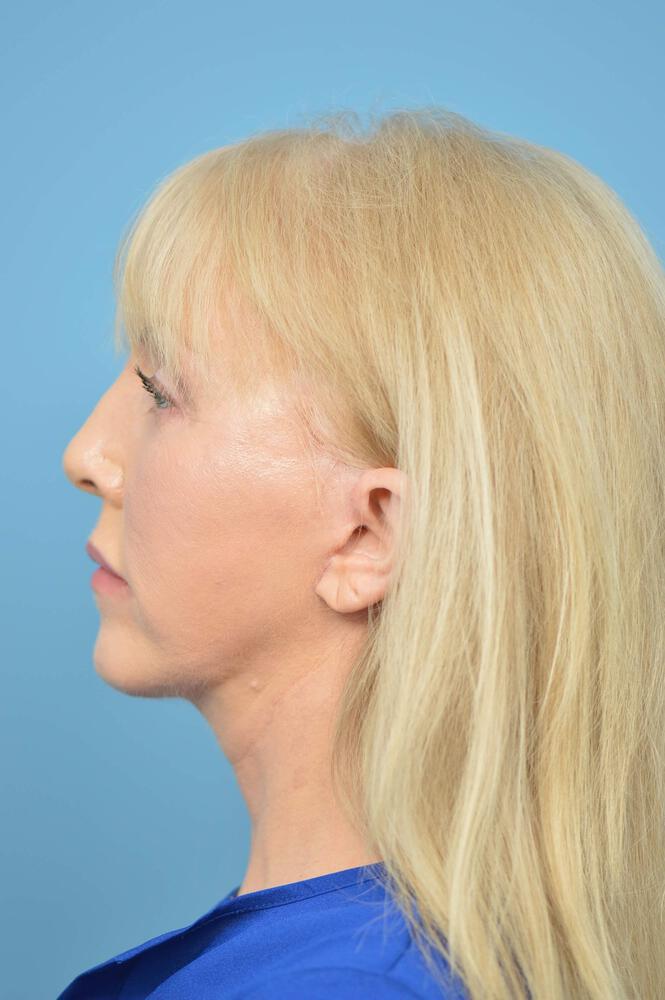
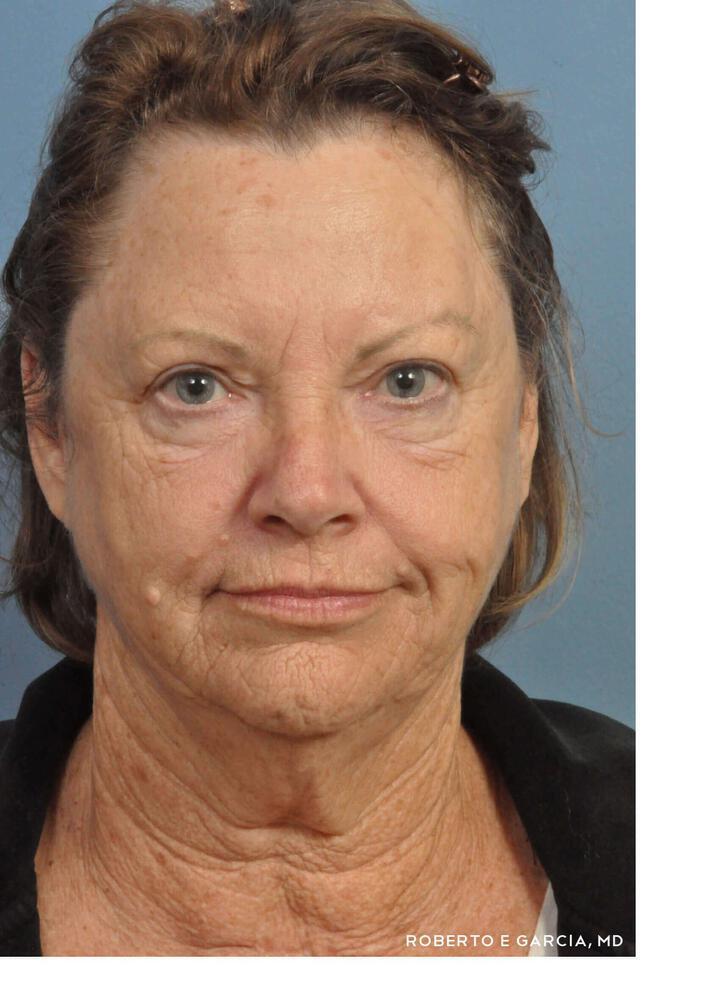
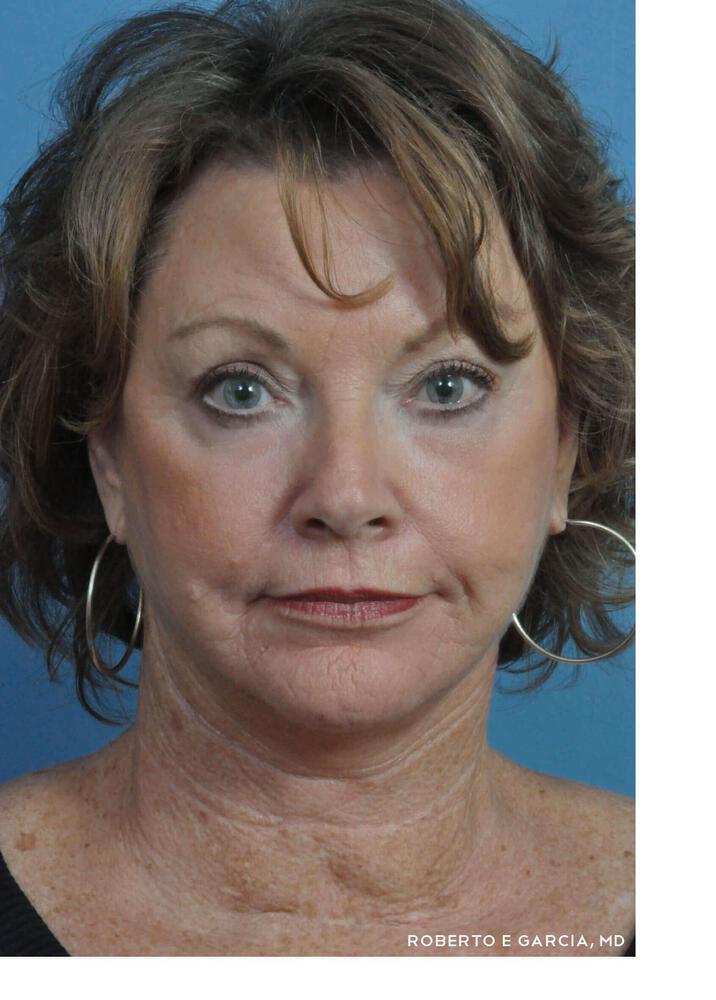
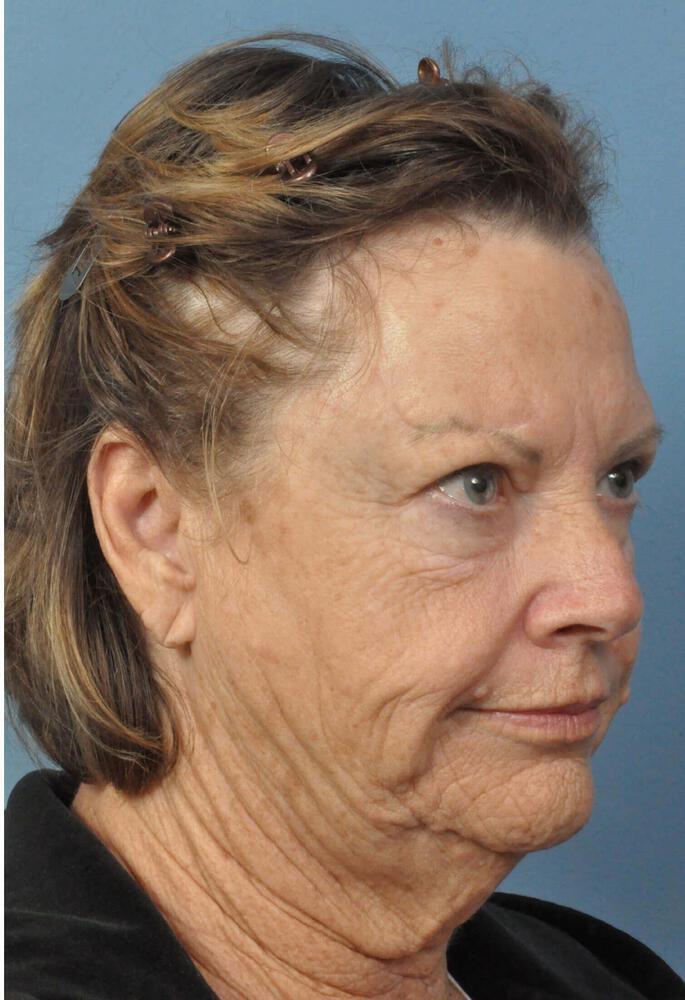
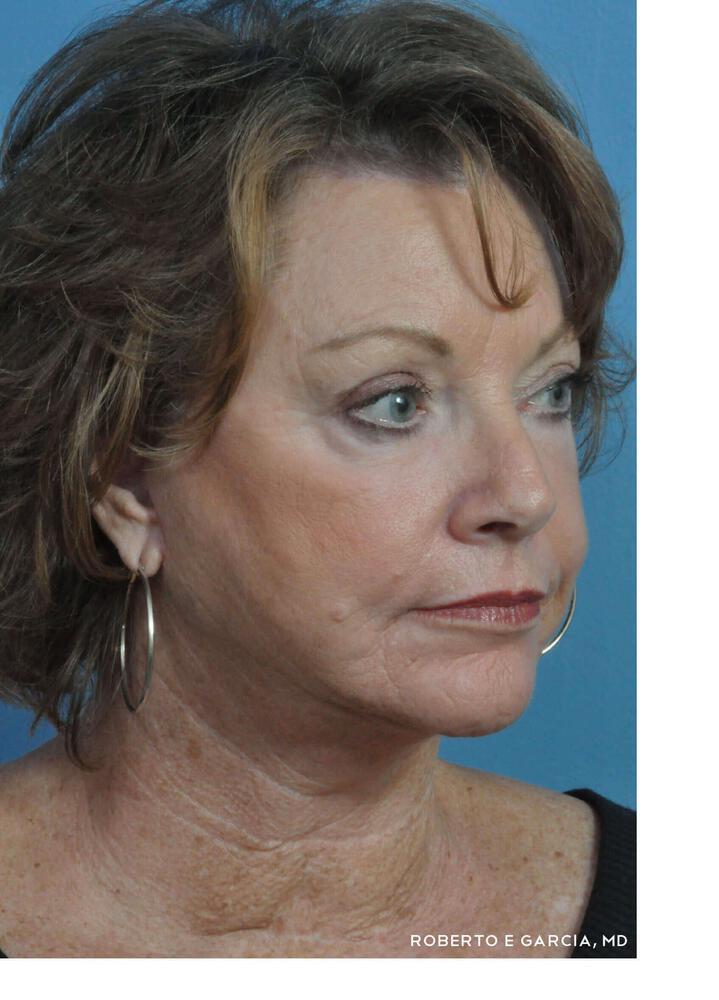
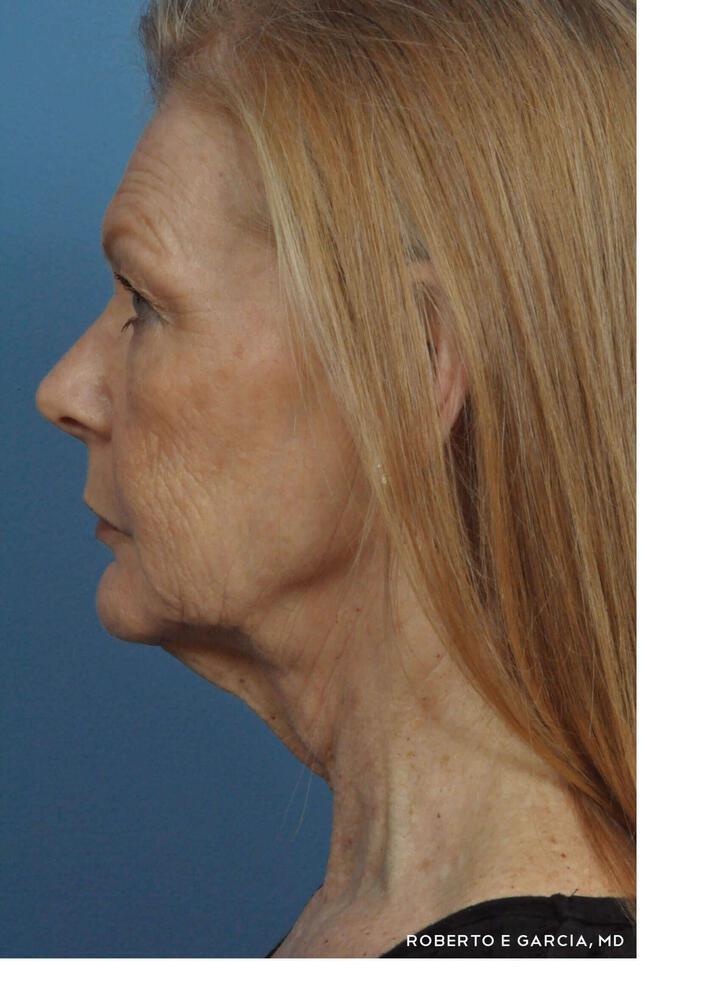
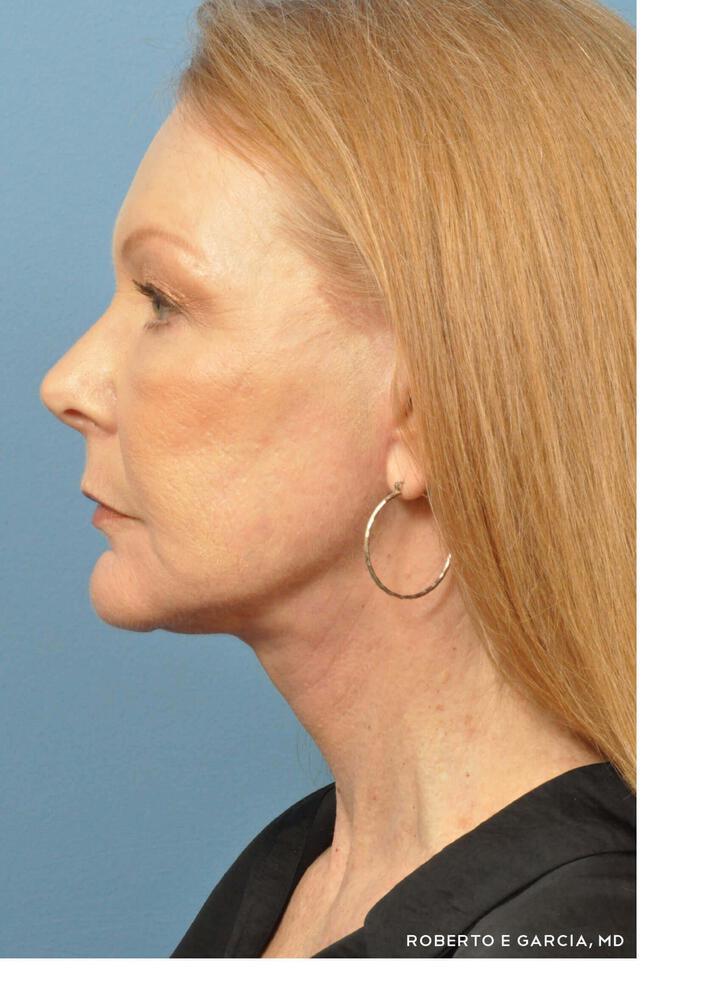
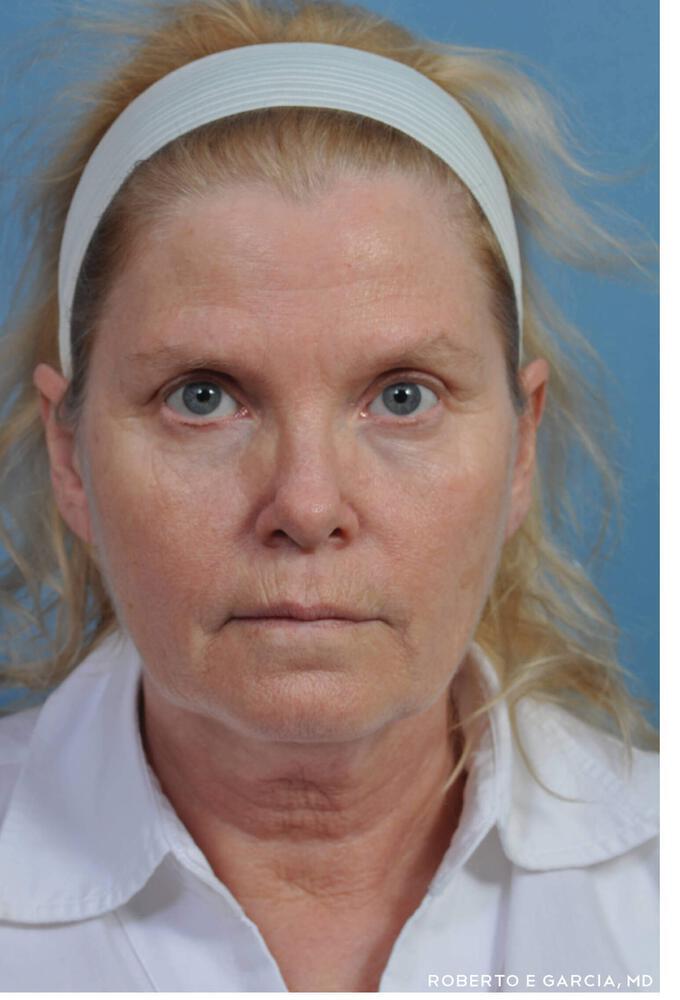
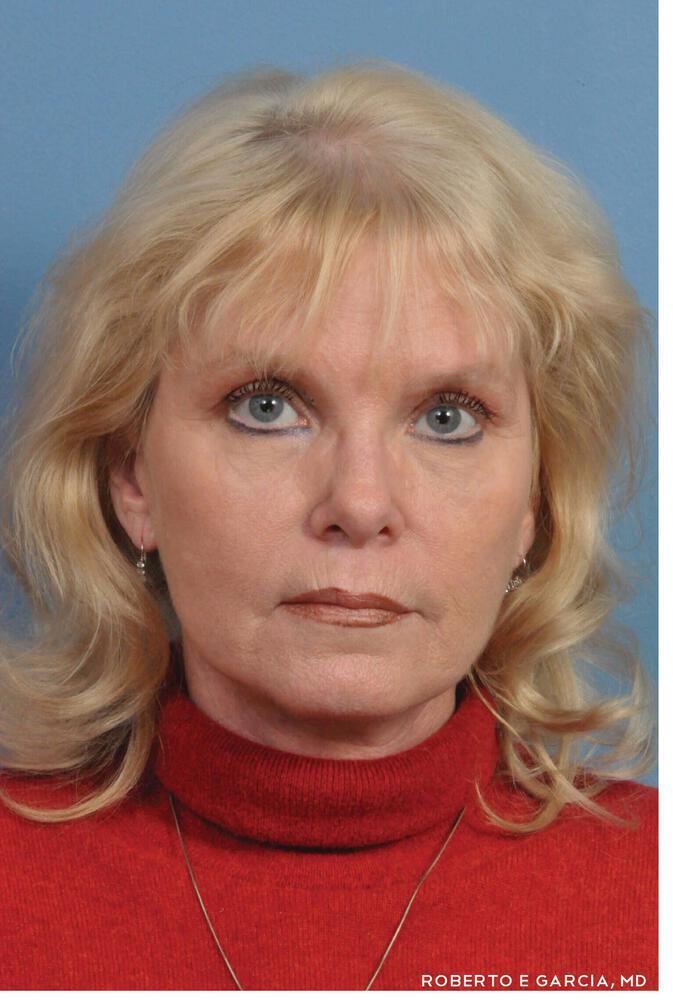
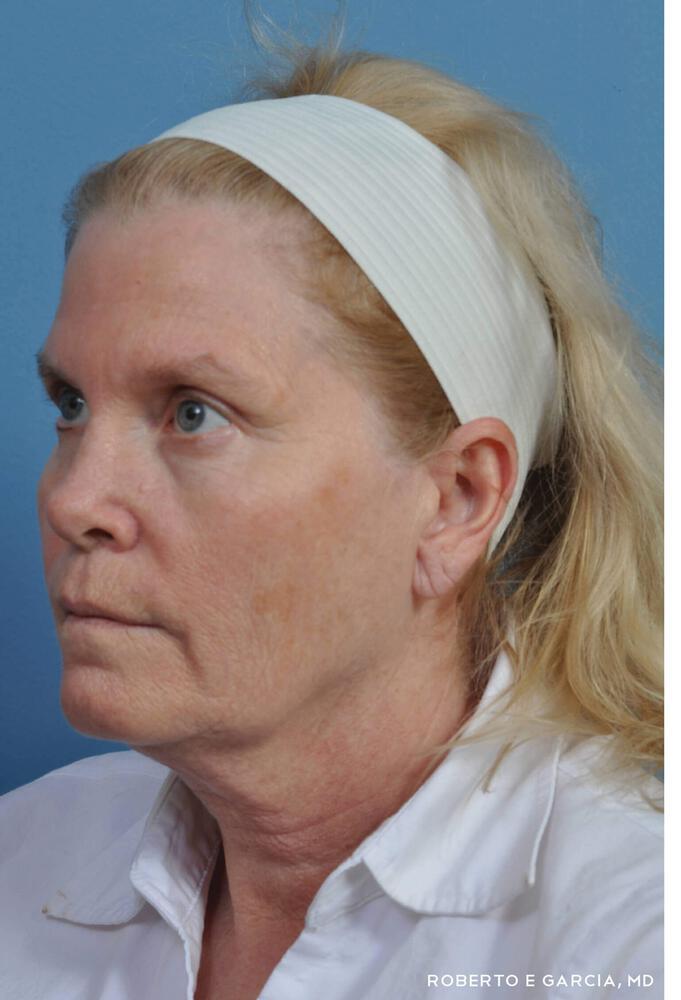
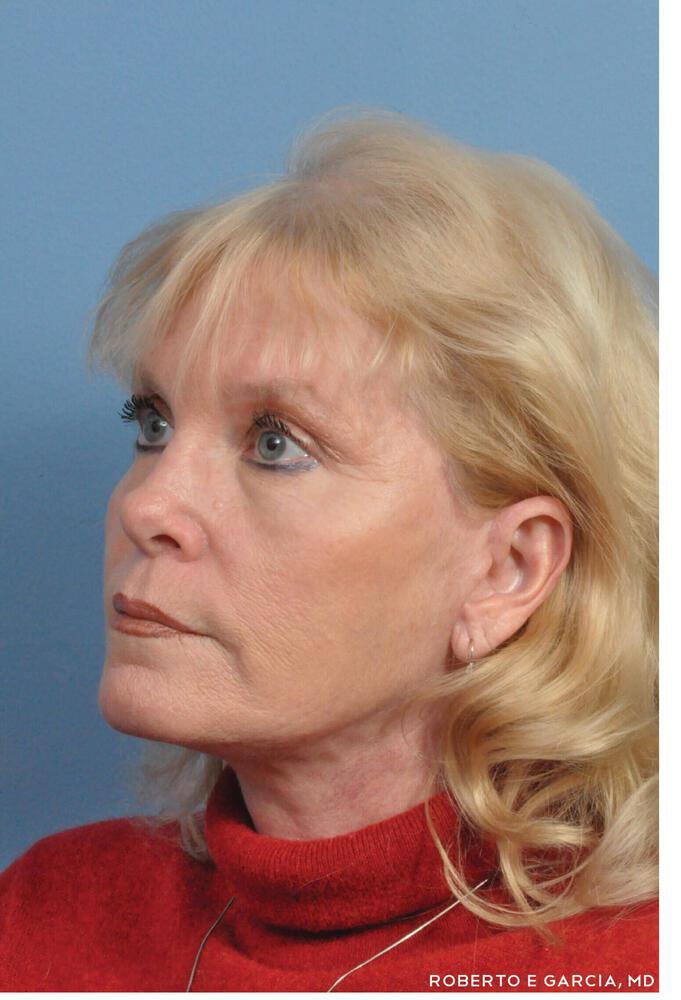
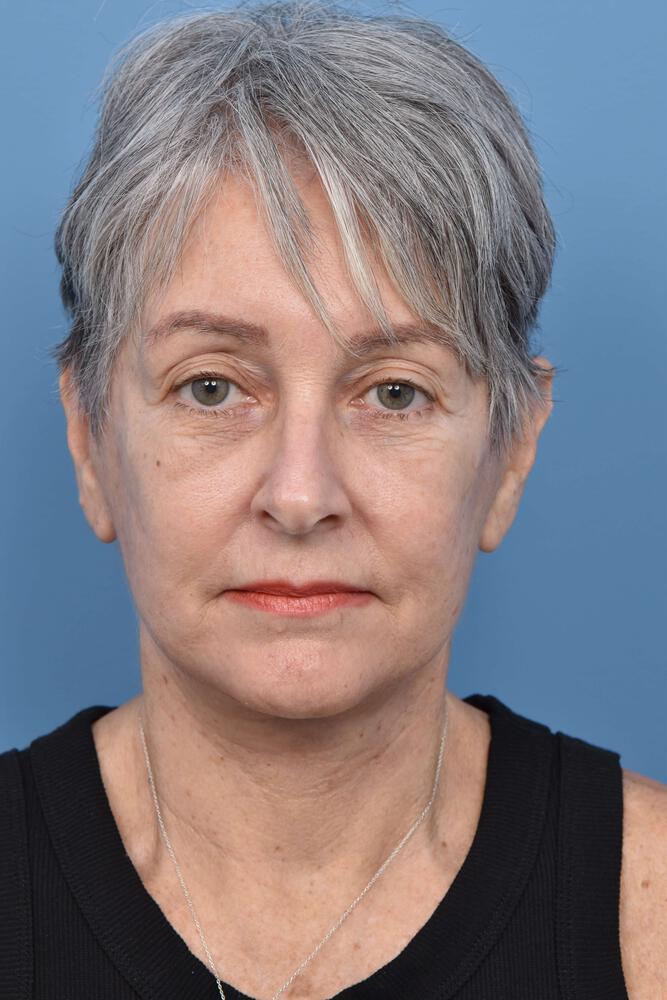
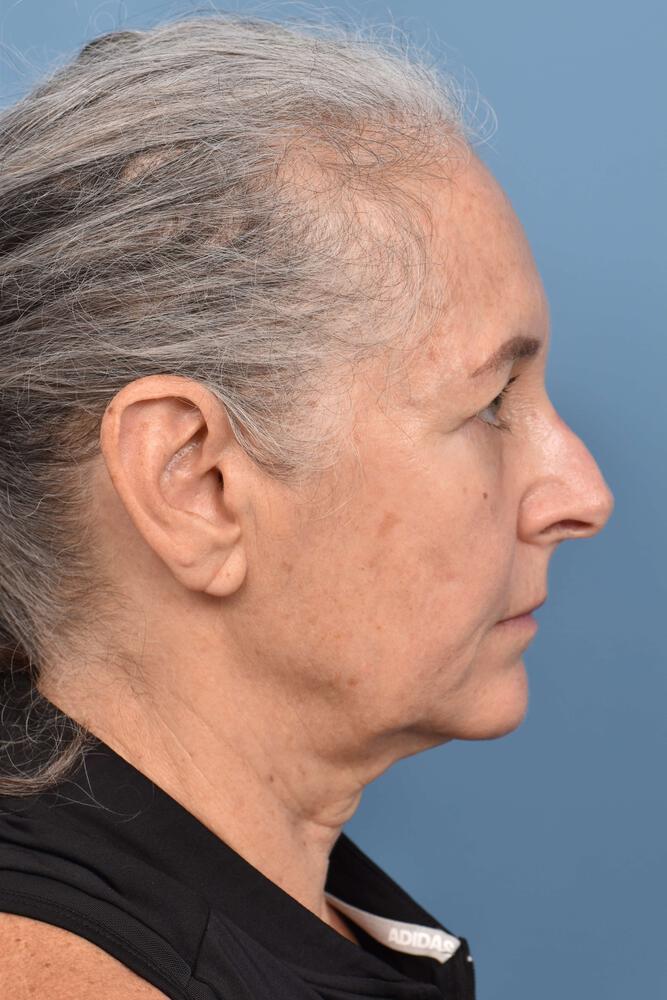
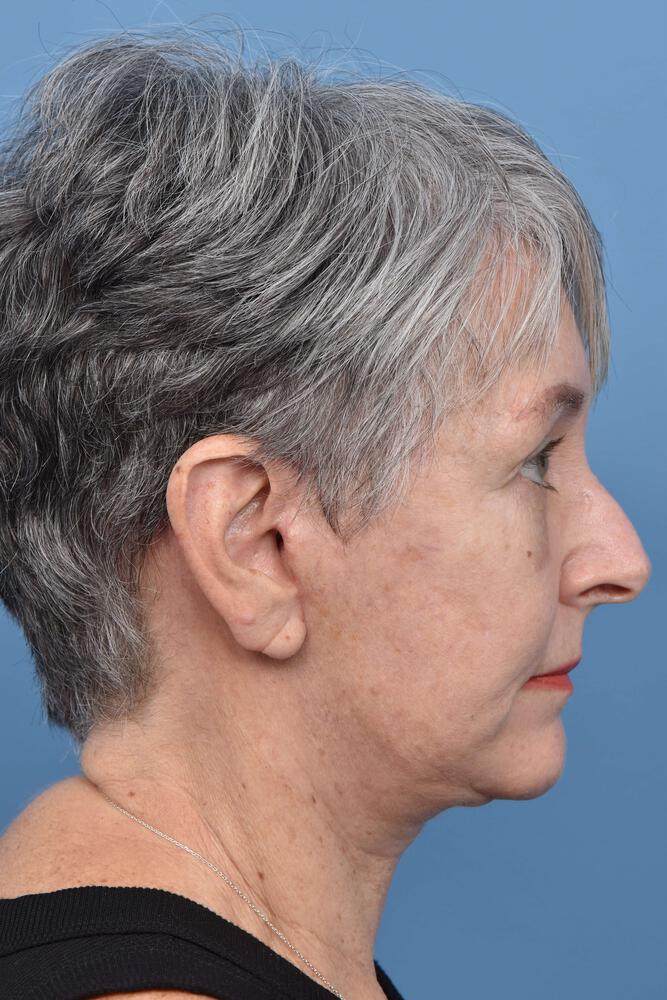
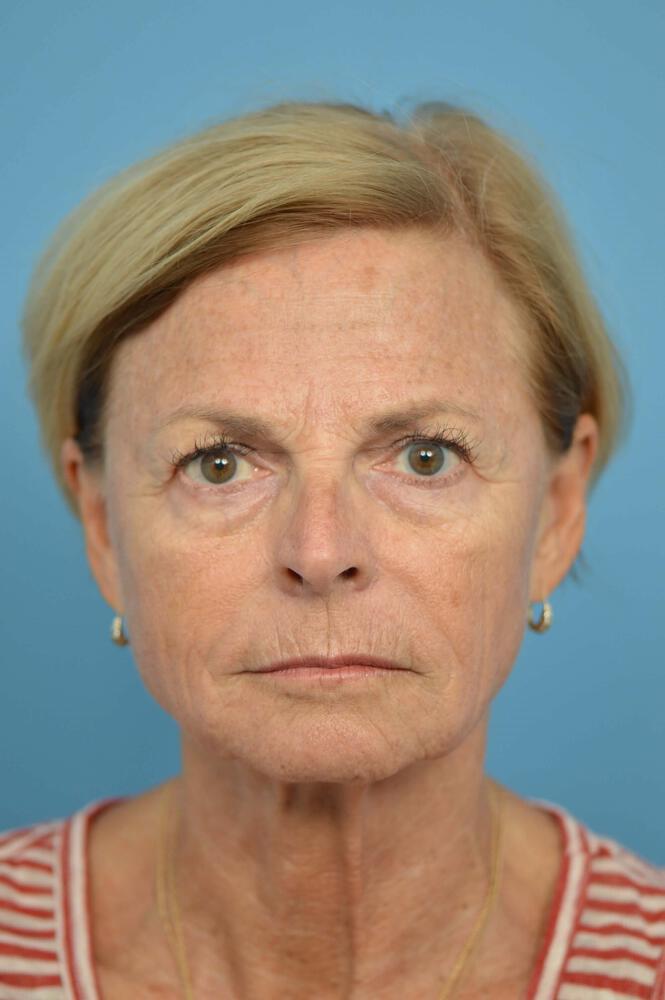
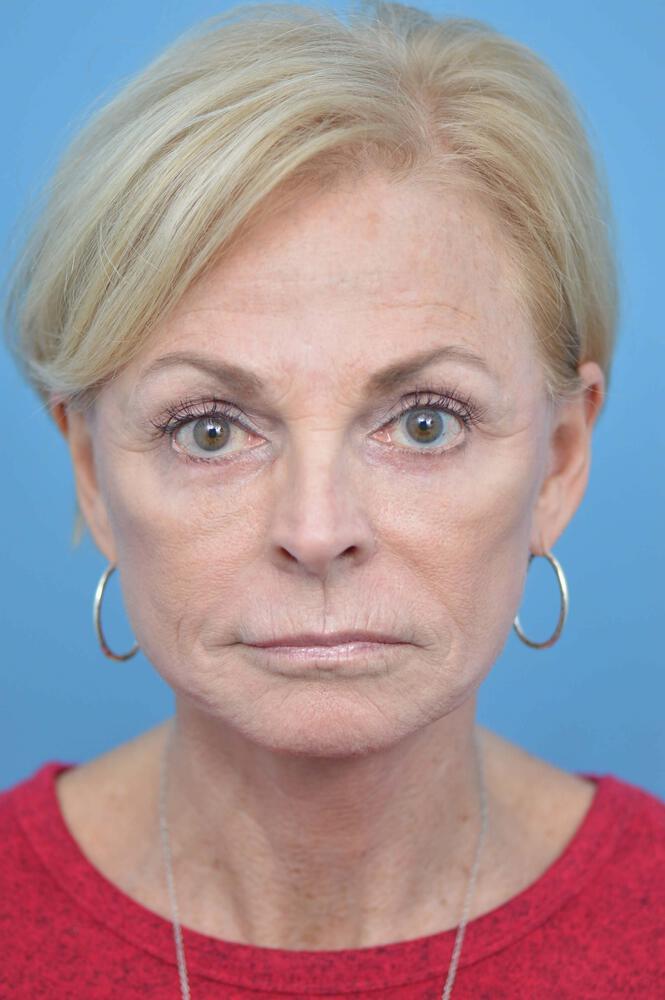
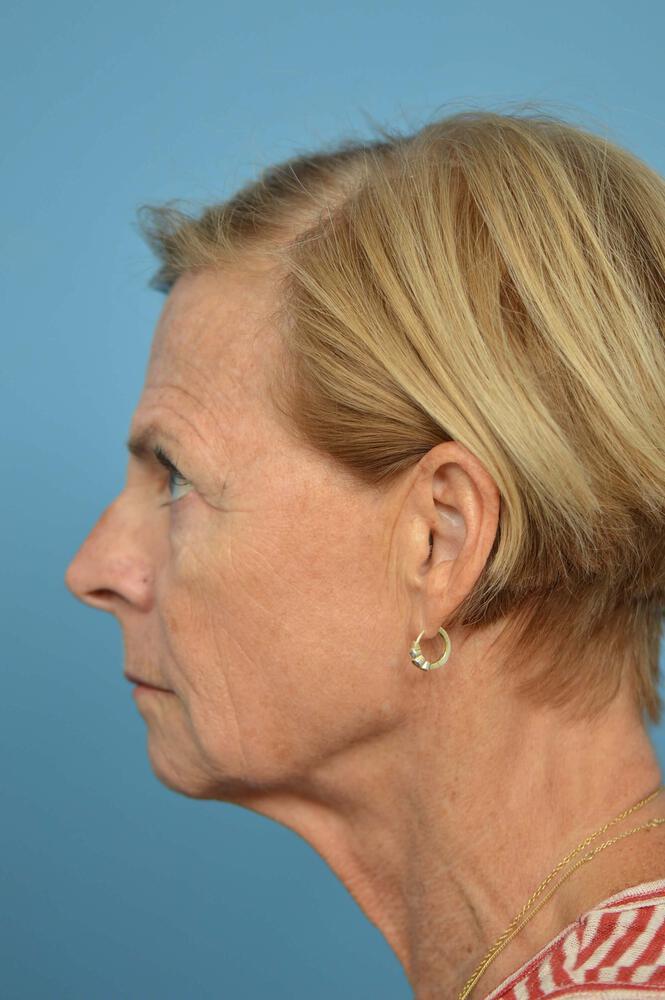
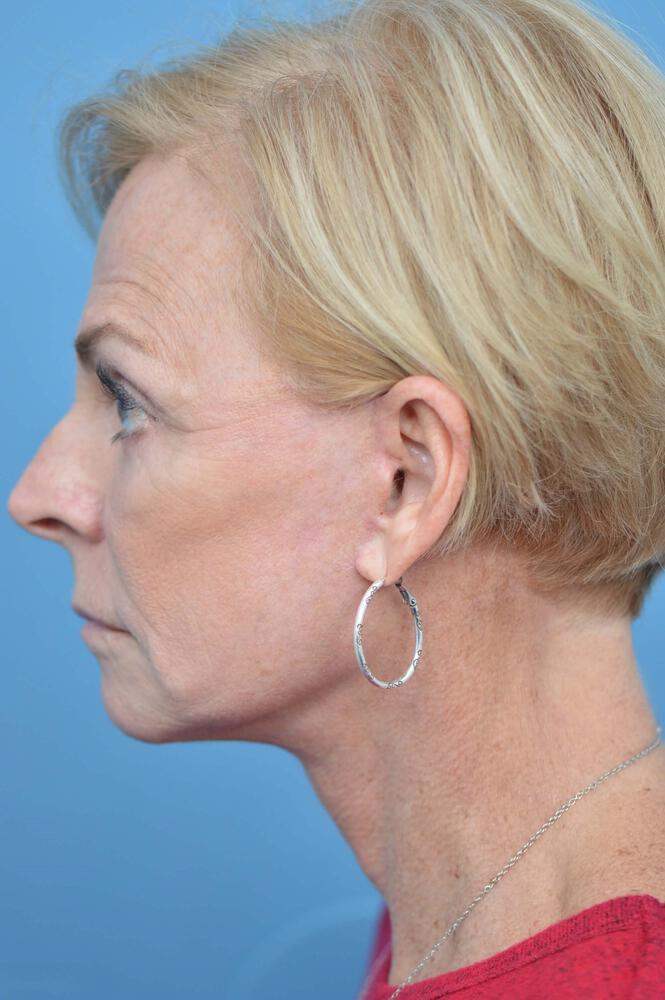
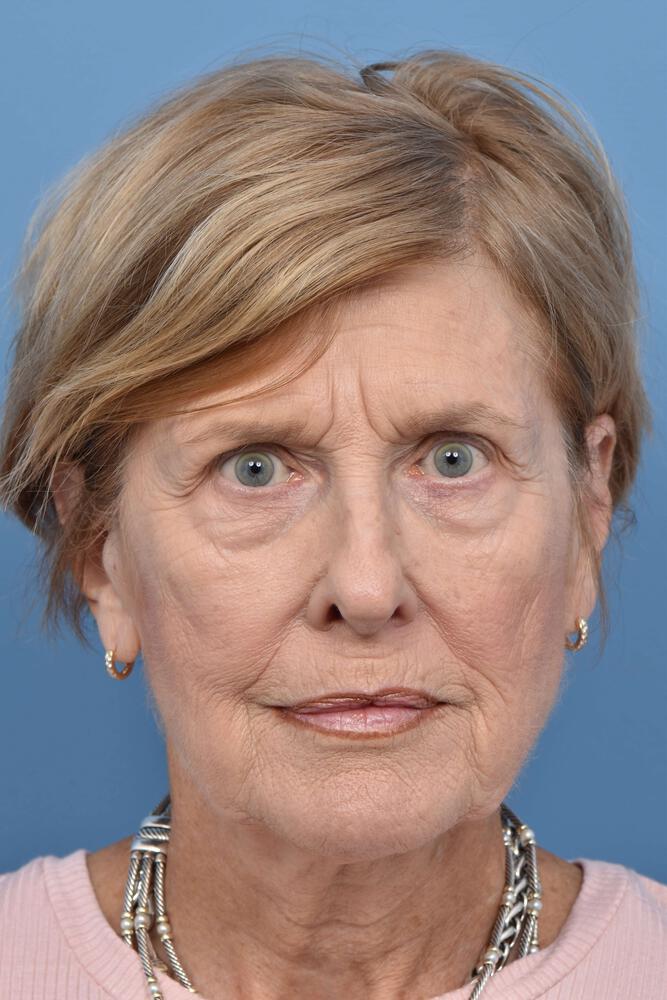
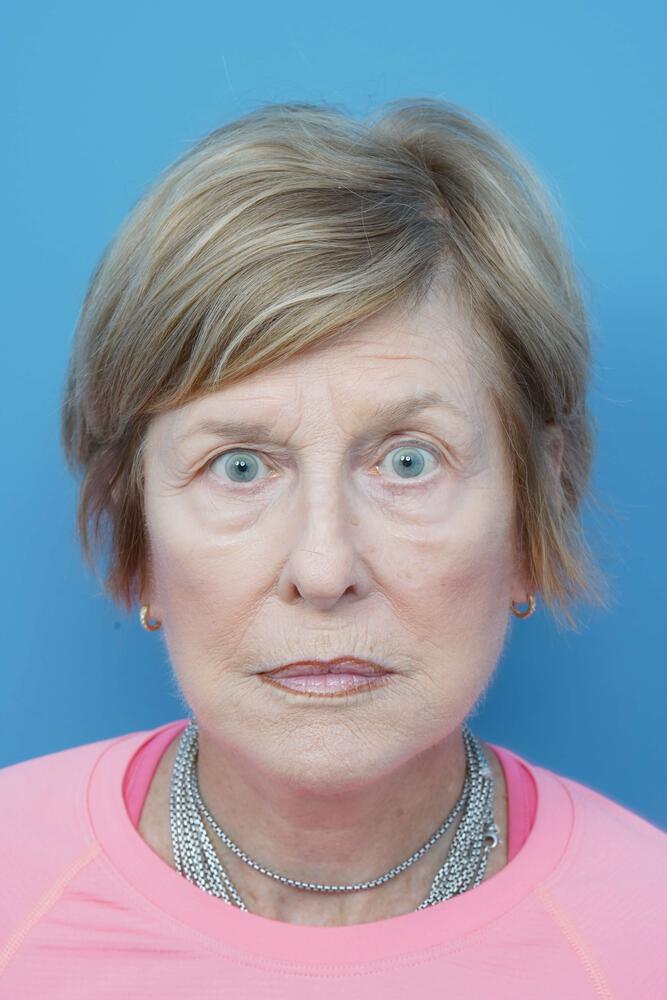
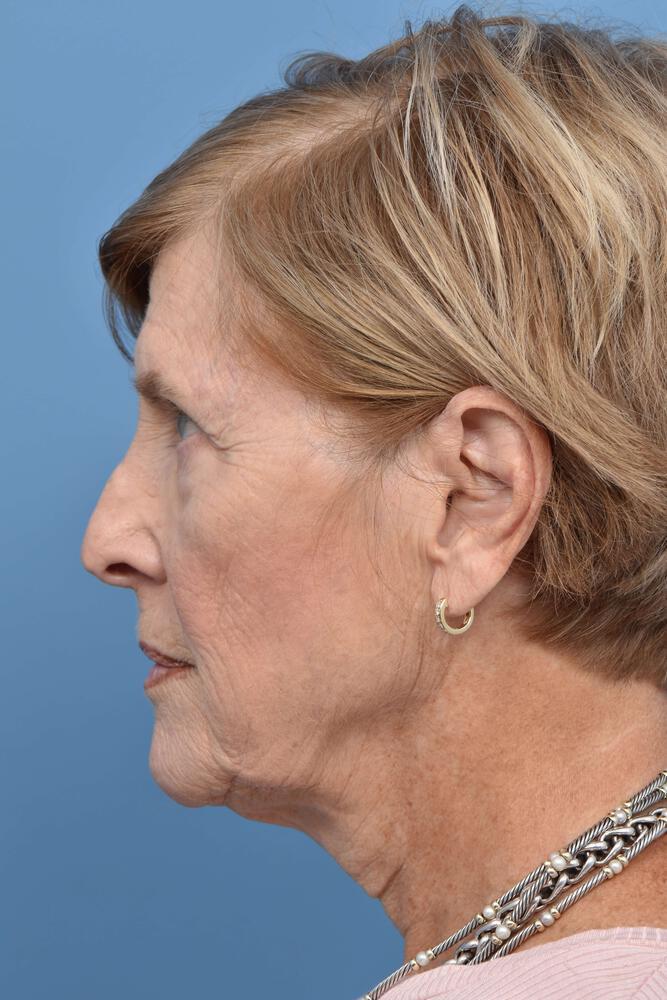
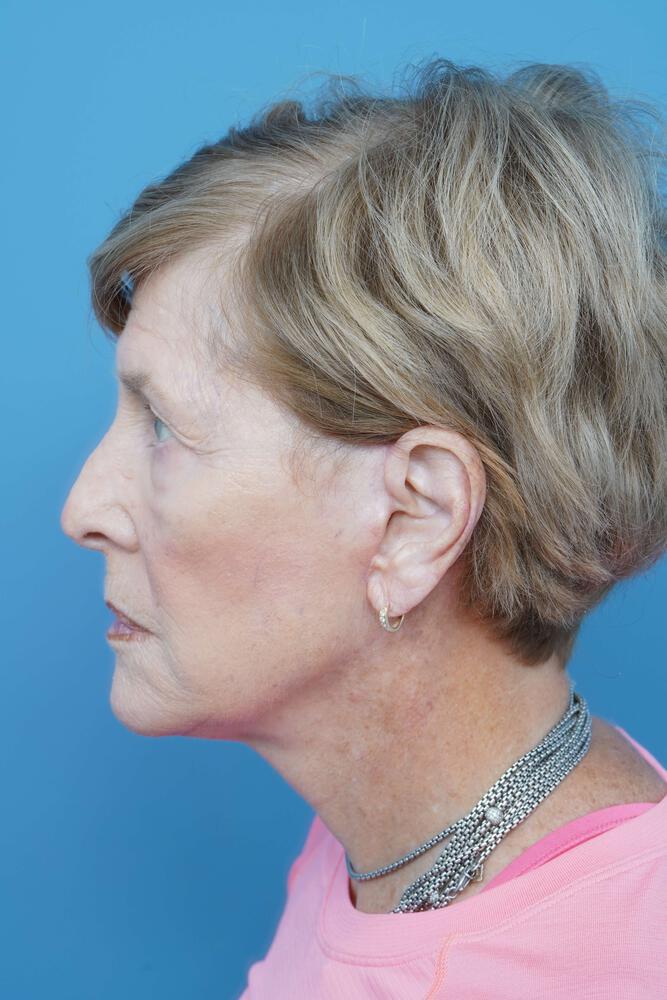
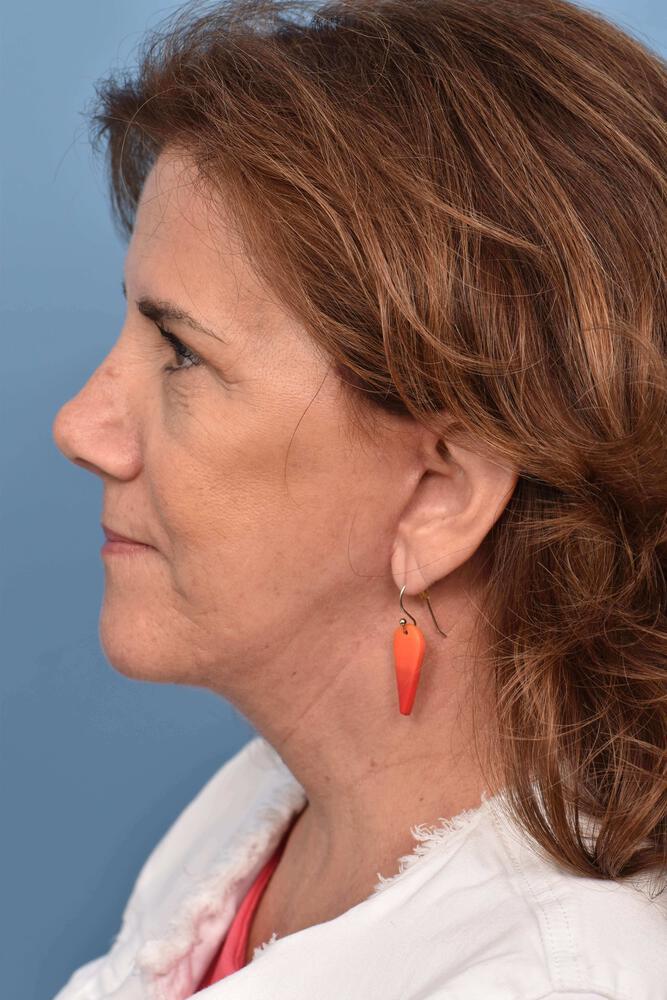
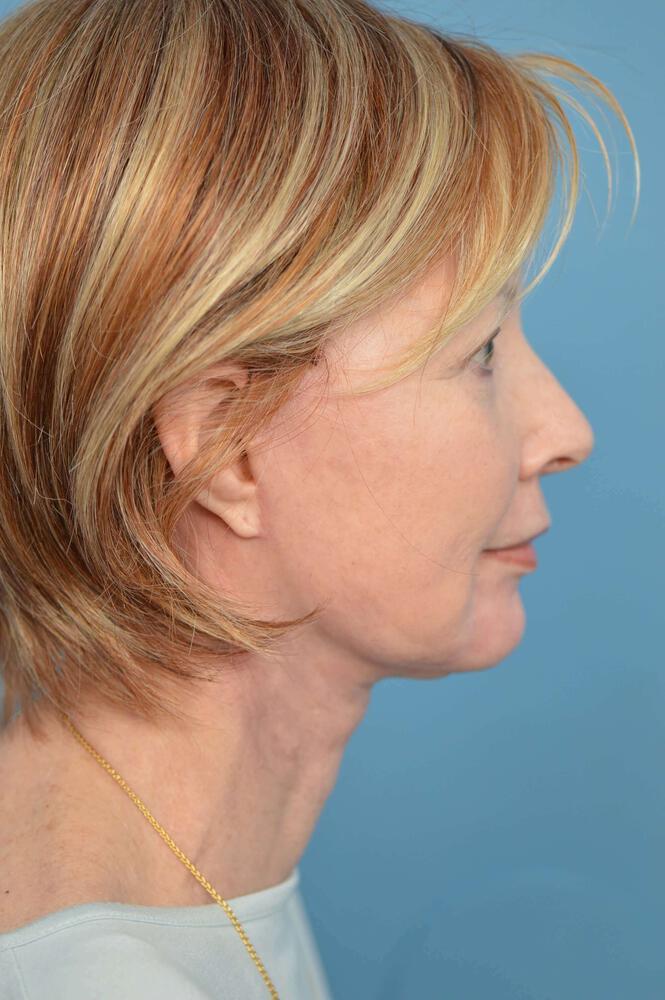
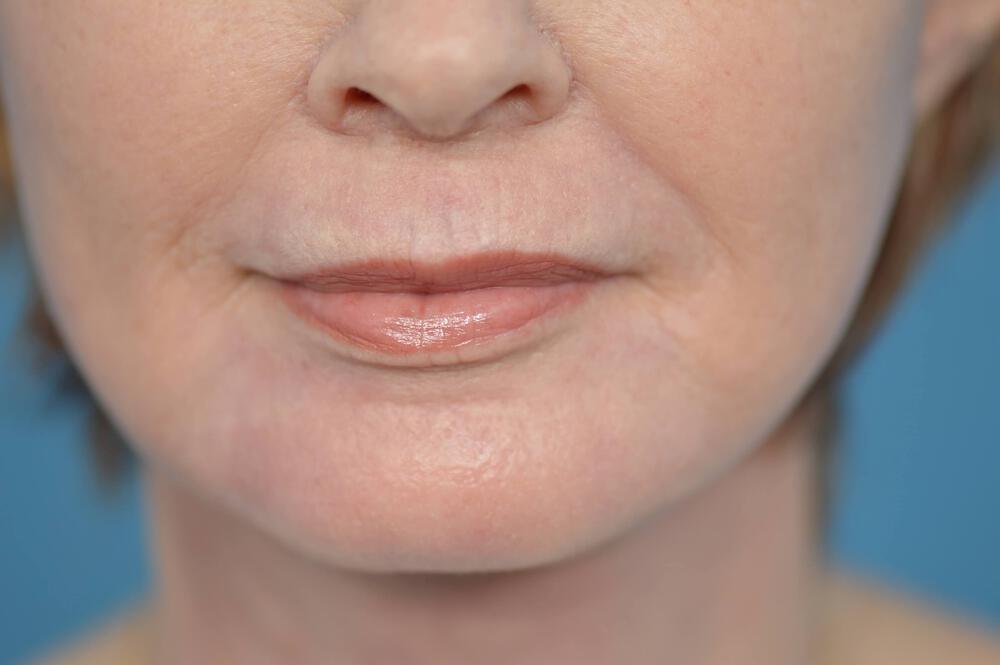
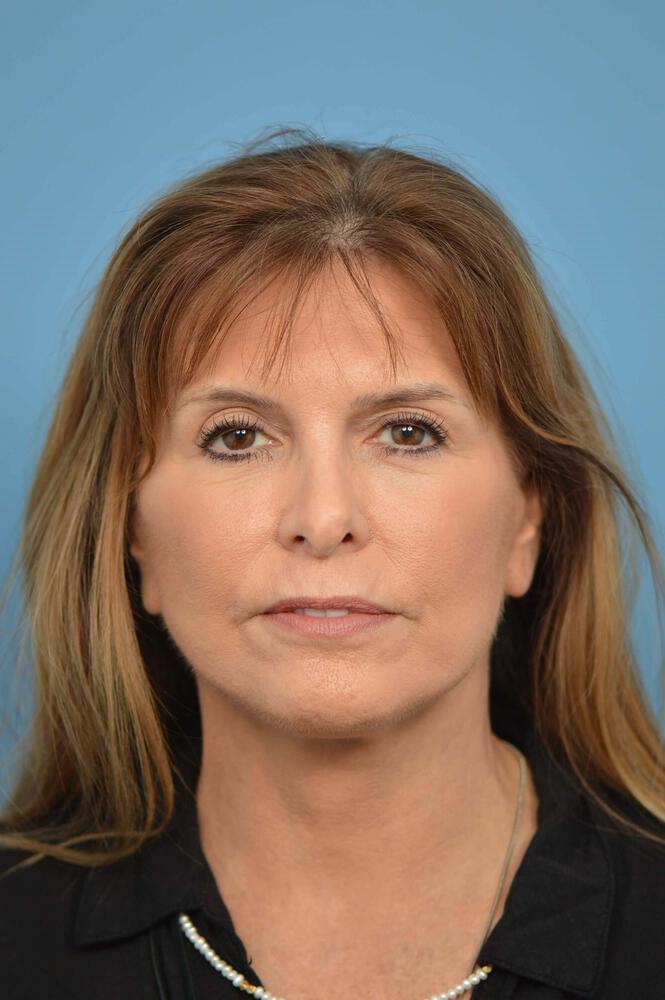
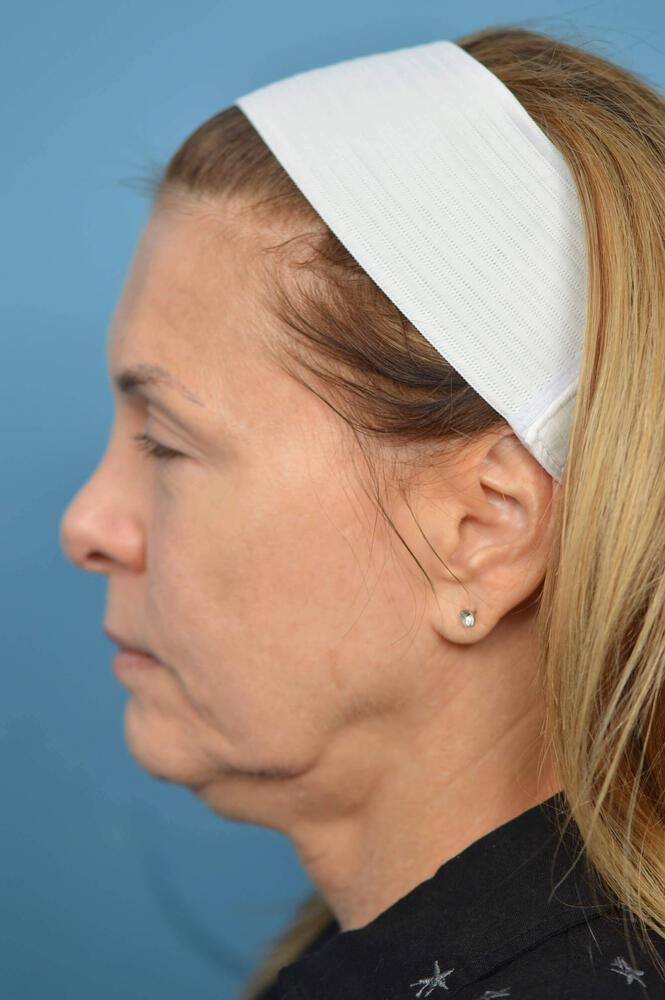
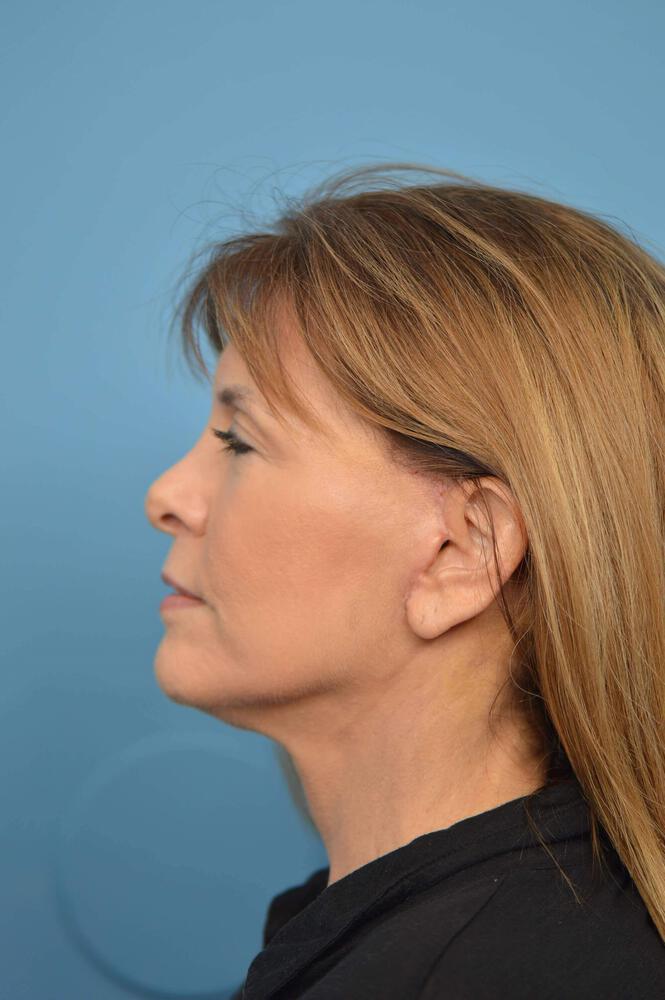
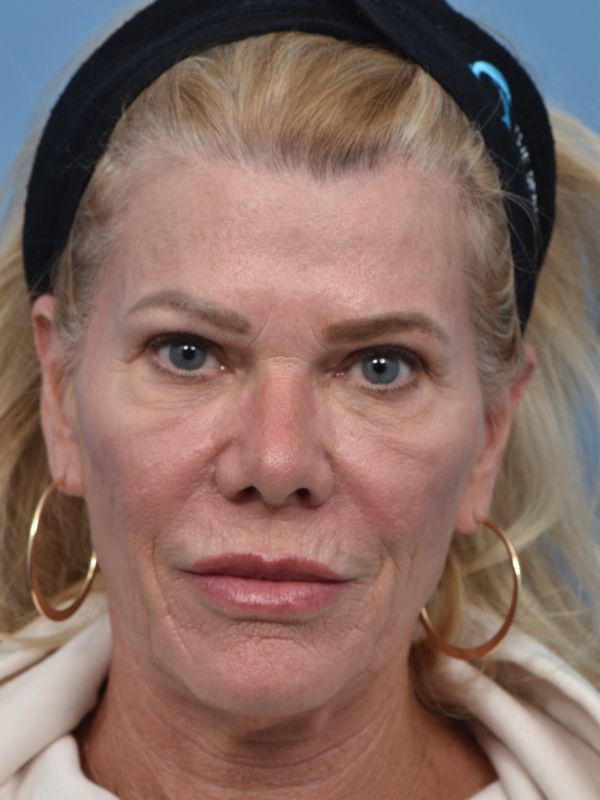
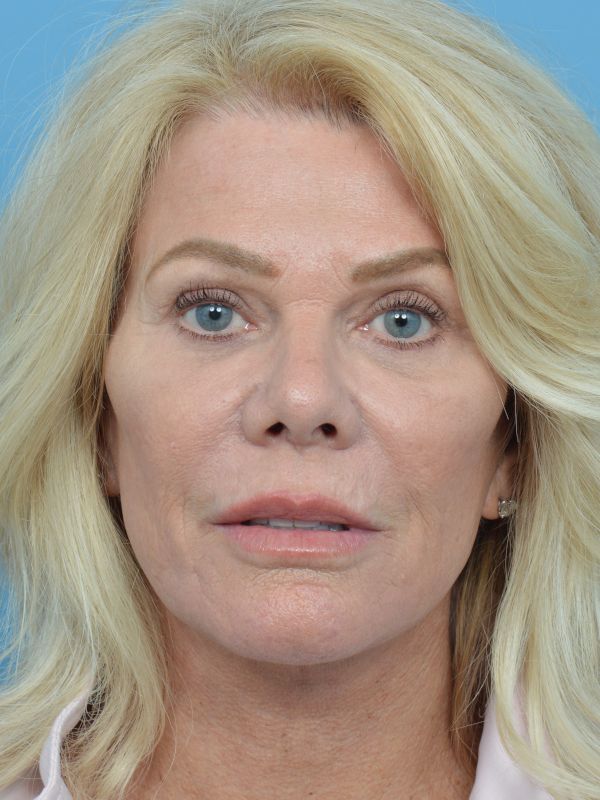
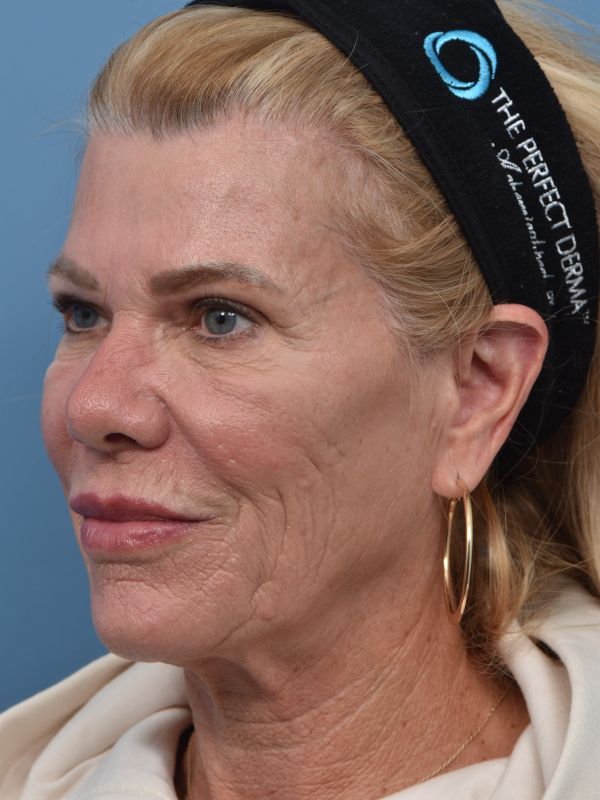
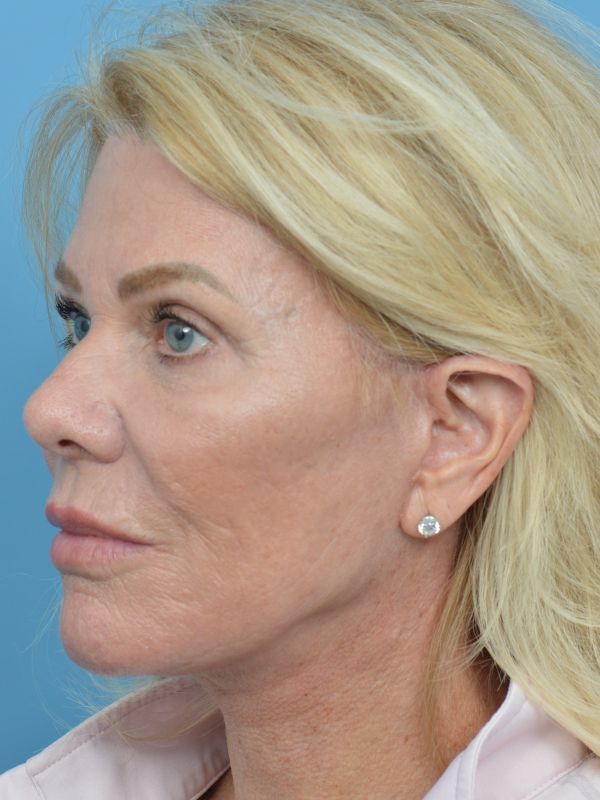
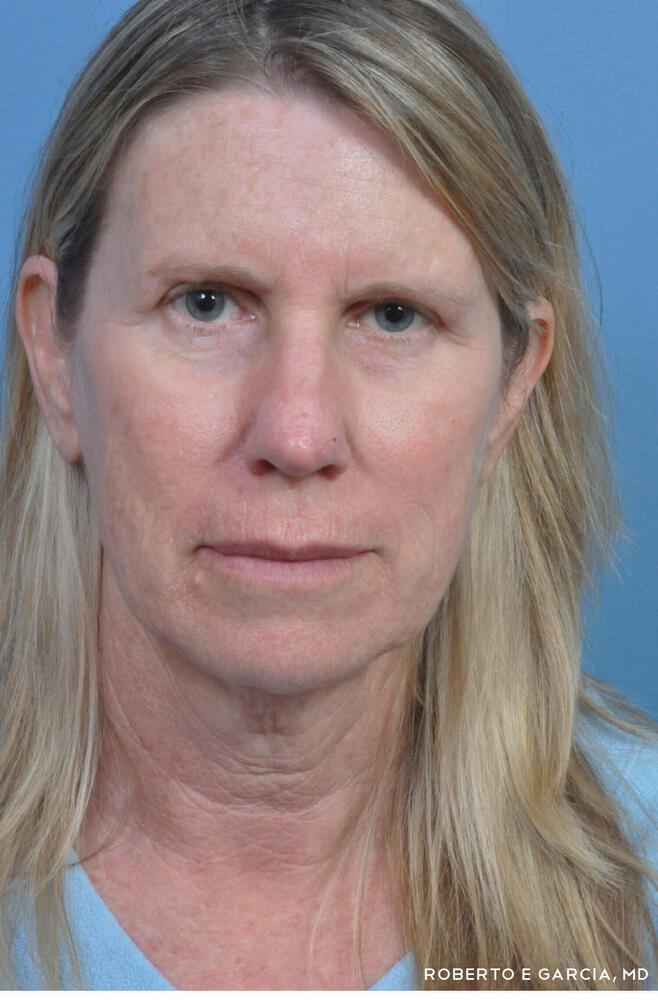
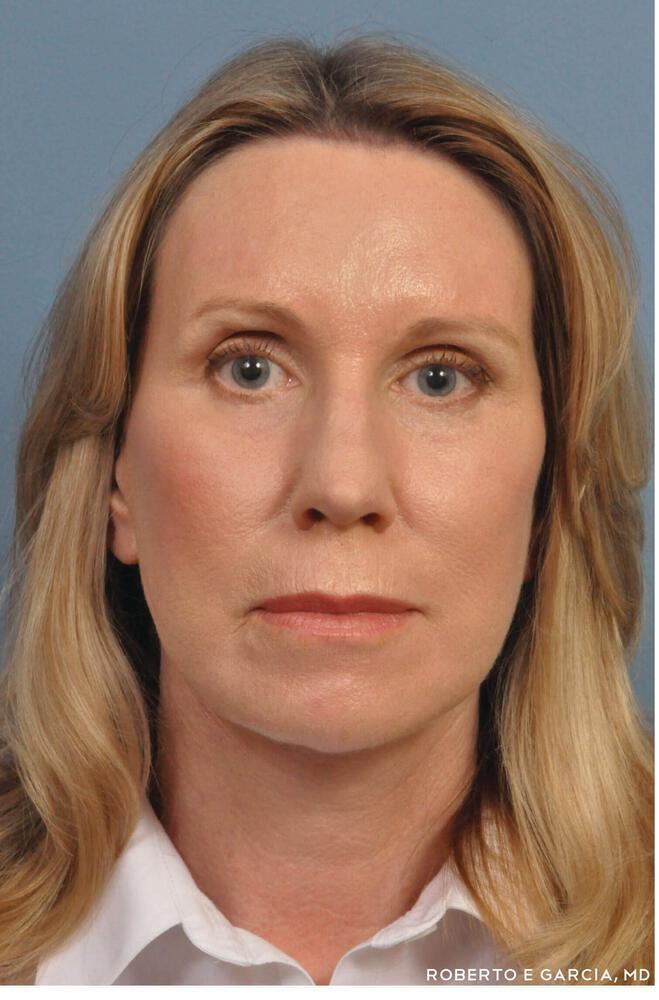
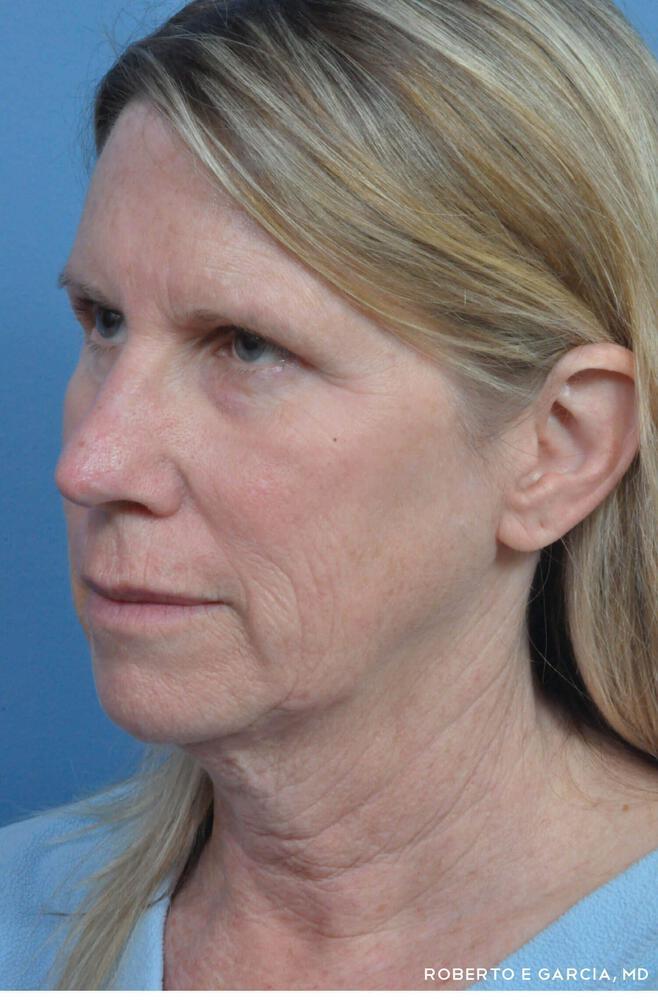
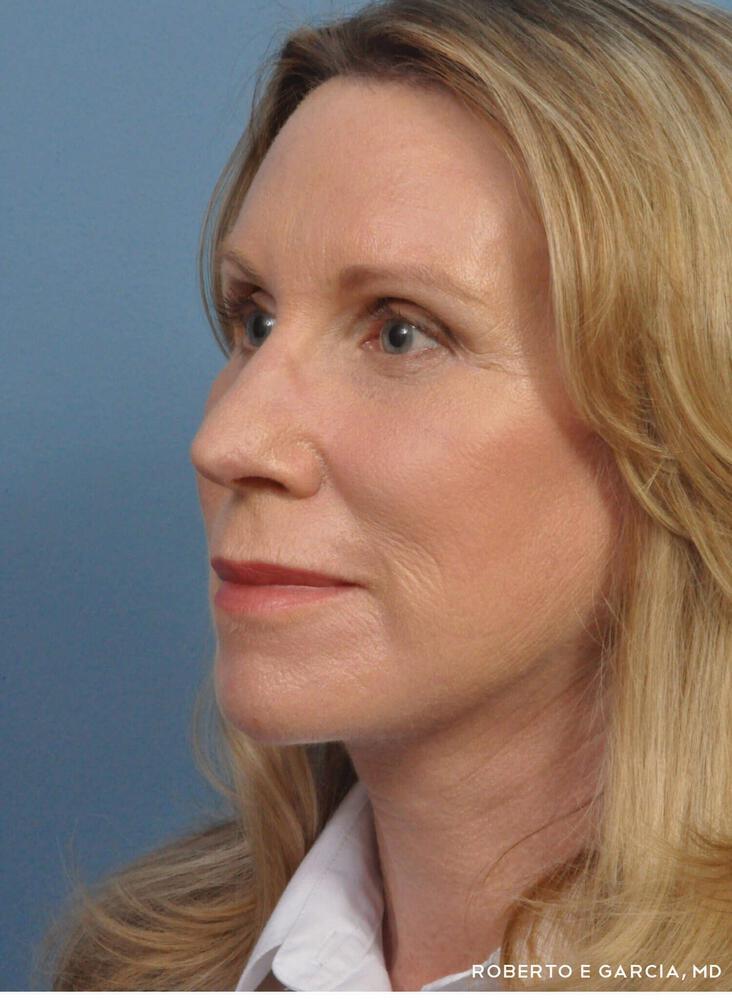
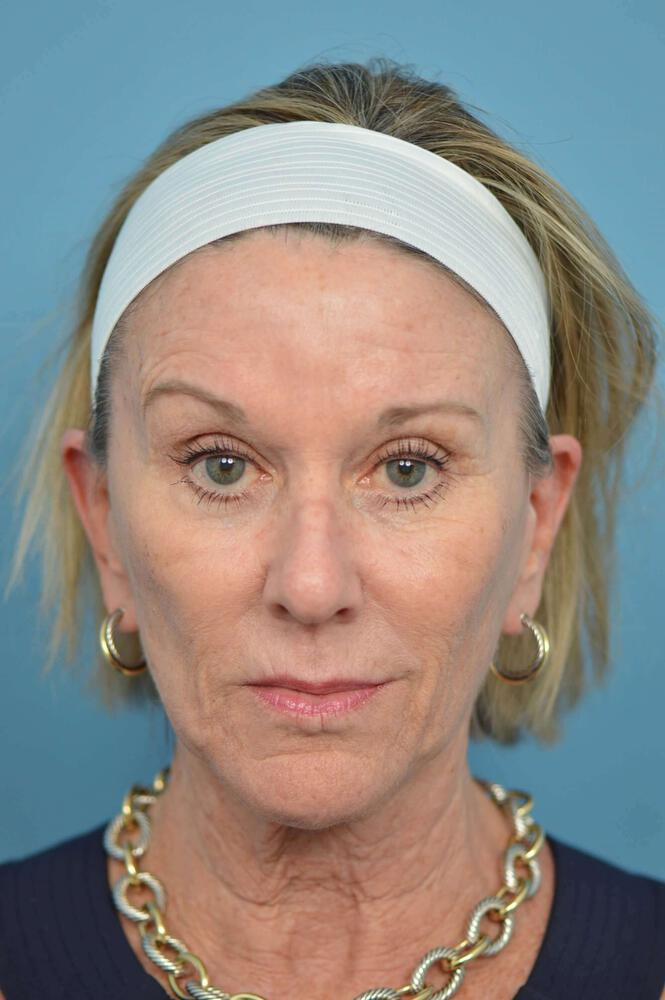
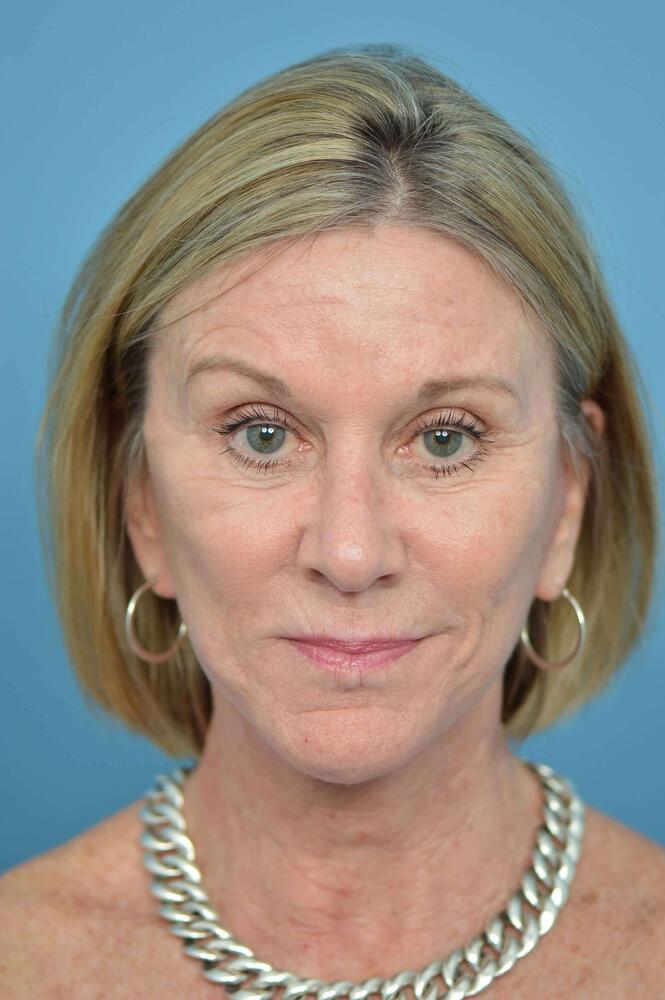
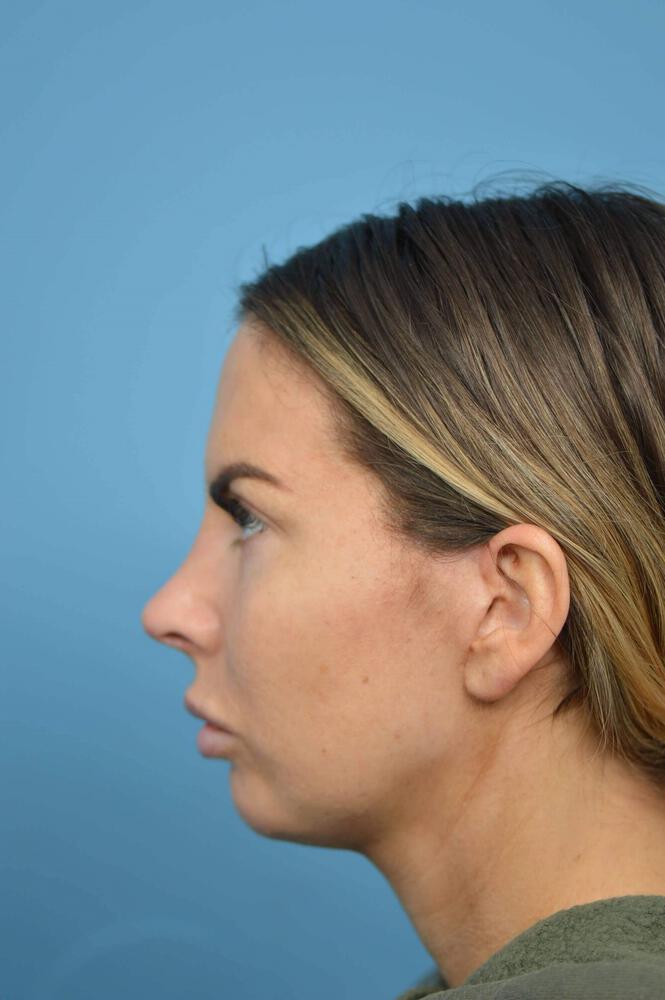
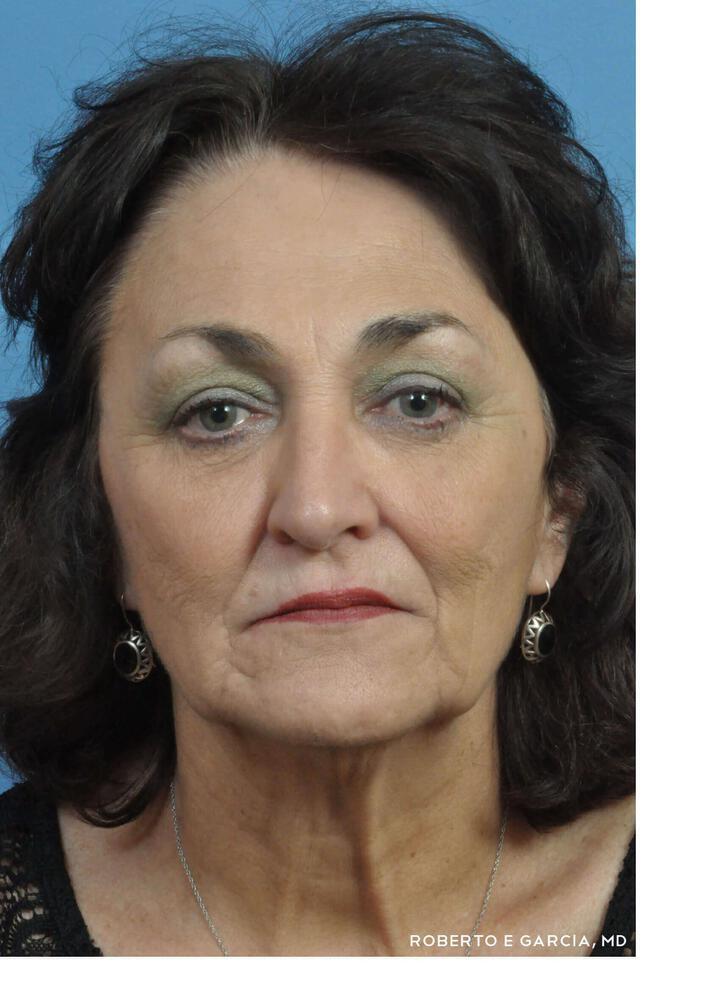
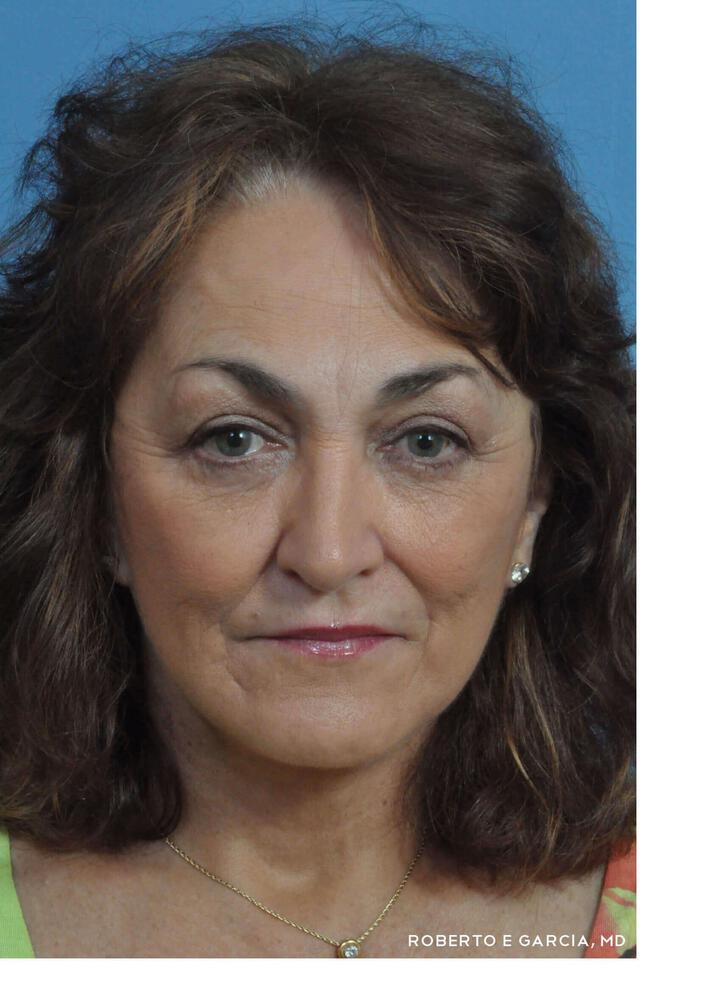
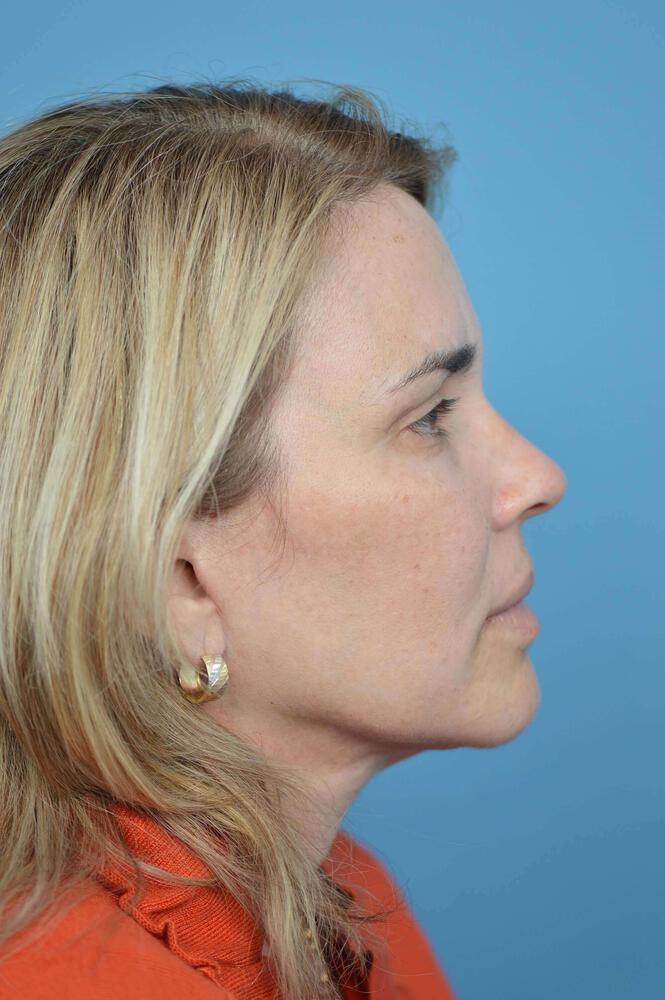
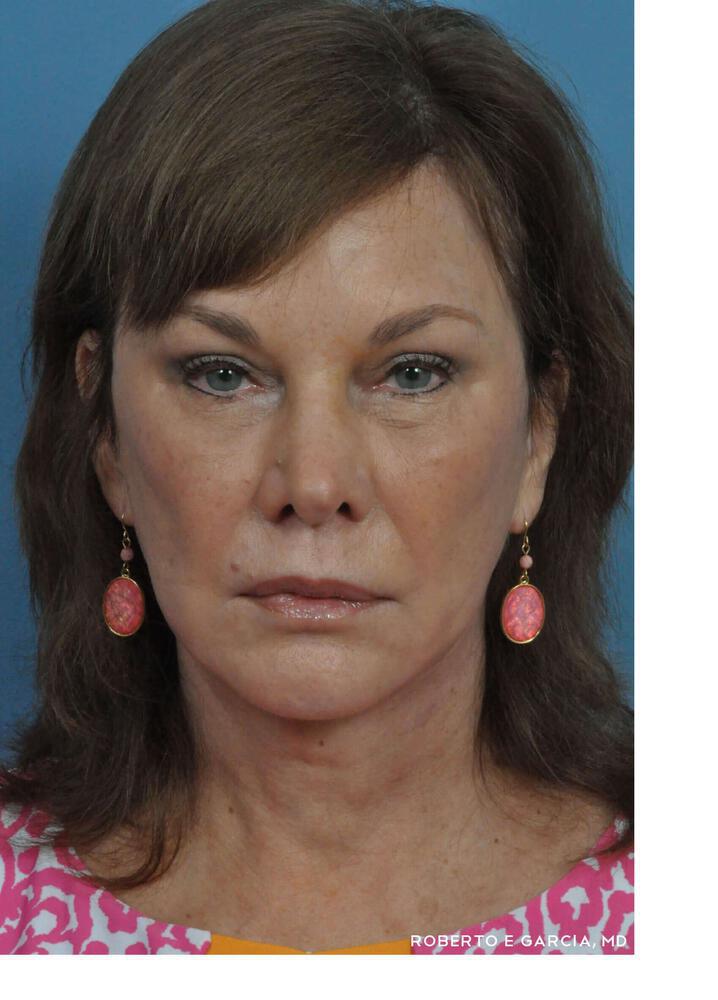
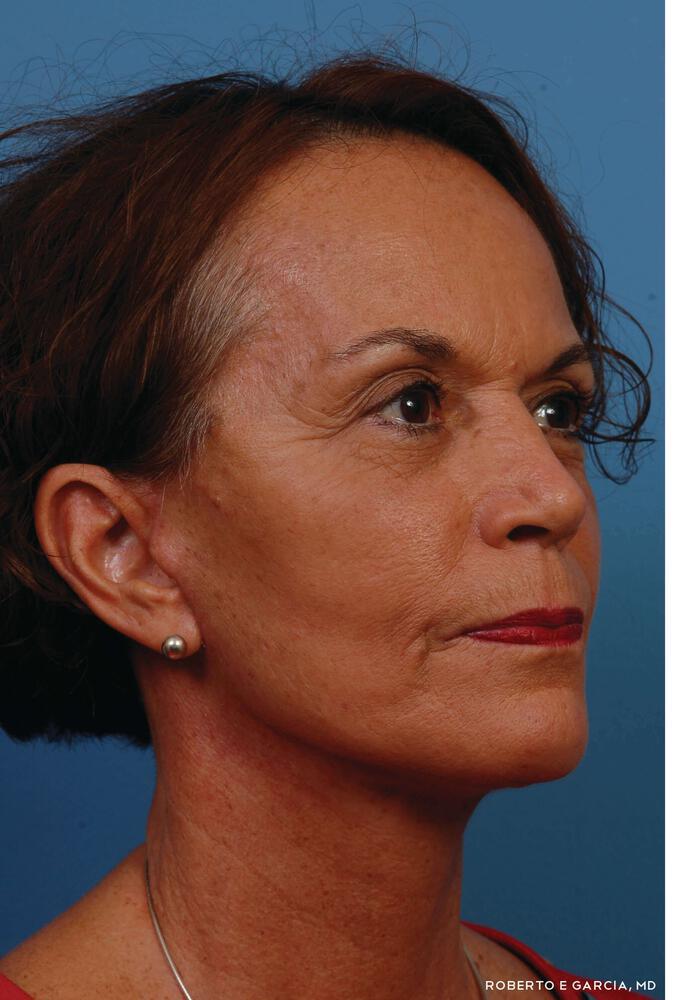
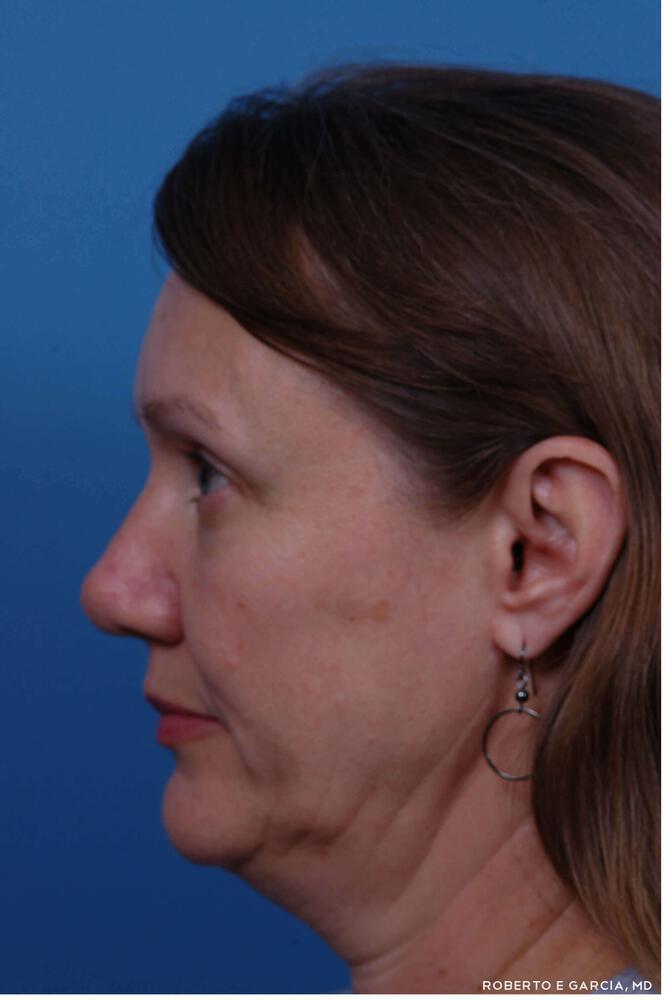
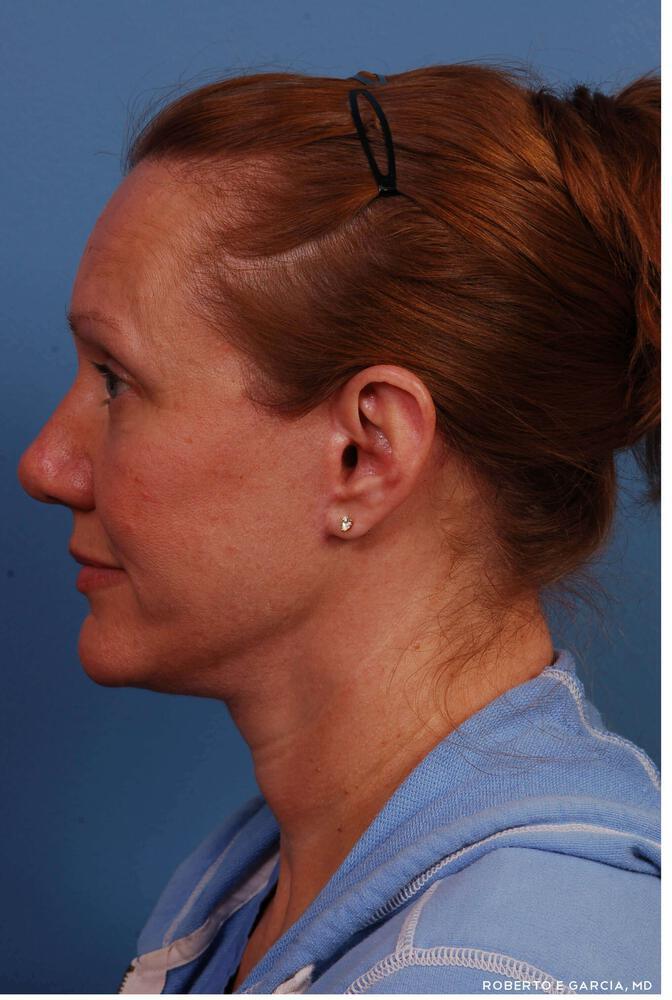
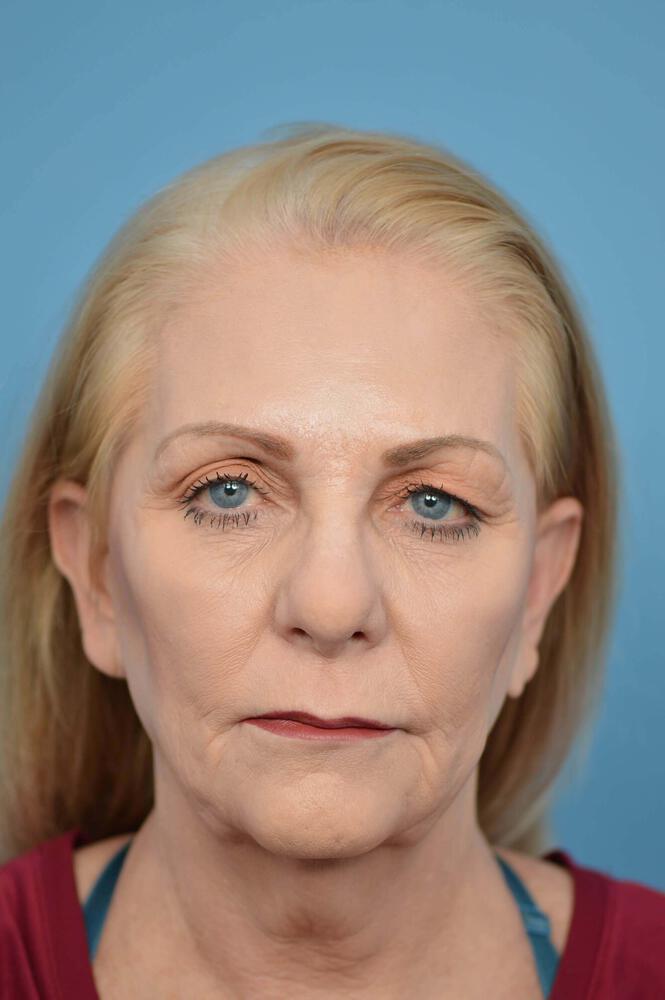
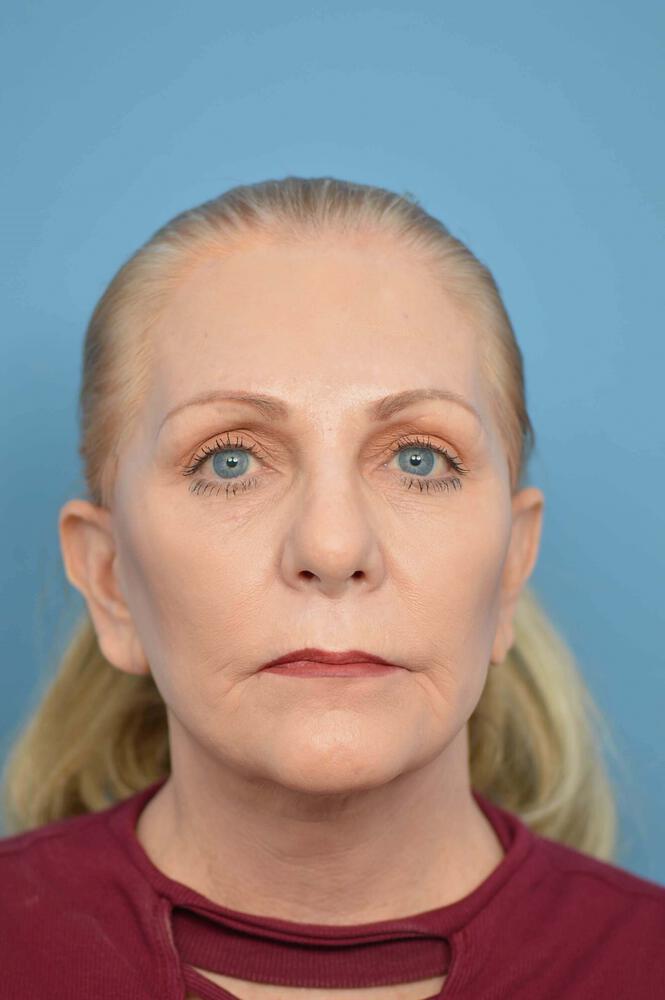
Dr. Garcia calls his method an “invisible facelift.” People might notice you look more rested or that your jawline looks sharper, but the surgery should not be obvious. Your smile, eyes, expressions, and main facial features will still look like you.

Facelift results can last for many years, and some people see a big improvement for ten years or more. Everyone’s face keeps aging, and things like genetics, skin quality, sun, nicotine, weight changes, and skincare all matter. Faces do not age by a set number, so Dr. Garcia does not promise you will look exactly 10 or 15 years younger.

Will I Have Visible Scars?

Every surgical facelift leaves some scars. The incisions are made around the ears and in the hairline so they are hidden as they heal. At first, scars may look pink or raised, but they usually fade and soften over the next few months. Taking care of your incisions, protecting them from the sun, and following Dr. Garcia’s advice will help them heal.

Ponte Vedra Beach Facelift model smiling in the sun

Can a Facelift Be Combined With Other Procedures?

A facelift focuses on the cheeks, lower face, and jawline. If aging is also noticeable around the eyes, brow, neck, or skin surface, Dr. Garcia may recommend another treatment to create a more balanced result. Options can include:

  • A neck lift for loose neck skin, muscle banding, or fullness beneath the chin
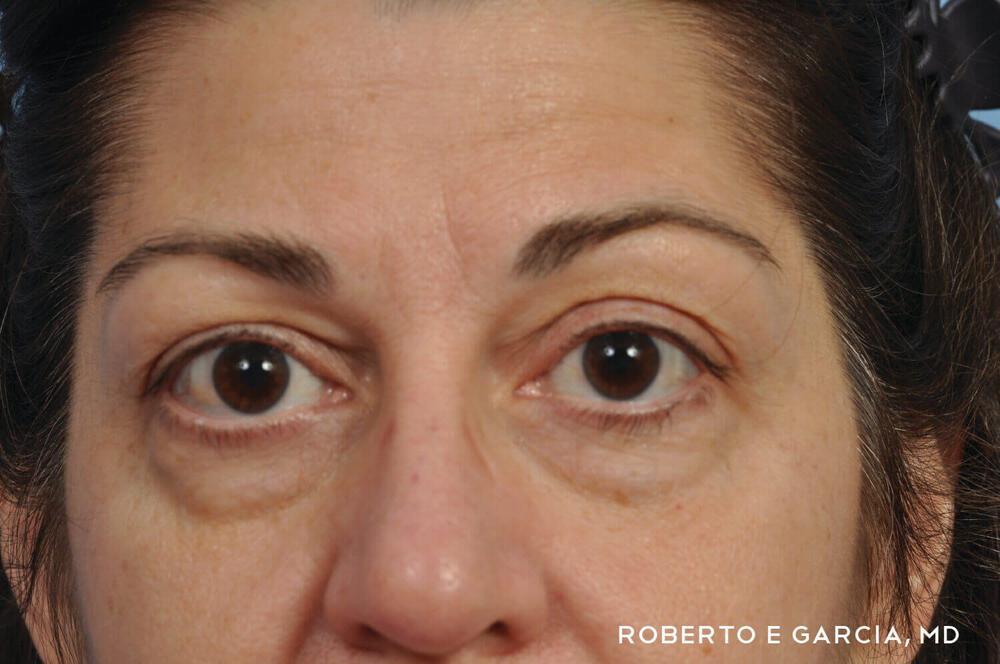
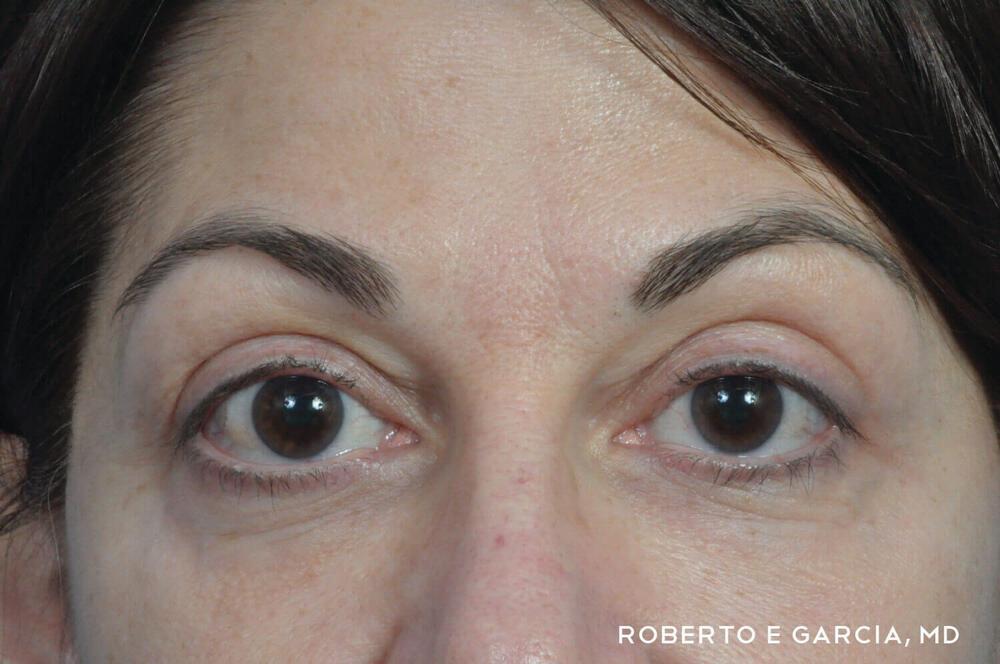
  • Eyelid surgery, including upper or lower eyelid surgery, for excess skin or under-eye bags
  • A brow lift for a low or heavy brow
  • Facial fat transfer to replace volume in selected areas
  • Laser resurfacing, chemical peels, or other skin treatments for texture, fine lines, or sun damage

You might need one of these procedures, a few, or none at all. Dr. Garcia only suggests combining treatments if each one will improve your results.

Why Choose Dr. Roberto Garcia for Facelift Surgery?

Facelift surgery requires skill, a deep knowledge of facial anatomy, and careful judgment. Dr. Roberto Garcia is certified by both the American Board of Facial Plastic and Reconstructive Surgery and the American Board of Otolaryngology–Head and Neck Surgery. He has spent over twenty years focusing on the face and has contributed to the field through research, presentations, and creating the Contoura Lift®.

Dr. Garcia’s planning begins with you, not just a preferred technique. He focuses on the features that make your face unique and works to protect them. He knows when a limited lift is enough and when it might not give the results you want. This careful approach is at the heart of his “invisible facelift” philosophy: make a real improvement, then let the surgery blend in.

Facelift Care Near Jacksonville

Contoura Facial Plastic Surgery is at 230 A1A N in Ponte Vedra Beach. The practice welcomes facelift patients from Jacksonville, the Beaches, St. Johns, and all over Northeast Florida. You can schedule an in-person or virtual consultation.

If you’re traveling from Jacksonville, arrange for someone to drive you home after surgery and bring you back to Ponte Vedra Beach for follow-up visits. The Contoura team will schedule these appointments in advance and explain what to expect at each step.

Schedule a Facelift Consultation Near Jacksonville

If changes in your cheeks, jawline, or neck make you feel less like yourself, a consultation can help you learn what is causing them and what can realistically be improved. Contact Contoura Facial Plastic Surgery to meet Dr. Garcia and get a personalized facelift plan near Jacksonville.

FACELIFT Frequently Asked Questions

What is the best age to have a facelift?

There is no set age. Dr. Garcia looks at your degree of laxity, skin elasticity, health, and goals to decide whether surgery is appropriate.

Does a facelift include a neck lift?

Sometimes. The face and neck often age together, but they don’t always need the same amount of correction. Dr. Garcia will examine both and explain exactly what is included in your plan.

What is the difference between a facelift and a mini facelift?

A full facelift treats more advanced aging across a larger area. A mini facelift is more limited and usually involves less downtime. The right choice depends on how much tissue has shifted.

How long does a facelift procedure take?

Many facelifts take about two to four hours. Combining a neck lift, fat grafting, brow lift, or eyelid surgery can add time. Dr. Garcia will give you a specific estimate.

Can fillers or nonsurgical treatments replace a facelift?

Fillers can restore volume, while lasers and energy-based treatments can improve skin quality or mild laxity. They can’t lift significantly descended facial tissues.

Will my facelift look natural?

That’s the goal. Dr. Garcia repositions deeper tissues and tailors the lift to your facial structure so you look refreshed, recognizable, and comfortable with your result.

How long do facelift results last?

Some patients maintain a noticeable improvement for 10 years or longer. Your technique, anatomy, skin quality, lifestyle, and natural rate of aging all influence longevity.

How much does a facelift cost in Jacksonville?

Facelift cost depends on the technique, surgical complexity, anesthesia and facility fees, neck treatment, and any procedures performed at the same time. Contoura provides a personalized estimate after Dr. Garcia develops your plan. Financing is available, while health insurance generally does not cover elective facelift surgery.

PLAN YOUR PROCEDURE

stopwatch icon

Recovery Time: 3-4 weeks

clock icon

Average Procedure Time: 2-3 hours

Contoura Facial Plastic Surgery in Jacksonville

Under the direction of visionary double board-certified facial plastic surgeon Dr. Roberto Garcia, Contoura Facial Plastic Surgery offers the latest surgical and non-surgical procedures in a relaxed and serene setting. Schedule a virtual or in-person consultation today to get the first glimpse of your future self.

230 A1A N, Ponte Vedra Beach, FL 32082